
Arts events in Canada continue to grow, bringing creative minds together to share ideas, explore new research, and celebrate cultural expression. These gatherings offer fresh perspectives, inspiring conversations, and meaningful networking moments for professionals and students alike. Many readers want a simple guide to understand what makes the top 8 arts conference in Canada 2026 worth exploring, especially with so many choices available.
These conferences highlight important themes in the arts landscape. Events like the 13th Global Conference on Arts, Education, and Humanities, the Annual ARLIS/NA Conference, and Communicating the Arts showcase research, communication strategies, and cultural innovation across major Canadian cities. Continue reading the article to discover what each event offers and why they matter.
Top 8 Arts Conference in Canada 2026 at a Glance
Looking for an arts conference in Canada 2026? This quick overview table compares major events by date, location, and specialty, helping professionals easily identify the right conference across Canadian cities.
| Date | Conference Name | Location | Specialty |
| Aug 14–16, 2026 | 13th Global Conference on Arts, Education, and Humanities (GCAEH) | Vancouver | Interdisciplinary arts, education, and humanities |
| May 2–8, 2026 | Annual ARLIS/NA Conference | Montréal | Art librarianship, visual resources, museum/gallery research |
| Apr 19, 2026 | International Conference on Arts and Humanities | Kingston | Arts and humanities academic research |
| Oct 13–16, 2026 | Communicating the Arts | Ottawa–Gatineau | Arts communication, cultural strategy, audience engagement |
| Apr 12, 2026 | International Conference on Ancient History and Art | Toronto | Ancient art, archaeology, historical scholarship |
| Jul 14–15, 2026 | Canadian Arts Marketing, Development and Ticketing Conference | Toronto | Arts marketing, audience development, revenue strategy |
| May 30, 2026 | International Research Conference on Arts, Commerce, and Business Management | Montreal | Creative industry economics, arts management |
| Oct 13–15, 2026 | UAAC-AAUC Conference | Montreal | Art history, theory, visual arts research |
Arts Conferences in Canada 2026 by City
Since Canada’s 2026 arts conferences are dispersed throughout large cities, it’s simple to look up events by place. This quick city-wise list helps professionals identify where each conference takes place for faster planning and comparison. Use it to find your nearest event instantly.
Vancouver, BC
- 13th Global Conference on Arts, Education, and Humanities (GCAEH)
Montréal, QC

- Annual ARLIS/NA Conference
- International Research Conference on Arts, Commerce, and Business Management
- UAAC-AAUC Conference
Kingston, ON
- International Conference on Arts and Humanities
Ottawa–Gatineau Region (ON/QC)
- Communicating the Arts
Toronto, ON
- International Conference on Ancient History and Art
- Canadian Arts Marketing, Development and Ticketing Conference
Top 8 Arts Conference in Canada 2026 (Full Breakdown)
Arts conferences in Canada 2026 offer professionals key opportunities to learn, network, and explore trends across arts, culture, and research. This list outlines dates, locations, and focus areas to help you choose the right event. Browse the lineup and register early.
1. 13th Global Conference on Arts, Education, and Humanities (GCAEH)
- Dates: August 14–16, 2026
- Location: Vancouver
- Focus: Interdisciplinary arts, education, humanities
- Best for: Educators, scholars, creative practitioners
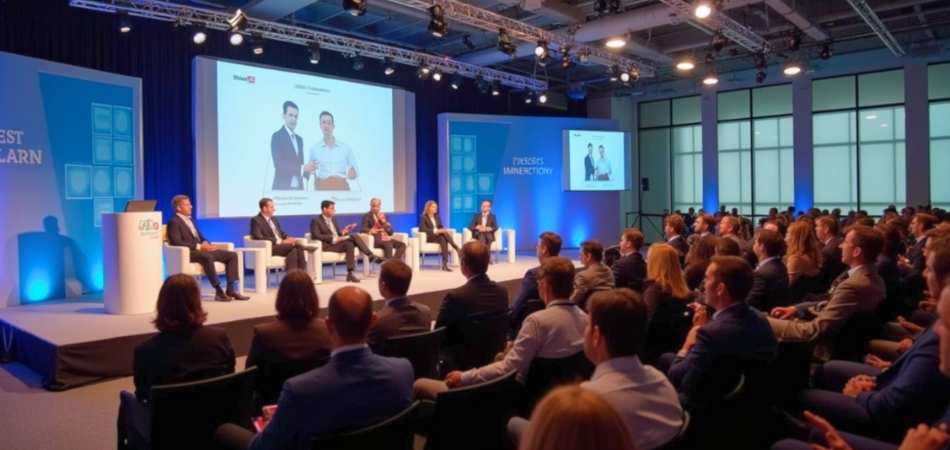
GCAEH brings together researchers and educators interested in how arts and humanities influence learning and society. Academic speakers, policy thinkers, and practitioners share research findings and case studies. Discussions cover curriculum innovation, cultural theory, and interdisciplinary practice, making it a strong arts conference in Canada 2026 for academic exchange.
2. Annual ARLIS/NA Conference
- Dates: May 2–8, 2026
- Location: Montréal
- Focus: Art librarianship, visual resources
- Best for: Librarians, curators, researchers
Focused on the information side of the arts sector, this conference examines how art libraries and visual archives evolve. Museum professionals, digital archivists, and collection managers lead sessions on cataloguing standards, digitization, access systems, and research support in cultural institutions.
3. International Conference on Arts and Humanities
- Date: April 19, 2026
- Location: Kingston
- Focus: Arts and humanities research
- Best for: Academics, cultural scholars
Scholars come together for this one-day event to present peer-reviewed work and exchange ideas across the humanities. University professors and emerging researchers explore topics such as literature, philosophy, cultural studies, and visual arts. Conversations often move between theory, methodology, and cross-disciplinary approaches.
4. Communicating the Arts
- Dates: October 13–16, 2026
- Location: Ottawa–Gatineau
- Focus: Arts communication, cultural strategy
- Best for: Arts professionals, communicators
At the intersection of culture and strategy, this event explores how organizations tell their stories. Marketing directors, communication consultants, and cultural leaders share practical insights on audience research, branding, digital outreach, and institutional positioning within competitive cultural environments.
5. International Conference on Ancient History and Art
- Date: April 12, 2026
- Location: Toronto
- Focus: Ancient art, archaeology, historical scholarship
- Best for: Historians, archaeologists, art scholars
This academic gathering brings together specialists in archaeology and ancient visual traditions with a shared interest in early civilizations and material culture. Speakers present research on artifacts, iconography, and comparative history from a range of perspectives. Attendees get a closer look at evolving interpretations and current scholarly debate.
6. Canadian Arts Marketing, Development and Ticketing Conference
- Dates: July 14–15, 2026
- Location: Toronto
- Focus: Arts marketing, audience development
- Best for: Arts managers, marketers
Built for practitioners working inside arts organizations, this conference addresses revenue growth and audience engagement. Industry consultants and marketing executives present tools for ticketing systems, donor relations, analytics, and community outreach strategies that respond to shifting consumer behavior.
7. International Research Conference on Arts, Commerce, and Business Management
- Date: May 30, 2026
- Location: Montreal
- Focus: Intersections of arts, commerce, and management
- Best for: Researchers, business scholars, arts managers
Exploring the business dimension of creativity, this conference connects arts professionals with management researchers. Presentations examine cultural economics, creative entrepreneurship, and strategic planning. Attendees benefit from case studies linking artistic production with commercial sustainability.
8. UAAC-AAUC Conference
- Dates: October 13–15, 2026
- Location: Montreal
- Focus: Art history, theory, visual arts research
- Best for: Art historians, cultural researchers
Recognized as a key academic meeting for visual arts scholarship, this conference gathers art historians, theorists, and practicing artists. Research papers, panels, and roundtables address contemporary debates, historiography, and evolving critical frameworks within Canadian and international art discourse.
Signature Experiences That Set Canadian Arts Conferences Apart
Arts conferences in Canada 2026 feature land-based learning, bilingual programming, and cross-disciplinary collaboration. These uniquely Canadian elements shape richer cultural and creative experiences for attendees. Below are the signature features that set Canadian arts events apart.

Land-Based and Place-Responsive Art Sessions
Canada’s natural environments and culturally significant sites often become active learning spaces during conferences. These sessions strengthen ties between artistic practice, territory, and community understanding.
What this often includes:
- Indigenous-led land acknowledgments and teachings
- Outdoor creative workshops inspired by local ecology
- Site-specific installations tied to regional history
Bilingual Programming and Cross-Cultural Accessibility
Many conferences in Montréal, Ottawa–Gatineau, and other bilingual regions offer sessions in both English and French, supporting equitable participation. This enhances knowledge-sharing for national and international attendees.
Common bilingual features:
- Dual-language keynote sessions
- Simultaneous translation options
- Panels representing both Anglophone and Francophone arts communities
Cross-Disciplinary Collaboration
Canadian events frequently merge visual arts, humanities, technology, and cultural management, creating a collaborative environment suited for research and creative innovation.
Collaboration highlights:
- Joint panels between artists, scholars, and industry leaders
- Workshops connecting digital media with traditional arts
- Research presentations linked to cultural policy and creative economies
Indigenous and Community-Rooted Engagement
Strong partnerships with Indigenous artists, Elders, and cultural practitioners distinguish many conferences. This promotes respectful learning and meaningful dialogue.
Examples of community-centered elements:
- Sessions on Indigenous knowledge systems
- Discussions on reconciliation and cultural stewardship
- Local arts showcases featuring community organizations
Regional Identity Across Canadian Cities
Each host city contributes its arts ecosystem, helping attendees experience Canada’s cultural diversity. Conferences often highlight local institutions, galleries, and creative hubs.
Regional distinctions may include:
- West Coast environmental themes in Vancouver
- Francophone cultural heritage in Montréal
- Innovation-focused programming in Toronto
The Real Cost of Attendance in 2026: Registration, Early-Bird Deals & Hidden Fees
The real cost of attending an arts conference in Canada 2026 includes registration fees, early-bird discounts, and hidden add-on charges. The table below provides a clear breakdown to help attendees budget accurately.
Cost Overview Table (2026 Estimates)
| Conference Type | Standard Registration | Early-Bird Pricing | Potential Hidden Fees |
| Large International Arts Conferences | $450–$900 | $350–$750 | Processing fees, workshop add-ons, printed materials |
| Academic & Research Conferences | $250–$600 | $180–$450 | Publication fees, poster printing, association membership |
| Marketing, Development & Creative Industry Conferences | $300–$700 | $220–$550 | Ticketing-system demos, networking event passes |
| Short 1–2 Day Professional Events | $150–$350 | $100–$250 | Meal packages, venue parking, optional masterclasses |
| Hybrid or Virtual Conferences | $60–$180 | $40–$120 | Recording access, certification fees |
Tips to Manage Your Conference Costs
Keeping conference expenses under control is easier with a clear plan. These practical tips help you reduce fees, avoid unnecessary add-ons, and budget smarter for arts conferences in Canada 2026.
Register Early for the Best Rates
Early-bird deals often save attendees 20 to 35 percent. Most discounts close approximately two to three months before the event.
Check for Membership Discounts
Many academic and arts associations offer reduced pricing for members, students, or returning attendees.
Review Add-On Costs Before Checkout
Optional sessions such as masterclasses, special tours, networking dinners, or certificate workshops can significantly increase the final bill.
Budget for Travel Essentials
Even if registration is affordable, remember to include:
- Accommodation and city taxes
- Transit or rideshare costs
- Meals not included in the program
Verify Refund and Transfer Policies
Schedules change. Choose conferences with flexible cancellation or ticket-transfer options to avoid losing funds.
Accommodation and Travel Tips for 2026 Conference-Goers
Planning ahead can significantly lower travel costs for arts conferences in Canada 2026. Use the tips below to secure affordable accommodation, choose efficient transportation options, and navigate local transit systems with ease.

Book Accommodation Early
- Reserve hotels as soon as conference dates are confirmed, especially in cities like Vancouver, Toronto, and Montréal, where rooms fill quickly.
- Compare prices across hotel sites and consider conference partner hotels for negotiated rates.
- Look into budget-friendly alternatives such as hostels, university residences, or short-term rentals.
Compare Transportation Options Before Booking
- Check flights, trains, and buses several months ahead for the lowest fares.
- Consider flying midweek or choosing nearby airports for better pricing.
- For shorter distances, VIA Rail and intercity buses can be more economical than flying.
Use Local Transit to Save Money
- Most Canadian conference cities offer reliable transit networks, including subways, buses, and light rail.
- Purchase daily or weekly passes if attending multi-day events.
- Apps like Transit or city-specific tools help you navigate routes easily.
Plan Economical Travel Strategies
- Combine accommodation and flights in bundled deals when available.
- Share rides or accommodations with colleagues to reduce costs.
- Walk or cycle when possible, especially in downtown conference areas.
Frequently Asked Questions
This FAQ section answers common questions about attending arts conferences in Canada 2026, including eligibility, participation options, networking value, and travel considerations. Use these quick insights to plan your conference experience across Canadian cities.
Who Typically Attends Arts Conferences In Canada 2026?
These conferences attract artists, educators, researchers, cultural leaders, arts managers, marketers, and students. Many events also welcome international participants and creative-industry professionals seeking collaboration or professional development.
Can International Attendees Join Arts Conferences in Canada?
Yes, most conferences welcome international participants. Visitors may need a valid passport and, depending on their country, an Electronic Travel Authorization or visa to enter Canada.
Where Can I Find Official Registration Details For Each Conference?
Registration links and pricing information are usually available on the conference’s official website. Academic events may also publish registration details through universities, associations, or professional networks.
Why Do Some Conferences Offer Hybrid or Virtual Options?
Hybrid formats make events more accessible for attendees who cannot travel due to cost, distance, or scheduling. They also allow broader international participation, expanding the reach and impact of Canadian arts conferences.
When Is The Best Time To Book Travel For 2026 Conferences?
The best time is typically 2–4 months before the event. Flights and hotels in cities like Vancouver, Montréal, and Toronto tend to rise in price as conference dates get closer.
Are Networking Opportunities Included in Registration Fees?
Standard registration often includes access to networking sessions, panel discussions, and exhibition areas. However, ticketed networking dinners or private workshops may require additional payment.
What Types of Workshops Are Common at Canadian Arts Conferences?
Workshops often include digital media labs, art-making sessions, strategy discussions, gallery tours, research presentations, and skill-building sessions related to communication, audience engagement, or cultural leadership.
Which Canadian Cities Host the Most Arts Conferences in 2026?
Montréal, Toronto, and Vancouver host a large share of major arts conferences due to their strong cultural sectors, universities, and creative industries. Other cities like Kingston and Ottawa–Gatineau also host specialized events.
Conclusion
Exploring the top 8 arts conference in Canada 2026 gives professionals a clear view of how each event supports learning, networking, and creative growth. From academic research forums to marketing-focused gatherings, these conferences highlight Canada’s vibrant cultural landscape and its commitment to diverse artistic voices.
With details on dates, cities, costs, travel tips, and unique Canadian experiences, planning your 2026 conference journey becomes much easier. Use this guide to choose the events that match your goals, prepare your budget, and make the most of every opportunity. Your next meaningful arts connection could be just one conference away.