
Medical science continues to advance rapidly, and staying updated has never been more important. From research breakthroughs to healthcare leadership discussions, conferences create spaces where ideas grow, and collaborations begin. Exploring the top medical conferences 2026 can open doors to new learning and career growth.
Events such as the American Society of Hematology Annual Meeting and the 16th Global Conference on Medical and Health Science bring together global experts, researchers, and clinicians. These gatherings highlight innovation, policy discussions, and real clinical insights that shape modern healthcare.
If you are planning your professional calendar, understanding which events truly matter can save time and effort. Keep reading to learn detailed insights and choose the conference that best fits your goals.
List of the Top Medical Conferences 2026
Explore the top medical conferences 2026 to discover cutting-edge research, clinical insights, and valuable networking opportunities. These global events help healthcare professionals, researchers, and innovators stay updated on medical advances, strengthen expertise, and connect with leaders forming the future of healthcare.
| Date | Conference Name | Venue |
| April 10-12, 2026 | 16th Global Conference on Medical and Health Science (GCMHS) | Vancouver, Canada |
| April 15-16, 2026 | World Congress on
Health Care and Medical Science |
Thailand |
| April 10-12, 2026 | 17th Global Conference on Nursing and Healthcare Management (GCNHM) | Vancouver, Canada |
| 30 Jun – 03 Jul , 2026 | WONCA Europe Conference 2026 | Paris, France |
| April 10-12, 2026 | 12th Global Conference on Healthcare Policy and Management (GCHPM) | Vancouver, Canada |
| September 16th – 18th, 2026 | ABMS Conference 2026 | Rosemont, Illinois, USA |
| 4-8 October 2026 | International Conference on Medical Image Computing and Computer-Assisted Intervention | Abu Dhabi, UAE |
| 16 – 19 November 2026 | MEDICA 2026 | Düsseldorf, Germany |
| 11 – 13 November 2026 | European Public Health Conference | Bilbao, Spain |
| December 12-15, 2026 | American Society of Hematology (ASH) Annual Meeting | New Orleans, LA, USA |
Medical conferences create space for real conversations, research exchange, and professional growth. The following events bring together experts from clinical practice, research, policy, and healthcare management. Review each option carefully and choose the one that aligns with your specialty and goals.
16th Global Conference on Medical and Health Science (GCMHS)
- Date: April 10-12, 2026
- Location: Vancouver, Canada
The 16th Global Conference on Medical and Health Science gathers clinicians, researchers, and public health professionals to discuss current challenges in patient care and medical research. As one of the notable upcoming international conferences, it encourages evidence-based discussions, research presentations, and collaboration. Attendees can share findings, explore healthcare innovations, and build professional networks across different medical disciplines.
World Congress on Health Care and Medical Science
- Date: April 15-16, 2026
- Location: Thailand
World Congress on Health Care and Medical Science provides a platform for physicians, researchers, and educators to exchange practical knowledge across multiple medical specialties. The sessions focus on treatment approaches, preventive strategies, and healthcare delivery improvements. Participants benefit from case discussions, research presentations, and networking opportunities that support collaboration and professional development in clinical practice.
17th Global Conference on Nursing and Healthcare Management (GCNHM)
- Date: April 10-12, 2026
- Location: Vancouver, Canada
The 17th Global Conference on Nursing and Healthcare Management focuses on leadership, patient safety, and efficient healthcare operations. It brings together nurse leaders, hospital administrators, and policy professionals to discuss workforce challenges and service quality. Through presentations and panel discussions, attendees explore strategies that improve patient outcomes and strengthen healthcare management systems in practical settings.
WONCA Europe Conference 2026
- Date: 30 Jun – 03 Jul, 2026
- Location: Paris, France
WONCA Europe Conference 2026 is dedicated to family medicine and primary care development. General practitioners and researchers meet to discuss community health, preventive care, and patient-centered approaches. The conference encourages sharing real clinical experiences and research findings that directly influence daily practice. It is particularly valuable for professionals committed to strengthening primary healthcare services.
12th Global Conference on Healthcare Policy and Management (GCHPM)
- Date: April 10-12, 2026
- Location: Vancouver, Canada
The 12th Global Conference on Healthcare Policy and Management addresses the structural and administrative aspects of healthcare systems. Academics, policymakers, and administrators examine governance models, financial planning, and service improvement strategies. The event supports dialogue between research and decision-making, helping participants understand how policy choices affect patient care and system efficiency.
ABMS Conference 2026
- Date: September 16th – 18th, 2026
- Location: Rosemont, Illinois, USA
ABMS Conference 2026 centers on medical certification, professional standards, and continuous physician development. Healthcare leaders and board representatives explore topics such as competency assessment, quality assurance, and ethical practice. The sessions provide insight into maintaining high standards in clinical practice and improving patient trust through transparent and accountable certification processes.
International Conference on Medical Image Computing and Computer Assisted Intervention
- Date: 4-8 October 2026
- Location: Abu Dhabi, UAE
This conference connects clinicians, engineers, and researchers working in medical imaging and computer-assisted procedures. Discussions focus on imaging technologies, artificial intelligence applications, and surgical planning tools that enhance diagnostic accuracy. Participants gain exposure to technical research alongside practical clinical applications, making it relevant for professionals working at the intersection of healthcare and digital innovation.
MEDICA 2026
- Date: 16 – 19 November 2026
- Location: Düsseldorf, Germany
MEDICA 2026 is widely recognized for highlighting medical technology, diagnostics, and digital health solutions. Healthcare providers, industry leaders, and hospital managers explore new devices and system improvements. Along with exhibitions, forums address regulatory updates and hospital management topics. The event offers practical insights into how innovation can improve efficiency and patient care.
European Public Health Conference
- Date: 11 – 13 November 2026
- Location: Bilbao, Spain
The European Public Health Conference brings together researchers, policymakers, and public health practitioners to discuss health equity, disease prevention, and sustainable systems. Presentations focus on data-driven research and policy impact. The event encourages collaboration across countries, helping participants understand regional challenges and develop strategies that strengthen population health initiatives.
American Society of Hematology (ASH) Annual Meeting
- Date: December 12-15, 2026
- Location: New Orleans, LA, USA
This ASH Annual Meeting is a major gathering for specialists in blood disorders and hematologic research. Clinicians and scientists present studies on leukemia, lymphoma, anemia, and emerging therapies. Educational sessions and abstract presentations provide updates that directly influence patient treatment approaches. It remains an essential platform for advancing research and clinical practice in hematology.
Choosing the right conference can expand your knowledge and professional network. Plan ahead, review submission deadlines, and select events that match your specialty and career direction.
What Makes a Medical Conference Truly Reputable?
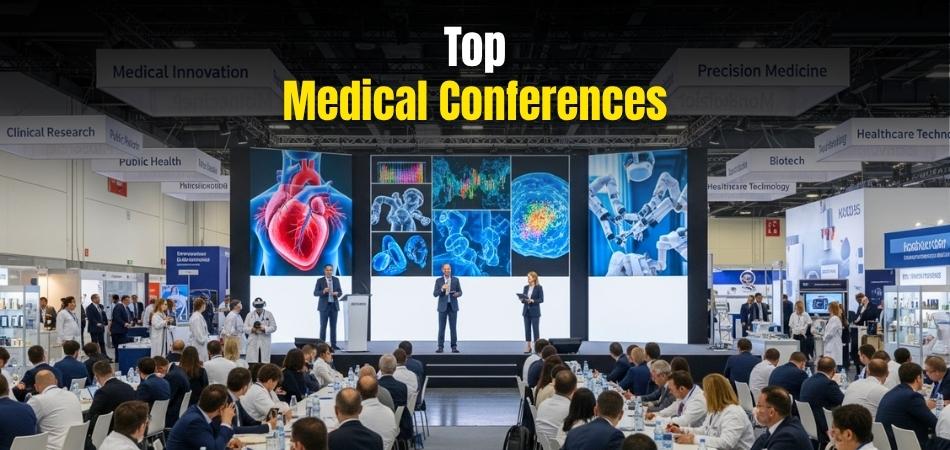
Choosing the right medical conference is not only about location or popularity. A reputable event reflects academic integrity, strong leadership, and meaningful professional value. Before investing time, effort, and budget, professionals should evaluate certain core factors that indicate credibility and long-term impact.
Organizer Credibility
A trustworthy conference is usually backed by a recognized medical association, university, hospital network, or established scientific body.
Key indicators include:
- Transparent organizing committee information
- Clear contact details and official website
- Previous successful editions
- Partnerships with academic or healthcare institutions
Established organizers are more likely to maintain ethical standards and structured programming.
Scientific Committee Strength
The scientific committee shapes the academic quality of the conference.
Look for:
- Recognized researchers and clinicians on the board
- International representation
- Clear roles such as chairpersons or advisory members
- Published academic backgrounds of committee members
A strong committee ensures balanced, relevant, and evidence-based sessions.
Peer Review Process
Serious conferences apply a structured abstract review system.
Important aspects include:
- Blind or double blind review process
- Clear evaluation criteria
- Reviewer expertise in relevant specialties
- Transparent acceptance notifications
A proper review process improves research quality and protects academic standards.
Indexing and Publication Partnerships
Reputable events often collaborate with indexed journals or conference proceedings.
Consider checking:
- Whether accepted abstracts are published
- Journal indexing in recognized databases
- DOI allocation for proceedings
- Ethical publishing policies
These partnerships increase the academic value of presenting research.
Past Speaker Profile
Previous keynote speakers can reveal the event’s reputation.
Helpful indicators include:
- Renowned clinicians or researchers
- Professors from respected universities
- Leaders of medical organizations
- Industry innovators with proven contributions
High-quality speakers usually reflect strong academic networks.
Attendance Scale and Global Reach
The diversity and size of participants also matter.
Look for:
- International attendees
- Multidisciplinary representation
- Balanced mix of researchers and practitioners
- Documented participation numbers from previous years
A broader reach encourages collaboration and knowledge exchange across borders.
Evaluating these factors helps professionals identify conferences that genuinely support learning, research visibility, and career growth. Careful assessment ensures your investment leads to meaningful academic and professional returns.
Important Deadlines You Should Not Miss This Conference Season
Timelines can determine whether your conference experience runs smoothly or becomes stressful. From research submission to travel arrangements, every stage has a deadline. Being proactive allows you to focus on learning and networking instead of scrambling at the last minute. Below are the key dates you should always monitor.

Abstract Submission Deadlines
For researchers and presenters, this is often the first major step. Conferences typically open submissions several months in advance and close them strictly on the stated date. Some events offer multiple submission rounds, while others accept only one cycle. Preparing early gives you time to refine your work and meet formatting guidelines without pressure.
Early Bird Registration
Reduced registration fees are usually available for a limited period. This phase rewards early commitment and helps attendees manage their budgets more effectively. Workshops and limited-capacity sessions may also fill quickly during this stage. Registering early often makes it easier to secure accommodation and begin visa processing with fewer complications.
Visa Application Timelines
International travel requires careful planning. Many embassies need confirmed registration documents before processing visa applications. Processing times differ by country and may take several weeks. Scheduling appointments early and preparing required documents in advance reduces the risk of delays that could interfere with your travel plans.
Scholarship and Grant Deadlines
Travel grants and academic scholarships are valuable opportunities, especially for students and early-career professionals. These applications often close before general registration deadlines. Required materials may include recommendation letters, proof of acceptance, or academic transcripts. Tracking these dates carefully increases your chances of securing financial support.
Final Registration Cutoffs
The final registration deadline is the last opportunity to confirm attendance. Fees are usually higher at this stage, and some sessions may already be full. Hotels offering conference rates may also close bookings around this time. Completing registration before the cutoff ensures smooth access to all event activities.
Practical Planning Reminder
To stay organized, maintain a simple timeline that includes submission, funding, registration, and travel milestones. Setting reminders and reviewing official conference updates regularly can prevent costly mistakes.
Meeting every deadline keeps your conference journey focused and stress-free. Careful planning not only protects your investment but also allows you to participate with confidence and peace of mind.
How to Submit Abstracts to Leading Healthcare Conferences?
Submitting an abstract is usually the first real step toward presenting your work at a respected healthcare conference. The process is not difficult, but it is strict. A clear step-by-step approach helps you avoid rejections caused by simple mistakes and improves your chances of acceptance.

Step 1: Choose the Right Topic
Start by matching your idea with the conference theme and tracks. A good topic is specific, relevant, and supported by clear outcomes.
- Review the conference call for abstracts and topic categories
- Select a question that fits current clinical or research priorities
- Focus on one main message, not multiple unrelated findings
Step 2: Read the Submission Rules Carefully
Before writing, study the guidelines so you do not waste time rewriting later.
- Check word limits, structured headings, and language requirements
- Note whether they require background, methods, results, or conclusion
- Confirm allowed figures, tables, or references, if any
Step 3: Follow Formatting Guidelines Exactly
Formatting is often used as an initial screening filter. Even strong research can be rejected for noncompliance.
- Use the required structure and section titles
- Follow font, spacing, and file format rules if provided
- Use approved abbreviations and define them on first use
Step 4: Write a Clear and Focused Abstract
Keep it simple and evidence-based. Avoid vague claims and make your results easy to understand.
- State the objective in one direct sentence
- Summarize methods without unnecessary detail
- Present key results with numbers where possible
- End with a conclusion that matches your results
Step 5: Avoid Common Mistakes
Many abstracts fail due to avoidable issues rather than weak research.
- Submitting without results when results are expected
- Overusing jargon or unclear abbreviations
- Ignoring the word limit or required structure
- Making conclusions that are not supported by data
- Typos, inconsistent data, or missing key details
Step 6: Decide Between Poster and Oral Presentation
Choose the format that fits your data and your confidence level. Some conferences also let reviewers decide.
- Poster presentations suit early findings, smaller studies, and visual summaries
- Oral presentations work best for strong results and broader relevance
- If the form asks for a preference, choose honestly based on your work
Step 7: Understand the Peer Review Process
Most leading conferences use expert reviewers to score abstracts. Knowing what they assess helps you write smarter.
- Relevance to conference theme
- Scientific quality and clarity
- Strength of methods and results
- Practical value for healthcare audiences
- Ethical compliance where applicable
Step 8: Track Acceptance Notification and Next Steps
After submission, conferences usually send a decision email within a set time window.
- Note the expected notification date on the conference site
- Watch spam folders and the submission portal updates
- If accepted, confirm registration and presentation requirements early
- Prepare slides or posters based on the event’s template rules
A strong abstract is clear, compliant, and built around real outcomes. When you follow the steps above, you reduce preventable errors and present your work with more confidence and better chances of acceptance.
Budgeting and Funding Options for Attending Global Medical Events
Planning your budget early prevents financial stress and helps you focus on learning. Understanding available funding sources can make international conference participation realistic and manageable. Start organizing your financial plan now.
- Registration Costs: Conference registration fees vary by specialty, location, and reputation. Early bird rates reduce expenses significantly. Always compare standard, member, trainee, and workshop fees before making final payment decisions.
- Travel and Accommodation Planning: Book flights and hotels early to secure lower prices. Consider conference partner hotels for discounted rates. Compare public transport, shared accommodation, and flexible booking options to reduce overall travel expenses.
- Institutional Funding: Many universities and hospitals provide professional development funds. Check with your department about annual education budgets. Approval often requires proof of abstract acceptance or a formal invitation letter.
- Research Grants: Some organizations offer travel grants linked to research presentations. These grants may cover partial or full expenses. Carefully review eligibility criteria and prepare supporting documents such as acceptance letters and budget plans.
- Sponsorship Opportunities: Professional associations, healthcare companies, and nonprofit groups sometimes sponsor delegates. Sponsorship may require visibility, reporting, or research alignment. Approach potential sponsors early with a clear proposal and documented benefits.
- Student Discounts: Students and trainees often receive reduced registration rates. Some conferences provide special scholarships or volunteer programs that waive fees. Always upload valid identification documents during the registration process.
Careful budgeting and early funding research increase your chances of attending without financial strain. A structured financial plan turns conference participation into a smart professional investment.
How Healthcare Leaders Benefit from International Medical Summits?
International medical summits are not only academic gatherings but strategic platforms for leadership growth. Healthcare executives and decision makers gain insights that shape institutional direction. Explore how leadership presence creates measurable impact.
Policy Discussions
Global summits bring together policymakers, regulators, and healthcare executives to address system-level challenges. Leaders gain early understanding of regulatory trends, reimbursement models, and public health priorities. These discussions support informed decision-making and allow institutions to prepare for upcoming policy shifts.
Industry Partnerships
Medical summits create space for collaboration between healthcare providers and industry innovators. Leaders can evaluate potential partnerships in medical technology, pharmaceuticals, and digital health solutions. Face to face engagement builds trust and opens doors to pilot programs, research collaborations, and long-term strategic agreements.
Innovation Exposure
International platforms showcase emerging technologies, clinical tools, and data-driven healthcare solutions. Leaders observe practical applications of artificial intelligence, precision medicine, and digital systems. Exposure to innovation helps organizations modernize services, improve patient outcomes, and remain competitive in evolving healthcare environments.
Collaboration Opportunities
Summits gather multidisciplinary professionals from diverse healthcare systems. Leaders can initiate cross-border research, hospital partnerships, and knowledge exchange programs. These collaborations expand institutional reach and create opportunities for joint publications, shared training initiatives, and coordinated global health projects.
Strategic Networking
Beyond formal sessions, informal interactions often create lasting professional connections. Leaders meet peers facing similar operational challenges and exchange practical solutions. Strategic networking strengthens professional influence, supports mentorship opportunities, and enhances visibility within the global healthcare community.
For healthcare leaders, international medical summits serve as platforms for vision, strategy, and collaboration. Active participation strengthens institutional growth and long-term leadership impact.
How Conference Participation Strengthens Your Academic Profile?
Participating in academic conferences goes beyond presenting research. It shapes professional identity and opens new career pathways. Discover how active involvement can strengthen your long-term academic growth.

- CV Enhancement: Presenting papers or posters adds credible academic achievements to your curriculum vitae. It demonstrates active research involvement, subject expertise, and engagement with international academic communities.
- Publication Opportunities: Many conferences publish abstracts in proceedings or partner journals. Accepted presentations may lead to full paper invitations, increasing your research visibility and academic output.
- Networking with Journal Editors: Conferences provide direct access to editors and reviewers from recognized journals. Conversations during sessions or networking events can offer guidance on manuscript preparation and submission expectations.
- Career Advancement: Academic promotions often value conference presentations and invited talks. Active participation signals commitment to scholarship, professional development, and leadership within your discipline.
- Global Recognition: International presentations build your reputation beyond local institutions. Sharing research with diverse audiences enhances credibility and establishes you as a contributor to global knowledge exchange.
- Future Research Collaborations: Meeting researchers with shared interests can lead to joint studies, grant applications, and cross-institutional projects. These collaborations often result in stronger publications and expanded research networks.
Consistent conference participation strengthens both visibility and credibility. Strategic engagement can transform single presentations into lasting academic opportunities and professional growth.
Frequently Asked Questions
Attending medical conferences can raise practical questions, especially for first-time participants. Below are clear and helpful answers to common concerns that professionals often have after reviewing conference details.
How Early Should I Start Preparing For A Medical Conference?
It is best to begin preparations at least six months before the event. Early planning allows time for abstract submission, funding applications, and travel arrangements. Starting early also reduces stress and helps you stay organized.
Can I Attend A Conference Without Presenting Research?
Yes, many professionals attend purely to learn and network. You can join sessions, workshops, and panel discussions without submitting an abstract. Attending as a participant still offers valuable learning and connection opportunities.
Are Virtual Conferences As Valuable As In Person Events?
Virtual conferences provide flexibility and lower costs for many attendees. They offer access to recorded sessions and global speakers without travel expenses. However, in-person events often create stronger networking and collaboration experiences.
How Do I Choose Sessions That Match My Interests?
Review the conference agenda carefully before attending. Select sessions that align with your specialty, career goals, or research interests. Planning your schedule in advance ensures you make the most of your time.
What Should I Bring To A Medical Conference?
Carry essential documents such as your registration confirmation and identification. Bring business cards or digital contact details for networking. A notebook or device for taking notes can also help you capture important insights.
How Can I Make Meaningful Connections At Conferences?
Introduce yourself confidently and ask thoughtful questions during sessions. Participate in workshops and networking events to engage with peers. Following up with contacts after the event helps build lasting professional relationships.
Do Conferences Offer Certificates Of Participation?
Most reputable conferences provide certificates for attendance or presentation. These certificates can support academic promotions and professional development requirements. Always check the conference website to confirm certification details.
Concluding Words
Choosing from the top medical conferences 2026 is not only about attending an event. It is about investing in your growth, expanding your network, and staying informed about global healthcare trends. Careful planning makes the experience meaningful.
From abstract submission to budgeting and networking, every step contributes to long-term professional value. Conferences connect you with mentors, collaborators, and new ideas that shape your future direction.
As you prepare your academic or professional calendar, use this guide to make confident decisions. The right conference can become a turning point in your medical journey.