
Top environmental conferences in 2026 include major global events such as the 8th Global Conference on Renewable Energy and Environmental Sustainability (GCREES) and the Global Conference on Environmental Science and Technology. These events bring together policymakers, researchers, sustainability leaders, NGOs, investors, and industry experts to address climate action, land restoration, conservation, resilience, and the transition to a more sustainable future.
This guide highlights the top 10 environmental conferences, what they focus on, and who should consider attending each one. Keep reading to find the conferences that best match your goals.
Top 10 Environmental Conferences in 2026 at a Glance
With so many events scheduled across climate policy, biodiversity, sustainability, renewable energy, and environmental research, it helps to compare the key details in one place. The table below gives a quick look at some of the top 10 environmental conferences in 2026, organized by date, conference, location, and main focus to make it easier to spot the events most relevant to your goals.
| Date | Conference | Location | Main Focus |
| June 19–21, 2026 | 8th Global Conference on Renewable Energy and Environmental Sustainability (GCREES) | Calgary, Canada | Renewable energy and environmental sustainability |
| May 19–20, 2026 | Environmental Trade Fair and Conference (ETFC) | San Antonio, Texas | Environmental compliance, training, and industry practice |
| June 2–4, 2026 | ICAO Aviation Climate Week 2026 | Montréal, Canada | Aviation decarbonization and climate action |
| June 29–30, 2026 | Hamburg Sustainability Conference 2026 | Hamburg, Germany | Global sustainability policy and collaboration |
| July 6–15, 2026 | High-level Political Forum on Sustainable Development (HLPF) 2026 | New York, United States | Sustainable development and SDG progress |
| September 18–22, 2026 | 6th ESP Europe Conference | Prague, Czechia | Ecosystem services, biodiversity, and policy |
| October 7–8, 2026 | Global Summit on Environmental Health and Sustainability | Lisbon, Portugal | Environmental health and sustainability |
| October 19–21, 2026 | Global Conference on Environmental Science and Technology | Valencia, Spain | Environmental science, research, and technology |
| October 19–30, 2026 | 2026 UN Biodiversity Conference (CBD COP17) | Yerevan, Armenia | Biodiversity policy and global conservation goals |
| November 9–20, 2026 | UN Climate Change Conference (COP31) | Antalya, Türkiye | Global climate negotiations and policy |
Top 10 Environmental Conferences in 2026 by Country
Looking at the top 10 environmental conferences in 2026 by country makes it easier to identify where the biggest conversations will take place. The list below groups each conference by country, so it is easier to scan destinations and compare the events scheduled across different regions.
Canada
- ICAO Aviation Climate Week 2026 — Montréal, Canada
- 8th Global Conference on Renewable Energy and Environmental Sustainability (GCREES) — Calgary, Canada
Germany
- Hamburg Sustainability Conference 2026 — Hamburg, Germany
United States
- High-level Political Forum on Sustainable Development (HLPF) 2026 — New York, United States
- Environmental Trade Fair and Conference (ETFC) — San Antonio, Texas
Czechia
- 6th ESP Europe Conference — Prague, Czechia
Portugal
- Global Summit on Environmental Health and Sustainability — Lisbon, Portugal
Spain
- Global Conference on Environmental Science and Technology — Valencia, Spain
Armenia
- 2026 UN Biodiversity Conference (CBD COP17) — Yerevan, Armenia
Türkiye
- UN Climate Change Conference (COP31) — Antalya, Türkiye
Top 10 Environmental Conferences in 2026 in Detail
These events cover a wide range of environmental priorities, from renewable energy and climate policy to biodiversity, public health, and sustainability leadership. The breakdown below gives a quick, engaging look at what each conference offers, who it attracts, and why it may be worth adding to your 2026 shortlist.
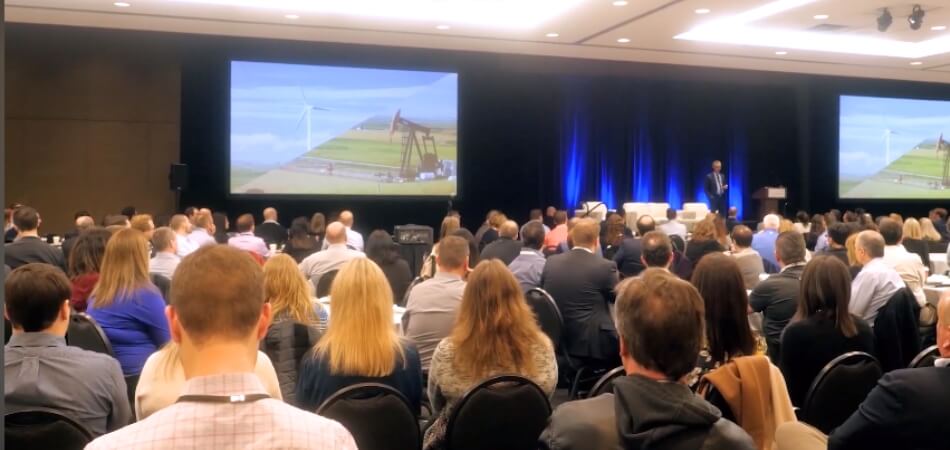
8th Global Conference on Renewable Energy and Environmental Sustainability (GCREES)
Date: June 19–21, 2026
Location: Calgary, Canada
Who’s Attending: Researchers, academics, renewable energy professionals, sustainability experts, policymakers, and industry stakeholders
Among the notable conferences in Canada in 2026, GCREES stands out for its focus on renewable energy and environmental sustainability. It offers a valuable mix of research, practical ideas, and networking opportunities, making it a strong pick for professionals looking to explore climate solutions, innovation, and long-term collaboration.
Environmental Trade Fair and Conference (ETFC)
Date: May 19–20, 2026
Location: San Antonio, Texas
Who’s Attending: Environmental professionals, regulators, consultants, engineers, compliance specialists, and industry practitioners
ETFC is a practical, industry-focused event that appeals to professionals who want usable ideas rather than broad theory. Its strength lies in hands-on learning, compliance updates, and direct conversations around real operational challenges. For attendees working in environmental management, regulation, or consulting, it offers a valuable chance to sharpen knowledge, discover solutions, and build credible professional connections.
ICAO Aviation Climate Week 2026
Date: June 2–4, 2026
Location: Montréal, Canada
Who’s Attending: Aviation leaders, regulators, policymakers, sustainability professionals, climate experts, and industry representatives
ICAO Aviation Climate Week puts the spotlight on one of the toughest parts of climate action: reducing emissions in aviation. That makes it especially relevant for people following transport policy, sustainable fuels, innovation, and long-term decarbonization strategy. Beyond the policy discussions, it also offers a useful view into how global aviation stakeholders are balancing environmental goals with industry realities.
Hamburg Sustainability Conference 2026
Date: June 29–30, 2026
Location: Hamburg, Germany
Who’s Attending: Policymakers, business leaders, sustainability experts, NGOs, investors, and development stakeholders
The Hamburg Sustainability Conference stands out for bringing policy, business, finance, and development voices into the same conversation. That mix makes it more dynamic than many single-focus events. It is a strong choice for those who want a broader view of sustainability challenges, along with meaningful networking opportunities, strategic insight, and practical discussion around global cooperation and implementation.
High-level Political Forum on Sustainable Development (HLPF) 2026
Date: July 6–15, 2026
Location: New York, United States
Who’s Attending: UN officials, policymakers, development experts, researchers, NGOs, and sustainability advocates
HLPF 2026 is one of the most important global forums for following sustainable development priorities and the progress of the SDGs. It is especially useful for professionals interested in environmental governance, multilateral policy, and international development. Attending or following this forum can give a clearer sense of where global sustainability discussions are heading and which issues are gaining traction.
6th ESP Europe Conference
Date: September 18–22, 2026
Location: Prague, Czechia
Who’s Attending: Researchers, ecologists, biodiversity experts, environmental planners, policymakers, and conservation professionals
The 6th ESP Europe Conference is a strong fit for those working on ecosystem services, biodiversity, and nature-based policy. It offers a more specialized environment than broader sustainability events, which makes the discussions feel more focused and useful. For attendees interested in conservation planning, environmental science, and practical policy links, it creates real opportunities for exchange and collaboration.
Global Summit on Environmental Health and Sustainability
Date: October 7–8, 2026
Location: Lisbon, Portugal
Who’s Attending: Public health experts, sustainability professionals, researchers, policymakers, and environmental scientists
This summit brings together two closely connected priorities: environmental sustainability and human health. That makes it especially timely as climate impacts, pollution, and urban pressures continue to shape public health outcomes. It is a valuable event for those who want to explore research, policy responses, and practical solutions while connecting with people working across both environmental and health-related fields.
Global Conference on Environmental Science and Technology
Date: October 19–21, 2026
Location: Valencia, Spain
Who’s Attending: Environmental scientists, researchers, academics, engineers, technology experts, and sustainability professionals
This conference is well-suited to attendees who want to stay close to the research and innovation side of environmental progress. It creates room for scientific exchange, technical discussion, and emerging ideas that may shape future solutions. For researchers, engineers, and sustainability professionals, it can be a useful space to learn, present work, and build new academic or industry connections.
2026 UN Biodiversity Conference (CBD COP17)
Date: October 19–30, 2026
Location: Yerevan, Armenia
Who’s Attending: Government representatives, biodiversity experts, conservation leaders, researchers, NGOs, and international organizations
CBD COP17 is one of the most important global biodiversity gatherings of 2026, with a strong focus on conservation targets, ecosystem protection, and international policy direction. It is particularly relevant for those following nature frameworks and global environmental commitments. The event also creates valuable space for advocacy, collaboration, and deeper discussion around how biodiversity goals can move into action.
UN Climate Change Conference (COP31)
Date: November 9–20, 2026
Location: Antalya, Türkiye
Who’s Attending: Government delegates, climate negotiators, NGOs, researchers, business leaders, activists, and media
COP31 is likely to be the most closely watched environmental conference of the year because it shapes the direction of global climate negotiations and future commitments. It draws a wide mix of political, scientific, and civil society voices, which gives it unmatched visibility. For many attendees, its biggest value lies in policy insight, networking reach, and global influence.
Conference Costs and Budget Planning for 2026
Planning ahead makes it much easier to get real value from the top 10 environmental conferences in 2026. Total cost can vary widely depending on the conference type, host city, travel distance, and whether you attend as a speaker, student, delegate, or exhibitor.

What Does It Cost to Attend an Environmental Conference in 2026?
For most attendees, the total budget usually includes:
- Registration fees
- Flights or other travel
- Hotel or accommodation
- Local transport
- Meals and daily expenses
- Visa fees, if required
- Optional workshop, expo, or networking event costs
Estimated Conference Cost Breakdown for 2026
| Cost Category | Typical Range | Notes |
| Registration | Free to $1,500+ | UN-led forums may be free or invitation-based, while premium summits can be expensive |
| Flights | $150 to $1,500+ | Depends on distance, season, and booking time |
| Hotel | $60 to $350+ per night | Major global cities usually cost more |
| Local Transport | $20 to $150 | Covers airport transfers, metro, taxis, or rideshare |
| Meals | $20 to $80 per day | Varies by city and event inclusions |
| Visa and Travel Documents | $30 to $250+ | Depends on nationality and destination |
| Extra Event Costs | $0 to $500+ | Workshops, gala dinners, exhibitor access, or paid side events |
How Much Should You Budget?
A realistic budget for an environmental conference in 2026 often looks like this:
- Budget trip: $300 to $900
- Mid-range trip: $1,000 to $2,500
- High-cost international trip: $2,500 to $5,000+
Conference Budget by Attendance Style
| Attendance Style | Estimated Total Budget | Best For |
| Local or regional attendee | $300 to $900 | Nearby events with low travel and short stays |
| Mid-range international attendee | $1,000 to $2,500 | Professionals attending 2–4 day conferences abroad |
| Premium global summit attendee | $2,500 to $5,000+ | Long-haul travel, expensive cities, and major flagship events |
What Affects Conference Costs the Most?
The biggest factors usually are:
- Location: Conferences in cities like New York, Hamburg, Montréal, or Lisbon often cost more than smaller destinations
- Conference type: Policy summits, global forums, and flagship climate events often come with higher travel and accommodation pressure
- Booking time: Early booking usually lowers flight and hotel costs
- Length of stay: A 2-day event costs far less than a 10-day forum
- Participation type: Speakers, students, and researchers may access discounted rates
- Travel season: Peak travel dates can raise airfare and room prices quickly
Typical Registration Cost by Conference Type
| Conference Type | Typical Registration Pattern |
| UN or intergovernmental forums | Often free, restricted, accredited, or invitation-based |
| Academic conferences | Usually paid, with different rates for students, speakers, and general attendees |
| Professional sustainability events | Mid-range to premium pricing |
| Industry expos and trade fairs | Often tiered pricing with expo-only and full-access passes |
Call for Papers, Abstract Deadlines, and Speaking Opportunities
Many of the top 10 environmental conferences in 2026 invite researchers, academics, and professionals through their call for papers. Depending on the event, you may be able to submit a paper, present a poster, join a panel, lead a workshop, or take part as a speaker, exhibitor, or partner.
Who Should Look for Call for Papers?
Call for papers is most useful for:
- Researchers and academics
- PhD students and early-career scholars
- Environmental consultants
- Policy professionals
- NGO experts
- Sustainability practitioners with case studies or applied insights
Which Environmental Conferences Usually Accept Papers or Abstracts?
Environmental conferences usually fall into three broad participation types:
| Conference Type | What They Usually Accept | Best For |
| Academic and research conferences | Abstracts, full papers, posters, technical presentations | Researchers, faculty, students |
| Interdisciplinary sustainability conferences | Abstracts, panels, workshops, case studies | Academics, consultants, practitioners |
| Policy-led and global forums | Panels, side events, accredited participation, partnerships | NGOs, institutions, policy professionals |
What Can You Usually Submit?
Depending on the conference, common submission options include:
- Research abstract
- Full paper
- Poster presentation
- Technical presentation
- Case study
- Panel proposal
- Workshop proposal
- Side event concept
- Speaker application
- Exhibitor or sponsor inquiry
When Do Call for Papers Usually Open?
Most conferences open submissions several months before the event.
| Timeline Before Event | What Usually Happens |
| 6 to 9 months before | Call for papers opens |
| 4 to 6 months before | Abstract deadlines become active |
| 2 to 4 months before | Acceptance notices are often sent |
| 1 to 3 months before | Final papers, slides, or presenter registration may be due |
Visa Application and Preparation Guide for International Attendees
For international attendees, visa planning can be just as important as choosing the right conference. Even if registration is open and travel looks manageable, visa timelines, document requirements, and embassy processing can affect whether the trip is realistic, so it is worth preparing well in advance. Follow these tips and guidelines for the environmental conferences.

- Check Visa Requirements As Early As Possible: Start by confirming whether the conference destination requires a visa for your nationality, what type of visa applies, and whether the process is online, embassy-based, or handled through a visa center.
- Use Official Sources Only: Always verify requirements through the destination country’s embassy, consulate, immigration portal, or official visa website. Conference pages may offer guidance, but official government instructions should be the final reference.
- Request An Invitation Letter After Registration: Many international conferences provide an invitation letter once you complete registration or pay the required fee. This letter can support your visa file by confirming the event name, date, location, and your reason for attending.
The invitation letter is especially useful for attendees traveling for professional, academic, research, or policy purposes. It does not guarantee visa approval, but it can strengthen the application by showing that the conference is real, scheduled, and relevant to your background.
Documents You May Need
Requirements vary by country, but international attendees are often asked to prepare:
- A valid passport with enough remaining validity
- Completed visa application form
- Conference registration confirmation
- Invitation letter from the conference organizer
- Hotel booking or accommodation proof
- Round-trip or onward flight booking
- Proof of funds or bank statements
- Employment letter, student letter, or business proof
- Travel insurance, if required
- Passport-size photographs
- Visa fee payment receipt
Before You Apply
A strong visa application usually depends on accuracy, timing, and consistency. Before submitting:
- Make sure your passport details match your registration
- Check whether your name, employer, and purpose of travel are consistent across all documents
- Review photo size, file format, and translation rules
- Confirm whether you need biometrics or an interview
- Leave enough time in case the embassy requests extra documents
Timing Matters
Some visas are processed quickly, while others can take several weeks or longer. Conference attendees should avoid waiting until the final month, especially for high-demand destinations or busy travel seasons.
A practical timeline often looks like this:
- 2–4 months before travel: check visa rules and document list
- 6–10 weeks before travel: request invitation letter and prepare paperwork
- 4–8 weeks before travel: submit the visa application
- 2–3 weeks before travel: confirm approval status, travel bookings, and document copies
Frequently Asked Questions
Even after comparing dates, locations, costs, and participation options, a few practical questions usually remain before choosing the right event. The FAQs below answer some of the most common concerns around the top 10 environmental conferences in 2026.
Are Environmental Conferences In 2026 Only For Researchers And Policymakers?
Not at all. Many environmental conferences also attract business leaders, startup founders, consultants, NGO teams, students, investors, engineers, and sustainability professionals. Some events are highly policy-driven, while others are better for networking, training, partnerships, or industry exposure, so the right fit depends more on your goals than your job title.
What Is The Difference Between A Global Summit And A Specialized Environmental Conference?
A global summit usually covers broader issues such as climate policy, sustainability goals, or international cooperation, often with a wider mix of delegates and more visibility. A specialized conference tends to focus on one area, such as biodiversity, renewable energy, environmental health, or ecosystem services, which can make it more useful for deeper learning and targeted networking.
Is It Better To Attend A Large Flagship Event Or A Smaller Niche Conference?
That depends on what you want from the experience. Large flagship events often offer stronger visibility, bigger networking circles, and wider policy or industry exposure. Smaller niche conferences usually make it easier to have focused conversations, build closer professional connections, and spend more time on topics directly related to your field.
How Can You Tell Whether An Environmental Conference Is Credible?
A credible conference usually has a clear organizer profile, a professional event website, named speakers or participating institutions, a detailed agenda, and transparent registration information. It also helps when the event has a known history, recognized partners, or links to respected organizations, universities, industry groups, or international institutions.
Do You Need To Attend The Full Conference To Get Value From It?
Not always. Some attendees get strong value from attending only the most relevant days, especially when the agenda includes clear topic tracks, workshops, or side events. A shorter visit can still be worthwhile if your goal is focused networking, one specific session theme, or a limited set of meetings rather than the full conference experience.
What Makes One Environmental Conference More Useful Than Another?
The most useful conference is usually the one that matches your purpose most closely. A strong fit often comes down to audience quality, topic relevance, networking potential, practical outcomes, and whether the event helps you learn something valuable, present your work, meet collaborators, or open up future opportunities.
Bottom Line
Environmental priorities in 2026 span everything from climate negotiations and biodiversity action to renewable energy, sustainability strategy, and applied environmental practice. That is why the right event is not always the biggest one, but the one that best matches your goals, budget, and the kind of opportunities you want to gain from attending.
Whether you are looking for policy insight, research exposure, business connections, or practical learning, this list of the top 10 environmental conferences in 2026 offers a strong starting point for planning the year ahead. With the right preparation, the best conference can become more than just a date on the calendar and turn into a valuable step for learning, collaboration, and long-term growth.