Technology events, where researchers, developers, and innovators come together to exchange ideas and investigate new technologies, are becoming more and more common in Australia. From artificial intelligence to cybersecurity and cloud computing, these events help professionals learn from experts and build valuable industry connections.
If you are searching for the top 8 computer science conferences in Australia 2026, this guide highlights events worth attending. For example, the 95th Global Conference on Information Technology and Computer Science (GCITCS) and the Sydney AI Engineering and Infrastructure Summit bring together experts discussing modern computing and AI systems. Continue reading to explore the full list and discover the best conferences for your interests.
Top 8 Computer Science Conferences in Australia 2026
Below is a concise snapshot of the top upcoming tech events in Australia for 2026. Use this table to quickly compare dates, locations, and each conference’s core specialty before exploring the detailed descriptions above.
| Date | Conference Name | Location | Specialty |
| September 25 to 27, 2026 | 95th Global Conference on Information Technology and Computer Science (GCITCS) | Sydney, Australia | IT innovation, computer science research, digital transformation |
| October 22, 2026 | Sydney Data Protection and Security Summit 2026 | The Fullerton Hotel Sydney | Data protection, cybersecurity, regulatory compliance |
| September 25 to 27, 2026 | 95th Global Conference on Cyber Security and Cloud Engineering (GCCSCE) | Sydney, Australia | Cloud security, cyber defense, secure system architecture |
| August 30 to 31, 2026 | International Conference on Computer Sciences, Softwares and Applications | Sydney, Australia | Applied CS research, software engineering, systems design |
| September 25 to 27, 2026 | 80th Global Conference on Machine Learning and Artificial Intelligence (GCMLAI) | Sydney, Australia | Machine learning, AI research, intelligent applications |
| September 24 to 25, 2026 | International Conference on Computer Science and Intelligence Systems | Sydney, Australia | Intelligent systems, computational intelligence, smart technologies |
| October 7, 2026 | Sydney AI Engineering and Infrastructure Summit | Doltone House Hyde Park, Sydney | AI infrastructure, ML deployment, engineering workflows |
| December 2 to 3, 2026 | International Conference on Computer Science and Information Engineering | Sydney, Australia | Information engineering, computing systems, emerging technologies |
The table above offers a quick snapshot of the key computer science conferences happening across Australia in 2026. For deeper insights into each event, including discussion topics, expected speakers, and who should attend, explore the detailed descriptions provided below.
1. 95th Global Conference on Information Technology and Computer Science (GCITCS)
- Dates: September 25 to 27, 2026 (Main conference day September 26)
- Location: Sydney, Australia
- Focus: Information technology innovation, computer science research, digital transformation
- Best for: Researchers, software engineers, academics, IT professionals
Global Conference on Information Technology and Computer Science offers a structured space for academic researchers, IT practitioners, and engineers to present new studies and discuss advancements in computing. Attendees can expect talks from university faculty, senior developers, and technology strategists. Sessions explore software engineering methods, AI adoption, and digital systems research, making it one of the most relevant conferences in Australia for academic and industry collaboration.
2. Sydney Data Protection & Security Summit 2026
- Date: October 22, 2026
- Location: The Fullerton Hotel Sydney
- Focus: Data privacy, cybersecurity practices, regulatory compliance
- Best for: Security specialists, compliance officers, IT managers, risk teams
To address the growing need for data governance and threat mitigation, the summit brings together experts in cybersecurity and law. Participants hear from security consultants, regulatory advisors, and technology leaders discussing privacy laws, breach handling, and organizational security strategy. Case-based sessions help attendees understand real-life risk scenarios and prepare stronger data protection frameworks.
3. 95th Global Conference on Cyber Security and Cloud Engineering (GCCSCE)
- Dates: September 25 to 27, 2026 (Main conference day September 26)
- Location: Sydney, Australia
- Focus: Cyber defense, cloud security, secure architectures
- Best for: Cloud engineers, cybersecurity researchers, DevOps professionals
Global Conference on Cyber Security and Cloud Engineering creates a focused environment for specialists working at the intersection of cloud computing and cybersecurity. Presenters often include cloud architects, cyber defense analysts, and academic researchers. Here, topics cover threat detection in cloud systems, secure deployment methods, and resilience strategies. Attendees gain a deeper understanding of safeguarding critical cloud infrastructure.
4. International Conference on Computer Sciences, Softwares and Applications
- Dates: August 30 to 31, 2026
- Location: Sydney, Australia
- Focus: Applied computer science, software engineering, system design
- Best for: Developers, researchers, graduate students
The conference centers on practical and research-oriented software development topics. Speakers typically include computing researchers and industry engineers presenting advancements in algorithms, architectures, and software tools. Discussions encourage participants to connect academic findings with real implementation challenges, supporting both learning and collaboration across development disciplines.
5. 80th Global Conference on Machine Learning and Artificial Intelligence (GCMLAI)
- Dates: September 25 to 27, 2026 (Main conference day September 26)
- Location: Sydney, Australia
- Focus: Machine learning research, AI systems, intelligent applications
- Best for: AI researchers, data scientists, engineers, academics
Global Conference on Machine Learning and Artificial Intelligence highlights scientific progress in artificial intelligence and machine learning. Researchers and industry experts present work on neural networks, language models, and applied AI solutions. Discussions examine both theoretical advancements and practical deployment. Attendees join to stay current with emerging research and understand how AI methods are evolving across industries.
6. International Conference on Computer Science and Intelligence Systems
- Dates: September 24 to 25, 2026
- Location: Sydney, Australia
- Focus: Computational intelligence, intelligent systems, smart technologies
- Best for: Data analysts, AI researchers, technology innovators
Professionals investigating sophisticated computational techniques and intelligent automation come together for the event. Academic speakers and technology practitioners present research on decision systems, machine learning applications, and intelligent data processing. Sessions help attendees understand how smart technologies shape sectors, including finance, healthcare, and urban infrastructure while encouraging collaboration on next-generation systems.
7. Sydney AI Engineering and Infrastructure Summit
- Date: October 7, 2026
- Location: Doltone House Hyde Park, Sydney
- Focus: AI infrastructure, engineering workflows, ML deployment
- Best for: AI engineers, ML engineers, platform architects
The summit focuses on the engineering challenges behind operational AI. Talks from platform architects, ML engineers, and infrastructure specialists cover deployment pipelines, scaling strategies, and performance monitoring. Attendees gain practical perspectives on building production-ready AI systems and maintaining reliable machine learning environments in modern organizations.
8. International Conference on Computer Science and Information Engineering
- Dates: December 2 to 3, 2026
- Location: Sydney, Australia
- Focus: Information engineering, modern computing systems, emerging technologies
- Best for: System engineers, researchers, academic professionals
Researchers and engineers gather at this conference to discuss advancements in computing and information engineering. Participants engage with technical paper sessions, system architecture discussions, and collaborative forums. Common topics include data systems, network structures, and computational frameworks. It suits professionals looking to share research and understand emerging computing methods.
Who Can Attend Technology Conferences in Australia? (Eligibility & Requirements)
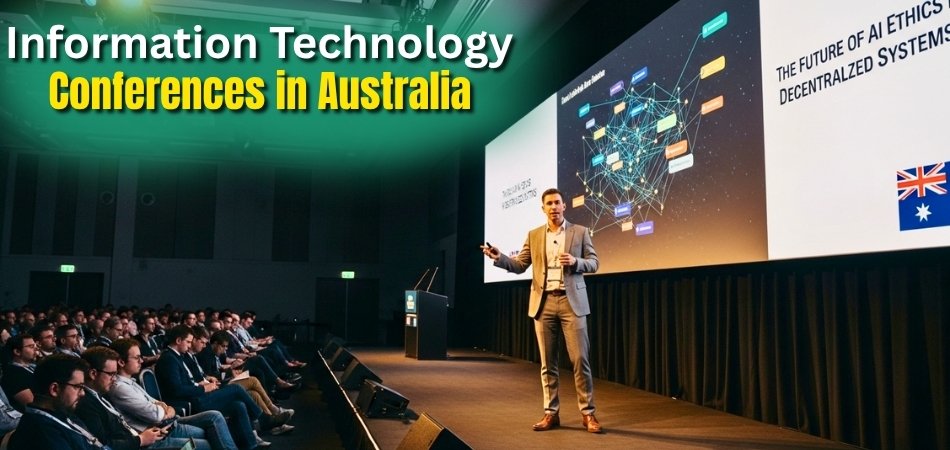
Technology conferences in Australia are open to professionals, researchers, students, startup founders, and technology enthusiasts. Most events allow anyone interested in technology or innovation to attend after completing registration. Below is a quick overview of typical attendee categories and eligibility requirements.
Quick Overview of Eligible Attendees
| Attendee Type | Who They Are | Why They Attend |
| Researchers & Academics | Professors, scholars, and university researchers | Present research papers, collaborate on studies, and explore emerging technologies |
| Software Developers & Engineers | Developers, programmers, and system engineers | Learn new tools, frameworks, and industry practices |
| Data Scientists & AI Professionals | ML engineers, AI researchers, data analysts | Discover the latest AI research, algorithms, and practical applications |
| Tech Entrepreneurs & Startups | Founders, startup teams, innovation leaders | Network with investors, partners, and explore new opportunities |
| Students & Early Career Professionals | Undergraduate, graduate students, junior professionals | Gain exposure, learn from experts, and explore career paths |
| IT Managers & Business Leaders | CTOs, tech leads, digital transformation leaders | Understand industry trends and technology strategies |
Common Eligibility Requirements
Although most technology conferences in Australia are open to global participants, certain requirements may apply depending on the event type.
- Conference Registration: Participants must register through the official conference website and purchase an attendee pass or ticket.
- Paper Submission (For Speakers): Researchers or academics who want to present must submit a research paper or abstract for review before the conference.
- Professional or Academic Interest: Many conferences encourage attendees who are actively working or studying in technology-related fields such as computer science, artificial intelligence, cybersecurity, or software engineering.
- Valid Travel Documents: International attendees must hold a valid passport and may need a Canadian visitor visa or travel authorization.
- Student Verification (If Applicable): Students applying for discounted tickets often need to provide a valid student ID or institutional verification.
Additional Participation Opportunities
Technology conferences in Australia also offer multiple ways to participate beyond attending sessions.
- Speaker or Presenter: Experts and researchers can present their work through keynote talks, technical sessions, or panel discussions.
- Workshop Participant: Many conferences organize hands-on workshops focused on programming tools, AI frameworks, or cybersecurity techniques.
- Exhibitor or Sponsor: Companies can showcase products, recruit talent, and connect with industry leaders.
- Volunteer Programs: Students and early-career professionals sometimes join as volunteers to gain access and experience.
Best Way to Identify Legit Cloud Conferences in Australia (Before You Register)
Identifying legit cloud conferences in Australia requires checking the organizer’s credibility, speaker profiles, agenda quality, and industry partnerships. Use the practical verification steps below before registering for any cloud computing event.
Confirm the Organizer’s Credibility
Start by identifying who organizes the conference. Legit cloud conferences in Australia are usually hosted by recognized tech organizations, research institutions, universities, or established conference networks. Search the organizer’s name online to check previous events, partnerships, and professional presence.
Analyze the Conference Website Structure
A reliable conference website clearly shows the event agenda, speakers, venue details, registration information, and contact pages. Poorly structured sites with limited information, missing schedules, or unclear event goals often indicate low credibility or poorly managed conferences.
Evaluate the Technical Depth of Topics
Legitimate cloud conferences focus on real industry topics such as cloud architecture, Kubernetes, DevOps pipelines, serverless computing, cloud security, and infrastructure automation. If the agenda contains vague topics without technical relevance, the event may lack industry value.
Check the Speaker Verification Signal
Search the listed speakers on professional platforms such as LinkedIn or institutional websites. Authentic conferences invite professionals from cloud platforms, tech companies, or research labs. Verified expertise signals a legitimate and knowledge-driven event.
Review Past Editions and Event Footprint
Most credible conferences publish information about previous editions. Look for past event photos, recorded talks, published papers, or attendee testimonials. Consistent conference history indicates stability and increases the likelihood of a well-organized event.
Validate Industry Partnerships and Community Signals
Sponsors, technology partners, and community collaborations often reveal conference legitimacy. Partnerships with cloud providers, developer communities, research labs, or technology companies show that the event is recognized within the industry ecosystem.
Compare With Recognized Cloud Conference Listings
Cross-check the event on major conference directories, tech communities, or academic listings. If a cloud conference appears in multiple reputable listings or event platforms, it increases the probability that the conference is legitimate.
Is Attending Computer Science Conferences in Australia Costly?
Attending computer science conferences in Australia can involve moderate to high costs depending on registration, travel, and accommodation. Expenses vary by conference size and location, so understanding typical costs helps attendees plan effectively.
Initial Cost Overview
| Expense Category | Typical Cost Range | What It Covers |
| Conference Registration | $150 to $800 | Access to keynote sessions, technical talks, workshops, and networking |
| Travel Expenses | $400 to $1,500 | Flights, interstate travel, or local transportation |
| Accommodation | $80 to $250 per night | Hotels, hostels, or short-term rentals near the venue |
| Meals and Daily Expenses | $30 to $80 per day | Food, local commuting, and small daily needs |
| Visa and Documentation | $100 to $200 | Visa processing and travel authorization for international attendees |
Typical Total Budget
Most participants attending computer science conferences in Australia spend approximately $700 to $2,500 in total. The exact amount depends on travel distance, hotel choice, and whether the conference is a large international event or a smaller academic gathering.
Key Factors That Affect the Cost
Several factors determine how expensive a conference experience becomes. Registration fees vary widely depending on the reputation and scale of the event. Travel distance, accommodation choices, and participation type also significantly influence the overall cost. The details are as follows:
- Conference Size and Reputation: Large international computer science conferences generally charge higher registration fees because they host well-known keynote speakers, global attendees, and extensive technical programs.
- Conference Location: Events hosted in major Australian cities such as Sydney, Melbourne, or Brisbane, often involve higher accommodation and transportation costs compared to smaller cities.
- Registration Timing: Early bird registration periods typically offer discounted conference fees. Registering months in advance can significantly reduce the total participation cost.
- Participation Role: Speakers, paper presenters, and volunteers sometimes receive reduced registration fees or complimentary access depending on the conference policies.
Ways to Manage Conference Expenses
Planning ahead helps attendees control costs while still gaining the full benefits of conference participation. Strategic decisions related to registration timing, travel planning, and accommodation choices can significantly reduce the overall expense. The information is as follows:
- Register Early: Early bird registration discounts can reduce conference fees by 20 to 40 percent compared to last-minute bookings.
- Use Student Discounts: Many computer science conferences offer special discounted tickets for students and early career researchers.
- Apply for Travel Grants: Academic institutions, conference organizers, and research groups often provide funding support for students or presenters.
- Choose Budget Accommodation: Staying in hostels, university housing, or shared rentals with colleagues can lower accommodation expenses.
Travel and Hotel Tips for the Australia Computer Science Conference (2026)
Planning ahead for travel and lodging makes it easier to attend a computer science conference in Australia. Choosing the right hotel location and transport options helps you save time and stay focused on sessions and networking. The tips below highlight the most practical choices.

Best Areas to Stay (Quick Picks)
- Sydney CBD / Darling Harbour: Central, walkable, and close to many major conference venues, restaurants, and networking spaces.
- Melbourne CBD / Southbank: Convenient for conferences near the Melbourne Convention and Exhibition Centre, with excellent tram and train access.
- Brisbane South Bank: Popular for events at the Brisbane Convention and Exhibition Centre, offering scenic surroundings and easy access to hotels.
- Perth CBD: A good choice for proximity to business districts, conference venues, and reliable public transport.
- Adelaide City Centre: Compact and easy to navigate, allowing quick travel between hotels, conference venues, and dining areas.
Choosing the Right Hotel (Simple Rules)
- Stay within 10 to 20 minutes of the venue by walking or public transport to avoid morning delays.
- Choose hotels near networking areas if the conference includes evening meetups or social events.
- Look for hotels with common spaces such as lounges or lobby seating where informal meetings can happen.
- Prioritize convenience if sessions start early in the morning.
Getting Around Australian Conference Cities
- Walking: Central districts such as Sydney CBD and Melbourne CBD are pedestrian-friendly and convenient for short distances.
- Train or Metro: Fast and reliable for traveling between hotels, conference venues, and major city areas.
- Tram (Melbourne): A popular transport option that connects the central business district with major conference locations.
- Taxi or Rideshare: Helpful for late evening networking events or when carrying luggage and conference materials.
Airport to City Travel (Common Options)
- Airport Train or Metro: The fastest public transport option from airports to city centers in cities like Sydney and Brisbane.
- Airport Shuttle Services: Shared transport connecting airports with central hotels and conference districts.
- Taxi or Rideshare: A convenient door-to-door option, especially after long flights or when traveling with luggage.
Quick Travel Tips for Conference Attendees
- Book accommodation early because hotels near conference venues fill quickly during major events.
- Choose hotels near public transport stations to simplify commuting to conference venues.
- Check flexible cancellation policies in case conference schedules or travel plans change.
Frequently Asked Questions
When looking for computer science events, a lot of readers frequently have extra inquiries about preparation, enrollment, and involvement. The FAQs below address common queries related to computer science conferences in Australia, helping you better prepare for attendance, networking, and professional learning opportunities.
What Are the Benefits of Attending Computer Science Conferences?
Computer science conferences help professionals and researchers stay updated with new technologies, research trends, and industry developments. They also create opportunities to connect with experts, collaborate on projects, learn new tools, and discover career or research opportunities in the technology sector.
How Can You Find Upcoming Computer Science Conferences in Australia?
Upcoming conferences can be found through conference directories, university event pages, technology communities, and professional networking platforms. Many organizations also publish annual conference schedules, allowing participants to plan ahead and register early for major events.
What Should You Bring to a Computer Science Conference?
Attendees usually bring essentials such as a laptop, notebook, business cards, and chargers. It is also useful to prepare a short professional introduction because networking sessions often involve quick discussions with researchers, developers, and industry leaders.
How Do Speakers Get Selected for Technology Conferences?
Most conferences select speakers through a call for papers or presentation proposals. Researchers and professionals submit abstracts or research papers, which are reviewed by an academic or technical committee before being accepted for presentations or panel discussions.
When Is the Best Time to Register for Technology Conferences?
The best time to register is during the early bird registration period, which usually opens several months before the event. Early registration often offers discounted prices and ensures access before limited seats fill up.
What Networking Opportunities Are Available at Tech Conferences?
Technology conferences usually include networking sessions, panel discussions, workshops, and informal meetups. These activities allow participants to connect with industry experts, researchers, and potential collaborators while exchanging ideas and career opportunities.
Why Do Many Conferences Include Workshops and Tutorials?
Workshops and tutorials provide hands-on learning experiences beyond standard presentations. They allow attendees to explore practical tools, programming techniques, and technical frameworks while gaining guidance directly from experts leading the sessions.
Which Skills Can You Improve by Attending Computer Science Conferences?
Participants often improve technical knowledge, research presentation skills, problem-solving abilities, and professional communication. Conferences also help attendees understand industry trends and expand their professional network within the global technology community.
Conclusion
Australia will host several important technology events in 2026 that bring together researchers, developers, and industry leaders from around the world. These conferences cover key topics such as artificial intelligence, cybersecurity, cloud engineering, and modern software development, helping attendees stay updated with current innovations.
The top 8 computer science conferences in Australia 2026 offer valuable opportunities to present research, learn from experts, and build strong professional networks. With proper planning for registration, travel, and accommodation, participants can fully benefit from these events and gain insights that support their career and research growth.