The interview room door closes. You answer the questions, hand over documents, and walk out with mixed feelings. At first, there is relief. Then comes the silence. Days pass. Your email stays quiet. The online status does not change. That waiting period makes many applicants anxious, especially when travel plans or conference dates are close. At this point, one question keeps coming back again and again: how long does it take to get Canada visa after interview?
There is no fixed “X days after interview” rule for Canada visas. The interview is just one step. What matters most is your overall IRCC processing time for that visa type and the visa office handling your file. After an interview, results can take days to months if extra checks, documents, or medical exams are needed.
Are you curious about what affects waiting time after the interview and what happens next behind the scenes? This article explains timelines, delays, status checks, and next steps in clear detail. Reading ahead will help you stay prepared and informed.
How Long Does it Take to Get Canada Visa After Interview?
Getting a Canada visa after an interview does not follow a fixed timeline. The interview is only one step in the full decision process. Processing time depends on visa type and the office handling your case. Read below to understand what usually happens after the interview.

Visitor Visa (TRV)
Typical wait after the interview: often a few days to a few weeks, but it can be longer if they ask for extra steps.
Why: IRCC may ask you to do an interview, send more info, do a medical exam, or provide a police certificate. They also say most visitor visa applications are processed in a few weeks or less, but it depends on the visa office and extra steps.
What you’ll see next (online applications): you usually get a decision letter, and if approved, a letter with instructions to submit your passport so they can put the visa in it.
Study Permit
Typical wait after the interview: commonly a few weeks, but it depends heavily on your country and whether they need more checks.
IRCC says they may ask you to attend an interview or send more information, and they won’t process your study permit until your application is complete. They also confirm that processing times vary by application type and where it’s processed, and you should check the official processing-time tool.
Extra note: some study permit files are chosen for a quality assurance review, which can include an interview to verify documents and application details.
Work Permit
Typical wait after the interview: often a few weeks, but it can be longer if a medical or extra checks are needed.
IRCC says they may ask you to go to an interview or send more information or documents. They also warn that a medical exam can add over 3 months to processing time. Processing times also vary by application type and where you applied.
If you applied inside Canada and you’re approved: IRCC says you should get the physical work permit within 6 weeks of the decision letter.
Permanent Residence interviews (if you have one)
Typical wait after the interview: can be same day to several months, depending on the program and what checks are still pending.
IRCC notes that an interview may be required and they’ll inform you in writing if it is. For PR in general, IRCC’s posted processing time is an estimate and can change based on workload and case complexity.
After your interview, the waiting time can feel long, especially if you applied for a visitor visa to attend conferences in Canada, since officers may take extra time to review your travel purpose, documents, and background checks before making a final decision.
Is There a Fixed IRCC Timeline After the Interview?
There is no fixed or guaranteed timeline from IRCC after an interview. The time it takes to get a final decision depends on your own case. Things like how detailed your file is, which visa office is handling it, and what type of application you submitted all matter.

Some people hear back very quickly after the interview, sometimes even the same day. Others may need to wait longer. This usually happens when the officer needs more time to review documents, check background details, or confirm information shared during the interview.
It is also normal for IRCC timelines to vary from one person to another. Two applicants with similar cases can still have very different waiting times. This does not always mean something is wrong with your application.
Here is what to know about post-interview timelines:
- There is no universal or official deadline given by IRCC after an interview
- Decisions can take anywhere from a few weeks to several months
- Citizenship interviews often take about 2 to 4 months before an oath ceremony invite
- For spousal or PR interviews, some decisions are made quickly, but many take extra time
- Delays are common if more checks or reviews are needed
After your interview, the best step is to stay patient and keep checking your online account for updates. Make sure IRCC has your correct contact details and respond quickly if they ask for more information. Waiting can be stressful, but a longer timeline does not always mean a negative result.
Why Do Some People Get a Canadian Visa Faster Than Others?
Canadian visa processing times differ because each application follows a different path. Some people receive decisions quickly, while others wait longer without clear reasons. These differences are usually linked to documents, checks, volume, and application details. Below, you will find clear reasons that explain visa processing speed.

Application Completeness And Accuracy
Files that include all required forms and correct documents move faster. Officers do not need to pause and ask questions. Missing papers, wrong photos, or unpaid fees slow reviews. Even small mistakes can push an application back into the waiting line. Careful checks before submission often save weeks of waiting time.
Method Of Application
Digital submissions usually move faster because officers receive them instantly. Paper files must be mailed, opened, and scanned first. This adds time before review even begins. Online systems also reduce data entry errors, helping officers focus on decisions instead of corrections. This difference alone can shorten waits for many applicants.
Country Of Citizenship Or Residence
Processing speed can change based on where an applicant lives or holds citizenship. Some visa offices handle very high volumes daily. Others must complete extra checks due to regional rules. Office workload, staffing levels, and local review steps all affect how fast files move. These factors are outside the applicant’s control.
Type Of Visa And Demand
Different visa categories are not reviewed at the same pace. Processing time can change based on the type of visa you applied, as some visa categories are reviewed faster than others. Study, visitor, work, and permanent residence files follow separate queues. High demand periods can also slow popular categories.
Background Checks And Biometrics
Some applications need deeper background reviews, which take more time. These checks help confirm identity and travel history. Biometrics must be submitted before processing fully starts. Delays in booking or attending biometrics appointments can pause progress, even when the application itself looks complete. Quick action here often prevents avoidable waiting.
Faster visa decisions usually come from simple, complete, and well prepared files. Delays do not always signal problems, but reflect checks and workload. Understanding these factors helps set realistic expectations during waiting periods. Reading the sections above can help you plan and stay prepared.
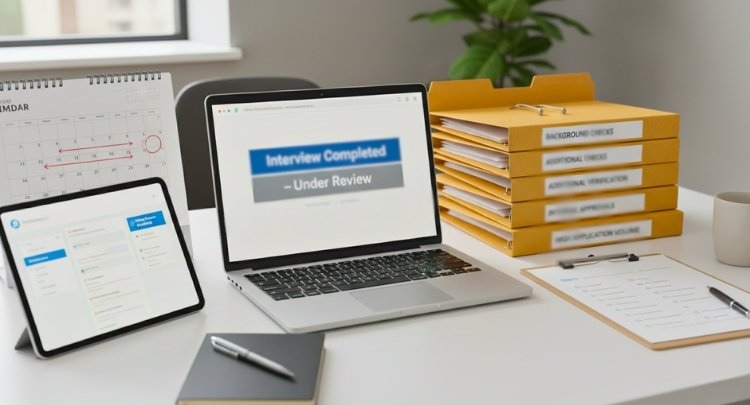
Top Reasons for Delay Canadian Visa After the Interview
After a Canadian visa interview, some applications move slowly without clear updates. This waiting period often feels confusing and stressful. Understanding the main delay reasons below helps set expectations and reduces worry while you wait for many applicants.
- Administrative Processing And Security Checks: Extra security, criminal, or medical reviews continue after interviews and take time, especially when multiple agencies must confirm records before officers finalize decisions.
- Application Backlogs And High Volume: Heavy application loads at certain visa offices slow processing, pushing files into queues where reviews happen later than usual despite interviews already being completed.
- Missing Or Unclear Documents: Officers may pause decisions if documents are missing, unclear, or uncertified, since proof of funds, travel history, or identity must be easy to verify.
- Information Verification With Other Offices: Details shared during interviews sometimes need confirmation from employers, schools, banks, or foreign offices, which adds waiting time outside the applicant’s control.
- Complex Case History: Applications involving past refusals, long travel gaps, family changes, or possible misstatements often need deeper review before officers feel confident making final decisions.
- Additional Document Requests: After interviews, officers may ask for updated forms or evidence, and processing usually pauses until the applicant submits exactly what was requested.
- Missed Or Late Responses: Slow replies to emails or account messages can delay files, since officers move on to other cases while waiting for documents or explanations.
Post interview delays are common and do not always mean refusal. Staying organized and responsive helps avoid extra waiting. Knowing these reasons can reduce stress and support patience during processing for many Canadian visa applicants.
How to Check Your Canada Visa Status After Interview?
Checking your Canada visa status after an interview can feel confusing. Many applicants want clear updates but do not know where to look. IRCC offers official tools that show progress safely online. The details below explain each option clearly for you.
IRCC Secure Account
Using an IRCC secure account gives the most detailed status updates. Applicants can log in using GCKey or a sign in partner. Inside the account, submitted applications show biometrics progress, background review, and final decisions. Messages often appear here first, including passport requests or document asks after interviews finish.
Application Status Tracker
For some visa types, the application status tracker offers simple progress checks. Applicants need their UCI number, application number, and personal details. Updates appear only after receiving an acknowledgement of receipt. This tool helps confirm whether files are received, reviewed, or closed by IRCC after interviews end.
VFS Global Tracking
When a passport is submitted through VFS Global, tracking works differently. Applicants can check when documents move or return. The tracking page requires the VFS reference number and last name. This method does not show visa decisions, only passport movement status after interview completion stage ends fully.
Email Updates From IRCC
Email remains an important way IRCC shares official updates. Messages may include receipt notices, document requests, or final decisions. Applicants should check spam folders often. Missing an email can delay processing if requested information is not sent on time after interviews finish and reviews continue quietly online.
Understanding Status Meanings
The CAS tool is an older system, but it can be used to view the status of applications daily. It is useful if you have a UCI number. Status labels help explain where an application stands. Received means IRCC has the file. In progress shows active review. Closed confirms a final decision or withdrawal. An original passport request usually signals approval and next steps for visa stamping after interview checks are complete and cleared internally.
Status updates may take weeks, so patience remains important here always. No update usually means the file is still under review. Checking official channels regularly helps avoid missed messages from IRCC offices. Following these steps keeps applicants informed while waiting for results patiently.
When and How to Contact IRCC If There Is No Update?
If your IRCC status has not changed for a long time, it can feel stressful, but it is pretty common. IRCC also says that even if you have not heard from them recently, they may still be processing your file and you do not need to do anything unless they ask for something.

First, Do These Quick Checks
- Sign in and read every message in your IRCC account (and check your email spam folder too). Many updates show up as messages, not as a big “status change.”
- Check the processing time for your exact application type. Processing times are often based on past cases (how long it took to process 80% of applications), so your file can still be “normal” even with no visible updates.
- Make sure you already have your AOR (Acknowledgment of Receipt). For many applications, you can only properly track status after you get AOR.
When You Should Contact IRCC
You should contact IRCC when at least one of these is true:
- You are past the normal processing time shown for your application type. IRCC’s web form specifically has an option to ask about your application if it’s over the normal processing time.
- You need to report a change that affects your application (new passport, marriage, birth of a child, changes that affect eligibility, or updated contact info). IRCC says you must use the web form for these kinds of changes, even if you applied online.
- IRCC asked for documents and you have a question or need to upload something (or you cannot upload it correctly).
- You have a technical problem (account issues, upload errors, payment problems). The web form also has a “technical problem” option.
How to Contact IRCC (Best Methods)
1) Use the IRCC Web Form (works from anywhere)
This is the main “official” way to ask about a file or send updates online. In the web form, you can choose things like:
- Update your application (submit documents)
- Ask about your application (if it’s over the normal processing time)
- Report a technical problem
What to include so they can find your file fast:
- Application number and UCI (if you have them)
- Full name, date of birth, passport details (if asked)
- A short, clear explanation of what you need
- Any proof documents (for example, scanned new passport)
2) Call IRCC (only if you are inside Canada)
If you are in Canada, you can call 1-888-242-2100.
- Automated service is available 24/7
- An agent is available Monday to Friday, 8 a.m. to 4 p.m. local time
Important to know: IRCC says agents cannot make decisions on applications and generally cannot speed up processing unless you qualify for urgent processing.
3) Request Your Notes (ATIP) If You Want More Detail
If you want deeper details on what is happening inside your file, you can request records through the ATIP Online Request system.
Keep in mind:
- There is a $5 fee for requests under the Access to Information Act.
- To submit under that Act, you generally must be a Canadian citizen, permanent resident, or an individual/corporation in Canada (many people outside Canada use someone in Canada to apply with consent).

A Simple Message You Can Paste Into the Web Form
1) Visitor Visa (Temporary Resident Visa)
Subject: Visitor visa application status update
Hello IRCC,
I applied for a visitor visa on [date]. My application number is [application number] and my UCI is [UCI, if available].
The processing time shown online has passed, but I have not received any update or message.
Could you please confirm that my application is still under process and let me know if you need anything from my side?
Thank you for your time.
Download Visitor Visa sample PDF
2) Study Permit
Subject: Study permit application status inquiry
Hello IRCC,
I submitted my study permit application on [date].
Application number: [application number]
UCI: [UCI]The normal processing time has passed and I have not received any new update. My program start date is [date].
I would like to kindly check the status of my application and confirm if any additional documents are required.
Thank you for your support.
Download Study Permit sample PDF
3) Work Permit
Subject: Work permit application status request
Hello IRCC,
I applied for a work permit on [date].
Application number: [application number]
UCI: [UCI]The application has been in process for some time and there has been no recent update. The normal processing time has already passed.
Could you please confirm the current status of my application and advise if anything is needed from me?
Thank you.
Download Work Permit sample PDF
4) Permanent Residence (PR)
Subject: Permanent residence application status update
Hello IRCC,
I submitted my permanent residence application on [date].
Application number: [application number]
UCI: [UCI]My application has passed the normal processing time shown on the IRCC website, and I have not received any new messages or requests.
I would appreciate it if you could confirm that my application is still being processed and inform me if further information or documents are required.
Thank you for your assistance.
Download Permanent Residence sample PDF
5) Citizenship
Subject: Citizenship application status inquiry
Hello IRCC,
I applied for Canadian citizenship on [date].
Application number: [application number]
UCI: [UCI]I have not received any update for a long period, and the normal processing time has passed.
Could you please let me know the current status of my application and if there is anything I need to do at this stage?
Thank you for your time and support.
Download Citizenship sample PDF
What You Should Do Right After the Canadian Visa Interview? (If Approved or Refused)
After a Canadian visa interview, the next steps depend fully on the result you receive. Some applicants leave the interview with good news, while others receive a refusal later. Knowing what to do right away helps you stay calm and take the right action without delay.
If the Visa Is Approved
If the visa officer confirms or later updates your file as approved, your main focus should be on documents, timelines, and travel readiness. These steps help avoid last minute problems.
Wait for Official Confirmation
Even if the officer says your visa is approved, always wait for the official message from IRCC. This message will appear in your online account or arrive by mail. It contains clear instructions on what to do next, so do not make travel plans before receiving it.
Submit Your Passport as Instructed
You will be asked to submit your original passport to a Visa Application Centre. Follow the instructions carefully, including timelines and packaging rules. Delays or mistakes at this stage can slow down visa stamping and affect your travel schedule.
Check Visa Details Carefully
Once you receive your passport back, check all details on the visa or COPR. Your name, passport number, date of birth, and visa type must match your passport. If you find any error, report it immediately before traveling to Canada.
Prepare for Travel and Entry
Before traveling, organize all required documents such as the Letter of Introduction, admission letter, work permit approval, or proof of funds. If your goal is to get a Canadian conference visa, make sure all supporting documents are ready and easy to verify after the interview.
If the Visa Is Refused
A refusal can feel disappointing, but it does not mean the end of your chances. What matters most is how well you understand the refusal and improve your next application.
Read the Refusal Letter in Detail
IRCC provides a refusal letter that lists general reasons for refusal. Read it slowly and carefully. Look for key issues like travel purpose, financial proof, or home ties. Understanding these points is the first step toward fixing them properly.
Request GCMS Notes
GCMS notes are very important after a refusal. They contain the visa officer’s internal comments and explain exactly what concerns led to the refusal. These notes often reveal details that are not mentioned in the refusal letter.
Avoid Reapplying With the Same Documents
Submitting the same application again without changes usually leads to another refusal. IRCC expects to see clear improvements. You should only reapply after you have fixed the issues mentioned and gathered stronger and updated documents.
Prepare a Stronger New Application
Your new application should directly answer the officer’s concerns. Add better proof of funds, clearer travel purpose, stronger job or business ties, and a clear letter of explanation. Show how your situation has improved since the last application.
Whether your visa is approved or refused, acting calmly and correctly makes a big difference. Follow instructions carefully, keep documents organized, and focus on improving your case step by step. A clear approach always increases your chances of success next time.
Commonly Asked Questions
Many applicants still have doubts even after reading detailed information about Canada visa interviews and timelines. The questions below cover important points that people often worry about after an interview. These answers help clear confusion and explain what usually happens next in simple terms.
How Long Does It Take to Get Canada Visa After Interview for First Time Applicants?
For first time applicants, the waiting time after the interview can vary a lot. Some people receive a decision within a few days, while others wait several weeks or months. This depends on how complete the file is and whether extra checks are needed. Being a first time applicant does not automatically mean faster or slower results.
Can a Canada Visa Decision Come Without Any Update After the Interview?
Yes, it is possible to get a final decision without many visible updates after the interview. Sometimes IRCC completes checks in the background without changing the online status. Applicants may suddenly receive a decision letter or passport request. This silence does not always mean a problem with the application.
Does Interview Performance Affect How Long Canada Visa Processing Takes?
Interview performance matters for the decision, but it does not always change how fast the result comes. Even if the interview goes well, background checks or document verification may still take time. Officers often review interview notes later before finalizing a decision. Speed depends more on checks than on interview behavior alone.
Can Canada Visa Approval Happen on the Same Day as the Interview?
In some cases, approval can happen very quickly after the interview. This is more common when the file is simple and all checks are already completed. However, same day decisions are not guaranteed for everyone. Most applicants should still expect some waiting time.
Does Travel History Affect How Long It Takes to Get Canada Visa After Interview?
Yes, travel history can influence processing time after the interview. Applicants with clear and consistent travel records may face fewer questions. Those with limited or complex travel history may need extra review. This can add days or weeks to the final decision timeline.
Last Words
Waiting after a Canadian visa interview often tests patience, but understanding the process reduces stress. Interviews are only one step, and final decisions depend on checks, workload, and document review. Staying organized, calm, and alert to updates helps applicants manage this stage with confidence and realistic expectations.
So, how long does it take to get Canada visa after interview? The short answer is that there is no fixed timeline. Some decisions arrive within days, while others take weeks or months, depending on visa type, background checks, medical reviews, and the visa office handling the file.
To finish strong, keep your documents updated, check your online account regularly, and respond quickly to IRCC messages. Avoid rushing or comparing timelines with others. Every case is different. Stay patient, stay prepared, and best wishes for a positive visa decision and smooth plans ahead.