Getting a Canada visa involves several steps, and the interview is a major part of the application process. After completing your interview, many applicants are eager to know when they will receive a decision. Timelines vary depending on the type of visa and other factors.
If you’re wondering how long does it take to get Canada visa after interview, the answer depends on multiple elements.
After a Canada visa interview, most applicants receive a decision within 2–8 weeks, depending on visa type, background checks, medical status, and IRCC workload. Some permanent residence or complex cases may take several months, as Canada does not set a fixed post-interview processing timeline.
Curious about what comes next after your interview? Want to avoid delays in your application process? Keep reading to learn useful tips, timelines, and what to expect.
What Happens After a Canada Visa Interview?
After your Canada visa interview, your application does not end immediately. Instead, it moves back into IRCC’s internal processing system for final review and decision-making. Here’s what typically happens next:
Application Moves Back to an IRCC Officer
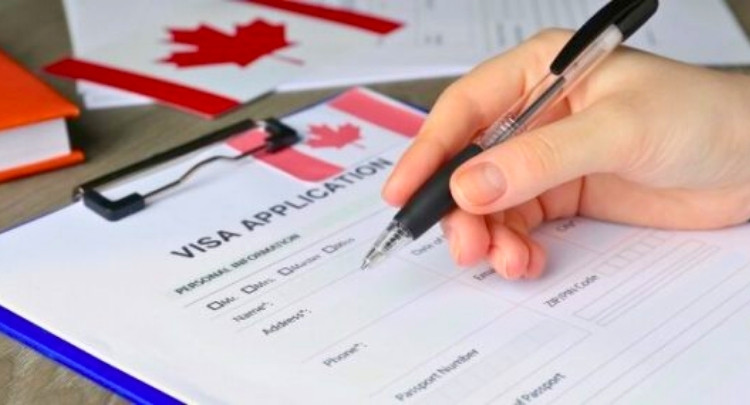
Once the interview concludes, the visa officer records their notes and assessment. Your file returns to IRCC’s processing queue, where the same officer—or another assigned officer—continues reviewing your application alongside interview findings.
Final Eligibility Review
IRCC reassesses whether you meet all eligibility requirements for the visa category you applied for. This includes reviewing your purpose of travel, financial capacity, ties to your home country, and consistency between your documents and interview answers.
Background and Security Screening
Your application may undergo additional background checks, including identity verification, travel history review, and security screening. This stage often causes delays because IRCC relies on multiple internal and external agencies, and timelines vary widely.
Medical and Biometric Validation (If Applicable)
If your medical exam or biometrics were completed earlier, IRCC checks that they are still valid. If results are missing, expired, or require reassessment, IRCC may request updated medical exams or additional information before moving forward.
Passport Request or Refusal Decision
Once all reviews are complete, IRCC makes a final decision:
- If approved, you will receive a Passport Request (PPR) or confirmation instructions through your IRCC account or email.
- If refused, IRCC issues a refusal letter explaining the reasons for the decision.
How Long Does it Take to Get Canada Visa After Interview?
After a Canada visa interview, many applicants receive a decision within two to eight weeks, depending on circumstances. Some files move quickly when officers finish checks early, while others take longer due to verification. Permanent residence cases often require several months because officers review long-term eligibility, history, and compliance details carefully.
Visa Type And Application Stream
Visa category strongly affects timing because temporary permits usually require fewer long-term checks than residence cases. Visitor, study, and work visas often conclude faster since officers focus on short-term intent and finances. Permanent residence applications demand deeper assessment of settlement plans, background history, and future compliance before approval.
Background And Security Checks
Security screening timelines vary because officers depend on multiple agencies beyond the local visa office. Travel history, identity matches, or prior refusals can extend review without visible online updates. Some applicants clear checks quickly, while others wait longer due to routine but mandatory verification processes.
Country Of Application And Visa Office
Processing speed often depends on visa office workload and staffing levels within each region. High-volume locations face longer queues during peak seasons like student intake or holiday travel. Applicants from lower-demand regions sometimes receive quicker updates due to reduced case pressure.
Medical And Biometric Status
Valid medical exams and biometrics allow officers to finalize decisions without requesting additional information. Expired or missing results often trigger new instructions, which can pause progress for several weeks. Many short-term visitors, including those planning to attend conferences in Canada, still undergo medical or biometric validation checks.
Application Complexity And Document Review
Clear documentation and consistent interview answers help officers complete reviews with fewer follow-up questions. Employment gaps or unclear funding sources frequently slow processing after interviews. Previous refusals or overstays also increase review time because officers reassess credibility and compliance risks.
Does Everyone Receive a Decision Right After the Interview?
No, not every applicant receives a final decision immediately after a Canada visa interview. IRCC officers use interviews to clarify details, not always to conclude cases. After the interview, applications usually fall into one of three common outcomes, depending on review status and required checks.
Immediate Approval

Some applicants receive approval shortly after the interview when officers find no remaining concerns. Clear documents, strong answers, and complete background checks often support faster decisions. In such cases, IRCC issues a passport request or confirmation instructions through the online account or email.
Refusal With Explanation
A refusal may follow when officers identify eligibility gaps, credibility issues, or missing requirements during review. IRCC always provides a written refusal letter explaining the specific reasons for denial. This explanation helps applicants understand weaknesses and prepare stronger future applications if they reapply.
Administrative Or Additional Processing
Many cases enter additional processing when officers need more time for background, security, or document verification. This outcome does not mean refusal and often involves routine checks beyond the interview stage. Processing can take weeks or months, depending on complexity and external agency responses.
Why This is Normal
IRCC does not promise instant decisions because interviews represent only one step in the assessment process. Officers must follow procedural fairness and complete all checks before approving or refusing an application. This approach protects accuracy, consistency, and fairness across all visa decisions.
Factors That Affect How Long It Takes
Several practical factors influence how long it takes to receive a Canada visa decision after the interview. These elements stay relevant regardless of policy changes, because they connect directly to IRCC’s core review process and operational realities.
Visa Category
Different visa types move at different speeds. Temporary visas, such as visitor, study, or work permits, usually process faster because officers assess short-term intent. Permanent residence applications take longer since they involve deeper reviews of eligibility, settlement plans, and long-term compliance.
Country of Application
The visa office handling your file plays a major role in timing. High-demand regions often face heavier caseloads and longer queues, especially during peak seasons. Applicants processed through lower-volume offices may see faster progress due to lighter workloads.
Background and Security Checks
Security screening varies widely by individual profile. Travel history, identity verification, and past immigration records can extend review time. Because IRCC relies on multiple partner agencies, this step often causes delays that applicants cannot track online.
Medical Exam Status
Valid medical results help officers finalize decisions without interruption. If medical exams expire, remain incomplete, or require reassessment, IRCC must pause processing and issue new instructions, adding weeks or months to the timeline.
Application Complexity
Simple, well-documented cases move faster. Gaps in employment history, unclear financial evidence, or inconsistent interview answers increase scrutiny. Previous refusals or overstays also slow decisions, as officers reassess credibility and risk carefully.
Seasonal Backlogs
Processing slows during high-volume periods such as student intake seasons or major travel months. Staffing limits and application surges create backlogs, even for otherwise straightforward cases. These seasonal patterns repeat yearly and remain a common cause of delays.
Can You Track Your Application After the Interview?
Yes, you can track your Canada visa application after the interview, but updates often move slowly. IRCC provides several official tools to monitor progress, though long periods without visible changes are common and usually normal.
IRCC Online Account
Your IRCC online account shows the most reliable status updates after the interview. Officers post requests, decisions, or document updates there first. However, status messages may remain unchanged for weeks while background or security checks continue behind the scenes.
GCKey Portal
GCKey connects you to your IRCC account if you applied online. It allows you to view application status, upload requested documents, and receive official messages. Many applicants check GCKey frequently, but updates appear only when officers complete specific review steps.

Email Updates
IRCC sends email notifications when new messages or decisions appear in your account. These emails do not include details and only prompt you to log in. Delays between internal progress and email alerts are common, so silence does not signal problems.
Most post-interview processing happens internally and involves partner agencies outside IRCC. Background checks, security screening, and verification steps do not trigger real-time status updates. As a result, your account may show the same message until a major milestone occurs.
What If There Is No Update After the Interview?
Waiting without updates after a Canada visa interview can feel stressful, but it often remains normal. IRCC processing continues behind the scenes, and silence does not automatically signal a problem. The steps below explain what to do if your status does not change.
Wait At Least 30 Days
IRCC usually needs several weeks to complete post-interview reviews and security checks. Checking too early rarely provides new information. Allow at least thirty days before taking action, unless IRCC specifically requested documents or set a deadline.
Use The IRCC Webform
After a reasonable wait, you may submit a case inquiry through the IRCC webform. Use it to confirm your file status or report missing updates. Keep the message brief and factual, and include your application number.
Check Medical Validity
Review whether your medical exam remains valid during the waiting period. Medical results usually expire after twelve months. If they expire before a decision, IRCC may request a new exam, which can delay final processing.
Avoid Repeated Follow-Ups
Sending frequent inquiries does not speed up processing and may slow responses. Multiple messages often receive standard replies without added detail. One well-timed inquiry works better than repeated follow-ups within short periods.
Consider consulting a licensed immigration consultant or lawyer if delays extend far beyond normal processing times. This is especially important when the issues involve the type of visa you applied, as different visas have different rules and procedures. Professional help can also clarify unclear requests, fairness letters, or refusals needing legal review.
Common Reasons for Post-Interview Delays
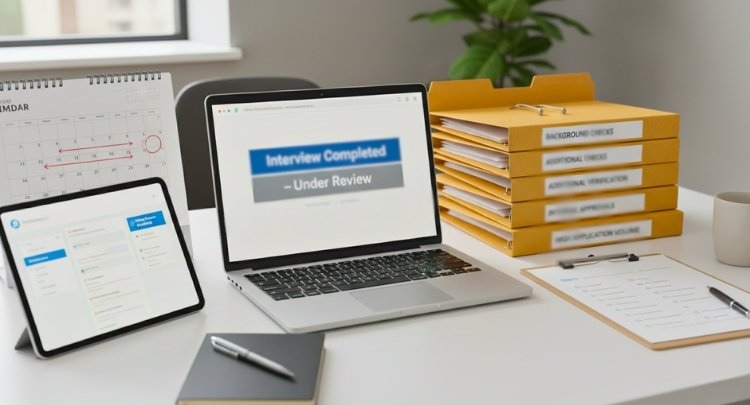
Several routine factors can slow Canada visa decisions after an interview. These delays usually relate to verification steps or operational limits, not mistakes by the applicant.
Security Screening
Security checks often take time because multiple agencies review identity, travel history, and background information. Some cases clear quickly, while others remain under review longer due to routine verification procedures.
Document Verification
Officers may verify employment records, financial documents, or educational credentials after the interview. This step ensures accuracy and consistency, especially when information requires confirmation from third parties or foreign institutions.
Medical Reassessment
Medical results sometimes need reassessment if they approach expiry or show concerns. Additional tests or updated exams can delay final decisions, even when all other application requirements are satisfied.
High Application Volume
Visa offices handle large numbers of applications during peak seasons. Student intake periods, holidays, and travel surges often increase queues, slowing processing across many files at once.
Embassy Staffing Limits
Staff shortages or operational constraints at certain visa offices can extend timelines. Reduced staffing affects interview follow-ups, document reviews, and decision issuance, even for straightforward cases.
Frequently Asked Questions
Many applicants feel uncertain once the interview ends and no immediate decision appears. These frequently asked questions explain what happens next, how long different steps may take, and what delays truly mean. Each answer reflects real-world IRCC processing behavior.
How Long After The Interview Will I Receive A Passport Request?
After approval, passport request timing varies by visa office workload and application type. Some applicants receive requests within days, while others wait several weeks. Security checks, medical validation, and administrative steps must finish before IRCC issues passport submission instructions.
Does The Interview Speed Up The Visa Decision Process?
An interview does not automatically speed up processing, even if it goes well. Officers still complete required background, security, and eligibility checks afterward. The interview mainly clarifies concerns, helping officers decide accurately rather than quickly.
How Long Does It Take To Receive A Refusal Letter After Interview?
Refusal letters usually appear within a few days or weeks after the interview. Timing depends on officer workload and internal review completion. IRCC uploads refusal reasons to your account once the decision becomes final.
Can My Family Members Receive Decisions At Different Times?
Yes, family members included in the same application may receive decisions at different times. Each person undergoes separate background and medical checks. One approval does not guarantee immediate decisions for dependents.
Does Applying From Inside Canada Change Post-Interview Timing?
Applicants inside Canada sometimes experience different timelines due to inland processing workflows. However, interviews still require final reviews and security checks. Location alone does not guarantee faster decisions after the interview stage.
How Long Should I Wait Before Reapplying After A Refusal?
There is no mandatory waiting period before reapplying after refusal. However, applicants should address refusal reasons clearly before submitting again. Reapplying too quickly without changes often leads to another refusal.
Can I Contact The Visa Office Directly After My Interview?
Most visa offices do not accept direct inquiries after interviews. IRCC recommends using the webform for updates. Direct contact rarely speeds processing and may result in generic responses without new information.
Wrap Up
Understanding the process after a visa interview helps applicants stay calm and prepared during the waiting period. Accurate application details matter because officers rely on them throughout review stages. Even small mistakes can cause delays, extra checks, or refusals. If you notice an error, you should act quickly by using the IRCC webform or submitting updated documents.
Knowing how long does it take to get Canada visa after interview also helps set realistic expectations. Ignoring errors or missing requests can lead to serious consequences, including rejection. Careful preparation, honest information, and timely responses greatly improve the chance of a smooth and successful outcome.