Australia has become a leading destination for global marketing events where professionals gather to exchange ideas, explore new strategies, and understand evolving consumer behavior. From industry leaders to emerging marketers, many attend the top 10 international marketing conferences in Australia to learn, network, and discover practical insights shaping the future of marketing.
These conferences highlight innovation, technology, and global collaboration. Events like the 43rd Global Conference on Marketing, Innovation, and Branding (GCMIB) and Mumbrella360 attract experts who discuss branding, digital marketing, and market trends. Continue reading to explore the top conferences and what makes them worth attending.
Top International Marketing Conferences in Australia: (Quick Chart)
Digital marketing conferences in Australia gather industry leaders, marketers, and innovators to explore marketing trends, branding strategies, and emerging technologies. The following table highlights key marketing conferences across Australia in 2026, including their dates, venues, and specialty focus areas.
| Date | Conference Name | Venue | Specialty |
| September 25–27, 2026 | 43rd Global Conference on Marketing, Innovation, and Branding (GCMIB) | Sydney, Australia | Marketing Strategy, Branding, Innovation |
| May 5–7, 2026 | Retail Fest (Retail Global) | Gold Coast, Australia | Retail Marketing, eCommerce |
| May 7–8, 2026 | Digital Marketers Australia Conference | Melbourne, Australia | Digital Marketing, Performance Marketing |
| September 25–27, 2026 | 132nd Global Conference on International Business and Marketing (GCIBM) | Sydney, Australia | International Business, Global Marketing |
| September 14–16, 2026 | Gartner Marketing Symposium/Xpo™ | Sydney, Australia | Marketing Leadership, Data-Driven Marketing |
| May 26–28, 2026 | Mumbrella360 | Sydney, Australia | Media, Advertising, Marketing |
| August 12–13, 2026 | TECHSPO Sydney | Sydney, Australia | Marketing Technology, MarTech |
| September 25–27, 2026 | 134th Global Conference on Digital Marketing and Technology (GCDMT) | Sydney, Australia | Digital Marketing, Marketing Technology |
| August 24–26, 2026 | iMedia Future of Marketing Summit | Gold Coast, Australia | Marketing Innovation, Customer Engagement |
| August 25, 2026 | Forrester CX Summit APAC | Sydney, Australia | Customer Experience (CX), Digital Strategy |
These conferences cover diverse specialties, including digital marketing, branding, marketing technology, and customer experience. Marketers can choose events based on their professional focus, making these Australian conferences valuable platforms for networking, learning, and discovering the latest industry innovations.
Top 10 International Marketing Conferences in Australia
Check out the top 10 international marketing conferences in Australia where marketers, innovators, and business leaders exchange ideas, strategies, and trends. Review the events below and choose the conference that best supports your marketing goals. In the following discussions, we’ve discussed the top conferences in depth:
43rd Global Conference on Marketing, Innovation, and Branding (GCMIB)
Event Details
- Dates: September 25–27, 2026
- Location: Sydney, Australia
- Focus Area: Branding, marketing innovation, and strategy
- Best For: Researchers, brand strategists, and marketing scholars
GCMIB focuses on how innovation influences branding and marketing strategy. Speakers typically include academic researchers, consultants, and industry practitioners. Discussions cover brand positioning, innovation management, and marketing research findings. It attracts participants who want to exchange ideas and explore practical and theoretical perspectives in modern marketing.
Retail Fest (Retail Global)
Event Details
- Dates: May 5–7, 2026
- Location: Gold Coast, Australia
- Focus Area: Retail marketing and ecommerce growth
- Best For: Ecommerce founders, retail marketers, and online sellers
Retail Fest is known for bringing together ecommerce entrepreneurs and retail marketing experts. Speakers typically include successful online store owners, growth strategists, and ecommerce platform leaders. Topics include online sales strategy, customer acquisition, and brand building. It is particularly useful for marketers working in ecommerce businesses.
Digital Marketers Australia Conference
Event Details
- Dates: May 7–8, 2026
- Location: Melbourne, Australia
- Focus Area: Digital marketing tactics and performance marketing
- Best For: Digital marketers, agency professionals, and business owners
This conference focuses on practical digital marketing techniques used in campaigns today. Speakers often include marketing consultants, agency leaders, and platform specialists. Sessions explore SEO, paid advertising, content strategy, and analytics. It suits professionals looking to improve marketing performance through tested tools and strategies.
132nd Global Conference on International Business and Marketing (GCIBM)
Event Details
- Dates: September 25–27, 2026
- Location: Sydney, Australia
- Focus Area: International business and marketing strategies
- Best For: Academics, researchers, and global marketing professionals
This global conference connects researchers and marketing professionals exploring international markets and cross-border strategies. Expect presentations from academics, industry analysts, and business leaders. Topics often include global branding, market entry strategies, and consumer behavior. It is a useful event for professionals seeking insights into conferences in Australia with strong academic and research collaboration.
Gartner Marketing Symposium/Xpo™
Event Details
- Dates: September 14–16, 2026
- Location: Sydney, Australia
- Focus Area: Marketing leadership and data driven strategy
- Best For: CMOs, marketing executives, and senior strategists
This symposium is designed for marketing decision makers who manage strategy and growth. Gartner analysts and industry leaders share research-based insights on customer data, digital transformation, and marketing performance. Attendees gain frameworks and benchmarks to improve leadership decisions, making it valuable for executives guiding large marketing teams.
Mumbrella360
Event Details
- Dates: May 26–28, 2026
- Location: Sydney, Australia
- Focus Area: Media, advertising, and marketing strategy
- Best For: Marketing leaders, media professionals, and brand managers
Mumbrella360 brings together professionals from the media, advertising, and marketing industries. Speakers often include agency executives, brand leaders, and media strategists. Sessions focus on campaign strategy, audience engagement, and future media trends. The conference suits marketers who want practical insights and networking with professionals shaping the Australian marketing landscape.
TECHSPO Sydney
Event Details
- Dates: August 12–13, 2026
- Location: Sydney, Australia
- Focus Area: Marketing technology and digital innovation
- Best For: Marketers, developers, and technology innovators
TECHSPO Sydney highlights emerging technologies used in marketing and digital communication. The event features demonstrations from technology companies, marketing platforms, and startups. Attendees learn how new tools influence advertising, analytics, and automation. It attracts professionals interested in understanding the technology shaping modern marketing strategies.
134th Global Conference on Digital Marketing and Technology (GCDMT)
Event Details
- Dates: September 25–27, 2026
- Location: Sydney, Australia
- Focus Area: Digital marketing and marketing technology
- Best For: Digital marketers, researchers, and technology specialists
GCDMT focuses on how technology is transforming digital marketing practices. Experts and academics discuss topics such as marketing analytics, automation tools, and online consumer behavior. Presentations often combine research insights with practical case studies. This conference is helpful for professionals interested in combining marketing strategy with technology-driven innovation.
iMedia Future of Marketing Summit
Event Details
- Dates: August 24–26, 2026
- Location: Gold Coast, Australia
- Focus Area: Marketing innovation and customer engagement
- Best For: Senior marketers, brand leaders, and technology partners
The iMedia Future of Marketing Summit brings together marketing leaders and technology providers in a collaborative environment. The event focuses on innovation, data use, and digital customer engagement. Sessions often include discussions, workshops, and networking meetings designed to help marketers discover new strategies and technology solutions.
Forrester CX Summit APAC
Event Details
- Dates: August 25, 2026
- Location: Sydney, Australia
- Focus Area: Customer experience and digital engagement
- Best For: CX leaders, marketing strategists, and product teams
The Forrester CX Summit explores how brands can improve customer experience across digital channels. Analysts, technology leaders, and brand executives present research findings and case studies. Topics include customer journey design, personalization, and loyalty strategies. It suits professionals working to strengthen customer relationships through data and digital tools.
These top international marketing conferences in Australia provide opportunities to learn new strategies, hear insights from experts, and build professional networks. Marketers, business leaders, and researchers can attend these events to stay updated with global marketing trends and industry developments.
Emerging Trends in International Marketing Conferences in 2026
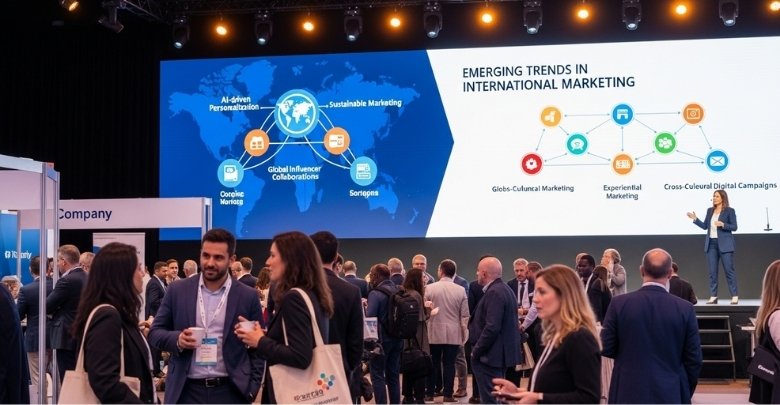
International marketing conferences in 2026 are evolving to match the fast pace of global business, digital technology, and consumer behavior. These events are no longer limited to presentations. They now offer interactive sessions, expert panels, and hands-on discussions that help marketers understand real industry challenges. Here are the trends that are mostly commonly followed by the top conferences in Australia:
AI Integration Across All Conference Agendas
Artificial intelligence has become the dominant theme at virtually every major marketing conference in 2026. Conferences are featuring substantial programming on:
- Generative AI for Content Creation: Using tools like ChatGPT, Claude, and Midjourney for creating marketing copy, images, and videos at scale while maintaining brand voice.
- Predictive Analytics: Applying machine learning to customer data for forecasting campaign performance and optimizing marketing spend.
- Conversational AI: Implementing chatbots and virtual assistants for customer service and lead qualification.
- AI-powered Personalization: Creating individualized website experiences, email content, and product recommendations at scale.
- Ethical AI Use: Addressing concerns about AI bias, transparency, and maintaining human creativity in AI-augmented marketing processes.
Conferences themselves are also leveraging AI for personalized agenda recommendations, attendee matchmaking systems, and real-time translation to enable international participation.
Community-Driven Event Models
Events are shifting from single encounters to ongoing relationship-building platforms. According to the Eventex 2026 Trends Report, community building ranks as the #2 trend for 2026. Key characteristics include:
- Year-round Engagement: Conferences are creating permanent community spaces on platforms like LinkedIn or Slack, hosting recurring roundtables, and sending regular updates rather than just post-event thank-you emails.
- Micro-events and Hyper-Relevant Gatherings: Large, broad events are being replaced by small, focused gatherings of 10–25 people with specific themes and target audiences.
- Peer-to-peer Learning Emphasis: A shift from “sage-on-stage” keynotes to collaborative formats, including working sessions and peer learning circles where attendees share practical experiences.
Privacy-First and First-Party Data Strategies
With third-party cookies now deprecated across all major browsers, conferences are heavily emphasizing first-party data strategies:
- Consent Management: Implementing compliant mechanisms for collecting user consent while maintaining good user experiences.
- Value Exchange Models: Creating compelling content and experiences that motivate customers to willingly share data.
- Customer Data Platforms (CDPs): Implementing systems that unify customer data from multiple sources and activate it across marketing channels.
- Data Collaboration: Participating in data clean rooms and privacy-safe mechanisms for combining first-party data with partner data.
Platform Diversification and Creator Economy Maturation
Conferences are emphasizing strategies to avoid over-reliance on any single marketing channel:
- TikTok Marketing: Developing authentic content strategies for short-form video as the platform maintains massive engagement with younger demographics.
- Emerging Platforms: Exploring newer platforms like BeReal and Lemon8 for early-mover advantages.
- Owned Media Investment: Building audiences on owned properties (websites, email lists, apps) rather than renting attention on algorithm-dependent platforms.
- Long-term Creator Partnerships: Moving beyond one-off sponsored posts to ongoing ambassador relationships and co-creation collaborations.
Sustainability and Mindful Event Design
Environmental and wellness considerations are reshaping conference formats:
- Carbon-neutral Initiatives: Major conferences are eliminating single-use plastics, offering plant-based catering, and measuring environmental impact.
- Regional Conferences: Reducing international travel through more localized events.
- Mindfulness as a Design Principle: Creating spaces that enable presence and foster meaningful conversation rather than sensory overload, with clear flow, natural pauses, and digital tools that support without disrupting.
- Hybrid Models: Virtual options remain permanent fixtures to expand accessibility and reduce carbon footprints.
Cross-Functional Collaboration and ROI Focus
Events are increasingly assessed on measurable business impact:
- Marketing, Sales, and Product Alignment: Successful events require collaboration from the start to define goals, target audiences, and follow-up strategies.
- Marketing Mix Modeling: Returning to statistical approaches that analyze historical performance across channels to guide investment allocation.
- Incrementality Testing: Using holdout groups and controlled experiments to measure true incremental impact rather than just correlations.
- Business Outcome Alignment: Moving beyond marketing-centric metrics (impressions, clicks) to focus on revenue, customer lifetime value, and retention.
Format Innovations
- Shorter, More Focused Events: Moving from 3-4 day conferences to intensive 1-2 day formats, respecting attendees’ time constraints.
- Experiential Programming: Incorporating multi-sensory experiences that reinforce learning through physical engagement, such as workshops at unique venues.
- Content Engine Approach: Events are designed to fuel weeks of relevant content through captured insights, participant questions, and short video clips rather than long recordings.
- “Glocalization” Strategies: Global event frameworks that combine cultural diversity with local relevance, adapting global master concepts with the right cultural codes for each market.
These trends reflect a marketing conference landscape in 2026 that prioritizes authenticity, measurable impact, sustainable practices, and AI-augmented human connection over traditional broadcast-style knowledge transfer.
Attendee Requirements for Conferences in Australia
Attending conferences in Australia is generally straightforward, but international participants should prepare a few essential documents and registrations before traveling. Most marketing and business conferences require basic event registration along with travel and identification documents for international attendees. Here are the detailed requirements.

Conference Registration
Participants must register through the official conference website before attending the event. Registration usually includes selecting a ticket category, completing attendee details, and paying the conference fee. Early registration is often recommended because many international marketing conferences have limited seats and early-bird discounts.
Valid Passport and Visa
International attendees must hold a valid passport and obtain the appropriate Australian visa. Many travelers attend conferences using a Visitor Visa (subclass 600) or an Electronic Travel Authority (ETA), depending on their country of origin. Visa approval should be completed well before the conference dates.
Invitation Letter from the Conference Organizer
Some participants may need an official invitation letter to support their visa application. Conference organizers often provide this document after registration confirmation. The invitation typically includes event details, attendee information, and the conference schedule.
Travel and Accommodation Arrangements
Attendees should plan flights and hotel reservations in advance, especially for major cities such as Sydney, Melbourne, and the Gold Coast, where international conferences are frequently hosted. Many conference organizers also recommend partner hotels near the event venue.
Professional Identification and Event Pass
Most conferences require attendees to carry their registration confirmation and event badge to access sessions, workshops, and networking activities. Some events also request professional identification or business credentials for industry-specific sessions.
Who Gets the Most Benefit From Attending an International Marketing Conference?
International marketing conferences attract professionals from different backgrounds who want to learn new strategies, connect with industry experts, and understand global market trends. These events combine expert sessions, networking opportunities, and real business insights, making them valuable for several groups in the marketing ecosystem.

Marketing Professionals and Digital Marketers
Marketing specialists and digital marketers often gain the most practical value from these conferences. Sessions typically focus on campaign strategy, customer behavior, and emerging marketing tools.
Key benefits for marketers include:
- Learning new SEO, content marketing, and performance marketing strategies.
- Discovering marketing technology and automation tools.
- Understanding real case studies from global brands.
- Networking with agency professionals and marketing leaders
These insights help marketers improve campaign performance and stay updated with industry trends.
Business Owners and Entrepreneurs
Entrepreneurs attend international marketing conferences to explore growth opportunities and new marketing approaches. Business owners often look for strategies that help them reach wider audiences and build stronger brand visibility.
Common topics discussed include:
| Topic | Why It Matters for Businesses |
| Brand positioning | Helps businesses stand out in competitive markets |
| Customer acquisition | Improves marketing efficiency and sales growth |
| Digital marketing strategy | Expands online presence and audience reach |
| Market expansion | Supports entry into international markets |
For many founders, these conferences also provide opportunities to connect with partners, investors, and service providers.
Marketing Leaders and Decision Makers
Senior executives such as CMOs, marketing directors, and brand leaders attend conferences to understand strategic trends shaping the marketing industry.
They often benefit from:
- Leadership discussions on marketing transformation.
- Insights into data-driven decision-making.
- Global market trend analysis.
- Conversations with technology providers and industry analysts.
These insights support better long-term marketing planning and innovation within organizations.
Researchers and Academic Professionals
International marketing conferences also provide an important platform for academics and researchers. Many events include research presentations, panel discussions, and collaborative sessions.
Researchers typically participate to:
- Present research findings related to marketing and consumer behavior.
- Engage with industry experts and fellow scholars.
- Explore real-life applications of marketing theories.
- Build research collaborations across institutions.
This exchange of knowledge helps connect academic research with industry practices.
Students and Early Career Professionals
Students and young professionals interested in marketing can gain valuable exposure by attending these events. Conferences allow them to observe industry discussions and understand real marketing challenges.
They can benefit by:
- Learning directly from experienced marketing professionals.
- Understanding current marketing tools and technologies.
- Building professional connections for future career opportunities.
- Exploring potential career paths in the marketing industry.
These experiences help them prepare for careers in marketing and business.
International marketing conferences benefit a wide range of participants, including marketers, business owners, executives, researchers, and students. By attending these events, professionals gain industry knowledge, build meaningful connections, and discover strategies that support marketing growth in global markets.
How to Check if a Conference in Australia is Legitimate?
Before registering for conferences in Australia, it is important to confirm that the event is genuine and professionally organized. Legitimate conferences usually provide transparent information about organizers, speakers, schedules, and registration processes. Taking the following few simple steps can help attendees avoid unreliable or low-quality events:

Verify the Official Conference Website
A legitimate conference typically has a well-maintained website with clear details about the event.
Check whether the website includes:
- Conference agenda or program schedule
- Organizer or hosting organization details
- Speaker profiles and affiliations
- Contact information and support email
- Venue and date confirmation
If the website lacks these details or looks incomplete, it may be a warning sign.
Review the Organizer’s Reputation
Research the organization hosting the conference. Established organizers usually have a history of hosting multiple professional events.
You can verify credibility by checking:
- Previous conferences organized by the same group
- Partnerships with universities, companies, or industry organizations
- Online reviews, testimonials, or participant feedback
- Media mentions or industry recognition
Reliable organizers often maintain a consistent track record.
Confirm the Speaker and Partner Information
Legitimate conferences usually announce keynote speakers, panelists, and industry partners before the event.
Look for:
| Indicator | Why It Matters |
| Recognized speakers | Shows industry participation |
| Corporate or academic partners | Adds credibility to the event |
| Speaker profiles | Confirms professional background |
You can also verify speakers through LinkedIn or company websites.
Check the Conference Venue and Schedule
Authentic conferences clearly mention their venue and event schedule.
Make sure to confirm:
- The listed venue actually exists
- The conference dates are consistent across the website
- The event venue acknowledges hosting the conference
Major conferences often take place in well-known venues, hotels, or convention centers.
Look for Transparent Registration and Payment Details
Reliable conferences provide clear registration policies and payment information. Key things to check include:
- Secure payment gateways
- Transparent ticket pricing
- Refund or cancellation policies
- Official registration confirmation email
Avoid events that request payment through unofficial channels.
Evaluate the Conference Communication
Professional conferences maintain consistent communication with attendees. Signs of a legitimate event include:
- Prompt responses to email inquiries
- Clear event updates and announcements
- Professional email addresses linked to the conference domain
Poor communication or vague responses may indicate potential issues.
Quick Legitimacy Checklist
Before registering for a conference, confirm these points:
- Verified conference website with full event details
- Recognized organizers and previous events
- Announced speakers and partners
- Confirmed venue and schedule
- Secure registration and payment system
Checking the organizer, speakers, venue, and registration details helps ensure that a conference in Australia is legitimate. Careful verification allows attendees to confidently participate in events that offer genuine learning opportunities, networking, and professional development.
Cost Breakdown for Attending a Conference in Australia
Attending conferences in Australia can involve several expenses beyond the registration fee. Planning the overall budget helps participants avoid unexpected costs and manage travel effectively. The total cost usually depends on the conference location, duration, and personal travel preferences.
Conference Registration Fees
Registration is usually the primary expense when attending a marketing or business conference. Prices vary depending on the event size, organizer, and ticket category. Typical registration costs include:
- Early bird tickets that offer discounted rates
- Standard conference passes with access to all sessions
- VIP or premium passes that include workshops and networking events
For many international marketing conferences, registration fees can range between $300 and $1,200, depending on the event.
Travel Expenses
Travel costs depend on the attendee’s country of departure and the host city in Australia. Common travel expenses include:
- International or domestic flight tickets
- Airport transfers or local transportation
- Travel insurance for international visitors
Flights are often the highest cost for international attendees, especially for long-distance travel.
Accommodation Costs
Accommodation is another important part of the conference budget. Many conferences are held in cities such as Sydney, Melbourne, or the Gold Coast, where hotel prices can vary significantly. Below is a general accommodation estimate:
| Accommodation Type | Average Cost per Night |
| Budget hotels or hostels | $60 – $120 |
| Mid-range hotels | $120 – $250 |
| Business or luxury hotels | $250 – $450 |
Many conference organizers partner with nearby hotels to provide discounted rates for attendees.
Food and Daily Expenses
Daily expenses during the conference may include meals, coffee breaks, and local transportation. Some conferences provide lunch or refreshments, but attendees should still budget for additional meals and personal expenses. Typical daily spending may include:
- Meals and dining
- Public transportation or rideshare services
- Small networking or social events
These daily costs usually range between $40 and $100 per day, depending on the city.
Visa and Documentation Costs
International participants attending conferences in Australia may need to apply for a visitor visa or travel authorization. Visa fees and documentation costs can vary depending on the applicant’s nationality.
Common related expenses include:
- Visa application fee
- Document preparation or processing fees
- Travel documentation and passport renewal, if needed
Sample Estimated Budget
A simple example of the estimated total cost for attending a three-day conference is shown below:
| Expense Category | Estimated Cost |
| Conference registration | $300 – $1,200 |
| Flights | $600 – $1,500 |
| Accommodation (3 nights) | $180 – $750 |
| Food and daily expenses | $120 – $300 |
| Visa and documentation | $50 – $200 |
Total estimated cost may range between $1,250 and $3,950, depending on travel distance and accommodation preferences.
The total cost of attending conferences in Australia depends on registration fees, travel, accommodation, and daily expenses. Preparing a detailed budget in advance helps attendees manage their finances and focus on learning, networking, and professional development during the event.
Common Mistakes You Should Avoid While Purchasing a Conference Ticket
Choosing the right conference ticket is an important step when planning to attend conferences in Australia. Many attendees focus only on price or availability and overlook important details. Avoiding common mistakes can help you choose the right event, manage your budget, and get the most value from the conference experience.
Buying Tickets Without Researching the Conference
One common mistake is purchasing a ticket without checking whether the conference is reputable. Not every event delivers the same quality of speakers, sessions, or networking opportunities. Before buying a ticket, verify:
- The organizer’s credibility and past events
- The conference agenda and session topics
- Confirmed speakers and industry experts
- Reviews or feedback from previous attendees
A few minutes of research can help ensure the event offers real value.
Ignoring the Ticket Type and Benefits
Many conferences offer different ticket categories, and choosing the wrong one can limit your experience. Common ticket types include:
| Ticket Type | What It Usually Includes |
| Standard Pass | Access to general sessions and keynote talks |
| Workshop Pass | Entry to specialized training sessions |
| VIP or Premium Pass | Networking events, workshops, and exclusive sessions |
Always compare ticket benefits before making a purchase.
Missing Early Bird Discounts
Many conferences provide early bird pricing months before the event. Waiting too long to buy tickets can significantly increase the cost. Benefits of early registration include:
- Lower ticket prices
- Better access to workshops or limited sessions
- More time to plan travel and accommodation
Early planning can save both money and time.
Overlooking the Conference Agenda
Another mistake is registering without reviewing the full conference schedule. A well-structured agenda usually includes keynote sessions, panel discussions, and workshops that match your professional interests. Look for:
- Relevant marketing or industry topics
- Experienced speakers and panelists
- Sessions that match your learning goals
This helps ensure the conference aligns with your expectations.
Forgetting to Check Refund or Cancellation Policies
Unexpected schedule changes can occur, especially for international travelers. If you do not review the conference refund policy, you may lose the full registration fee. Important details to check include:
- Refund eligibility and deadlines
- Ticket transfer options
- Event cancellation or rescheduling policies
Knowing these rules protects your investment.
Choosing a Conference Only Based on Location
While attractive destinations can be appealing, the conference content should always be the main priority. Selecting an event solely because of its location may result in attending sessions that offer limited professional value. Instead, evaluate:
- Conference topics and learning opportunities
- Speaker expertise
- Networking potential with industry professionals
The quality of the event should always come first.
Quick Checklist Before Buying a Conference Ticket
Before purchasing a ticket, make sure to review these key points:
- Research the conference organizer and reputation
- Compare ticket types and included benefits
- Review the event agenda and speakers
- Check pricing and early bird offers
- Understand refund and cancellation policies
Avoiding these common mistakes helps you choose the right conference ticket and gain maximum value from the event. Careful planning allows attendees to focus on learning, networking, and building professional connections at conferences in Australia and around the world.
FAQs About Top International Marketing Conferences in Australia
International marketing conferences often raise practical questions for first-time attendees and professionals planning to travel. The following FAQs address common queries related to conferences in Australia, helping readers quickly understand planning details, participation options, and event expectations before attending.
What Is the Best Time of Year to Attend Marketing Conferences in Australia?
Most major marketing conferences in Australia take place between May and September. During this period, cities such as Sydney, Melbourne, and the Gold Coast host international business and marketing events, making it easier for professionals to find multiple conferences within a few months.
Do International Marketing Conferences in Australia Offer Virtual Attendance Options?
Many conferences now provide hybrid or virtual participation options. This allows attendees to join keynote sessions, panel discussions, and workshops online if they cannot travel. However, networking sessions and in-person workshops are usually available only to on-site participants.
How Far in Advance Should You Register for a Marketing Conference?
It is generally recommended to register three to six months before the event. Early registration helps secure early-bird discounts, ensures availability for limited workshops, and provides enough time to arrange travel, accommodation, and visa documentation.
Are International Marketing Conferences in Australia Suitable for Beginners?
Yes. Many conferences include sessions designed for beginners, students, and early-career marketers. These sessions often introduce marketing fundamentals, digital tools, and industry trends while providing opportunities to connect with experienced professionals.
What Networking Opportunities Are Available at Marketing Conferences?
Most international marketing conferences organize networking sessions, roundtable discussions, and social meetups. These activities allow attendees to meet marketing professionals, agency leaders, and business executives while building professional relationships and exploring collaboration opportunities.
Do Conferences Provide Certificates of Participation?
Many professional conferences provide attendance certificates or professional development certificates after the event. These certificates can be useful for demonstrating industry engagement, continuing education, or professional development in marketing and business fields.
Can Attendees Schedule Meetings With Speakers or Industry Experts?
Some conferences allow participants to schedule meetings with speakers, sponsors, or industry experts through networking platforms or event apps. These meetings often provide valuable opportunities for mentorship, collaboration, or professional guidance.
Final Thoughts
International marketing events give professionals the chance to learn new ideas, meet industry experts, and understand how global markets are evolving. The top 10 international marketing conferences in Australia bring together marketers, researchers, and business leaders to share strategies, technology insights, and real industry experiences.
By attending these conferences, participants can build strong networks, discover new marketing tools, and gain practical knowledge that supports career growth. Exploring these Australian conferences helps marketers choose events that match their goals and stay informed about the future of marketing.