Technology is constantly advancing in 2026, with artificial intelligence, cybersecurity innovation, cloud infrastructure, and quantum research reshaping how businesses build and manage digital systems. The right conference can sharpen technical knowledge and connect you with professionals developing real solutions. Early highlights like the 95th Global Conference on Information Technology and Computer Science (GCITCS), the Quantum Australia Conference, and YOW! Tech Leaders Summit set the tone for research, innovation, and leadership-focused learning.
Read the full guide to explore the top 10 information technology conferences in Australia 2026, discover which events match your professional goals, and shortlist the conferences that can help you bring valuable insights and practical ideas back to your organization.
Top 10 Information Technology Conferences in Australia 2026
Below is a fast reference table summarizing dates, locations, and key focus areas for the top upcoming IT conferences across Australia in 2026. Use this overview to quickly compare events and identify the ones most relevant to your goals.
| Date | Conference Name | Location | Key Focus |
| September 25–27, 2026 | 95th Global Conference on Information Technology and Computer Science (GCITCS) | Sydney, Australia | Computing research, software systems, IT innovations |
| September 14–16, 2026 | Gartner IT Symposium/Xpo | Gold Coast, QLD | IT strategy, enterprise technology, leadership insights |
| September 25–27, 2026 | 95th Global Conference on Cyber Security and Cloud Engineering (GCCSCE) | Sydney, Australia | Cybersecurity, cloud engineering, security frameworks |
| September 7–9, 2026 | AI Summit Australia | Melbourne, VIC | AI adoption, enterprise AI use cases, automation |
| September 25–27, 2026 | 80th Global Conference on Machine Learning and Artificial Intelligence (GCMLAI) | Sydney, Australia | Machine learning research, AI models, data-driven systems |
| July 2, 2026 | International Conference on Network Management in IT Infrastructure | Sydney, Australia | Network performance, IT infrastructure resilience |
| June 17, 2026 | YOW! Tech Leaders Summit | Brisbane, QLD | Tech leadership, team management, emerging technologies |
| August 7, 2026 | International Conference on Big Data Analytics and Machine Learning Tools for IT | Melbourne, Australia | Big data analytics, ML tools, data systems |
| April 28–30, 2026 | Quantum Australia Conference | Adelaide, SA | Quantum computing, quantum technologies |
| June 8, 2026 | International Conference on IT Systems Encryption and Cybersecurity Measures | Sydney, Australia | Encryption, cybersecurity practices, risk management |
Now that you have a quick snapshot of the upcoming IT conferences in Australia for 2026, explore the detailed descriptions below to understand what each event covers, who will be speaking, and which conference best fits your interests.
1. 95th Global Conference on Information Technology and Computer Science (GCITCS)
- Date: September 25–27, 2026 (Main Conference day: September 26)
- Location: Sydney, Australia
- Focus Area: Information technology, software systems, computing research
- Best For: Researchers, academics, IT professionals, software engineers
The Global Conference on Information Technology and Computer Science brings together researchers, developers, and IT professionals to exchange ideas around modern computing and software systems. Expect presentations on software architecture, data systems, networking, and emerging technologies. Speakers typically include university scholars and industry specialists. Professionals looking for collaborative conferences in Australia focused on computing research will find this event valuable.
2. Gartner IT Symposium/Xpo
- Date: September 14–16, 2026
- Location: Gold Coast, QLD
- Focus Area: IT strategy, enterprise technology, digital transformation
- Best For: CIOs, technology executives, IT leaders
The Gartner IT Symposium/Xpo gathers global technology leaders to discuss enterprise IT strategy and digital transformation. Sessions are led by Gartner analysts, CIOs, and industry experts who share practical insights on technology investments, innovation planning, and leadership. The program focuses heavily on how organizations align technology initiatives with long-term business goals.
3. 95th Global Conference on Cyber Security and Cloud Engineering (GCCSCE)
- Date: September 25–27, 2026 (Main Conference day: September 26)
- Location: Sydney, Australia
- Focus Area: Cybersecurity frameworks, cloud infrastructure, security engineering
- Best For: Security engineers, cloud architects, IT researchers
Cybersecurity and cloud infrastructure remain central topics at the Global Conference on Cyber Security and Cloud Engineering. The conference highlights approaches to securing distributed systems, managing cloud environments, and responding to evolving digital threats. Researchers and security professionals present case studies and technical papers. Engineers and analysts responsible for protecting cloud platforms will gain practical insights here.
4. AI Summit Australia
- Date: September 7–9, 2026
- Location: Melbourne Convention & Exhibition Centre, VIC
- Focus Area: Artificial intelligence applications, enterprise AI adoption
- Best For: AI leaders, tech managers, data professionals
Industry practitioners and AI specialists gather at AI Summit Australia to discuss how artificial intelligence is applied in real business environments. The program often features case studies from organizations using AI in operations, finance, healthcare, and retail. Leaders share lessons about implementing AI systems, scaling data platforms, and managing AI-driven projects.
5. 80th Global Conference on Machine Learning and Artificial Intelligence (GCMLAI)
- Date: September 25–27, 2026 (Main Conference day: September 26)
- Location: Sydney, Australia
- Focus Area: Machine learning research, AI models, data driven systems
- Best For: AI researchers, data scientists, academic professionals
The Global Conference on Machine Learning and Artificial Intelligence focuses on academic and applied developments in machine learning and artificial intelligence. Research presentations typically explore deep learning models, predictive analytics, and intelligent systems. Scholars, data scientists, and industry practitioners share experimental results and practical implementations. The conference provides a strong platform for discussing evolving AI research and collaborations.
6. International Conference on Network Management in IT Infrastructure
- Date: July 2, 2026
- Location: Sydney, Australia
- Focus Area: Network management, IT infrastructure optimization
- Best For: Network engineers, IT infrastructure managers
Network engineers and infrastructure specialists attend this event to discuss efficient management of modern IT networks. Topics often include network monitoring systems, automation tools, infrastructure resilience, and performance optimization. Speakers share operational experiences and technical solutions that help organizations maintain stable and scalable enterprise networks.
7. YOW! Tech Leaders Summit
- Date: June 17, 2026
- Location: Brisbane, QLD
- Focus Area: Technology leadership, emerging technologies
- Best For: Senior developers, engineering managers, tech leaders
Technology leadership takes center stage at the YOW! Tech Leaders Summit. Experienced engineers, CTOs, and industry mentors discuss team leadership, engineering culture, and innovation management. Sessions often combine technical trends with leadership strategies, helping experienced professionals guide development teams and manage complex technology initiatives.
8. International Conference on Big Data Analytics and Machine Learning Tools for IT
- Date: August 7, 2026
- Location: Melbourne, Australia
- Focus Area: Big data analytics, machine learning tools, data systems
- Best For: Data analysts, AI engineers, IT professionals
Big data specialists and technology professionals meet here to discuss analytics platforms and machine learning tools used in modern IT systems. Presentations often cover large-scale data processing, analytics frameworks, and machine learning integration. Attendees gain insights into building scalable data pipelines and turning large datasets into useful insights.
9. Quantum Australia Conference
- Date: April 28–30, 2026
- Location: Adelaide Convention Centre, SA
- Focus Area: Quantum computing and quantum technologies
- Best For: Researchers, physicists, advanced technology professionals
Researchers, scientists, and industry innovators gather at the Quantum Australia Conference to explore advancements in quantum technologies. Sessions typically include discussions on quantum computing, communication systems, and emerging research collaborations. The conference provides a platform for exploring how quantum innovations may influence future computing and digital infrastructure.
10. International Conference on IT Systems Encryption and Cybersecurity Measures
- Date: June 8, 2026
- Location: Sydney, Australia
- Focus Area: Encryption technologies, cybersecurity practices
- Best For: Cybersecurity specialists, IT security managers
Encryption technologies and digital protection strategies are key discussion areas at this conference. Security researchers and professionals present insights on cryptographic protocols, secure communication systems, and risk management. IT security leaders attending the event can learn practical approaches to strengthening enterprise security and protecting sensitive digital information.
Why Attend an IT Conference in 2026?
IT conferences in 2026 help professionals understand how technologies like artificial intelligence, cybersecurity, cloud infrastructure, and quantum computing are being applied across industries. These events offer expert insights, real-world case studies, networking opportunities, and hands-on exposure to emerging tools.
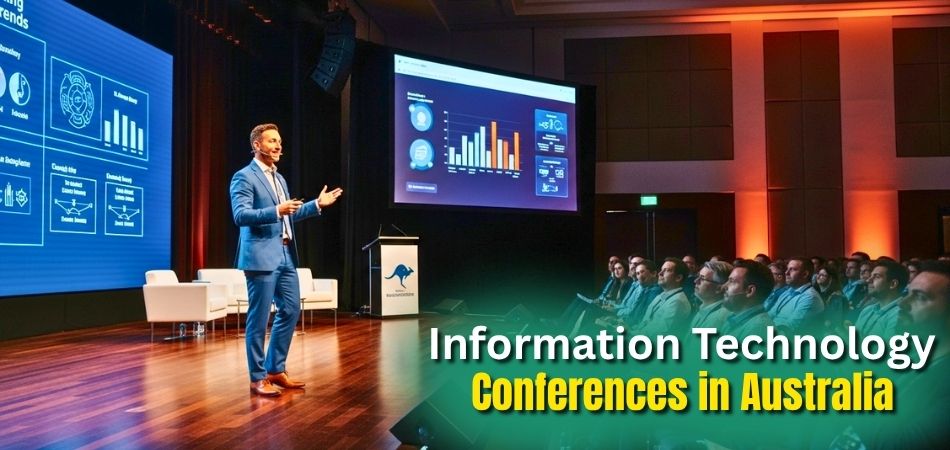
Technology is evolving rapidly, and 2026 is expected to be a major year for enterprise AI adoption, cybersecurity innovation, and cloud transformation. Attending an IT conference in 2026 allows professionals to learn directly from engineers, researchers, and technology leaders who are building and deploying these systems.
What Makes 2026 a Key Year for Tech Conferences?
Several major technology shifts are shaping discussions at IT conferences in 2026. These trends reflect where global technology investment and innovation are heading.
| Technology Shift | Why It Matters in 2026 |
| Enterprise AI Adoption | Companies are moving from AI experimentation to real business deployment and automation. |
| Cybersecurity Expansion | Increasing cyber threats require stronger security frameworks, monitoring systems, and infrastructure protection. |
| Cloud Infrastructure Evolution | Hybrid and multi-cloud environments are becoming the standard for modern enterprise IT systems. |
| Climate and Green Technology | Sustainable computing and energy-efficient data centers are gaining importance in technology planning. |
| Quantum Computing Progress | Governments, universities, and research labs are accelerating quantum research and development. |
Because of these developments, IT conferences are becoming essential platforms where industry experts discuss future strategies, emerging technologies, and real-world implementation challenges.
What Attendees Actually Gain
Attending an IT conference in 2026 helps professionals learn about AI, cybersecurity, and cloud technologies through expert sessions and real industry insights. Participants also gain networking opportunities and hands-on exposure to new tools. Here are the key benefits attendees can expect.
Practical Industry Knowledge
Conference sessions often feature presentations from global companies, research institutions, and technology startups. Experts share real case studies that explain:
- How new technologies were implemented
- What challenges have organizations faced
- What lessons were learned during deployment
This practical knowledge helps attendees understand how emerging technologies operate in real production environments.
Networking With Technology Leaders
One of the most valuable aspects of attending IT conferences in 2026 is the opportunity to connect with professionals across the technology ecosystem.
Participants often meet:
- CTOs and technology executives
- AI researchers and data scientists
- Cybersecurity specialists
- Cloud architects and infrastructure engineers
- Startup founders and technology investors
These connections frequently lead to professional collaborations, hiring opportunities, partnerships, or research initiatives.
Hands-On Exposure to Emerging Tools
Many IT conferences include interactive sessions that allow participants to explore new technologies directly.
These activities often include:
- Product demonstrations
- Technical workshops
- Innovation showcases
Such experiences give attendees early exposure to tools and platforms before they become widely adopted in the market.
Key Tech Trends Expected to Dominate Australia’s 2026 Conferences
Technology conferences across Australia in 2026 will highlight innovations shaping the digital economy, including artificial intelligence, cybersecurity, cloud systems, quantum research, and data governance. Explore the key technology trends below.
- Artificial Intelligence and Generative AI: Artificial intelligence is evolving into core enterprise infrastructure. Conferences discuss generative AI applications, responsible AI governance, machine learning optimization, and automation, improving business operations.
- Cybersecurity and Digital Resilience: Cybersecurity remains essential as digital systems expand. Conferences highlight zero-trust security models, ransomware defense strategies, encryption technologies, and AI-powered threat detection.
- Cloud Computing and Infrastructure Innovation: Cloud computing continues to support modern digital infrastructure. Sessions discuss hybrid and multi-cloud strategies, serverless platforms, edge computing systems, and scalable architecture design.
- Quantum Computing Research: Quantum computing research is gaining momentum in Australia. Conferences examine quantum algorithms, hardware development, secure communication systems, and potential practical applications.
- Data Governance and Analytics: Data governance and analytics help organizations manage growing data resources. Conferences discuss compliance frameworks, ethical data use, advanced analytics platforms, and predictive decision systems.
Steps You Can Take to Choose the Top IT Conferences in Australia
Choosing the right IT conference in Australia requires evaluating factors such as learning goals, speaker expertise, agenda quality, and networking opportunities. The steps below provide a practical framework professionals use to select relevant technology conferences:

Step 1: Identify Your Primary Objective
Start by defining what you want to achieve by attending the conference. Your main goal will help determine which type of event fits your needs.
Common objectives include:
- Learning new technical skills
- Finding research collaboration opportunities
- Expanding professional networks
- Exploring career or business opportunities
Based on your objective, different conference types may be more suitable.
| Conference Type | Best For |
| Research Conferences | Academic research, presenting or publishing papers |
| Industry Conferences | Technology trends, business insights, enterprise strategies |
| Developer Conferences | Hands-on learning, coding frameworks, software tools |
| Leadership Summits | Technology strategy, innovation, executive insights |
Understanding your purpose helps narrow down the most relevant IT conferences in Australia for your career or research goals.
Step 2: Evaluate the Speaker Lineup
The quality of a conference often reflects the expertise of its speakers. Reviewing the speaker list helps determine whether the event offers credible insights.
Look for conferences featuring:
- Respected technology researchers
- Experienced CTOs and technology leaders
- Successful startup founders
- Industry analysts and innovators
A strong lineup usually indicates that the conference will provide valuable knowledge, industry perspectives, and meaningful discussions.
Step 3: Examine the Conference Agenda
Before registering, carefully review the event agenda to understand what will be covered.
Important elements to check include:
- Keynote presentations
- Panel discussions with industry experts
- Technical workshops or training sessions
- Networking events and breakout sessions
A well-structured agenda ensures attendees gain both strategic insights and practical technical knowledge.
Step 4: Consider Networking Potential
Networking opportunities are one of the most valuable benefits of attending technology conferences. Many events bring together professionals from multiple industries and technical backgrounds.
These environments allow participants to connect with:
- Potential employers
- Business partners
- Technology investors
- Research collaborators
Strong networking opportunities can lead to partnerships, career opportunities, or future collaborations within the technology ecosystem.
By following these steps, professionals can confidently choose IT conferences in Australia that match their goals, maximize learning opportunities, and deliver meaningful industry connections.
Attendee Requirements: What You Need Before Registering
Attendees planning to register for IT conferences in Australia should review common participation requirements such as identification, eligibility rules, and event policies. Understanding these guidelines helps ensure a smooth registration process and conference experience.

Basic Eligibility
Most technology conferences are open to professionals, researchers, students, and technology enthusiasts. However, some events may require attendees to be at least 18 years old or have a relevant academic or professional background in technology.
Identification and Registration Details
Participants are typically required to provide valid identification during registration or event check-in. Accepted documents may include:
- Government-issued ID or passport
- Conference registration confirmation
- Professional or academic affiliation details
Providing accurate information during registration helps organizers verify attendee credentials.
Professional or Academic Background
While many conferences welcome participants from different industries, some specialized events focus on specific fields such as artificial intelligence, cybersecurity, or cloud computing. These conferences may prioritize:
- IT professionals and engineers
- Researchers and academics
- University students in technology-related fields
- Industry leaders and decision makers
Research Paper or Presentation Submissions
Academic and research conferences often invite participants to submit papers or research proposals. If you plan to present your work, you may need to:
- Submit an abstract or full research paper
- Follow formatting and submission guidelines
- Meet the conference submission deadline
Accepted submissions are usually scheduled for presentation sessions during the event.
Code of Conduct and Event Policies
Most IT conferences follow a professional code of conduct to ensure respectful and inclusive interactions. Attendees are expected to follow event policies related to professional behavior, networking etiquette, and participation guidelines.
Reviewing these requirements before registering helps attendees prepare properly and ensures a smooth experience at technology conferences.
The Ultimate Budgeting & Planning Guide for First-Time Attendees
Attending an IT conference in Australia can be a valuable professional investment, but planning your budget early helps manage travel, registration, and accommodation costs. The guide below outlines typical expenses and practical planning tips for first-time conference attendees.
Estimated Conference Cost Overview
Below is a general estimate of common expenses when attending technology conferences in Australia. Actual costs may vary depending on the event location, venue, and travel distance.
| Expense Category | Estimated Cost Range (Australia) |
| Conference Registration | $200 – $1,200 |
| Flights or Transportation | $150 – $800 |
| Accommodation | $100 – $300 per night |
| Food and Local Travel | $50 – $150 per day |
Planning these expenses early helps attendees avoid unexpected costs and manage their overall conference budget more effectively.
Practical Planning Tips
Practical planning tips help first-time attendees manage conference expenses, schedules, and networking opportunities more effectively. Follow the simple tips below to prepare and make the most of your conference experience.
Register Early
Many technology conferences in Australia offer early bird registration discounts several months before the event.
Benefits of early registration include:
- Lower ticket prices, often reduced by 20–40 percent
- Guaranteed access before tickets sell out
- More time to plan travel and accommodation
Early booking is one of the easiest ways to reduce conference expenses.
Book Accommodation Near the Venue
Choosing accommodation close to the conference venue can significantly improve your experience.
It helps you:
- Save time on daily transportation
- Attend early morning sessions without rushing
- Join evening networking events and informal meetups
Hotels near conference venues also make it easier to return between sessions if needed.
Plan Your Conference Schedule
Before the event begins, review the conference agenda carefully to make the most of your time.
Recommended preparation steps include:
- Reviewing the full session agenda
- Marking sessions related to your professional interests
- Planning time for networking and discussion events
A well-planned schedule ensures you gain maximum learning value from the conference.
Prepare for Networking
Networking is one of the most valuable aspects of attending IT conferences in Australia. Preparing in advance helps you connect with other professionals more easily.
Bring materials that support professional introductions, such as:
- Business cards
- A LinkedIn QR code or digital profile
- A short introduction explaining your work or interests
Even brief conversations at technology conferences can lead to future partnerships, collaborations, or career opportunities.
Common Questions and Answers
Professionals often search for practical details before attending IT conferences in Australia. The FAQs below answer common questions about registration timelines, virtual participation, certification benefits, and networking opportunities. Review these quick answers to plan your conference experience more effectively.
When Do Registrations Typically Open for IT Conferences in Australia?
Registration for most IT conferences in Australia usually opens three to six months before the event date. Early registration periods often include discounted tickets and priority access to workshops or limited capacity sessions.
What Are the Benefits of Attending Virtual or Hybrid Tech Conferences?
Virtual or hybrid conferences allow participants to join sessions remotely, reducing travel costs. Attendees can still access keynote talks, recorded presentations, digital networking platforms, and online workshops without being physically present.
How Can Students Benefit From Attending Technology Conferences?
Students gain exposure to emerging technologies, research opportunities, and industry insights. Conferences also help students meet potential mentors, explore internships, and understand career paths within fields such as AI, cybersecurity, and software engineering.
What Should You Wear to a Technology Conference?
Most technology conferences follow a business casual dress code. Comfortable clothing is recommended because attendees often move between sessions, workshops, and networking events throughout the day.
Do IT Conferences in Australia Provide Certificates of Participation?
Many conferences provide digital or printed certificates for attendees, especially for workshops or training sessions. These certificates can be useful for professional development records or continuing education credits.
How Early Should You Arrive at a Conference Venue?
It is generally recommended to arrive 30 to 60 minutes before the first session. Early arrival allows time for registration, badge collection, orientation, and informal networking with other attendees.
What Networking Strategies Work Best at Tech Conferences?
Effective networking strategies include attending networking sessions, joining discussion groups, introducing yourself after talks, and connecting with speakers or participants through professional platforms like LinkedIn.
Can You Volunteer at Technology Conferences in Australia?
Some conferences offer volunteer opportunities for students and early-career professionals. Volunteers often assist with event coordination and may receive free or discounted conference access in return.
Conclusion
Exploring the top 10 information technology conferences in Australia 2026 helps professionals stay ahead in a fast-changing digital world. These events offer a rare chance to learn directly from industry experts, discover new technologies, and understand how organizations are adapting to AI, cybersecurity demands, cloud systems, and advanced analytics.
Whether you are a developer, researcher, tech leader, or someone looking to grow in the IT field, attending the right conference can spark new ideas, build stronger networks, and open doors to career opportunities. With the insights and planning tips shared above, you can confidently choose the events that align with your goals and make the most of every moment you spend there.