A civil engineering conference offers far more than presentations and project updates. It brings people together who want to learn, grow, and share real engineering experiences. Whether you are starting your journey or already working in the field, these events can open valuable doors.
Many readers want to understand who should attend a civil engineering conference in Mexico, and the answer includes a wide range of people. Students, young engineers, researchers, planners, and industry professionals all benefit from the rich mix of knowledge and connections these events offer.
Mexico provides a unique learning environment shaped by diverse landscapes and advanced infrastructure projects. Its conferences help visitors explore practical ideas and meet experts from different backgrounds. Keep reading to discover more about the people who gain the most from these events.
Who Should Attend a Civil Engineering Conference in Mexico?
Many people look for events that help them grow, connect, and learn from real engineering experiences. A civil engineering conference in Mexico brings together different groups who want to stay updated with new ideas, smart solutions, and industry standards. It is the perfect place for anyone aiming to build stronger knowledge and meaningful professional links. Let’s look at who benefits the most from joining.
Students
Students studying civil engineering gain early exposure to real projects, expert insights, and career paths. They learn from experienced professionals, understand how industry decisions are made, and discover new opportunities. Attending helps them build a strong foundation that prepares them for future roles in engineering.
Young Engineers
Fresh graduates and junior engineers find practical guidance, skill-shaping discussions, and examples from real field challenges. They learn how senior engineers make decisions and how large projects are managed. The experience helps them grow faster and become more confident in their professional journey.
Researchers
Researchers get a chance to share their findings, collaborate with global experts, and explore ongoing engineering studies. These conferences help them stay informed about emerging topics and technical improvements. It also opens doors to academic partnerships and networking with leading scholars.
Civil Engineers
Working civil engineers can update their knowledge, learn from case studies, and explore modern engineering tools. They get ideas that help them manage projects more effectively and solve current challenges. The event helps them stay relevant in a competitive field.
Construction Managers
Construction managers benefit from discussions on project planning, safety, budgeting, and time management. They hear directly from professionals who have handled large-scale developments. These insights help them improve team coordination and achieve better project outcomes.
Government Planners
Officials and government planners gain valuable knowledge about infrastructure policies, urban planning, and public safety strategies. Conferences offer guidance in improving transportation, water systems, and city development. This helps them make informed decisions that support community needs.
Environmental Experts
Environmental specialists learn about sustainable building practices, climate impacts, and modern eco-friendly engineering approaches. They see how civil engineers design responsibly and protect natural resources. Such sessions help them apply better environmental solutions in their work.
Tech Providers
Technology providers discover what tools and digital systems engineers need for future projects. They get a clear idea of industry pain points, allowing them to refine their products. It also helps them connect with potential partners and clients.
Investors
Investors understand upcoming opportunities in infrastructure, construction, and technology development. They learn where engineering growth is headed and what projects need funding. This helps them make smarter investment choices and expand their portfolio.
These conferences attract many different groups, each gaining something valuable from the shared knowledge and discussions. Now that you know who attends, let’s explore how students and young engineers grow through conference participation.
How Students and Young Engineers Can Grow Through Conference Participation?
Students and young engineers gain practical insights that help them bridge the gap between learning and real project work. Conferences give them direction, confidence, and exposure to ideas that shape stronger careers. Let’s look at the specific ways they benefit before moving to the next section.
Skill Building Opportunities
Students and early professionals learn new methods, project approaches, and practical techniques that improve their confidence. They see how experienced engineers solve real problems and understand how theory is applied in the field. These experiences help them grow faster and build stronger technical skills.
Exposure to New Technologies
Conferences introduce young engineers to modern tools, digital systems, and engineering software used in real projects. They discover how technology improves design accuracy, project planning, and decision-making. This exposure helps them stay prepared for the future of engineering.
Networking Value
Attending a conference helps students make meaningful connections with industry leaders, mentors, and recruiters. These conversations open doors to internships, job opportunities, and long-term guidance. Networking also helps them understand what skills employers look for in fresh graduates.
Academic and Industry Learning Differences
Young engineers learn how classroom theories differ from field challenges and real project demands. They see how decisions must adapt to budgets, environments, and timelines. This helps them balance academic knowledge with practical thinking.
Conferences offer early-career engineers powerful learning experiences that sharpen skills and expand future opportunities. Next, we will explore how researchers and academics benefit from joining engineering events in Mexico.
The Role of Researchers and Academics in Mexico’s Engineering Conferences
Researchers and academics play an essential part in shaping discussions, sharing discoveries, and guiding future engineering developments. Conferences in Mexico offer them valuable visibility and strong collaboration opportunities. Here is how they benefit, followed by the next section for international participants.
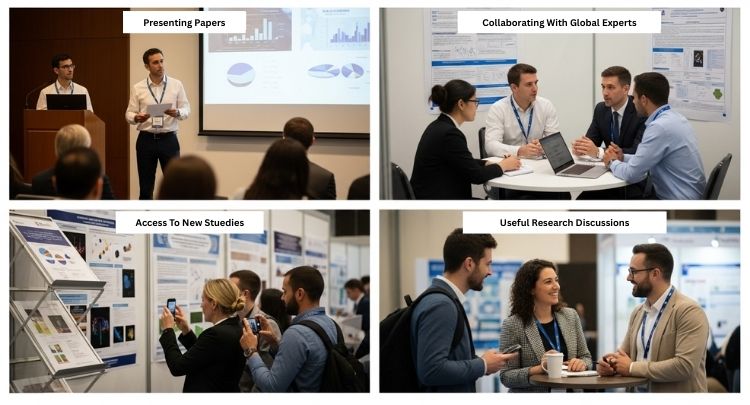
Presenting Papers
Researchers get an ideal platform to present their studies, findings, and ongoing work to a knowledgeable audience. This helps them refine their ideas based on expert feedback. It also allows them to showcase contributions that can influence current and future engineering practices.
Collaborating With Global Experts
These events bring together professionals from different countries who share similar research goals. Academics can connect with specialists, form new partnerships, and explore joint studies. Such collaborations help them broaden their perspectives and improve the quality of their work.
Access to New Studies
Researchers gain exposure to the latest engineering research, published work, and technical advancements from various regions. This helps them stay updated with global trends and strengthen their own academic knowledge. The information they gather supports future studies and improvements.
Getting Publication Opportunities
Many conferences offer opportunities for accepted papers to be published in journals or official proceedings. This helps academics strengthen their research portfolio and gain recognition. It also helps them reach wider audiences who may be exploring similar topics.
Useful Research Discussions
These conferences create a space where researchers can engage in deep, meaningful discussions with peers. They can ask questions, share insights, and compare methods that improve the quality of their studies. These conversations help them refine research goals and shape future projects.
Researchers and academics gain valuable progress, visibility, and connections through these events. Now, let’s explore why international participants see Mexico as a strong learning destination.
Why International Participants Find Mexico a Valuable Learning Destination?
Mexico attracts global attendees because it offers unique engineering experiences, innovative project examples, and diverse learning environments. International participants gain exposure to regional challenges and creative solutions that are not always seen elsewhere. Let’s explore what makes Mexico so valuable before moving to the next section.
Mexico’s Engineering Challenges and Innovations
Mexico deals with varied landscapes, seismic zones, and fast-growing cities, which lead to creative engineering solutions. International visitors learn how local experts handle complex issues with practical methods. These experiences help them see new approaches they can apply in their own regions, making reasons to attend civil engineering conferences even clearer.
Well-Known Infrastructure Developments
From modern highways to advanced public transit and large irrigation systems, Mexico has impressive infrastructure models. International participants explore how these projects were planned and executed. This helps them understand large-scale project management and long-term engineering strategies.
Exposure to Latin American Engineering Perspectives
Attendees gain insight into engineering styles shaped by Latin American environments, cultures, and policies. They learn how regional priorities influence design, materials, and construction choices. This exposure broadens their understanding of global engineering diversity.
Cultural and Professional Exchange Benefits
Mexico offers a friendly environment where people from different countries share knowledge and build lasting relationships. Participants enjoy both cultural experiences and technical learning, creating a balanced and memorable visit. This combination strengthens global cooperation and encourages future collaboration.
International attendees find Mexico rich in learning opportunities, practical knowledge, and global connections. Up next, we will look at helpful tips for first-time participants joining an engineering conference in Mexico.
Tips for First-Time Attendees at Civil Engineering Conferences in Mexico
First-time attendees can make the most of their experience with a little preparation and clear planning. Understanding what to carry, how to present, and how to connect with others makes the event more rewarding. Here are helpful tips before moving to the closing section.
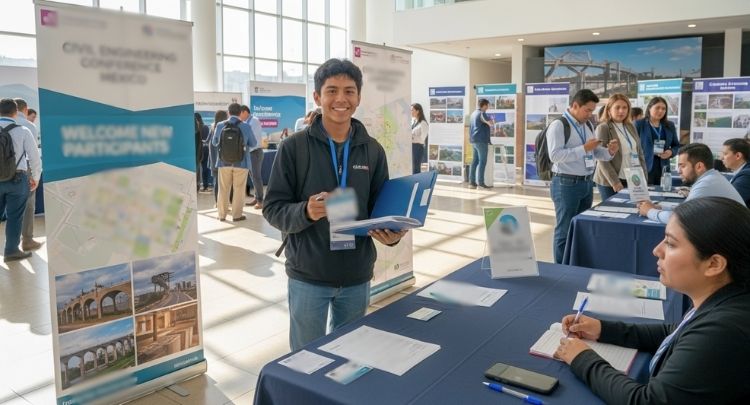
- Prepare early by reviewing the agenda, speakers, and session topics. This helps you choose discussions that match your interests and learning goals, especially if you have already started finding civil engineering conferences in Mexico that align with your field.
- Carry essential documents like your ID, registration details, travel papers, and any required academic or work materials. Keeping them in one place saves time and avoids stress during entry or check-in.
- If you plan to present, practice your content several times and keep your slides clear and simple. Focus on the key message so the audience can easily follow your ideas and engage with your topic.
- Build connections by joining discussions, introducing yourself confidently, and exchanging contact details. Friendly conversations often lead to new opportunities, learning moments, and long-term guidance from experienced professionals.
- Learn basic local etiquette and plan travel routes ahead of time to move comfortably between venues. Understanding cultural norms helps you communicate better and enjoy your stay without confusion.
These simple steps help first-time attendees enjoy their conference experience with confidence and clear direction. Now, let’s move to the final thoughts that bring everything together.
Frequently Asked Questions
Here are some common questions readers often ask after learning about civil engineering conferences in Mexico. These answers will help you understand the experience better and feel more prepared before joining any event.
What Should I Wear To A Civil Engineering Conference In Mexico?
Most conferences follow a simple business casual style that is comfortable yet professional. Light clothing works well because the weather can be warm. Avoid anything too informal so you can make a good impression during meetings.
How Early Should I Register For A Conference?
It is best to register as early as possible to secure your spot and get better travel options. Early registration helps you avoid last-minute stress. Some events also offer discounts for early sign-ups.
Are These Conferences Helpful For Job Seekers?
Yes, they are very helpful because many companies, project leaders, and recruiters attend. You can share your resume, ask questions, and learn what employers expect. These events often create strong job opportunities for motivated participants.
Can I Attend If I Do Not Work Directly In Civil Engineering?
You can still attend if your work connects with construction, planning, technology, or research. Many sessions welcome people from related fields. The conference can still offer useful knowledge and networking opportunities.
Do I Need To Know Spanish To Join A Conference In Mexico?
Most international conferences offer English sessions, so you can follow the discussions comfortably. Knowing basic Spanish greetings is helpful but not necessary. You will still enjoy the event without language difficulties.
Are There Opportunities To Visit Project Sites During The Event?
Some conferences organize optional field visits to important construction or infrastructure sites. These visits help you see real engineering work up close. It is a great chance to learn practical details beyond the conference sessions.
What Is The Best Way To Connect With Speakers And Experts?
Start by introducing yourself politely after sessions and asking simple questions. You can also connect on LinkedIn to continue the conversation later. Most experts are friendly and open to guiding new professionals.
Concluding Words
Understanding who should attend a civil engineering conference in Mexico helps readers see how valuable these events are for learning and career growth. Each group gains something different, yet all leave with stronger skills and clearer direction.
These conferences bring people together to share ideas, learn from real examples, and explore smart solutions. The experience supports both new learners and experienced professionals, making it a meaningful event for anyone interested in engineering progress.
If you want to expand your knowledge, grow your network, or learn practical methods, these conferences offer a strong starting point. They remain a helpful space for building confidence and moving forward in the field.