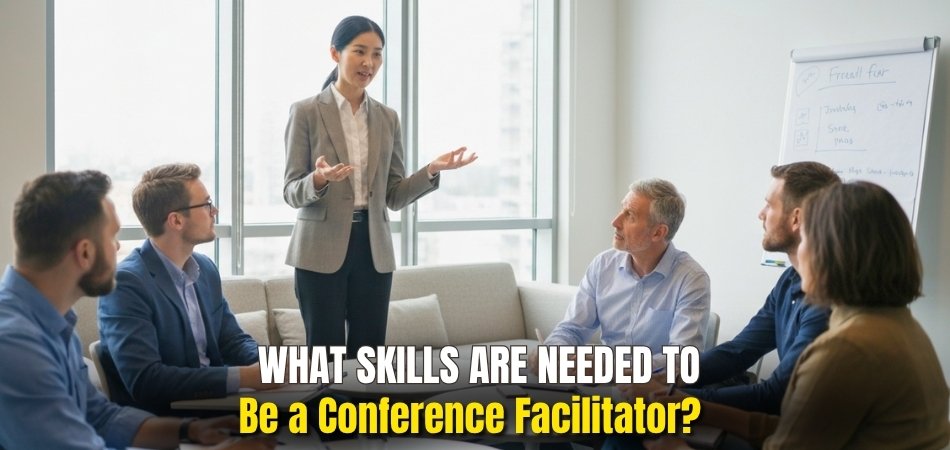
The smooth operation of meetings and maintaining everyone’s attention depend heavily on the conference facilitator. They guide discussions, manage time, and help people work together with ease. Many people often wonder what makes someone effective in this role and what skills are needed to be a conference facilitator.
A conference facilitator needs skills in active listening, clear communication, time management, and conflict handling. They must stay neutral, plan agendas well, and adapt calmly to changes. Strong empathy, smart questioning, and fairness help them guide discussions smoothly and keep every participant engaged.
Do you want to understand what makes a facilitator truly skilled and confident during a conference? Keep reading because this article shares all the key skills, steps, and tips you need to know.
What Skills Are Needed to Be a Conference Facilitator?
Running a conference well takes more than just confidence. You need to plan carefully, listen closely, and guide people in the right direction. A good facilitator helps everyone take part and keeps things on track. Let’s go over the key skills you need to do this well.
Active Listening
Good listening helps you understand what people really mean. You catch important details and feelings that may not be said directly. It also shows that you care about what others share. This helps build trust and keeps discussions real and balanced.
Clear Communication
You must speak in a way that everyone understands easily. Use simple words and short sentences when giving directions or sharing updates. Good communication keeps everyone focused and helps avoid confusion. It also helps make sure all voices are heard.
Smart Questioning
Asking good questions keeps the group talking and thinking. Open-ended questions work best because they bring out more ideas and opinions. This helps people feel involved and keeps the meeting lively. It also guides the group toward useful outcomes.
Planning and Agenda Setting
Strong planning helps make the event run smoothly. A clear agenda tells people what to expect and keeps discussions on track. It’s good to set time limits for each topic and follow them closely. This is important, especially for international events like upcoming conferences in Canada, where timing matters a lot.
Time Management
Managing time well keeps the meeting balanced and effective. You need to move from one point to another without rushing or wasting time. It also helps participants stay alert and interested. Keeping things on time shows respect for everyone’s schedule.
Neutral and Fair Behavior
A good facilitator stays fair and avoids taking sides. This helps all participants feel respected and heard. Staying neutral also reduces tension when opinions differ. It builds a safe space for honest discussion.
Handling Conflicts
Sometimes, disagreements happen during discussions. Your job is to calm things down and find common ground. Listen to both sides before suggesting a solution. A calm attitude helps turn conflict into teamwork.
Empathy and Understanding
Showing care for others’ feelings makes people feel valued. It helps you connect with them and keep the group spirit strong. Understanding emotions also helps manage stress during tough talks. A little kindness can go a long way in keeping peace.
Adaptability and Calmness
Things don’t always go as planned. You may face delays, tech issues, or last-minute changes. Staying calm and flexible helps you handle surprises smoothly. When others see your calm nature, they’ll feel safe and confident as well.
A great conference facilitator combines these skills naturally. They help people work together, share ideas, and reach clear results. With practice and care, you can guide any group to success. These skills are useful for any event, big or small, and make your role truly meaningful.
Key Responsibilities of a Conference Facilitator
A conference facilitator makes sure meetings and events go well from start to finish. They guide discussions, manage time, and encourage teamwork. Here are the main responsibilities that help them keep everything organized and effective during a conference.

- Guide the Discussion: Lead each part of the session, help people stay on topic, and bring them back on track. This keeps the focus strong and avoids wasting time or losing direction.
- Keep time / Enforce the Schedule: Watch the time, remind speakers about remaining minutes, and manage session changes. Staying on track prevents long delays and keeps the whole event running smoothly.
- Manage Agenda Flow: Move from one topic to another naturally and adjust when something takes longer or shorter. This keeps the event flexible while ensuring every part gets attention.
- Encourage Participation: Invite quieter people to speak and limit those who talk too much. Asking helpful questions ensures everyone’s ideas are heard and respected.
- Handle Questions & Discussion: Guide Q&A clearly, moderate debates, and make sure answers are easy to follow. This makes discussions more meaningful and enjoyable for everyone.
- Resolve Conflicts or Disruptions: Calm tense moments, manage disagreements fairly, and steer the group back to the topic. This helps create a respectful and comfortable space for all.
- Ensure Smooth Communication: Repeat or explain points, connect ideas, and confirm understanding. Clear communication helps everyone follow along and stay engaged in the discussion.
- Prepare Ahead & Follow Up: Review materials before the event, plan questions, and prepare backups. After the session, note down key decisions and next steps to use later.
A skilled facilitator keeps everything balanced and on time. They make sure everyone participates, sessions stay productive, and ideas lead to real outcomes. With good preparation and teamwork, they help every conference achieve its purpose successfully.
How To Develop Conference Facilitation Skills?
Facilitation is about helping groups work well together. It needs patience, practice, and planning. The more you lead sessions, the better you get at reading people. Let’s go over simple steps that help you become a skilled conference facilitator.

Learn the Basics
Start by reading about different facilitation methods and group behavior. Watch skilled facilitators and notice how they guide sessions. Join short training programs or online workshops to learn simple tools. While learning new techniques, it’s also important to grow the core traits of an effective conference facilitator that make you confident and adaptable.
Practice in Small Settings
Take small chances to lead meetings or workshops. You can offer to guide club discussions or classroom activities. The goal is to get comfortable in front of groups. With each session, you will learn how to manage time and handle mixed opinions calmly.
Seek Helpful Feedback
After each event, ask people what went well and what didn’t. Listen to their ideas and note small things you can improve. Use feedback as a guide to make your next session smoother. This habit helps you grow faster and feel more sure of your skills.
Build Strong Soft Skills
Good facilitators stay calm and kind during tough talks. Be patient with people who take time to speak. Show empathy and listen to their side carefully. Speak with confidence and make sure everyone feels heard and respected in the room.
Prepare Before Each Session
Know what the meeting aims to achieve before it begins. Go through all materials, plan how to open and close topics, and prepare backup questions. Also, think ahead about what might go wrong and how you will fix it quickly.
Learn to Adapt and Reflect
Sometimes meetings go off track or get tense. When that happens, stay calm and guide the group back to the goal. After the session, take time to think about what worked and what can be better next time. Reflection keeps your skills growing.
Facilitation is a skill anyone can build with practice and care. The more you prepare and reflect, the easier it becomes to manage groups. Keep learning from your sessions and stay open to feedback. Over time, you will guide meetings with ease and confidence.
Common Challenges in Conference Facilitation
Leading a conference is not always smooth or simple. Even skilled facilitators face unexpected challenges that can slow things down. It takes patience, awareness, and quick thinking to manage such moments well. Below, you will find some common issues and simple ways to handle them better.
Handling Conflicts and Disagreements
Sometimes people in a group have strong or opposite opinions. This can cause tension and make others uncomfortable. The best step is to stay calm and neutral. Let both sides share their thoughts briefly, then remind everyone about the ground rules and shared goals. Keep the talk respectful and focused.
Managing Dominant Participants
A few people may talk too much or interrupt others often. This can stop quieter voices from sharing ideas. Try to gently guide the talk by saying, “Let’s hear from someone who hasn’t spoken yet.” You can also use a “round-robin” method where everyone gets a turn to speak.

Engaging a Quiet Audience
At times, the group may seem silent or shy to speak up. They might be unsure of what to say or fear judgment. You can make it easier by using short icebreakers or asking direct but friendly questions. Try small group talks to help people open up and share ideas comfortably.
Keeping Talks on Track
It is easy for discussions to drift off the main topic. When this happens, politely guide the talk back by saying, “Let’s return to our main question.” You can note side topics on a “parking board” and revisit them later if there’s time. This keeps everyone focused on the goal.
Managing Time Effectively
Sometimes sessions take longer than planned. To stay on track, shorten nonessential parts or remind speakers of time limits early. Always keep a few minutes as a buffer. For example, in a panel discussion, when only a few minutes remain, the facilitator can signal, “We have three minutes left,” to help wrap up smoothly.
Dealing with Technical or Logistical Problems
Tech issues like a broken mic, room changes, or late speakers can happen anytime. Keep calm and have backup plans ready, such as an extra mic or alternate room. Communicate updates clearly so people know what to expect. Staying calm helps others stay calm too.
Clarifying Outcomes and Next Steps
By the end of a session, everyone should know what happens next. If not, confusion can follow later. Always end by summarizing the main decisions, assigning tasks, and confirming agreements. This ensures everyone leaves with the same understanding and purpose.
Many of these problems can be avoided when organizers choose the right conference facilitator who understands how to manage discussions and people calmly. The main goal is to keep the group respectful, focused, and productive. With clear steps and calm control, every session can end with real results.
Tools And Techniques Used By Conference Facilitators
Conference facilitators use different tools and techniques to make meetings and sessions run smoothly. These tools help them stay on track, manage time, and keep everyone involved in the discussion. Here are some of the most common ones.

- Timers or Timekeeper Apps: These tools help track how long each session or activity takes, ensuring no part runs overtime and keeping the whole program on schedule.
- Whiteboard, Flipchart, or Sticky Notes: They help write down and display ideas visually, making group discussions easier to follow and encouraging creative participation from everyone.
- Polls or Live Surveys: Quick polls or surveys are used during sessions to gather opinions, preferences, or instant feedback from participants, keeping everyone actively involved.
- Audience Response Systems or Apps: These allow people to vote, ask questions, or share thoughts in real time, helping facilitators adjust sessions based on group input.
- Note-taking or Scribing: This method records the main ideas, decisions, and future actions discussed, ensuring that nothing important is forgotten after the session ends.
- Breakout Rooms or Small Groups: Large groups can be divided into smaller ones for deeper conversations, making it easier for everyone to share their thoughts freely.
- Graphic Facilitation or Visual Note Maps: Visual drawings and maps are used to explain ideas more clearly and keep participants interested throughout the discussion.
- Agenda with Built-in Buffers: Extra time is added between sessions to handle delays, allow transitions, or give participants short breaks when needed.
- Parking Lot Method: A section is created to park off-topic ideas for later discussion, helping the session stay focused without losing useful suggestions.
- Ground Rules or Norms: Simple rules like listening respectfully and not interrupting help maintain order and ensure everyone gets a chance to speak.
- Electronic Meeting Systems or Collaborative Platforms: These digital tools make it easy for groups to share input anonymously, manage agendas, and organize ideas in an online setup.
Using these tools helps facilitators keep meetings organized and engaging. They make communication easier, support better teamwork, and help reach goals smoothly while ensuring everyone feels heard and involved in the process.
FAQs About What Skills Are Needed to Be a Conference Facilitator?
Every conference facilitator has to handle many different situations. Some skills come from training, and others grow with real experience. These FAQs will help you understand more about the small but important things that make a facilitator effective. Let’s look at the common questions people ask about building these skills.
How Can a Facilitator Build Confidence Before a Conference?
Building confidence starts with good preparation. Go through the event plan, review topics, and know who will attend. Practice speaking in front of friends or record yourself to check your tone and clarity. The more prepared and familiar you are with the material, the calmer and more confident you will feel.
Why Is Observation Important for New Facilitators?
Watching experienced facilitators in action helps you learn faster. You can notice how they manage time, respond to questions, and keep the group engaged. It also helps you understand how they stay calm under pressure. Observation gives real examples that books or training sometimes cannot show.
How Can a Facilitator Improve Group Engagement?
Keeping people involved takes creativity and attention. Use short activities, ask simple questions, and invite everyone to share ideas. You can also divide large groups into smaller ones to make talking easier. Changing the pace and including fun moments helps keep everyone interested.
What Role Does Body Language Play in Facilitation?
Body language sends a strong message even without words. A smile, eye contact, and open posture make people feel welcome. Standing straight and using light hand gestures shows confidence. Being aware of your body language also helps build trust and keeps the room energy positive.
How Can a Facilitator Handle Nervousness During Sessions?
Feeling nervous is normal, even for professionals. You can manage it by taking deep breaths and focusing on your main goal. Remind yourself that mistakes are part of learning. Starting with a friendly greeting or small talk helps ease tension for both you and the audience.
Why Should a Facilitator Learn About Different Cultures?
Conferences often bring people from different countries and backgrounds. Knowing about their cultures helps you avoid misunderstandings and show respect. It also helps you plan sessions that make everyone feel included. This awareness creates a friendly and open atmosphere for all participants.
How Can a Facilitator Keep Energy Levels High in Long Events?
Long events can make people tired or distracted. Use short breaks, fun icebreakers, or energizing questions to refresh the group. You can also change activities often to keep things moving. Keeping your own voice lively and your mood positive helps lift the whole room’s energy.
What Makes Feedback Valuable for a Facilitator’s Growth?
Feedback helps you understand what worked and what didn’t. It shows how people feel about your style and timing. By listening to honest comments, you can improve your next sessions easily. Over time, regular feedback turns small changes into strong skills.
How Can a Facilitator Build Trust With Participants?
Trust grows when people feel safe to share their thoughts. You can build it by listening without judging and treating every idea with respect. Being honest, kind, and fair also makes people open up more. When trust is strong, discussions become smoother and more meaningful.
Why Is Flexibility an Important Skill for Facilitators?
No matter how well you plan, surprises can happen during a conference. A flexible facilitator can quickly adjust and keep the session on track. This may include changing the schedule or handling technical problems calmly. Flexibility helps you stay in control and makes others feel confident in your guidance.
Conclusion
A great facilitator knows how to plan, listen, and guide people smoothly through every session. They stay calm under pressure, manage time well, and keep discussions balanced and fair. These qualities clearly explain what skills are needed to be a conference facilitator.
To improve as a facilitator, keep practicing, stay open to feedback, and always prepare before each event. Be patient, stay neutral, and make sure everyone feels included. With these habits, you’ll lead confident, successful conferences. Best wishes for your journey ahead!