
Every successful conference starts with more than just ideas and speakers, it begins with the people who make it all happen behind the scenes. From planning logistics to ensuring a smooth experience for attendees, the committee’s efforts shape every moment that unfolds throughout the event.
So, what is the role of the conference committee? In simple terms, it is the guiding force responsible for managing every phase of the event. The committee sets the theme, organizes schedules, selects speakers, and handles financial and promotional responsibilities, ensuring that everything runs according to plan.
Their teamwork, communication, and strategic planning turn concepts into successful gatherings that leave a lasting impact on participants. Continue reading to explore how these dedicated professionals make every conference truly exceptional.
What Is the Role of the Conference Committee?
A conference committee serves as the driving force behind the success of any event. It brings together professionals who plan, organize, and execute every stage efficiently. From setting themes to managing logistics, their combined efforts ensure a smooth experience for both attendees and speakers. To understand its complete purpose, let’s look at the main roles that define how a committee functions effectively.

Academic or Scientific Roles
These members handle the intellectual framework of the event, especially for academic and research-based conferences in USA, Canada and beyond. They select relevant themes, review submitted abstracts, and approve papers for presentation. Their contribution ensures the conference maintains academic integrity, promotes knowledge exchange, and aligns with the latest developments in the chosen discipline.
Logistics and Operations Roles
The logistics and operations team ensures the event runs smoothly from start to finish. They coordinate venue arrangements, technical support, registrations, and session timings. Their precision prevents delays, reduces confusion, and ensures every participant enjoys a well-structured, efficient, and organized conference experience that reflects the professionalism of the organizing committee.
Financial and Administrative Roles
This team manages budgeting, funding, and expense tracking to ensure financial stability. They handle sponsor communications, oversee payments, and ensure all expenditures align with the set budget. Their careful management guarantees that resources are used wisely while maintaining transparency and supporting every department involved in the event’s success.
Marketing and Promotional Roles
Promotion plays a key part in attracting participants and sponsors. This team develops marketing strategies, manages social media campaigns, and creates promotional materials. Their consistent communication builds awareness, increases visibility, and ensures a strong turnout, making the conference more impactful and recognized across professional and academic networks.
Review and Evaluation Roles
After the event, these members collect feedback and measure success against set objectives. They evaluate attendee responses, participation levels, and overall satisfaction. Their analysis helps improve future planning, strengthen the event’s structure, and maintain high standards for all upcoming conferences, ensuring consistent growth and better execution over time.
Every role within a conference committee plays a unique part in achieving collective success. Together, these coordinated efforts ensure that each event is not only well-organized but also meaningful, memorable, and impactful for every participant involved.
Who Are the Members of a Conference Committee?
A conference committee brings together skilled individuals who share the responsibility of planning and executing a successful event. Each member contributes unique expertise that ensures every stage of the conference, from preparation to completion, runs smoothly and efficiently while meeting the event’s goals and maintaining a professional standard. To understand the team structure clearly, let’s explore the key conference committee members and how they work together to ensure success.
Chairperson
As the leader of the committee, the chairperson guides all members toward the event’s vision and goals. They coordinate between departments, make final decisions, and handle major challenges. Their leadership ensures that every aspect of planning and execution stays organized, timely, and aligned with the overall objectives of the conference.
Co-chair

Supporting the chairperson, the co-chair manages delegated responsibilities and assists in key decisions. They ensure smooth collaboration among subcommittees and help maintain the workflow when the chairperson is unavailable. Their role strengthens leadership balance, ensuring stability, communication, and consistent progress across all organizing activities before and during the event.
Program Chair
The program chair focuses on academic and content-related elements of the conference. They design the event theme, review submissions, and prepare the session schedule. Their efforts ensure that presentations are well-structured, diverse, and relevant, providing attendees with meaningful discussions and valuable insights that align with the overall purpose of the event.
Finance Officer
Managing the conference budget, sponsorship deals, and expense tracking, the finance officer oversees all financial operations, ensuring that resources are used effectively and transparently. Their strong financial oversight allows the event to maintain high quality while staying within budget, making them vital to the committee’s planning and stability.
Communications Lead
The communications lead is responsible for all announcements, press releases, and participant updates. They ensure consistent communication between organizers, speakers, and attendees. Their ability to share accurate information on time builds trust, keeps participants informed, and supports the professional image of the conference across all communication channels.
Reviewers
Reviewers play a key role in maintaining academic credibility. They evaluate paper submissions, ensuring the content aligns with the conference theme and meets quality standards. Their constructive feedback helps select the best research and ideas for presentation, ensuring attendees gain value from expert, relevant, and well-reviewed contributions throughout the event.
Volunteers
Volunteers are the backbone of on-site coordination. They assist in registration, guide participants, and support technical and logistical needs. Their enthusiasm and responsiveness ensure attendees have a positive experience. Volunteers help create a welcoming environment that reflects the professionalism and dedication of the entire conference organizing team.
Each of the conference committee members contributes essential skills that make the event successful. Their collaboration, clear communication, and dedication ensure every detail is managed efficiently, turning a complex plan into a well-organized and memorable conference experience.
How Does the Committee Define Conference Goals?
Defining clear goals is one of the most important responsibilities of a conference committee. Every successful event begins with a shared vision that reflects its purpose and target audience. To understand how this process works, let’s explore the main steps the committee follows when setting and refining conference goals.

Deciding the Central Theme or Focus
The committee begins by selecting a central theme that aligns with current industry or academic trends. They consider the needs of the participants, potential speakers, and sponsors. Through brainstorming sessions and discussions, the committee ensures the chosen theme is both engaging and relevant to the conference’s target audience.
Aligning Objectives With Audience and Trends
Once the theme is set, the committee aligns the objectives with what the audience values most. They study recent research topics, emerging technologies, or sector challenges. This alignment helps the conference stay relevant, encourages participation, and ensures attendees find meaningful connections between sessions and their professional interests.
Setting Measurable Outcomes
The committee defines measurable goals to track progress and success. These may include the number of paper submissions, attendee registrations, sponsorship targets, or engagement levels. Setting clear benchmarks allows the committee to evaluate performance, make necessary adjustments, and ensure the conference meets its intended outcomes effectively.
Internal Discussions and Decision-making
Committee members participate in structured discussions to refine ideas and finalize decisions. Brainstorming sessions encourage creativity, while vote-based methods promote fairness and inclusivity. This collaborative process helps balance different viewpoints, resulting in well-rounded goals that represent the collective vision of the entire organizing team.
Setting goals is a collaborative and thoughtful process. By defining themes, aligning objectives, and setting measurable outcomes, the conference committee ensures the event has purpose, focus, and lasting value for every participant involved.
Responsibilities Before the Conference Begins
Before the conference officially starts, most of the important groundwork is already completed. The planning phase shapes the event’s structure, theme, and logistics. It ensures that every aspect of the conference is carefully organized, from paper submissions to venue arrangements. To understand this phase better, let’s look at the core responsibilities that the committee manages before the event takes place.
Creating Timelines and Setting Submission Deadlines
The committee develops a detailed timeline that outlines all major tasks. They decide when to open submissions, review proposals, and confirm speakers. Setting clear deadlines helps members stay on track and ensures that every stage, from paper selection to registration, is completed in an organized and timely manner.
Preparing Calls for Papers and Promotional Materials
A key responsibility is preparing and publishing the Call for Papers (CFP) to attract high-quality submissions. The committee also creates promotional materials like event flyers, newsletters, and social media posts. These efforts increase visibility, attract researchers, and encourage broader participation across academic and professional circles.
Designing Sponsorship Packages
Finance and marketing teams work together to build sponsorship proposals that feel appealing and fair. These packages outline benefits like brand visibility, display space, and audience access. Well-structured offers attract sponsors while keeping the event financially steady and mutually rewarding.
Venue Selection, Budgeting, and Technical Planning
The committee selects a venue that fits the expected audience size, accessibility needs, and technical requirements. They coordinate with vendors, finalize budgets, and arrange audiovisual setups. Careful financial and technical planning guarantees that the event runs smoothly and meets both participant and organizer expectations effectively.
Communication and Coordination Among Subcommittees
Efficient coordination between subcommittees keeps the preparation phase on schedule. Regular meetings, progress updates, and open communication ensure that all departments work together effectively. This teamwork reduces errors, resolves challenges early, and maintains clarity throughout the entire pre-conference process. Use this pre-conference checklist template to track tasks, responsibilities, and deadlines effectively.
Example of a Pre-Conference Checklist:
| Task Name | Assigned To | Deadline | Status |
| Set conference dates and theme | Chairperson | March 1 | Completed |
| Finalize Call for Papers | Program Chair | March 10 | In Progress |
| Secure venue and vendors | Operations Team | March 20 | Pending |
| Confirm sponsors and partners | Finance Officer | April 1 | In Progress |
| Launch marketing campaign | Communications Lead | April 10 | Not Started |
The pre-conference phase defines the foundation of a successful event. By setting timelines, promoting submissions, and managing logistics efficiently, the committee ensures every detail is ready.
The Committee’s Role During the Conference
Once the conference begins, the organizing team shifts its focus to real-time execution. Every detail planned in advance comes into action, and smooth coordination becomes the top priority. The committee ensures that attendees, speakers, and guests experience a well-managed event that reflects professionalism, efficiency, and attention to detail throughout each session. Take a look at the committee’s major functions during the conference for a better understanding.
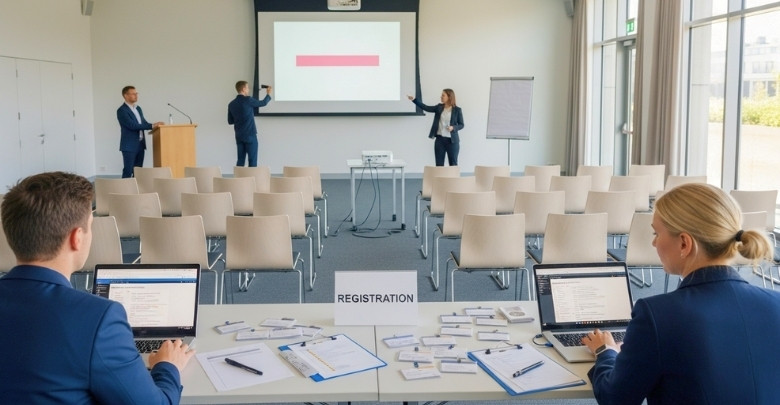
Registration and Attendee Management
The registration desk is the first point of contact for participants. Committee members manage check-ins, distribute materials like badges and programs, and assist with seating or queries. Their organized handling of registrations ensures attendees feel welcomed and informed, setting a positive tone for the entire conference experience.
Speaker Coordination and Technical Support
The committee works closely with speakers to ensure their sessions run smoothly. They manage presentation timing, coordinate audiovisual setups, and provide technical help when needed. The scientific committee of a conference also supports speakers by verifying presentation content and maintaining quality standards for all sessions.
Timekeeping and On-site Problem Resolution
Maintaining the schedule is crucial to avoid delays. Timekeepers monitor session durations, while organizers handle unforeseen challenges like equipment issues or last-minute changes. Their prompt responses and coordination keep the event on track and ensure that participants experience an uninterrupted, well-organized flow of activities.
Feedback Collection and Interaction Management
During the event, members gather feedback from participants through digital forms or personal interactions. This helps identify areas of improvement and ensures that attendees feel heard. Active communication and real-time response enhance engagement and help the committee measure audience satisfaction effectively.
Coordination with Media and Photography Teams
Media coverage and event photography play a major role in post-conference visibility. The committee supervises photographers and media representatives, ensuring key sessions, panels, and guest interactions are properly captured. This coordination helps in documenting the event professionally and promotes future editions of the conference through visual storytelling.
Optional Day-of-Event Schedule Example:
| Time | Activity | Responsible Person | Location |
| 8:00 AM | Registration Opens | Registration Team | Lobby |
| 9:00 AM | Keynote Speech | Program Chair | Main Hall |
| 11:00 AM | Panel Discussion | Moderator | Conference Room A |
| 1:00 PM | Lunch Break | Operations Team | Dining Area |
| 3:00 PM | Workshop Session | Technical Team | Room B |
| 5:00 PM | Closing Remarks | Chairperson | Main Hall |
The success of any conference depends largely on how efficiently it is managed on the day of the event. By maintaining communication, solving problems quickly, and supporting every participant, the committee ensures that the conference runs smoothly and leaves a lasting, positive impression on all attendees.
Post-Conference Evaluation and Feedback
After the conference concludes, the committee’s focus turns toward reflection and improvement. This phase is essential for understanding how well the event met its objectives. Evaluating results, analyzing attendee responses, and recognizing achievements help the organizing team strengthen future planning and maintain consistent growth for upcoming conferences.
To understand this stage clearly, let’s look at the main responsibilities the committee handles after the event.
Gathering Participant Feedback and Survey Data
The committee collects feedback from attendees, speakers, and sponsors to evaluate overall satisfaction. Surveys are distributed through email or digital forms, covering topics like content quality, organization, and hospitality. These insights help the committee identify what worked well and which areas need improvement for future editions.
Reviewing Session Success Metrics
Each session is reviewed based on attendance, audience participation, and engagement levels. The committee analyzes which topics drew the most interest and which sessions could be improved. This review helps in adjusting formats, timing, or speaker selections to better align with audience preferences in upcoming conferences.

Preparing Reports and Recommendations
After reviewing the data, the committee compiles a detailed report summarizing the event’s outcomes. It includes participant feedback, budget summaries, and performance metrics. The report also highlights recommendations for future improvements, providing a valuable reference for upcoming organizing teams to build on past successes.
Sending Certificates and Thank-You Emails
A key post-conference task is recognizing participants, speakers, and sponsors. The committee sends certificates of participation, appreciation letters, and thank-you emails. This gesture maintains goodwill, strengthens relationships, and encourages continued engagement with the conference’s community and future events.
Publishing Post-Event Content
To extend the impact of the event, the committee publishes post-conference materials such as proceedings, photo galleries, or highlight videos. Sharing these resources online helps reach a wider audience, preserves the event’s outcomes, and promotes the credibility and visibility of the organizing institution or association.
Post-Conference Evaluation Template:
| Evaluation Area | Key Metrics | Responsible Member | Findings Summary |
| Attendee Feedback | Survey Ratings, Comments | Communications Lead | 90% rated sessions highly |
| Session Performance | Attendance, Engagement | Program Chair | Most interest in panel discussions |
| Sponsorship Outcome | Revenue, Partner Satisfaction | Finance Officer | Sponsorship goals exceeded |
| Logistics and Support | Venue, Registration, Technical | Operations Team | Smooth execution with minor issues |
| Future Recommendations | Key Improvements | Chairperson | Add more interactive sessions |
Post-conference evaluation ensures continuous improvement and accountability. By collecting feedback, reviewing data, and sharing results, the committee closes the event on a professional note. This reflection not only celebrates achievements but also lays the foundation for even more successful and engaging conferences in the future.
Why is an Active Committee Essential for a Successful Conference?
A successful conference relies on the energy and commitment of an active committee. Each member’s dedication ensures that planning, coordination, and execution happen smoothly. When the committee remains engaged throughout every stage, the event creates a memorable experience for participants and stakeholders alike. Here are key ways an active team shapes a successful conference outcome.

Strong Teamwork Builds Efficiency
An active committee thrives on teamwork and open communication. Members share updates regularly, collaborate on solutions, and support one another during challenges. This cooperative approach enhances productivity, ensures no task is overlooked, and helps the entire team stay organized and motivated during busy preparation and execution phases.
Consistent Planning Drives Organization
Planning is the backbone of a conference’s success. Active committees set clear goals, prepare timelines, and monitor progress closely. Their consistent involvement helps avoid last-minute issues, ensures deadlines are met, and keeps the event’s flow structured from the earliest stages of preparation until the final evaluation.
Adaptability Strengthens Problem-solving
Unexpected issues can arise during any event, but an active committee responds quickly and effectively. Whether handling technical difficulties, speaker changes, or time adjustments, adaptability allows the team to find solutions under pressure. This proactive attitude keeps the event running smoothly and enhances participants’ overall experience.
Leadership Inspires Collective Growth
Active leadership within the committee motivates others to contribute their best efforts. When leaders communicate clearly and value each member’s input, it encourages commitment and creativity. This culture of mutual respect and encouragement leads to stronger outcomes and sets a positive example for future organizing teams.
An active, collaborative, and adaptable committee transforms an ordinary event into an exceptional one. By maintaining communication, teamwork, and commitment, members ensure lasting success. Every conference thrives on the strength of its people, and their dedication truly defines the quality and impact of the final experience.
Frequently Asked Questions
Every conference attendee or organizer often has questions about how committees operate behind the scenes. Below are some common questions that provide extra insights into the structure, responsibilities, and importance of conference committees in making each event successful and well-organized.
How Are Members Selected for a Conference Committee?
Members are usually selected based on their expertise, experience, and interest in the event’s subject. Organizers look for individuals with leadership, communication, and planning skills. Each member is chosen to bring balance and efficiency to the committee’s overall work.
What Skills Are Important for Committee Members?
Strong communication, teamwork, and time management are essential. Members also benefit from decision-making and problem-solving abilities that help them handle challenges smoothly. Having organizational and leadership skills ensures that every stage of the conference remains well-coordinated and effective.
How Often Does the Committee Meet Before a Conference?
Meetings are usually held every few weeks during early planning and become more frequent as the event approaches. These meetings help track progress, discuss updates, and resolve challenges. Consistent communication ensures smooth coordination among all teams.
Can Volunteers Become Permanent Committee Members?
Yes, many volunteers who perform well are later invited to join as regular members. Their dedication and understanding of event operations make them strong candidates. It’s a great way to gain experience and contribute more deeply to future conferences.
What Happens If a Committee Member Cannot Fulfill Their Role?
If a member cannot continue, responsibilities are reassigned to another member to maintain the workflow. The committee ensures no tasks are left incomplete. Open communication and flexibility help keep the planning process stable and uninterrupted.
How Does the Committee Handle Conflicts or Disagreements?
Conflicts are managed through open discussion and collective decision-making. Members share opinions respectfully, and the chairperson often mediates to find a fair solution. This collaborative approach helps maintain harmony and ensures that planning continues smoothly.
Why Is Feedback Important for Future Conferences?
Feedback helps identify strengths and weaknesses from both attendees and organizers. It guides committees in improving future conferences by refining strategies and addressing gaps. Continuous evaluation ensures better experiences and higher satisfaction in upcoming events.
Concluding Lines
Understanding what is the role of the conference committee helps us appreciate the teamwork behind every successful event. Each member plays a unique part in ensuring that everything runs smoothly, from planning and organizing to managing and evaluating the outcomes afterward.
Their efforts not only maintain structure and professionalism but also create meaningful experiences for attendees and speakers alike. A strong and active committee brings balance, creativity, and efficiency, turning challenges into well-managed solutions that define the quality of the entire conference.
In the end, a conference’s success depends on how effectively its committee works together. Their dedication, communication, and shared vision are what transform an ordinary gathering into an extraordinary event that inspires learning, connection, and collaboration.