Conferences bring people together to share ideas, learn, and connect. Behind every successful event are skilled people who make it all run smoothly. Many people often wonder what makes these roles different, and that leads to one common question: what is the difference between a conference facilitator and a moderator?
The main difference between a conference facilitator and a moderator is their focus. A moderator manages discussions, asks questions, and keeps talks on topic, while a facilitator guides group activities, encourages teamwork, and helps achieve shared goals. Moderators lead content; facilitators lead collaboration.
Are you curious to know how both roles shape a successful event? Keep reading, and you’ll find everything you need to understand how facilitators and moderators work, their skills, and when to hire each one.
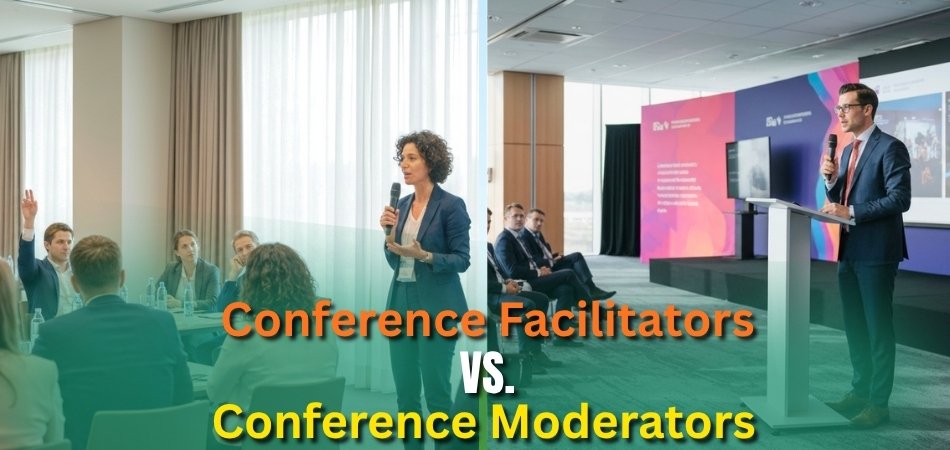
What is the Difference Between a Conference Facilitator and a Moderator?
Both facilitators and moderators play key roles in events and meetings. They help people communicate, share ideas, and reach goals together. Even though their duties sound similar, their focus and style are quite different. Keep reading to understand the details clearly in the sections below.
| Aspect | Moderator | Facilitator |
| Main Role | Guides formal talks or panels. | Leads group work toward goals. |
| Purpose | Keeps discussion clear and focused. | Helps team reach shared outcomes. |
| Focus Area | Content and audience engagement. | Process and team collaboration. |
| Approach | Directs conversation and timing. | Guides group through open discussion. |
| Content Involvement | Needs topic knowledge for clarity. | Stays neutral to discussion content. |
| Skills Needed | Confident, curious, good listener. | Patient, open, and supportive leader. |
| Communication Style | Asks probing, topic-based questions. | Encourages equal and active talking. |
| Common Setting | Panels, interviews, or live debates. | Workshops, training, or team meetings. |
| Example | Journalist hosting a TV debate. | Trainer guiding a planning workshop. |
| Goal | Keep the talk meaningful for the audience. | Build teamwork and clear outcomes. |
Main Role
A moderator handles formal talks or panels by guiding speakers. They ask clear questions to keep things on topic and organized. On the other hand, a facilitator leads teamwork activities and helps people reach shared goals. Both roles focus on smooth communication but use different ways to achieve it.
Purpose
The goal of a moderator is to keep discussions meaningful and focused. They make sure speakers share helpful points that match the event’s topic. A facilitator’s goal is to help the group find common ground and results. Both aim for clarity, but in different settings and styles.
Focus Area
A moderator’s focus stays on the discussion content and the audience’s interest. They make sure ideas flow and time is used well. Especially for global events like upcoming conferences in USA, Canada, or any other country, where teamwork and communication are key, both roles become very important.
Approach
Moderators take a direct approach by asking questions and managing time. They control how long each speaker talks and guide responses. Facilitators take a more open approach, allowing everyone to join the discussion freely. This method helps people share ideas in a relaxed setting.
Content Involvement
Moderators need a strong understanding of the topic they discuss. Their questions and follow-ups depend on good knowledge of the subject. Facilitators stay neutral and do not need deep content knowledge. Their main task is to guide how the group communicates and solves problems.
Skills Needed
A good moderator must be confident, curious, and a great listener. They should know how to handle questions and keep the talks smooth. A facilitator must be patient, friendly, and supportive to all. Their main strength lies in bringing everyone together as a team.
Communication Style
Moderators communicate by asking probing questions that draw useful insights. They make sure speakers stay on topic and share clear ideas. Facilitators use a calm and friendly tone to make people comfortable. They encourage everyone to take part and speak freely during the session.
Common Setting
Moderators are often found at panels, interviews, or live debates. They work best when many people need to share thoughts with an audience. Facilitators usually work in workshops, planning meetings, or group projects. These settings need teamwork and open space for new ideas.
Example
Think of a journalist hosting a live TV debate. They control the discussion and make sure it stays on point. A facilitator, however, is more like a workshop leader who guides group planning. Both lead discussions but use very different methods and goals.
Goal
The end goal for a moderator is to give the audience useful insights. They keep the discussion meaningful and focused from start to finish. A facilitator’s goal is to help groups build teamwork and decision-making. Their success is measured by shared results, not personal control.
Both moderators and facilitators make meetings and events run smoothly. They bring structure and balance to group communication in unique ways. Knowing how each role works helps organizers plan successful events. This is very helpful for large programs, where teamwork and clarity matter most.
Key Skills That Make a Good Conference Facilitator and a Good Moderator
A great conference needs both a skilled facilitator and a confident moderator. They may seem similar, but each plays a special role in keeping things organized, engaging, and fair so the event runs smoothly from start to finish. Here’s a quick look at the key skills that make them effective.
Key Skills of a Good Facilitator

- Communication / Clarity: A facilitator explains processes clearly, asks helpful guiding questions, and restates ideas so everyone can follow the discussion and stay on the same page.
- Time Management: A facilitator keeps every agenda item on track, manages breaks and transitions, and ensures the event finishes on time without rushing participants.
- Neutrality / Impartiality: A facilitator remains neutral and avoids giving personal opinions. They make sure all participants feel equally supported and respected during the discussion.
- Listening / Active Listening: A facilitator listens carefully to find hidden issues or confusion, then asks follow-up questions that help move the conversation forward.
- Problem-Solving / Adaptability: A facilitator adjusts easily if something changes, like a speaker canceling or a session going off track, by adding backup activities or adjusting timing.
- Facilitation of Group Dynamics: A facilitator creates balance by encouraging quiet participants to share and preventing others from dominating, helping the group reach a shared outcome.
- Questioning / Probing: A facilitator asks open questions that encourage deeper thinking, allowing participants to explore new ideas and perspectives together.
- Confidence / Presence: A facilitator stays calm, confident, and approachable, guiding the group smoothly while maintaining control of the event’s flow.
- Preparation & Research: A facilitator studies the full agenda, possible challenges, and participants’ needs to design a process that helps everyone work together effectively.
- Technical & Tool Skills: A facilitator uses event tools like whiteboards, sticky notes, and online breakout rooms to support group work and keep things interactive.
Key Skills of a Good Moderator
- Communication / Clarity: A moderator introduces speakers clearly, poses good questions, and summarizes main ideas so the audience can easily follow the panel or discussion.
- Time Management: A moderator ensures every panelist or speaker gets equal time to talk and that the session ends on schedule.
- Neutrality / Impartiality: A moderator treats all viewpoints fairly and avoids showing favoritism, even when panelists disagree or topics get sensitive.
- Listening / Active Listening: A moderator pays close attention to what panelists and audience members say to guide the discussion in a logical and meaningful way.
- Problem-Solving / Adaptability: A moderator steps in smoothly if a panelist goes off-topic, helps redirect the conversation, or fills in gaps when discussions stall.
- Facilitation of Group Dynamics: A moderator keeps the conversation flowing naturally, making sure no one dominates and that all voices are heard during the session.
- Questioning / Probing: A moderator uses follow-up or clarifying questions to draw out useful and clear answers from speakers or experts.
- Confidence / Presence: A moderator projects confidence on stage, handles tense moments professionally, and keeps control even during tough discussions.
- Preparation & Research: A moderator researches each topic and panelist, noting possible tricky or controversial areas to manage them skillfully during the event.
- Technical & Tool Skills: A moderator manages microphones, slides, audience Q&A tools, and transitions to ensure the panel runs smoothly and without issues.
A facilitator guides the overall event process, while a moderator manages the discussion flow within a session. Together, they create an organized, lively, and balanced experience that helps participants and audiences gain real value from the event.
How Conference Facilitators and Moderators Work Together During a Conference?
Two main people keep things running well at a conference. The facilitator looks after the whole event and makes sure everything stays on track. The moderator focuses on a single session or panel and keeps the talk lively and clear. Let’s see how both roles work together to make a conference smooth and fun.
Planning Before the Event
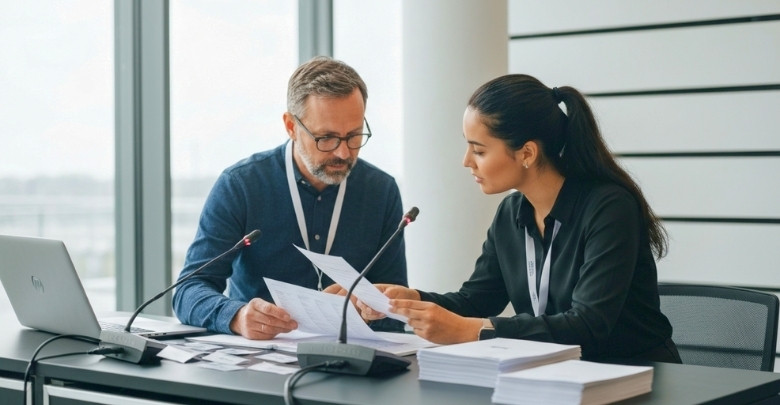
Before the event starts, the facilitator and moderator talk about the full plan. They go over the timing, themes, and order of sessions. This helps both understand how their parts fit into the bigger picture. A short meeting or call can help clear up any confusion early on.
Keeping Sessions on Time
During the conference, time is very important. The moderator makes sure their panel starts and ends on schedule. If the session goes long, they can signal the facilitator. The facilitator can then adjust breaks or next sessions so that the full event stays on time.
Managing Audience And Energy
The facilitator looks at how the audience feels and reacts. If people look tired or bored, they may plan a short break or a fun activity. The moderator, on the other hand, keeps each session active by asking clear questions and inviting audience input at the right time.
Handling Problems Smoothly
Sometimes, things do not go as planned. The microphone may stop working, or a session may lose focus. The moderator can tell the facilitator right away. The facilitator can then fix the issue or change the order of sessions to keep the event flowing smoothly.
Making the Conference Feel Connected
When both work well together, the whole event feels seamless. Each session links nicely to the next, and there are no long gaps or awkward pauses. The audience feels guided, informed, and part of something organized. This teamwork helps make a lasting good impression.
A good conference depends on teamwork between the facilitator and moderator. Each one has a clear role, and both support each other when needed. They make sure every session runs smoothly and fits well in the full plan. Together, they turn a busy event into a smooth and enjoyable experience.
When to Hire a Conference Facilitator vs. a Moderator for Your Event?
Planning an event can be fun, but also confusing at times. Many people mix up the roles of facilitators and moderators. Both are important, but they handle different things. Let’s break down when you need each one so you can plan better and save time.

Role in Multi-day Events
Large and long events often need both roles to run smoothly. A facilitator keeps the event on track and makes sure all sessions connect well. Moderators take care of smaller sessions and handle speaker questions. Together, they make sure your event runs well and stays focused.
Role in Single Panel Sessions
For short events like a single panel or debate, you only need a moderator. This person guides the talk, asks questions, and keeps speakers on topic. They make sure every voice is heard and time is managed well. There’s no need for a facilitator for such small events.
Role in Strategy or Decision-making Events
When your event is about planning or making big choices, hire a facilitator. They help people talk, share ideas, and agree on the next steps. Their main job is to guide teamwork and help reach clear decisions. This works best for retreats or planning workshops.
Role in Keynote-based Conferences
Events with many speakers and few group talks need more moderators. A moderator keeps each session organized and helps speakers stay on track. If you have panels, they guide those as well. You might also add an MC or host for a smooth flow between talks.
Role in Interactive Workshops
Workshops or breakout sessions need someone who can guide activities. A facilitator helps people join in and stay focused on results. They help with group tasks and make sure every voice matters. In some cases, a co-facilitator can support smaller groups as well.
Understanding when to choose the right conference facilitator over a moderator depends on your event’s size, type, and level of audience interaction. Simple events with fewer talks need moderators. But if your event needs teamwork or group results, go for a facilitator. Picking the right role makes your event smoother and more engaging.
Common Mistakes People Make When Defining Conference Facilitator and a Moderator Roles
Many people mix up the roles of a facilitator and a moderator. They sound similar but serve different purposes during a conference. When these roles are unclear, the event flow often becomes confusing. Let’s look at the common mistakes people make and how to fix them.
Assigning One Person Both Roles Without Clarity
When one person handles both roles, confusion often follows. They may not know if they should lead the talk or manage group activities. This mix-up can cause stress and lower event quality. Always define each role clearly so both sides know their duties.
Expecting a Moderator to Facilitate Group Dynamics
A moderator often focuses on guiding the talk, not on managing people. Expecting them to handle group behavior may cause awkward or tense moments. They might not know how to deal with conflict or quiet participants. This can make the session less engaging and balanced.
Expecting a Facilitator to Deeply Moderate Content
A facilitator usually helps keep the session smooth and inclusive. But expecting them to control every topic or detail is unfair. They might avoid correcting speakers or skip important content points. This leaves the session disorganized and without focus.
Not Giving Clear Instructions or Scope
When tasks are unclear, both roles can overlap and cause confusion. They might interrupt each other or miss key responsibilities. Giving clear guidance about who handles what prevents this problem. A short meeting before the event helps both stay on track.
Underestimating Prep Time
Many think both roles only work during the event, but that’s wrong. They both need time to plan, review the schedule, and know the audience. Without enough prep, they may struggle to perform well. Always include extra time for coordination before the event starts.
Not Budgeting Separately for Each Role
Sometimes organizers assume one fee covers both roles. This leads to surprise costs or hiring less skilled people. Each role requires different abilities and effort levels. Plan separate budgets for clarity and fair payment.
Defining these roles early makes a big difference in event success. Clear boundaries keep things organized and help everyone do their job well. Don’t rush this step or treat both roles the same. Take time to plan and give each role the space it needs to shine.
How to Budget for Conference Roles Like Facilitators and Moderators?
Planning your event budget takes time and smart choices. You need to think about who will run your sessions and how much they cost. Some roles, like facilitators or moderators, can change the whole flow of your event. Read below to understand how to plan and budget for them wisely.

Experience and Reputation
The cost of hiring a professional depends a lot on their experience. A well-known facilitator or moderator often charges more because of their skill and demand. Their work can make your event smoother and more engaging. When planning your event, understanding the fees for hiring a conference facilitator helps you allocate funds wisely and choose someone who fits your event’s scale and goals.
Event Duration
How long your event runs affects the total cost. A half-day session costs less than a full-day or multi-day event. Long events may also need breaks, more prep time, and extra support. Always set your rates based on time and how much work the person will do during that period.
Preparation Work
Facilitators and moderators often spend time before the event to prepare. They might research topics, attend calls with organizers, and join rehearsals. If travel is involved, that time also counts as part of their work. The more prep they need, the higher the cost will likely be.
Event Complexity
Large or complex events need more skilled professionals. When there are many sessions, breakout rooms, or hybrid setups, the work gets harder. Moderators and facilitators have to manage different formats and participants. This means their fees can be higher to match the effort and responsibility involved.
Travel and Lodging
If your event is not local, include travel and stay costs in your budget. This means covering flights, hotel rooms, and meals for your facilitator or moderator. Some may also charge for travel time. Always plan these costs early to avoid surprises later.
Creating a budget for your event roles keeps things organized and fair. It helps you understand what each task costs and why. A clear plan also shows respect for the professionals you hire. Make sure to balance quality with cost so your event runs smoothly and within budget.
FAQs About What Is the Difference Between a Conference Facilitator and a Moderator
People often get confused about the roles of a conference facilitator and a moderator. Both help events run smoothly, but they do very different things. To clear up this confusion, here are some common questions that many organizers and participants ask. Read below to find simple and clear answers to help you understand these two roles better.
What Makes a Conference Facilitator Different From an Event Host?
A conference facilitator plans, guides, and manages how people interact during the event. They make sure everyone stays involved and the goals are met. An event host, on the other hand, mainly welcomes people and introduces sessions. The facilitator works behind the scenes to keep things organized and smooth.
Can One Person Be Both a Facilitator and a Moderator?
Yes, it is possible, but it can be tricky to do both well. Handling both roles needs strong multitasking and a clear understanding of what each role requires. A person might struggle to manage both the overall flow and the session discussions at once. It’s better to have separate people for each job when the event is big.
Why Is a Facilitator Important in Group Discussions?
A facilitator keeps group talks fair and focused on results. They make sure everyone gets a chance to speak and be heard. Their calm guidance helps avoid arguments and confusion among participants. Without a facilitator, group discussions can easily lose direction or become unbalanced.
What Type of Personality Suits a Conference Facilitator?
A good facilitator should be calm, friendly, and patient. They need to listen well and stay neutral during discussions. Being organized and clear in communication also helps a lot. This type of person creates a space where others feel safe to share ideas.
How Does a Moderator Keep a Panel Discussion Engaging?
A moderator makes the talk lively by asking smart and clear questions. They help panelists share useful ideas that interest the audience. When someone talks too long, the moderator gently brings the focus back. Their goal is to make the session smooth, balanced, and full of value.
What Training Helps Someone Become a Good Facilitator?
To be a good facilitator, one can take courses on communication and leadership. Practice in group settings, like workshops or meetings, also builds skill. Learning how to handle conflict and manage time is very useful too. Experience and confidence grow with each event they help lead.
What Should You Look for When Hiring a Moderator?
When hiring a moderator, check if they are confident, curious, and well-prepared. They should know how to manage time and ask good questions. A strong voice and calm presence are also important for keeping control. Make sure they have some background in the event’s main topic.
How Do Facilitators Handle Conflicts During a Conference?
When conflicts happen, a facilitator stays calm and neutral. They listen to both sides carefully before offering any solution. Their main goal is to bring understanding, not to take sides. This approach helps the group refocus on working together again smoothly.
How Can Technology Help Facilitators and Moderators?
Modern tools like microphones, online polls, and chat apps help both roles. Facilitators can use them to collect feedback and keep people engaged. Moderators use them to manage Q&A sessions or show slides smoothly. These tools make the event more interactive and organized.
What Happens If There Is No Moderator or Facilitator?
Without these roles, an event can quickly lose structure and flow. Discussions might go off-topic, and audience attention may drop. People might talk over each other, and timing can easily run off track. Having at least one of these roles ensures order, focus, and better results for everyone.
Why Are Facilitators and Moderators Both Needed for Big Conferences?
Large conferences have many sessions happening at once, so both roles are important. The facilitator keeps the overall event running smoothly and on time. The moderator manages each session and keeps the talks engaging. Together, they make sure the whole event feels well-organized and enjoyable for all.
Conclusion
A well-planned event depends on having the right people in the right roles. Both facilitators and moderators play key parts in keeping things clear, smooth, and engaging. When you know who does what, your event flows better and gives everyone a more meaningful experience.
If you ever wondered what is the difference between a conference facilitator and a moderator?, here’s a quick answer. A facilitator guides the group process and teamwork, while a moderator manages discussions and speakers. Knowing this simple difference helps you choose the right person for each event type.
Before your next event, take time to match the role with the event’s needs. Set clear duties, plan early, and value both teamwork and timing. These small steps lead to big results. Wishing you all the best in planning a smooth and successful conference.