During international gatherings and events, a conference interpreter is essential to facilitating mutual understanding. They listen carefully, think fast, and translate spoken words in real time so everyone can follow along. Many people often wonder, what does a conference interpreter do?
A conference interpreter translates spoken language in real time to help people communicate at multilingual events. They use simultaneous or consecutive interpretation, match tone and meaning, prepare before sessions, and work with special equipment. Their role ensures clear, inclusive, and accurate communication across cultures.
Have you ever wanted to know how interpreters make international meetings run smoothly? If yes, this article will give you all the key details about their work. You’ll learn what they do, the skills they need, and the tools that help them succeed.
What Does a Conference Interpreter Do?
A conference interpreter makes sure people understand each other during global meetings. They listen to one language and speak it in another quickly. Their job helps everyone follow and join the conversation easily. Keep reading to learn what they do and why their role is so important.
Helping People Communicate Clearly
Their main goal is to help people share ideas smoothly. They make sure no message is lost between languages. By doing this, they build understanding among people from different countries. This skill is key for events where many languages are spoken together.
Working With Two Main Styles
Conference interpreters use two common types of interpretation. In simultaneous mode, they translate while the speaker is still talking. In consecutive mode, they wait for pauses before translating. Both styles need focus and strong listening and speaking skills to keep the meaning accurate.
Keeping Real-Time Accuracy
An interpreter must match not just the words but the tone as well. They work hard to carry the speaker’s emotion and intent correctly. A good interpreter makes the audience feel as if they are hearing the speaker directly. This helps everyone stay connected and engaged throughout the talk.
Preparing Before the Event
Before a conference starts, interpreters study the topic and key terms. They learn about the speakers, the program, and any technical words that may appear. This preparation helps them translate faster and more accurately. It also builds confidence to handle complex subjects during live sessions.
Using Special Equipment
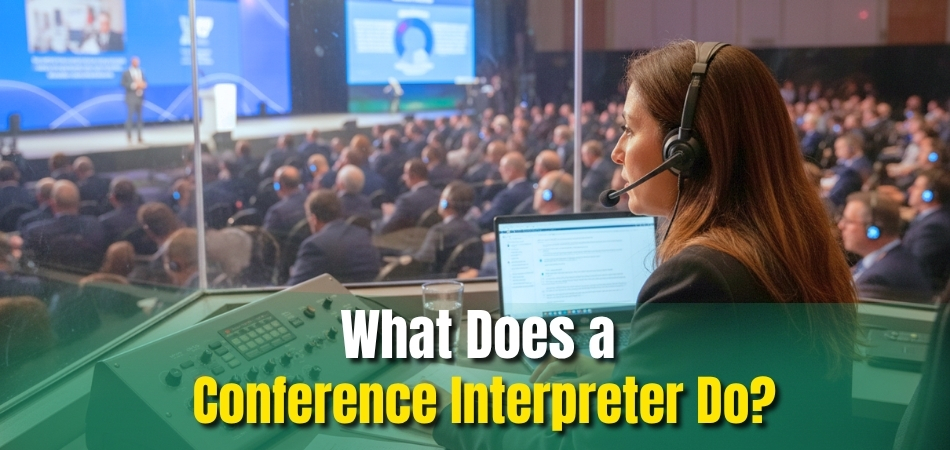
They often work inside a soundproof booth during large events. Interpreters use headsets, microphones, and screens to listen and speak at the same time. This setup lets them hear clearly and avoid background noise. The system ensures both the interpreter and audience have a smooth experience.
Supporting Global Events
Their work is vital for global conferences where many languages meet. They help business leaders, teachers, and experts share ideas freely. This is especially true for international events like upcoming conferences in Canada, where diverse languages come together for open and easy communication.
Building a Bridge Between Cultures
Beyond words, interpreters help people connect across cultures. They make sure speakers feel heard and respected, no matter their background. Their role builds trust and comfort among groups that may not share the same language. This makes conferences more welcoming and meaningful for all.
Handling Stress and Focus
The job demands high focus and calm under pressure. Interpreters listen, think, and speak almost at the same time. They must stay alert and control stress throughout the entire event. Taking short breaks and working in pairs helps them stay sharp and effective.
Conference interpreters are the voice that connects people across languages. Their skill keeps conversations smooth and accurate for everyone involved. They make international meetings more inclusive and lively. With their help, ideas and stories can reach every listener clearly and confidently.
Types of Conference Interpretation and How They Work
Conferences often bring people who speak many languages together. To make sure everyone understands clearly, different interpreting methods are used. Each style fits a certain type of event or audience size. Keep reading to see how these main interpreting styles work in real situations.
Simultaneous Interpreting
This method lets the interpreter translate while the speaker is still talking. It needs headphones and microphones so the voice can be heard clearly. It’s used for large meetings, seminars, or global events where timing matters. This style keeps the session smooth and fast without long pauses.
What They Do:
- Provide real-time translation without stopping the speaker.
- Help large audiences understand at the same time.
- Keep talks smooth and continuous.
- Require sound equipment for clear delivery.
Consecutive Interpreting
The speaker here says a few lines and then pauses for the interpreter. It allows time for a complete and accurate translation. This style fits best for small business meetings, interviews, or press events. It gives listeners time to understand every detail clearly.
What They Do:
- Translate after short breaks in the speech.
- Keep translations detailed and easy to follow.
- Works best for small or medium meetings.
- Allow calm and controlled communication.
Whispered Interpreting
In this type, the interpreter sits close to one or two people and whispers the translation. It’s done quietly without any microphone or headset. It’s useful for private discussions or small side meetings. This makes it easy for listeners to follow without interrupting the main talk.
What They Do:
- Whisper translations directly to one or two people.
- No equipment to work with.
- Fit small, quiet settings or private talks.
- Let the listener follow along smoothly.
Relay Interpreting
Modern interpretation relies on online tools to translate from one location. The interpreter listens through a live feed and delivers the translation digitally. It’s widely used in hybrid or virtual conferences where participants join from different parts of the world. This approach makes communication easy without travel or setup challenges.
What They Do:
- Link many languages through one shared translation.
- Keep all attendees connected in one flow.
- Help multilingual events run smoothly.
- Need skilled interpreters working as a team.
Remote Interpreting
This modern style uses online tools for translation from another location. The interpreter listens through a live feed and speaks the translation digitally. It’s used in hybrid or virtual conferences where people join from anywhere. This makes communication easy without travel or setup problems.
What They Do:
- Offer live translation through online platforms.
- Support online and hybrid events.
- Cut down on travel and setup time.
- Make global communication easier and faster.
There are several types of conference interpreting, such as simultaneous, consecutive, and whispered interpreting, each suited for different kinds of events and audience needs. These styles make global communication possible and ensure everyone feels included.
Skills That Make a Good Conference Interpreter
Being a conference interpreter is not just about knowing two languages. It is about understanding people, cultures, and messages clearly. A skilled interpreter connects speakers and listeners smoothly so that ideas are shared without confusion or misunderstanding. Key Skills Every Conference Interpreter Must Have:
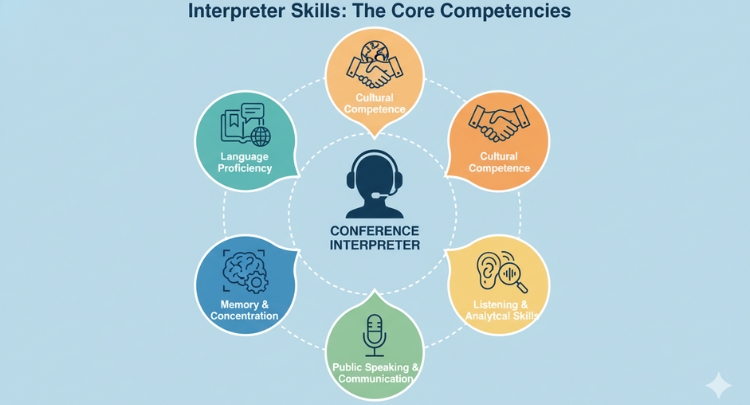
- Language Proficiency: An interpreter must master at least two languages, knowing grammar, tone, and meaning. This helps them translate accurately while keeping the speaker’s original message clear and natural.
- Cultural Competence: Understanding different traditions, customs, and expressions helps interpreters avoid confusion. It ensures the translated message fits the audience’s culture and feels respectful and accurate.
- Memory and Concentration: Conference interpreting needs a sharp mind that can remember long sentences and details. Interpreters must focus fully without losing track of meaning or context.
- Listening and Analytical Skills: Great interpreters pay attention to every word and idea. They understand the message quickly, find its main point, and express it clearly in another language.
- Public Speaking and Communication: Interpreters must speak clearly, confidently, and with the right tone. A calm and pleasant voice helps the audience stay engaged and understand easily.
- Emotional Control and Stress Management: Working under pressure is common in conferences. Interpreters need to stay calm, think fast, and handle stressful moments without losing focus or accuracy.
- Research and Preparation: Before an event, interpreters study topics, names, and terms. This preparation helps them understand technical words and deliver smooth, professional translations during the conference.
- Technological Competence: Interpreters often use headsets, microphones, and translation software. Knowing how to use these tools helps them work efficiently and solve any small technical issues quickly.
Conference interpreting is a skill that combines language, focus, and quick thinking. A good interpreter makes complex talks sound simple and natural. With practice, patience, and preparation, interpreters can make any international meeting more meaningful and successful.
How Conference Interpreters Prepare Before a Conference?
Conference interpreters do a lot of work before the event starts. Their goal is to make sure they can understand and explain everything clearly and correctly during the conference. Their preparation goes much deeper than just knowing two languages. Here’s what it usually includes:
1. Subject Matter and Context Research
- Understanding the Topic: Interpreters take time to learn about the subject of the conference. They read about the industry, organization, or issue being discussed to understand it better.
- Reviewing Background Materials: They go through all the documents given by the organizers. These materials help them prepare well for what’s coming. Some of the common ones include:
- Conference Agenda or Program: This helps them see how the event will run and what topics will be covered.
- Speeches and Speaker Notes: If available, interpreters read these to guess the speaker’s tone and main points.
- PowerPoint Presentations or Visual Aids: They look at the slides, charts, and graphs to get familiar with the content.
- Previous Meeting Reports or Minutes: Reading past reports gives them a better idea of what has already been discussed.
- Background Information: They also check websites, reports, or brochures about the company or speakers to understand the event better.
Preparation plays a big role in becoming a professional conference interpreter, as it involves researching event topics, learning industry-specific terms, and practicing real-time interpretation.
2. Terminology Management
- Creating Custom Glossaries: Interpreters collect special terms, acronyms, and industry words from the documents they studied. They make their own glossary for quick reference.
- Terminology Study: They then check how these words are correctly translated into other languages. This helps them use the right terms during the conference without hesitation.
3. Logistical and Team Coordination
- Speaker Familiarization: Interpreters try to learn about each speaker. They may listen to their recordings to get used to their accent or speaking style.
- Team Coordination: Most interpreters work in pairs, especially for long events. They plan together, share terms, and take turns in the booth to stay fresh and focused.
- Logistics and Equipment Check: Before the event, they confirm their working hours, interpretation type (simultaneous, consecutive, or whispered), and check all their equipment, like headsets and microphones. They also make sure they can see the speakers and the screen clearly.
4. Continuous Skill Maintenance
Even after the event, interpreters keep practicing to stay sharp. They know that good preparation never ends.
- Current Affairs: They stay updated on world news and trends, especially in the fields they often interpret.
- Language Practice: They regularly read, listen, and watch content in all their working languages to keep their vocabulary and expressions up to date.
Tools and Technology Used by Conference Interpreters
Conference interpreters rely on specialized equipment and technology to facilitate simultaneous interpretation (real-time translation) and ensure high levels of accuracy, clarity, and professionalism. Below are some tools and technologies that can be used by conference interpreters:

Essential On-site Equipment
For traditional simultaneous interpretation at large conferences, a dedicated hardware setup is essential, with strict international standards (like ISO 4043) guiding its design.
| Component | Function | Importance |
| Interpreting Booth | Small soundproof room for interpreters. | Blocks noise and keeps focus for clear translation. |
| Headsets | Noise-canceling headphones. | Helps hear the speaker clearly without background sounds. |
| Microphone | Sensitive mic for speaking. | Sends a clear voice to the audience. |
| Interpreter Console | Control panel inside the booth. | Adjusts sound, language, and mic for smooth work. |
| Transmitters & Receivers | Send and receive translated audio. | Let the audience hear the right language clearly. |
Importance of Technology
Beyond the core booth equipment, modern technology significantly supports the interpreter’s cognitive load and improves consistency.
- Terminology Software: Programs like InterpretBank or Boothmate help interpreters store and quickly find terms and phrases. This keeps translations correct and consistent, even with complex or technical topics.
- Remote Interpreting Platforms: Apps such as Zoom, Kudo, and Interactio let interpreters work online. They can join events from anywhere, saving travel time and costs while giving access to experts worldwide.
- Live Speech-to-Text: Some systems show real-time text of the speaker’s words. This helps interpreters check names, numbers, or difficult words and ensures accuracy.
- Video and Presentation Access: Monitors and digital slides help interpreters see the speaker’s gestures and follow presentations. This reduces stress and makes translations smoother.
Frequently Asked Questions
Conference interpreters play a key role in helping people from different countries understand each other. They make communication smooth and clear during global meetings. Here are some common questions and answers to help you understand their work better.
How Is a Conference Interpreter Different from a Translator?
A translator works with written text, while a conference interpreter works with spoken words. Interpreters listen and speak in real time, often during live events. They need quick thinking and strong listening skills to keep up with the speaker. Translators, on the other hand, have more time to review and edit their written work.
Where Do Conference Interpreters Usually Work?
Conference interpreters work at international meetings, business events, government summits, and global forums. They may also work online using remote interpreting tools. Some are hired by organizations like the UN or large corporations. Their job often involves travel and meeting people from many cultures.
What Languages Do Conference Interpreters Work With?
They usually work with at least two languages — their main (native) language and one or more foreign languages. Many interpreters also know regional or specialized languages for certain industries. The more languages they know, the more job opportunities they can get. However, accuracy matters more than the number of languages.
Why Is Accuracy So Important for Conference Interpreters?
Even a small mistake can change the meaning of what a speaker says. Interpreters must pass the exact message without losing tone or emotion. This keeps the talk clear and builds trust among speakers and listeners. Accurate interpretation also helps avoid confusion or misunderstandings during serious discussions.
How Do Interpreters Stay Calm During Long Events?
They prepare well before the event and often work in pairs to take short breaks. Deep breathing and focus help them stay calm and sharp. Many interpreters also practice listening and speaking exercises to improve focus. Staying relaxed helps them think quickly and deliver clear translations.
Can Conference Interpreters Work Online?
Yes, many interpreters now work remotely using digital platforms like Zoom or Kudo. They listen and translate live from their own location. This setup saves travel time and allows experts to join from anywhere in the world. It also helps organize large virtual conferences smoothly.
What Are the Career Benefits of Being a Conference Interpreter?
It’s a respected career that lets you meet global leaders, travel, and learn about different cultures. Interpreters gain strong communication and problem-solving skills. Their work helps build peace, business, and understanding between nations. It’s a rewarding path for those who love languages and global communication.
How Do Interpreters Practice and Improve Their Skills?
They practice daily by listening to speeches, news, and debates in different languages. They also take training courses and join professional workshops. Reading and staying updated with global events helps them learn new words and phrases. Continuous practice keeps their mind sharp and their language skills strong.
Bottom Line
Conference interpreters play a key role in making international events smooth and inclusive. They help people understand and connect across languages, cultures, and ideas. Their work goes beyond words, ensuring messages are accurate, clear, and respectful. With their skill and focus, interpreters turn complex talks into meaningful exchanges, showing exactly what does a conference interpreter do.
If you plan to work with interpreters, share event materials early, provide clear sound systems, and give them breaks to stay focused. Always respect their preparation time and teamwork. Good planning and clear communication lead to great results. Wishing you success in hosting a conference where every voice is heard and understood.