
To prove you will leave Canada at the end of your stay or studies, show strong home ties such as stable employment or business, sufficient finances, family responsibilities, property or residence commitments, clear travel or study plans, previous travel compliance, and a well-explained return plan supported by documents.
Explore the top ways to strengthen your visa or study application with the right proof. Learn what officers look for in a convincing return plan. Keep reading to prepare strong, clear evidence that supports your intentions.
Why Proving You Will Leave Canada Matters?
Proving you will leave Canada is a core requirement for any temporary visa or study permit application. Visa officers must be satisfied that you will respect immigration rules and return home after your authorized stay, regardless of your purpose of travel.

Legal requirement: Canadian immigration law requires officers to confirm you will leave Canada after your authorized stay ends, and failure to prove this can result in refusal even if other documents are strong.
Legal authority (IRPA 22(2)): Officers must be satisfied you will leave Canada at the end of your authorized stay, even if you may have long-term plans later.
Visa approval basis: Officers approve visitor and study applications based on credibility and return intention, so without convincing proof they cannot legally issue a temporary visa or permit.
Risk control: Canada applies this rule to reduce overstays and unauthorized work by temporary residents, and strong return evidence helps officers see you as a low immigration risk.
Fair assessment: Visa officers assess your full personal and financial situation, and clear home-country ties help them make a balanced and justified decision.
Refusal prevention: Many refusals are issued because officers doubt the applicant will leave Canada, and strong proof directly lowers the chance of refusal on this ground.
9 Most Effective Ways to Prove You Will Leave Canada
Visa officers do not approve applications based on one document alone. They assess how well your documents and explanations together show that you will leave Canada at the end of your authorized stay. There are several ways you can prove that you will leave the county after you are done with your work or studies. Here are 9 effectives ways you can do it:
1. Stable Employment or Approved Leave From Work
What it proves
You have a clear professional obligation to return to your home country.
Documents to show
Employment letter: It should include position, salary, length of service, approved leave dates, and the date you must return to work.
Approved leave letter (with exact dates)
Recent payslips or employment contract
How to explain it
Clearly state your job role
Mention your approved leave period
Confirm the date you must resume work
Short example explanation
“I am employed as a Marketing Officer at ABC Ltd. My employer has approved leave from June 1 to June 15, and I am required to resume my duties on June 16.”
2. Active Business or Professional Responsibilities
What it proves
Your business or professional role requires your physical presence in your home country.
Documents to show
Business registration or license
Tax returns
Client contracts, invoices, or payroll records
How to explain it
Describe your role in the business
Explain why your absence must be temporary
Mention ongoing obligations or deadlines
Short example explanation
“I am the owner of a registered logistics company and must return to oversee operations and fulfill ongoing client contracts.”
3. Financial Stability and Legitimate Income Sources
What it proves
You are financially established outside Canada and not dependent on overstaying to survive.
Documents to show
Bank statements (last 6 months)
Salary deposits or business income records
Tax filings or financial summaries
How to explain it
Explain where your money comes from
Match your funds to trip duration and expenses
Avoid unexplained large deposits
Short example explanation
“My travel expenses are covered by my regular salary, which is deposited monthly into my bank account, as shown in the attached statements.”
If Someone Else is Funding Your Trip
Add a signed support letter from the sponsor/inviter and proof of their ability to pay (tax documents, pay slips, bank statements).
4. Family Responsibilities in Your Home Country
What it proves
You have strong emotional, legal, and social obligations to return home.
Documents to show
Marriage certificate
Children’s birth certificates or school letters
Proof of caregiving responsibility for parents or dependents
How to explain it
Clearly describe your family role
Explain why your presence is required after the trip
Short example explanation
“I am the primary caregiver for my elderly parents and must return to continue supporting them.”
5. Property Ownership or Long-Term Residence Commitments
What it proves
You have physical and financial roots in your home country.
Documents to show
Property deed or land registration
Mortgage documents
Long-term rental or lease agreement
How to explain it
State ownership or tenancy clearly
Mention ongoing financial responsibility
Short example explanation
“I own a residential property in my home country and am responsible for ongoing mortgage payments.”
If you do not own property
Explain alternatives such as:
Living in a family home
Long-term lease
Dependents living with you
6. Ongoing Education or Academic Obligations (Visitor Applicants)
What it proves
You must return to complete your studies.
Documents to show
Enrollment letter
Exam timetable
Fee receipts or academic calendar
How to explain it
Mention your institution and program
State the date you must return
Short example explanation
“I am currently enrolled in my final semester and must return to attend examinations starting in July.”
7. A Clear and Time-Bound Purpose of Visit
What it proves
Your visit to Canada is temporary, specific, and logical.
Documents to show
Travel itinerary
Event or conference registration
Accommodation details
How to explain it
Clearly state why you are visiting
Match duration to purpose
Avoid vague travel plans
Short example explanation
“I plan to attend a three-day conference and return immediately after its conclusion.”
8. Previous Travel History and Immigration Compliance
What it proves
You respect immigration laws and visa conditions.
Documents to show
Previous visas
Entry and exit stamps
Old passports (if applicable)
How to explain it
Highlight compliance
If limited, explain honestly
Short example explanation
“I have previously traveled internationally and returned within authorized periods.”
If travel history is weak
Strengthen other ties instead of exaggerating
9. A Strong Study Plan With a Clear Return Path (Students)
What it proves
Your education in Canada is temporary and career-focused.
Documents to show
Statement of Purpose (study plan)
Employer letters (if applicable)
Career pathway explanation
How to explain it
Why you chose the program
How it benefits your career in your home country
Why returning home is necessary
Short example explanation
“This program will allow me to advance my career in my home country, where I plan to resume employment after graduation.”
Different Proofs for Different Visa Types
While the requirement to leave Canada at the end of your authorized stay applies to all temporary residents, the type of proof that works best depends on the visa you are applying for. If you’re attending a conference in Canada, visa officers from Immigration, Refugees and Citizenship Canada assess your situation differently for visitor visas, study permits, and work permits, based on the purpose of your stay and supporting documents related to your travel intent.
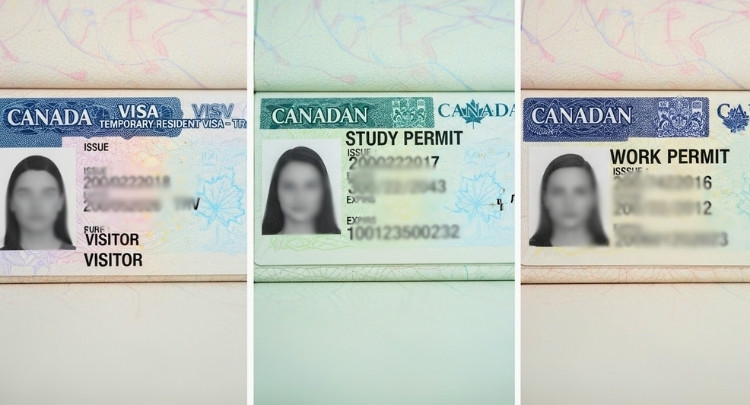
Visitor Visa (TRV)
Visitor visa applicants must clearly show that their stay is short, temporary, and well-funded.
Strongest proofs include:
Employment or business ties – job letter, approved leave, or business documents
Family ties – spouse, children, parents, or dependents in your home country
Travel plan – clear itinerary, event or conference details, accommodation plan
Financial proof – sufficient funds with a clear source to cover the visit and return
Study Permit
Students must prove that their studies in Canada are temporary and purpose-driven, with a clear plan to return home.
Strongest proofs include:
Proof of tuition/housing fees paid for first year (plus more proof for remaining costs)
GIC from a participating Canadian institution
Student/education loan proof
Proof of funds transferred to a Canadian account
Work Permit (Brief)
Work permit applicants are assessed mainly on the temporary nature of their employment.
Key proofs include:
Employer-specific terms – job offer, role, and conditions
End date of employment – fixed or clearly defined duration
Home country obligations – family ties, property, or long-term commitments requiring return
If You Live Outside your Passport Country
Proof of legal status in your country of residence
Job contract or business registration there
Lease, bills, tax papers
Family ties there
Return ticket and reason to go back there (work start date, class date, etc.)
How to Present Your Leaving Proof Properly: Step By Step Process
Visa officers trust plans that look real and easy to check. Use the steps below to show strong ties, clear timing, and honest funds. You will build a neat file set and a short letter that explains your return plan. Keep every detail consistent across forms and receipts for clarity.

Step 1: Define your trip purpose and timeline
Pick one main reason for travel and write exact entry and exit dates. Keep the trip length realistic for your budget and duties. Match your dates with work leave, class breaks, or family needs so your plan feels natural.
Step 2: Choose proofs that fit your visa type
Visitor applicants should focus on job, business, family, and a tight travel plan. Students should focus on a study plan, a clear funding source, and a career path at home. Workers should show job terms, an end date, and home duties that pull them back.
Step 3: Collect documents that show strong home ties
Gather job letters, business papers, family records, and property or lease files. Add bank statements and income proof that explain your money story. Use recent documents and keep names, dates, and addresses the same across everything.
Step 4: Connect your purpose to a clear return plan
Build a clear travel reason, then match dates to your job, school, and family plans back. If you may stay longer, explain the transition from a conference visa to a work permit clearly. Close by stating your return steps, and link each document to that plan in simple lines today.
Step 5: Write a short Letter of Explanation
Open with your purpose and dates, then list 3–5 strong ties in bullets. After each tie, point to the exact document name you attach. Use plain words, keep it under one page, and avoid big claims you cannot prove.
Officers may use tools that display information in summary format, so clear file names, short explanations, and easy-to-scan evidence can help your case.
Step 6: Organize files and review for consistency
Rename files so an officer can scan fast, like “Job_Letter.pdf” or “Bank_6Months.pdf.” Check every form line against your documents and your letter. Fix date gaps, unclear deposits, or missing signatures before you submit.
Sample Letter of Explanation – Visitor Visa (TRV)
Purpose of the letter
This letter helps the visa officer quickly understand why you are traveling, how long you will stay, how you are funding the trip, and why you will return home.
Subject: Letter of Explanation – Temporary Resident Visa Application
Dear Visa Officer,
I am writing this letter to explain the purpose of my travel to Canada and to demonstrate my intention to leave Canada at the end of my authorized stay.
Purpose of travel
I plan to visit Canada for a short period to [state clear purpose, e.g., attend a conference, visit family, tourism]. This activity is time-limited and directly related to my personal or professional objectives.
Duration of stay
My intended travel dates are from [start date] to [end date]. I will return to my home country immediately after completing my planned activities.
Proof of financial support
I am financially able to support myself during this visit. My travel and living expenses will be covered by [salary / savings / sponsor], as shown in the attached bank statements and supporting documents.
Proof of strong ties and return plan
I have strong ties to my home country, including:
Ongoing employment/business responsibilities
Family obligations
Financial and residential commitments
I am required to return on [specific date] to resume my professional and personal responsibilities.
Thank you for considering my application.
Sincerely,
[Full Name]
[Country of Residence]
[Passport Number]
Sample Study Plan – Study Permit
Purpose of the study plan
This document explains why you chose the program, how it fits your career, how you will fund your studies, and why you will return home after graduation.
Statement of Purpose – Study Permit Application
Program choice
I have been accepted into the [program name] at [institution name]. I chose this program because it directly builds on my previous education and professional background in [field]. The curriculum provides skills and knowledge that are not currently available at the same level in my home country.
Career impact in my home country
Upon completion of my studies, I plan to return to my home country to pursue a career as [intended job role]. This qualification will allow me to advance professionally in [industry/sector], where there is strong demand for my skills.
Funding plan
My education and living expenses will be covered by [personal savings / family support / sponsor]. All funds are documented and sufficient to cover tuition, living costs, and return travel.
Return intention
I have strong ties to my home country, including family, economic commitments, and long-term career goals. My intention is to apply the knowledge gained in Canada to contribute to my professional growth at home. I fully understand that my stay in Canada is temporary and that I must leave Canada at the end of my authorized study period.
Thank you for reviewing my application.
Sincerely,
[Full Name]
[Country of Residence]
[Passport Number]
What If Your Case is Weak: for Leaving the Country
Many applicants worry when they lack strong documents, yet a weak case does not mean refusal. Visa officers review the full picture, not one factor alone. Clear explanations, honest details, and smart supporting evidence can still show strong intent to leave Canada.
No Job
Having no job means you cannot show employer ties, but you can still prove responsibility. Explain your current situation clearly and show future plans, such as studies, family support, or upcoming work. When attending events under conference visa requirements, a clear timeline helps show temporary travel intent.

No Property
Not owning property does not automatically weaken your application. You can explain living in a family home, long-term rental, or shared residence. Show financial duties, household support, or dependents who rely on you. These details help officers see real connections that require your return.
Young and Single
Being young and single often raises questions about long-term intent. You should explain your education path, career goals, and family dependence. Show how this trip fits a short plan and why returning home matters for growth. Clear direction reduces doubts about overstaying.
Low Travel History
Low travel history means officers lack past compliance proof, not negative behavior. Acknowledge limited travel honestly and strengthen other ties. Provide strong financial records, clear plans, and solid reasons to return. Consistent documents and explanations help replace missing travel experience.
Common Mistakes That Lead to Refusal
Many visa refusals happen because applicants overlook simple but critical details during preparation. These mistakes often confuse visa officers or weaken credibility. Understanding these common errors helps you avoid refusal and present a clear, honest application that supports your intent to leave Canada.

No Explanation Letter
Applicants often skip an explanation letter, leaving officers to guess intentions from documents alone. A clear letter connects your purpose, funds, and ties, helping officers understand context instead of assuming missing or unclear information means weak intent.
Contradictory Information
Contradictory details across forms, letters, or documents quickly reduce trust and credibility. Dates, job titles, funds, or travel plans must match everywhere, because inconsistencies suggest carelessness or misrepresentation, even when mistakes seem small or unintentional.
Unexplained Funds
Showing money without explaining its source raises doubts about financial stability and honesty. Officers expect clear proof showing how funds were earned or received, supported by records, rather than sudden large deposits with no logical background.
Generic Study Plans
Generic study plans fail because they show no personal purpose or career direction. Officers expect clear reasons linking your education, chosen program, and future career at home, not copied content that could apply to any applicant.
Fake or Altered Documents
Submitting fake or altered documents seriously harms your application and future chances. Officers verify information carefully, and even one false record can lead to refusal, bans, or long-term credibility damage that is difficult to repair.
Frequently Asked Questions
Applicants often misunderstand how visa officers judge return intention and rely on assumptions instead of clarity. These frequently asked questions address overlooked concerns that influence decisions, helping you understand how officers think, how evidence works together, and how to present a convincing case for leaving Canada after your stay.
How Many Proofs Are Enough To Show I Will Leave Canada?
There is no fixed number of documents that guarantees approval. Visa officers assess the overall picture, not a checklist. A few strong, well-explained proofs often work better than many weak ones. Your goal is to show consistency between your purpose, finances, personal ties, and future plans.
Does The Length Of My Intended Stay Affect The Decision?
Yes, the length of stay plays an important role in credibility. Short, reasonable trips that match your purpose usually raise fewer concerns. Longer stays require stronger justification and clearer ties. Officers expect your duration to logically match your activities, funds, and obligations outside Canada.
Can Strong Ties Compensate For A Weak Travel Purpose?
Strong ties help, but they cannot fully replace a weak or unclear travel purpose. Officers need to understand why you are going to Canada and why now. A clear purpose combined with moderate ties is usually stronger than strong ties paired with a vague or poorly explained visit.
Does Showing Return Tickets Guarantee Approval?
Return tickets alone do not prove you will leave Canada. Officers view tickets as supporting evidence, not decisive proof. They focus more on your reasons to return, such as work, studies, family duties, or long-term plans, which show commitment beyond simple travel arrangements.
How Important Is Consistency Across My Application?
Consistency is extremely important because officers cross-check information across forms, letters, and documents. Even small mismatches can create doubts about honesty or preparation. A consistent application helps officers trust your explanations and reduces the risk of refusal based on credibility concerns.
Can Future Career Plans Really Influence A Decision?
Yes, realistic career plans strongly influence how officers assess return intention. When your education or visit clearly supports future work or growth in your home country, it shows logic and direction. Vague goals feel weak, while specific, achievable plans help officers see long-term reasons to return.
Does Having Relatives In Canada Always Hurt My Application?
Having relatives in Canada does not automatically cause refusal. Problems arise when applicants fail to explain their relationship or intentions clearly. Officers want reassurance that you will respect your temporary status. Honest disclosure and strong ties elsewhere help balance concerns related to family presence in Canada.
How Do Officers Judge Intent When Documents Look Strong?
Even with strong documents, officers examine how believable your story feels. They assess whether your plans make sense for your background, finances, and timing. Clear explanations help officers connect documents to real-life obligations, reducing doubts that numbers or letters alone cannot resolve.
Can One Weak Area Ruin An Otherwise Strong Application?
One weak area does not automatically cause refusal if other parts of the application compensate well. Officers look at the full balance of factors. However, ignoring weaknesses without explanation often causes refusal. Addressing gaps honestly helps officers understand context instead of assuming negative intent.
Should I Explain My Situation Even If Documents Are Clear?
Yes, explanations remain important even when documents seem self-explanatory. Officers review many applications quickly and may not infer your situation correctly. Short, clear explanations guide their understanding and reduce assumptions, helping them see how your documents prove you will leave Canada.
Closing Remarks
Preparing a strong application is not about perfection, but about clarity, honesty, and balance. Visa officers want to see that your plans make sense and that your life outside Canada gives you real reasons to return. When you clearly explain your purpose, support it with the right documents, and address weaknesses honestly, your case becomes more credible.
The 9 ways to show that you will leave Canada at the end of your stay or studies are most effective when they support each other. Keep your documents consistent, explain your plans clearly, and address any weaknesses honestly. Avoid rushed or unsupported claims, and make sure your application reflects your actual circumstances.