
Conferences today are more than just professional gatherings; they are dynamic spaces where ideas, industries, and innovation intersect. As global challenges grow, so do the topics that drive these discussions. Every year brings new directions that impact how businesses, educators, and thought leaders connect to inspire change and progress.
Trending conference themes now highlight areas such as artificial intelligence, digital transformation, cybersecurity, sustainability, workplace evolution, and diversity and inclusion. These topics reflect how industries are adapting to the future, encouraging participants to share insights, explore innovation, and reshape the way global collaboration happens.
Whether you’re an event organizer or a curious attendee, understanding these emerging ideas can help you stay ahead of the curve. Continue reading to discover which themes are defining the next generation of global conferences.
Trending Conference Themes
Conferences continue to evolve as industries, technologies, and global priorities shift. Each year introduces new directions that shape conversations, inspire innovation, and connect communities. From technology to sustainability, these evolving ideas highlight how knowledge-sharing adapts to the modern world and emerging challenges. Today, conferences are not just gatherings but reflections of global awareness and ambition. Let’s explore some of the most trending conference themes shaping discussions around the world, including every major conference in USA, Canada, and beyond.
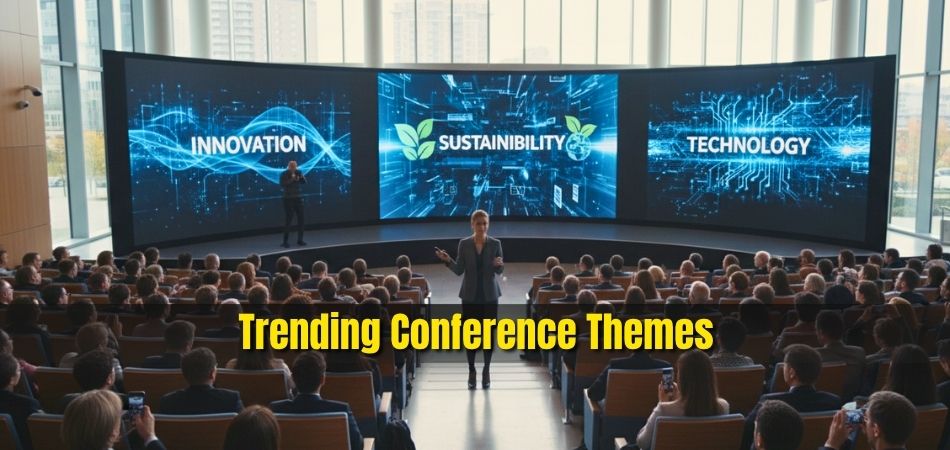
Sustainability and Climate Action
Sustainability remains a powerful global theme as organizations seek responsible growth. Events now center on clean energy, waste reduction, and green innovation. These topics attract thought leaders who emphasize the importance of balancing progress with environmental protection, promoting long-term global health, and business accountability.
Digital Innovation and Transformation
Technology-focused themes continue to dominate event agendas. Topics like digital transformation, automation, and cloud-based collaboration drive attention across industries. Conferences are focusing more on how businesses can adapt through smart tools, fostering discussions on efficiency, creativity, and future-readiness in an increasingly tech-driven economy.
Diversity and Inclusion
Conferences are highlighting inclusivity, equity, and diverse representation in leadership. These themes inspire dialogue on breaking barriers, supporting underrepresented voices, and building inclusive work cultures. Many global gatherings now dedicate entire sessions to equity-driven policies, cross-cultural understanding, and empowering marginalized communities.
Remote Work and Workforce Evolution
The rise of hybrid work models has introduced conferences centered on workplace flexibility, collaboration tools, and leadership adaptation. Professionals discuss how to build stronger remote teams while maintaining productivity and engagement. This trend continues to redefine corporate culture and the nature of professional growth.
AI Ethics and Human Responsibility
Artificial intelligence is revolutionizing industries, but ethical discussions are growing louder. Conferences increasingly focus on fairness, transparency, and responsible data use. These sessions help attendees navigate the balance between technological advancement and moral responsibility, ensuring AI serves humanity’s best interests.
Health, Wellness, and Human Potential
Wellness has moved beyond personal health to include mental resilience, balanced lifestyles, and mindful leadership. These themes explore how emotional well-being directly influences innovation and performance. Global conferences now integrate wellness sessions to promote sustainable success across both personal and professional dimensions.
Trending conference themes reveal more than just popular ideas; they showcase humanity’s evolving values and shared priorities. Whether discussing sustainability, innovation, or inclusivity, today’s conferences connect ideas that move industries forward while shaping a better future for all.
What Makes a Theme Truly Relevant to Today’s Audience?
A great conference theme does more than sound appealing; it connects deeply with the needs, emotions, and expectations of its audience. To make a theme stand out, organizers must understand what truly matters today, from global shifts to audience values. Let’s explore the factors that make a theme resonate and inspire continued engagement.
Audience Interest and Connection
A relevant theme always starts with the audience. Organizers need to understand what participants care about, the challenges they face, and the opportunities they seek. A theme that reflects current goals or pain points immediately feels personal, helping attendees feel that the event was created with them in mind.
Reflecting Industry Challenges and Growth
Themes built around real industry challenges attract strong attention. Whether addressing digital change, sustainability, or leadership evolution, the most successful topics mirror the current state of the industry. They encourage professionals to exchange ideas, discover solutions, and shape a stronger collective direction for their field.
Social and Cultural Relevance
Conference themes that highlight social progress or cultural awareness strike a lasting impact. Topics around inclusion, climate action, and community well-being connect deeply with modern audiences. These themes also encourage responsible conversations that go beyond business, promoting shared values and collective awareness.
Following Interesting Conference Themes
When planning an event, following a few engaging conference theme steps can help ensure the topic connects with your target audience and keeps discussions meaningful. These steps often include audience research, creative brainstorming, and testing the theme’s emotional impact before finalizing it for marketing and content alignment.
Balancing Innovation and Familiarity
A successful conference theme blends novelty with relevance. It should feel new enough to excite participants yet familiar enough to be understood quickly. Organizers who balance these two elements can inspire curiosity without alienating audiences, creating a powerful mix of comfort and innovation.
Relevance is more than a marketing choice; it’s about emotional and intellectual alignment. By crafting themes that speak to today’s realities and aspirations, organizers can ensure each conference becomes a memorable experience that truly matters to its audience.
The Impact of AI and Data on Event Planning Topics
Artificial intelligence and data analytics are transforming how conference organizers plan, manage, and deliver meaningful experiences. From predicting audience interests to refining speaker selections, technology has become the backbone of smarter event planning. Let’s find out how AI and data insights are shaping modern conference themes and prepare the way for more personalized engagement.

Data-Driven Topic Selection
AI tools analyze massive datasets from social media, surveys, and industry reports to identify trending interests. This allows organizers to select conference themes that match current audience needs. Instead of guessing what will resonate, data insights provide real evidence to design sessions that attract maximum participation and relevance.
Predicting Audience Preferences
By studying previous attendance patterns and engagement levels, AI can anticipate what topics will perform best. This predictive ability helps organizers prioritize sessions, speakers, and formats that appeal most to attendees. The result is a conference program that feels more personalized and relevant to each participant.
AI-Powered Theme Personalization
AI algorithms can tailor event experiences based on attendee profiles. From personalized agendas to customized recommendations, participants get content suited to their roles and interests. This intelligent personalization keeps engagement high, as each attendee feels that the event was specifically designed for their goals and preferences.
Smarter Engagement Tracking
Data analytics tools measure real-time engagement, helping organizers identify which sessions spark the most interaction. Metrics like live chat activity, poll responses, and dwell time offer insights into audience behavior. These findings guide future improvements, ensuring every conference delivers measurable value and lasting impact.
Practical Applications and Examples
Major event platforms now use AI-based recommendation engines that suggest sessions or speakers based on user data. For instance, attendees might receive topic suggestions tailored to their job role or interest area. These smart systems create efficient, interactive experiences that make conferences more dynamic and enjoyable.
AI and data analytics are no longer behind the scenes; they’re shaping the way events are imagined and experienced. By using insights to guide decisions and personalize content, organizers can transform conferences into smarter, more impactful spaces where technology meets human connection.
Are Hybrid Conferences Creating New Thematic Opportunities?
Hybrid conferences have completely changed how knowledge is shared and experienced. By combining physical and virtual participation, they have created new directions for global interaction and engagement. These formats are inspiring discussions that go beyond convenience, opening doors to creative and inclusive themes. Let’s explore how these new opportunities are reshaping event planning.
Embracing Flexibility and Accessibility
Hybrid conferences allow participants to join from anywhere, making events more inclusive and flexible. Themes now focus on accessibility, time-zone management, and creating equal value for both online and offline audiences. This flexible approach ensures professionals from all backgrounds can engage without the limits of travel or distance.
Promoting Global Inclusivity and Collaboration
Organizers are emphasizing themes centered on global unity and cultural exchange. Hybrid formats connect experts, researchers, and businesses from multiple regions, creating cross-border partnerships. These conferences often highlight collaboration across industries and encourage open innovation, expanding the learning experience for both local and international attendees.
Focusing on Sustainability and Reduced Travel Impact
With fewer attendees needing to travel long distances, sustainability has become a key discussion point. Hybrid conferences highlight responsible participation, eco-friendly setups, and reduced carbon footprints. These environmentally conscious themes are now shaping the identity of modern conferences, combining convenience with meaningful impact.
Technology as a Core Theme
Hybrid events rely heavily on digital tools, inspiring discussions around virtual platforms, live streaming, and interactive engagement technologies. Many conferences now explore topics like the role of AR, VR, and AI in connecting global audiences. These themes underline how technology drives participation and strengthens real-time collaboration.
Hybrid conferences are not just an adaptation of old models; they represent a creative evolution in how themes are built and shared. By blending accessibility, sustainability, and innovation, these events are setting the stage for a future where learning and connection truly have no boundaries.
Global Collaboration and Cross-Industry Conference Trends
Conferences are no longer limited to one field or audience. Today, industries are blending ideas and expertise to solve shared global challenges. This trend has created collaborative spaces where innovation grows through partnership. Here is how global cooperation and cross-industry integration are changing the way modern conferences are planned and experienced.
Blending Finance, Healthcare, and Technology
Many of today’s conferences bring together experts from finance, healthcare, and technology to discuss solutions that span multiple sectors. For example, topics like digital healthcare payments or AI-driven patient analysis highlight the overlap between industries. These discussions lead to smarter, more unified approaches to progress and global innovation.
Building Global Partnerships and Networks
Collaborative conferences often focus on forming international partnerships that drive mutual growth. Delegates from various countries come together to share research, business models, and cultural insights. Such events build strong professional ties that help industries learn from each other while supporting sustainable economic and social development.
Encouraging Cultural Exchange and Shared Values
Cross-industry events create opportunities to appreciate cultural differences while identifying shared goals. They promote understanding through panels, joint sessions, and global forums that encourage inclusivity. By exchanging perspectives, professionals strengthen cooperation and broaden their approach to problem-solving in ways that transcend borders.
Sustainability as a Common Ground
Sustainability has become a universal theme that connects industries worldwide. Conferences now feature sessions that unite experts from energy, manufacturing, and agriculture to find eco-conscious solutions. This cross-sector approach ensures that sustainability remains a collective mission rather than a single-industry objective.
Finding the Right Collaborative Focus
Organizers often look for conference topic suggestions that bridge industries like technology in healthcare or digital finance to attract diverse professionals. These blended themes not only increase participation but also create valuable discussions that inspire innovation and long-term partnerships across various disciplines.
Global collaboration is shaping the future of conferences by encouraging unity across sectors. Through shared learning, cultural connection, and sustainable goals, these events prove that progress thrives when industries work together toward a common purpose that benefits all.
Future-focused Themes to Watch in Upcoming Years
The future of conferences is shaped by innovation, awareness, and human connection. As industries evolve, so do the themes that guide discussions and inspire collaboration. Organizers are already embracing forward-looking ideas that reflect shifting priorities and values. Let’s explore some key themes that are expected to dominate in the coming years.
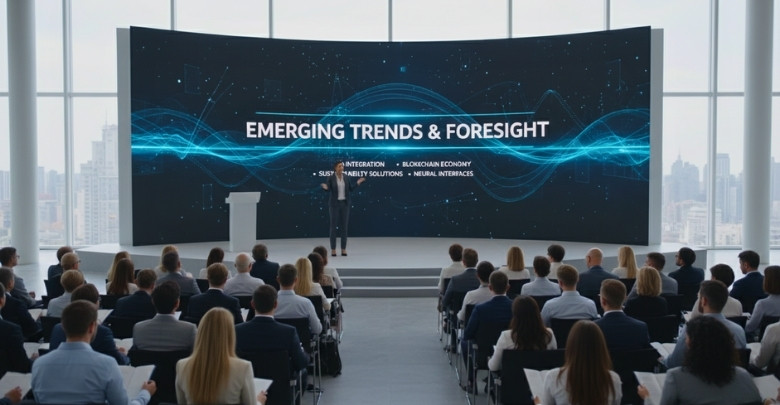
- Green Innovation and Circular Economy: Events will focus more on sustainable solutions, renewable energy, and waste-free business practices. These topics will encourage collaboration across industries to promote eco-conscious models and long-term environmental responsibility.
- Mental Health and Human Well-being: Themes around emotional wellness, work-life balance, and mental resilience will continue to rise. Conferences will emphasize creating supportive spaces that value people’s overall well-being as a foundation for productivity and creativity.
- Ethical AI and Responsible Technology: With artificial intelligence growing rapidly, future conferences will prioritize ethical frameworks, transparency, and responsible innovation. Sessions will explore how to balance technological progress with fairness, inclusivity, and accountability.
- Global Education and Skill Development: Education-focused events will highlight digital learning, lifelong upskilling, and accessible education worldwide. These themes aim to empower communities through shared knowledge and global collaboration in education reform and innovation.
- Inclusive Leadership and Social Impact: Future conferences will increasingly highlight equality, inclusion, and social entrepreneurship. These discussions will inspire organizations to align business goals with positive community outcomes and collective progress.
Tomorrow’s conference themes will mirror humanity’s aspirations for a smarter, fairer, and more sustainable world. As industries adapt, staying aware of these evolving topics will help professionals remain prepared for change and inspired to participate in upcoming global conferences.
Frequently Asked Questions
Curious about how conference themes are chosen, shaped, and evolved? Here are some of the most common questions that readers often ask after exploring trending conference topics. These answers will help you understand how organizers and attendees can make the most of future events.
How Do Organizers Come Up With New Conference Themes?
Organizers usually analyze global trends, audience interests, and industry needs before deciding on a theme. They also review past event feedback to understand what resonates most. This helps them create topics that feel both current and impactful.
Why Are Collaborative Conference Themes Becoming Popular?
Collaboration allows industries to share knowledge and solve common challenges. When different sectors connect under one theme, the discussions become richer and more diverse. It’s a great way to spark innovation and build lasting professional relationships.
What Role Does Technology Play in Modern Conferences?
Technology helps conferences run smoothly while improving engagement and accessibility. From live streaming to AI-powered matchmaking tools, it bridges gaps between global audiences. This shift allows more people to join discussions and share ideas easily.
How Can Attendees Choose Which Conferences to Join?
Attendees should look for themes that align with their personal or professional goals. Reading event agendas, speaker lists, and session topics helps in making the right choice. It’s also smart to join events that offer networking value.
Do Conference Themes Change Every Year?
Yes, most conferences refresh their themes annually to stay relevant. Organizers track emerging trends and audience feedback to update their focus areas. This keeps every edition engaging, timely, and aligned with the latest industry shifts.
What Makes a Conference Experience More Memorable?
A memorable conference combines useful content, engaging speakers, and strong audience participation. Networking opportunities, interactive sessions, and clear takeaways add to the experience. When attendees feel inspired and informed, the event truly leaves a lasting impression.
How Can I Suggest a Theme for an Upcoming Conference?
Many events accept theme suggestions through surveys or proposal forms on their websites. Sharing creative ideas that reflect current trends can catch organizers’ attention. It’s a great way to influence future discussions and contribute to industry growth.
Concluding Lines
Trending conference themes are a reflection of how our world continues to grow, connect, and evolve. As industries merge and technology shapes communication, new topics emerge that redefine what learning and collaboration mean today. Each conference acts as a mirror of global progress and collective ambition.
By exploring forward-looking ideas like green innovation, inclusion, and ethical technology, organizers can create events that feel fresh and meaningful. These evolving themes not only attract diverse audiences but also encourage long-term professional and social growth worldwide.
In the coming years, conferences will continue to be a bridge between industries, ideas, and cultures. Staying updated with these trends ensures that you’re always part of the conversations shaping the future of global innovation