
Top education conferences 2026 bring together scholars, teacher-educators, and policymakers to share peer-reviewed research and evidence-based practice across global education systems.
Events like the 13th Global Conference on Arts, Education, and Humanities (GCAEH), the 10th World Conference on Teaching and Education, and the BERA Annual Conference 2026 spotlight emerging methodologies and research priorities shaping education policy.
Use this guide to shortlist the right conference quickly, match your research area, publication goals, and networking priorities with the best-fit event by date and location.
Top Education Conferences 2026: Quick View
Choosing the right academic education conference starts with a clear shortlist. This quick comparison organizes the top education conferences 2026 by date, country, and best-fit attendee goal. Use it to narrow options in minutes, then plan around abstract deadlines, registration windows, and travel logistics.
| Date (2026) | Conference Name | Country | Best For |
| Aug 14–16 | 13th Global Conference on Arts, Education, and Humanities (GCAEH) | Canada | Interdisciplinary education research, humanities in education, and academic discussion |
| Mar 27–29 | 10th World Conference on Future of Education | United Kingdom | Higher ed innovation, pedagogy research, international networking |
| Apr 8–12 | AERA Annual Meeting 2026 | USA | Education research, rigorous methods, publishing, doctoral scholars |
| Apr 9 | International Future Education Conference 2026 | Thailand | Future-of-learning themes, cross-border collaboration, regional research exchange |
| Apr 29–30 | Learning Technologies Conference 2026 | United Kingdom | Learning tech strategy, digital learning design, L&D in higher ed and industry |
| Jun 28–Jul 1 | ISTELive 26 | USA | Classroom technology practice, teacher PD, school/district implementation |
| Jul 23–25 | 10th World Conference on Teaching and Education | Denmark | Teaching methods, curriculum, teacher development, applied education studies |
| Aug 17–21 | ECER 2026 | Finland | European education research, research networks, policy-relevant scholarship |
| Sep 8–10 | BERA Annual Conference 2026 | United Kingdom | Education research in the UK, policy dialogue, academic networking |
| Oct 27–29 | 29th Ireland International Conference on Education | Ireland | Applied research, practitioner-academic exchange, cross-sector learning |
Top Education Conferences 2026 by Research Theme
Theme-first selection makes shortlisting easier. Match your research focus to the cluster below, then pick the conferences that align with your methods, audience, and expected outcomes (publication, collaboration, practice, or policy).
Education Research Methods and Scholarly Publishing

Best fit for rigorous methodology, large research communities, symposia, and publication-oriented conversations.
- AERA Annual Meeting 2026 — Apr 8–12, 2026 — Los Angeles, USA
- ECER 2026 — Aug 17–21, 2026 — Tampere, Finland
- BERA Annual Conference 2026 — Sep 8–10, 2026 — Manchester, UK
Teaching, Pedagogy, and Teacher Education
Strong match for classroom research, curriculum design, and teacher development across K–12 and higher education.
- 10th World Conference on Teaching and Education — Jul 23–25, 2026 — Copenhagen, Denmark
- 29th Ireland International Conference on Education — Oct 27–29, 2026 — Dún Laoghaire, Ireland
- 13th Global Conference on Arts, Education, and Humanities (GCAEH) — Aug 14–16, 2026 — Vancouver, Canada
EdTech, Digital Learning, and Learning Design
Ideal for technology integration, instructional design, digital learning systems, and implementation frameworks.
- ISTELive 26 — Jun 28–Jul 1, 2026 — Orlando, USA
- Learning Technologies Conference 2026 — Apr 29–30, 2026 — London, UK
Future of Learning, Innovation, and System Change
Best for future-ready education models, innovation agendas, and cross-sector perspectives on learning transformation.
- 10th World Conference on Future of Education — Mar 27–29, 2026 — Oxford, United Kingdom
- International Future Education Conference 2026 — Apr 9, 2026 — Bangkok, Thailand
Arts, Humanities, and Interdisciplinary Education Studies
Good fit for research at the intersection of education, culture, identity, and humanities-led inquiry.
- 13th Global Conference on Arts, Education, and Humanities (GCAEH) — Aug 14–16, 2026 — Vancouver, Canada
Top Education Conferences 2026: Event Breakdown
Clear event breakdown supports faster shortlisting by research agenda, audience fit, and expected academic value methods, depth, policy relevance, and teaching practice. Each listing below includes important details and a brief overview.
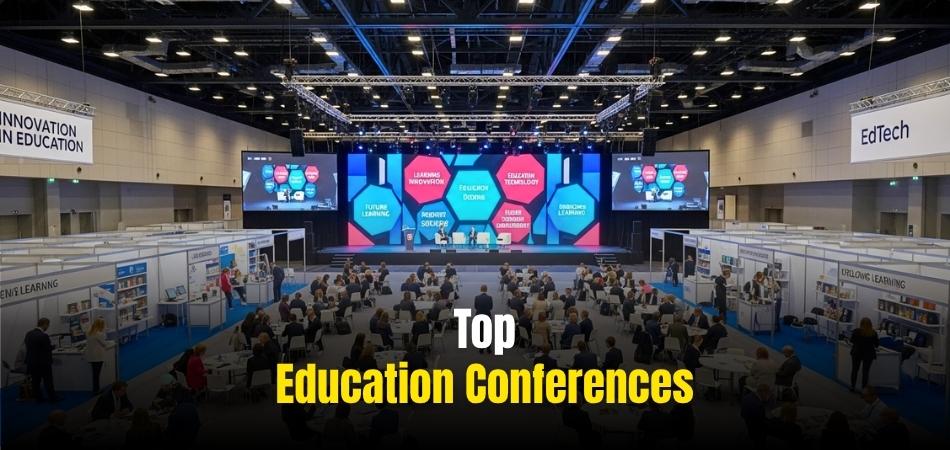
13th Global Conference on Arts, Education, and Humanities (GCAEH)
Date: August 14–16, 2026
Location: Vancouver, Canada
Focused Area: Arts and humanities in education, interdisciplinary education studies, qualitative inquiry
GCAEH connects education research with arts and humanities perspectives, including culture, identity, and interdisciplinary inquiry. Among upcoming international conferences, it offers space for qualitative work, education studies, and cross-disciplinary frameworks that don’t always fit neatly into single-track programs. Strong fit for scholars bridging education with humanities-led research.
10th World Conference on Future of Education
Date: March 27–29, 2026
Location: Oxford, United Kingdom
Focused Area: Future of learning, education innovation, system change
World Conference on Future of Education explores emerging learning models and research-led innovation across global education systems. You’ll hear how institutions are adapting to digital transformation, new credential models, and reform agendas. Expect research sharing, thoughtful debate, and collaborations that support long-term education strategy.
AERA Annual Meeting 2026
Date: April 8–12, 2026
Location: Los Angeles, USA
Focused Area: Education research, research methods, learning sciences, education policy
AERA Annual Meeting is one of the largest research-focused education gatherings, built around peer-reviewed scholarship. If you’re publishing or refining methods, this is a strong fit for dense sessions, symposia, and critical debates across qualitative, quantitative, and mixed methods. You’ll also find high-value networking with established research communities.
International Future Education Conference 2026
Date: April 9, 2026
Location: Bangkok, Thailand
Focused Area: Future education models, innovation, cross-border education trends
International Future Education Conference centers on forward-looking themes and regional-to-global perspectives. You’ll engage with ideas around new learning designs, system improvement, and emerging education priorities. It’s a practical option if you want fresh viewpoints and cross-border connections in a compact format.
Learning Technologies Conference 2026
Date: April 29–30, 2026
Location: London, United Kingdom
Focused Area: Learning technologies, digital learning design, online and blended delivery
Learning Technologies Conference focuses on tools, platforms, and design approaches shaping modern learning delivery. If you’re building scalable digital learning experiences, you’ll find strategy-led sessions and implementation ideas you can apply quickly. Expect strong exposure to current learning tech ecosystems and design practices.
ISTELive 26
Date: June 28–July 1, 2026
Location: Orlando, USA
Focused Area: EdTech integration, digital pedagogy, educator professional learning
ISTELive is a practice-forward education technology event where classroom implementation takes center stage. You’ll leave with concrete approaches for tech-enabled instruction, coaching, and school or district rollout. It’s a strong choice when your priority is teaching practice, tools, and educator professional learning.
10th World Conference on Teaching and Education
Date: July 23–25, 2026
Location: Copenhagen, Denmark
Focused Area: Pedagogy, curriculum, teacher education, classroom-based research
The World Conference on Teaching and Education emphasizes teaching practice and pedagogy research across education contexts. If your work sits close to classrooms curriculum, instruction, assessment, or teacher learning, you’ll fit right in. Expect applied research discussions and conversations you can translate into practice.
ECER 2026
Date: August 17–21, 2026
Location: Tampere, Finland
Focused Area: European education research, policy, comparative education, research networks
ECER is a major European research conference structured around thematic networks and academic programming. You’ll plug into research communities working on systems, learning, and policy, often with a comparative lens. It’s especially useful when you want long-term collaborations and policy-relevant scholarship connections.
BERA Annual Conference 2026
Date: September 8–10, 2026
Location: Manchester, United Kingdom
Focused Area: Education research, UK education policy, teacher education, evidence-informed practice
BERA Annual Conference supports research exchange across education themes with strong UK policy and practice linkages. If your work connects to teacher education, evidence-informed improvement, or UK-facing education debates, you’ll get strong alignment. Expect research sharing plus networking with scholars and research-active practitioners.
29th Ireland International Conference on Education
Date: October 27–29, 2026
Location: Dún Laoghaire, Ireland
Focused Area: Applied education research, teaching and learning practice, cross-sector education
The Ireland International Conference on Education blends research and practice in a format that stays accessible. You can share applied work, learn from cross-sector perspectives, and build connections without the intensity of very large congresses. A solid pick when your goal is practical research exchange and collaboration.
Who You’ll Meet at Top Education Conferences 2026
Academic education conferences bring together more than presenters and keynote speakers. Expect a mix of research communities, practitioner-researchers, and decision-makers who shape how evidence travels from journals into classrooms and policy. Knowing who’s in the room helps you plan introductions, target sessions, and leave with contacts that matter.
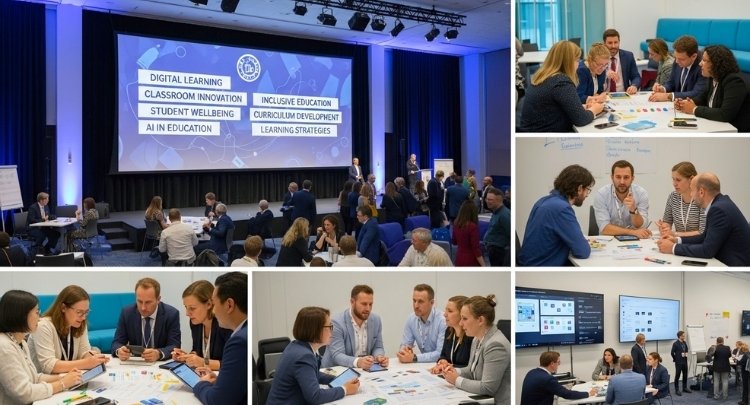
Education Researchers and Faculty
University faculty, research-center teams, and principal investigators attend to present peer-reviewed studies, test new frameworks, and form collaborations. Conversations often focus on theory, methods, and publication pipelines.
PhD Students and Early-Career Scholars
Doctoral and postdoctoral researchers come to share emerging findings, get feedback on methods, and connect with future co-authors or mentors. Expect poster sessions, doctoral forums, and lots of informal networking around research interests.
Teacher-Educators and Curriculum Experts
Teacher-training staff, curriculum specialists, and pedagogy researchers join to discuss instructional design, assessment, and teacher development. You’ll often meet people translating research into classroom practice and teacher education programs.
School and District Leaders
Principals, instructional coaches, district administrators, and professional learning leads attend to find approaches that scale across schools. Discussions lean toward implementation, change management, and evidence-informed improvement.
EdTech and Digital Learning Teams
Learning designers, education technology leaders, platform specialists, and evaluation teams show up to explore tools, data-informed instruction, and digital delivery models. Expect practical conversations about what works, what fails, and how to measure impact.
Policymakers and System-Level Stakeholders
Policy advisors, government-linked researchers, NGOs, and funding bodies attend to connect evidence with reform priorities. You’ll hear a lot about system improvement, equity, accountability, and measurable outcomes.
Journal Editors and Review Community
Editors, editorial board members, and experienced reviewers attend to spot strong work and discuss publication standards. Informal chats can clarify what journals look for and how to position your study for review.
International Delegates and Cross-Country Collaborators
Researchers and educators traveling from different regions bring comparative perspectives on policy, culture, and implementation. Great fit for building partnerships, joint studies, and cross-country proposals.
Networking Game Plan for Academic Education Conferences
Academic conference networking works best with a simple, repeatable system. Follow these steps to meet the right scholars, start research-first conversations, and leave with collaborations you can act on.

Quick Networking Checklist
- 3 targets chosen (subfield / methods / publication lead)
- 15-second intro ready
- 2 high-contact sessions per day selected
- Notes template prepared (name + institution + theme + next step)
- Follow-up message draft saved
Set 3 Clear Networking Outcomes
Pick three targets before you arrive:
- One scholar in your exact subfield (future co-author)
- One methods/theory peer (feedback + rigor)
- One publication or project lead (journal, edited volume, grant, symposium)
Prepare a 15-Second Research Intro
Say it the same way every time: topic → context → method → early finding (or question).
Keep it plain-language first. Add academic detail only if they ask.
Ask One High-Signal Question Per Session
Choose sessions tied to your keywords. Ask one question that references:
- a concept (framework, theory)
- a method (design, sample, analysis)
- or a result (finding, implication)
This creates recognition and makes follow-up feel natural.
Spend Time in High-Contact Spaces
Best networking zones at education conferences:
- Poster sessions / poster walks
- Roundtables and SIG meetings
- Coffee breaks, lunch lines, hallway transitions
Aim for 2–3 meaningful conversations per day, not dozens of quick chats.
Capture Contacts With One Context Note
Right after each conversation, save: name + institution + theme + next step.
Example note: “teacher identity — qualitative — swap papers.”
This prevents contacts from going cold after travel.
Follow Up Within 48 Hours
Send a short message that includes:
- Where you met (session/poster / SIG)
- What you discussed (1 line)
- One useful link or file (paper, slides, resource)
- One next step (paper swap, 10-minute call, symposium idea)
Registration and Budget Breakdown
Budget clarity matters more than perfect estimates. Registration fees set your baseline, but travel season, hotel distance, and add-ons (workshops, social events, memberships) usually decide whether the total cost stays manageable or spikes.
Typical Budget Ranges for Academic Education Conferences (2026)
| Cost Item | Typical Range (USD) | Notes |
| Registration (early-bird) | $250–$900 | Research conferences are often priced by role (student/faculty) |
| Registration (regular/late) | $400–$1,300 | Late tiers can jump sharply close to the event |
| Workshops / pre-conference events | $75–$350 | Optional, but high ROI for methods + skills tracks |
| Flights (international) | $600–$1,800 | Biggest swing factor; depends on region + booking timing |
| Flights (regional/domestic) | $150–$600 | Midweek departures often cheaper than weekend |
| Hotel (per night) | $120–$350 | Conference-week surges common near venues |
| Local transport (total) | $30–$180 | Transit passes cheaper than daily taxis/rideshare |
| Meals (per day) | $25–$80 | Reception food helps, but don’t rely on it |
| Visa + travel insurance | $80–$350 | Varies by passport and destination requirements |
| Poster printing / materials | $20–$90 | Digital poster options sometimes reduce this to near-zero |
Budget Drivers That Change Total Cost Fast
- Registration Tier: early-bird vs regular vs late often creates a $150–$400 difference.
- Hotel Proximity: staying near the venue saves time and transport, but prices can double during conference week.
- Workshop Stacking: pre-conference days add fees, extra nights, and extra meals.
- Travel Timing: booking 6–10+ weeks out often beats last-month prices, especially for international routes.
- Funding rules: reimbursement caps may cover registration but not workshops, or cap hotel nightly rates.
Ways to Keep Total Spend Under Control
- Lock registration early to secure the lowest tier and generate paperwork for funding/visa letters.
- Use conference hotel blocks when rates are competitive; otherwise, compare 10–20 minutes away by transit.
- Bundle meetings into one trip if multiple academic events happen close together in the same region.
- Choose 1–2 high-value add-ons (workshops or SIG meetups) instead of paying for everything available.
- Build a “proof pack” folder (receipt PDFs + confirmation emails) to avoid reimbursement delays.

Call for Papers and Submission Guide for Top Education Conferences 2026
CFP submissions get easier when one reusable package is ready. Focus on track fit, method clarity, and consistent wording across every field you submit.
Quick CFP Checklist
- Track + format selected (paper/poster/symposium) using conference wording
- Title locked and used everywhere
- Abstract includes: purpose → method → 1 key finding → contribution
- Keywords (4–6) match the track language
- Authors + affiliations finalized
- Formatting rules checked (word count, anonymized review, file type)
- Submission/acceptance confirmations saved as PDFs
Start With Track Fit
Use the conference’s own track titles and theme language. Select the closest match and mirror that vocabulary in your title and keywords.
Write An Abstract That Reads Like A Mini Study
Keep structure predictable: purpose/problem → method (design + context/sample + analysis) → 1 key finding (or expected result) → why it matters (theory / policy / practice).
Prepare A Submission Pack Once, Then Reuse It
Include one stable title, a polished abstract, 4–6 keywords, author affiliations, and a short bio (60–100 words) that repeats your topic and method terms.
Avoid Common Rejection Triggers
Track mismatch, missing method line, over-claimed conclusions, keyword drift, and formatting mistakes cause avoidable declines.
Save Proof Documents Immediately
Submission confirmation and acceptance messages should be saved as PDFs for funding, travel, and invitation-letter requests.
Visa and Travel Checklist for International Education Conference Attendees
International conference travel runs more smoothly when key documents and timing are handled early. Use this checklist to avoid last-minute delays and keep funding, accommodation, and entry requirements aligned with your conference dates.
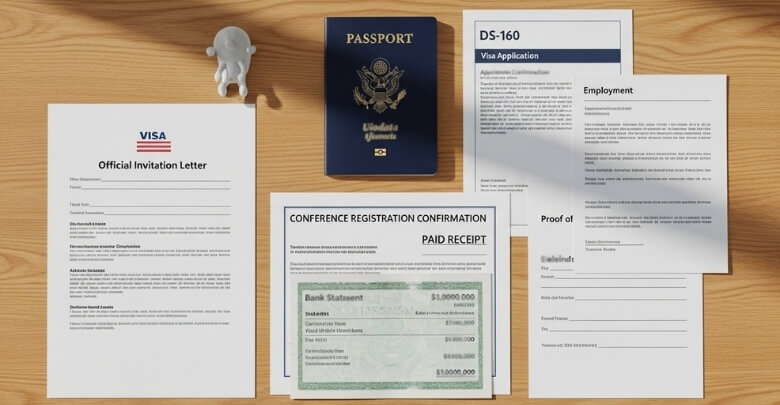
Core Documents
- Passport valid for at least 6+ months beyond travel dates
- Conference registration confirmation and payment receipt
- Acceptance letter or invitation letter (if presenting)
- Hotel booking or accommodation proof
- Flight reservation plan (as required for visa process)
Financial and Employment/Study Proof
- Bank statement or sponsor letter showing trip funds
Employment letter or student enrollment letter - Travel funding approval or grant letter (if applicable)
Travel Protection
- Travel insurance meeting destination requirements
- Medical coverage proof, if requested by embassy/consulate
Practical Prep
- Digital folder of PDFs (passport scan, letters, receipts)
- Printed backup of critical documents for the airport and check-in
- Local transport plan from the airport to the venue area
FAQs: Top Education Conferences 2026
Quick answers below address common academic planning questions for top education conferences 2026, especially when comparing themes, formats, and outcomes across upcoming international conferences.
What Research Types Get Accepted Most Often?
Clear research questions, transparent methods, and a defined contribution tend to perform best. Track alignment matters: Use the conference’s own theme language in your title, abstract, and keywords.
Paper Vs Poster Vs Symposium Vs Roundtable: Which Should You Choose?
Paper suits mature findings, poster suits early-stage results and feedback, symposium suits coordinated multi-paper themes, and roundtable suits discussion-first work that benefits from targeted critique.
How Do You Confirm A Conference Is Academic And Peer-Reviewed?
Look for track-based submissions, a stated review process, academic committee information, and structured research sessions. Academic conferences usually separate research presentations from general training or product-led programming.
When Should International Attendees Start Visa And Travel Planning?
Start once dates and location are confirmed, then move quickly after acceptance or registration proof is available. Visa processing varies by destination, so early document preparation reduces risk.
What Should You Prepare For First-Time Academic Networking?
Bring a 15-second research intro (topic, method, key finding, why it matters) and one shareable link or PDF. Asking one precise question after a session often opens the easiest follow-up.
How Can You Budget Accurately For An Education Conference?
Include registration, flights, hotel, meals, local transport, and optional workshops. Biggest cost swings usually come from hotel proximity, booking timing, and extra pre-conference days.
What If You Miss The Call For Papers Deadline?
Check for late-breaking sessions, poster extensions, or alternate submission tracks. If deadlines are closed, attend for learning and networking, then target the next cycle using a ready-to-submit abstract.
How Do You Turn Conference Attendance Into Publications Or Projects?
Follow up within 48 hours, share your paper or slides, and propose one specific next step: paper swap, collaboration call, joint symposium idea, or proposal outline. One action beat vague “let’s stay in touch.”
Conclusion
Top education conferences 2026 offer more than presentations; they connect you with current research agendas, peer feedback, and collaborations that can shape publications, teaching practice, and policy work. Use the quick comparison to shortlist the best-fit events, prepare a clean CFP submission pack, and plan networking with a simple system.
With early registration, clear travel documents, and a focused conference plan, each trip becomes a measurable academic outcome, not just attendance.