Planning your 2026 learning and networking early can make a real difference, especially in the supply chain. Events like the 115th Global Conference on Supply Chain Management (GCSCM), Supply Chain Canada’s National Conference, and Canada’s Logistics Conference (CITT) give you the opportunity to learn from the decision-makers who shape procurement, logistics, and operations.
If you want the full details and tips to choose what fits your goals, read the complete guide to the Top 10 Supply Chain Management Conferences in Canada 2026 and plan your calendar with confidence.
Top 10 Supply Chain Management Conferences in Canada 2026 (Quick Glance)
Here’s a fast, skimmable view of the list of the top 10 supply chain management conferences in Canada 2026 so you can compare dates, cities, and focus at a glance before diving into the details for each event.
| Date | Conference | City / Province | Primary Focus |
| Apr 3–5, 2026 | 88th Global Conference on Supply Chain Management (GCSCM) | Montreal | Supply Chain Management |
| May 3–6, 2026 | Canadian Public Procurement Council (CPPC) Forum | New Brunswick | Public Procurement |
| May 27–29, 2026 | Supply Chain Canada National Conference 2026 | Québec City, QC | National Supply Chain Leadership |
| Jun 3–5, 2026 | Canada’s Logistics Conference 2026 (CITT) | Calgary, AB | Logistics & Transportation |
| Jun 5–7, 2026 | 122nd Global Conference on Strategic Management and Planning (GCSMP) | Toronto | Strategy & Planning |
| Jul 8–9, 2026 | Cold Chain Connection Toronto (GCCA) | Toronto, ON | Cold Chain Logistics |
| Jul 23–24, 2026 | International Conference on Global Supply Chain and Logistics Management (ICGSCLM) | Toronto, ON | Global Supply Chain & Logistics |
| Sep 15–17, 2026 | Ports Canada Annual Conference 2026 | Windsor, ON | Ports & Maritime Trade |
| Sep 18–20, 2026 | 115th Global Conference on Supply Chain Management (GCSCM) | Vancouver | Supply Chain Management |
| Oct 20–21, 2026 | 2026 CIFFA Conference | Vaughan, ON | Multimodal logistics, |
Conferences by City in Canada (2026)
Planning by location is the fastest way to group events and reduce travel costs. Use this city view to see which conferences you can attend in one trip.
Montreal, QC

- 88th Global Conference on Supply Chain Management (GCSCM) — Apr 3–5, 2026
Québec City, QC
- Supply Chain Canada National Conference 2026 — May 27–29, 2026
Calgary, AB
- Canada’s Logistics Conference 2026 (CITT) — Jun 3–5, 2026
Toronto, ON
- 122nd Global Conference on Strategic Management and Planning (GCSMP) — Jun 5–7, 2026
- Cold Chain Connection Toronto (GCCA) — Jul 8–9, 2026
- International Conference on Global Supply Chain and Logistics Management (ICGSCLM) — Jul 23–24, 2026
Windsor, ON
- Ports Canada Annual Conference 2026 — Sep 15–17, 2026
Vancouver, BC
- 115th Global Conference on Supply Chain Management (GCSCM) — Sep 18–20, 2026
Vaughan, ON
- 2026 CIFFA Conference — Oct 20–21, 2026
New Brunswick
- Canadian Public Procurement Council (CPPC) Forum — May 3–6, 2026
Top 10 Supply Chain Management Conferences in Canada 2026
If you’ve been searching for supply chain management conferences in Canada and want a clear shortlist you can act on, these summaries make it easier to match the right events to your role: procurement, logistics, planning, ports, cold chain, or sustainability.
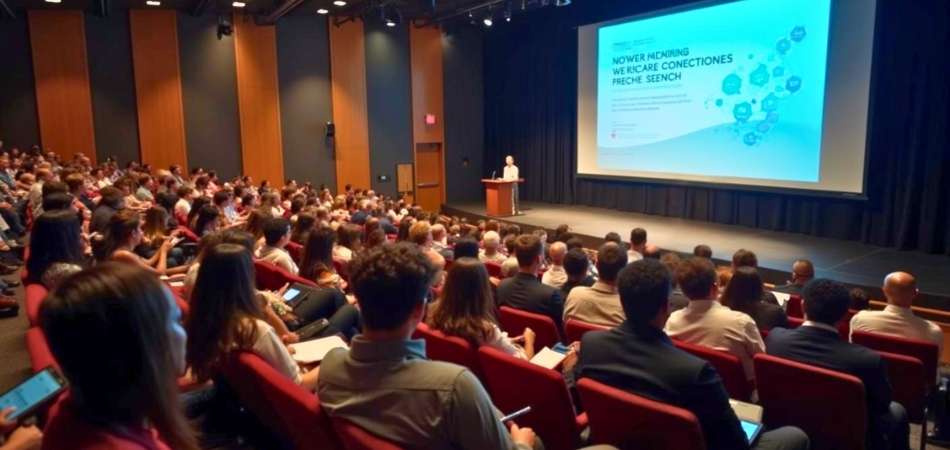
88th Global Conference on Supply Chain Management (GCSCM)
Date: April 3–5, 2026
Location: Montreal, Canada
Expected Attendees: Supply chain leaders, researchers, procurement and operations teams
This GCSCM edition is built for people who want sharper thinking and practical ideas in one place. You’ll hear research-backed sessions and real operational lessons on resilience, sourcing, planning, and performance. Expect strong cross-industry networking and takeaways you can apply to day-to-day execution and long-term strategy.
Canadian Public Procurement Council (CPPC) Forum
Date: May 3–6, 2026
Location: New Brunswick, Canada
Expected Attendees: Public procurement leaders, government buyers, policy and compliance teams
CPPC is where public procurement conversations get specific policy updates, compliance realities, supplier engagement, and smarter purchasing processes. You’ll meet procurement decision-makers from across Canada and leave with clearer approaches to tenders, vendor management, and internal alignment that actually hold up in practice.
Supply Chain Canada National Conference 2026
Date: May 27–29, 2026
Location: Québec City, Canada
Expected Attendees: Supply chain executives, planners, logistics leaders, solution providers
This is the room for Canada-wide supply chain leadership strategy, talent, digital adoption, and risk planning. You’ll meet peers running end-to-end operations and hear what’s working across industries. The biggest value is benchmarking your approach, learning faster, and making connections that continue after the event.
Canada’s Logistics Conference 2026 (CITT)
Date: June 3–5, 2026
Location: Calgary, Canada
Expected Attendees: Logistics managers, transportation leaders, freight and distribution teams
CITT’s logistics conference leans practical: freight movement, transportation strategy, infrastructure, and operational efficiency. You’ll meet people solving real delivery and cost challenges, not just talking about them. Expect sessions that improve planning, performance measurement, and decision-making across carriers, shippers, and 3PL networks.
122nd Global Conference on Strategic Management and Planning (GCSMP)
Date: June 5–7, 2026
Location: Toronto, Canada
Expected Attendees: Strategy leaders, planners, operations managers, academics
GCSMP isn’t supply chain-only, but it’s valuable if your work includes planning, governance, and execution. You’ll hear how leaders build strategy, align teams, and measure performance, topics that directly shape supply chain decisions. Attend to strengthen how you plan, prioritize, and justify supply chain initiatives.
Cold Chain Connection Toronto (GCCA)
Date: July 8–9, 2026
Location: Toronto, Canada
Expected Attendees: Cold chain operators, warehouse leaders, food and pharma logistics teams
This event is focused and technical in the best way, with a focus on temperature-controlled logistics, compliance, risk reduction, and cold storage operations. You’ll meet specialists managing food and pharma distribution and leave with ideas to reduce spoilage, improve quality control, and tighten performance across time-sensitive networks.
International Conference on Global Supply Chain and Logistics Management (ICGSCLM)
Date: July 23–24, 2026
Location: Toronto, ON
Expected Attendees: Researchers, global logistics pros, analytics and trade-focused teams
ICGSCLM blends research and real-world operations, with strong coverage of logistics networks, analytics, and international supply chain challenges. You’ll meet academics and practitioners who like structured thinking—models, frameworks, and evidence. It’s a good fit if you want deeper insight than typical conference surface-level trends.
Ports Canada Annual Conference 2026
Date: September 15–17, 2026
Location: Windsor, ON
Expected Attendees: Port authorities, maritime logistics leaders, trade and infrastructure stakeholders
If ports and trade corridors touch your supply chain, this conference is highly relevant. You’ll meet public and private leaders shaping infrastructure, regulation, and resilience across Canada’s gateways. Expect useful conversations on capacity, modernization, and how ports connect with rail, road, and inland distribution networks.
115th Global Conference on Supply Chain Management (GCSCM)
Date: September 18–20, 2026
Location: Vancouver, Canada
Expected Attendees: Supply chain professionals, procurement leaders, academics, operations teams
This later-year GCSCM edition is a strong pick for staying current on sourcing, planning, analytics, and sustainable operations. You’ll meet people solving similar problems across industries and walk away with new approaches and contacts. It works well if you want both learning and high-signal networking.
2026 CIFFA Conference
Date: October 20–21, 2026
Location: Universal EventSpace, Vaughan, ON
Expected Attendees: Customs/trade compliance teams, logistics managers, carrier and port partners
CIFFA’s flagship event brings together freight forwarders, 3PLs, customs and trade compliance teams, and logistics leaders to discuss Canada’s evolving freight and supply chain challenges. Expect practical sessions on transportation, global trade, risk, and execution, plus high-value networking with carriers, ports, and solution providers.
Conference Matchmaker: Pick the Right Event Fast
Not every conference is worth your time for the same reason. Use this quick matchmaker to connect your role and goals to the most relevant events on the 2026 calendar.

Public Procurement and Government Sourcing
- Canadian Public Procurement Council (CPPC) Forum, New Brunswick
Canada-Wide Leadership and Networking
- Supply Chain Canada National Conference 2026, Québec City, QC
Freight, Transportation, and Distribution Operations
- Canada’s Logistics Conference 2026 (CITT), Calgary, AB
Strategy, Planning, and Performance Management
- 122nd Global Conference on Strategic Management and Planning (GCSMP), Toronto, ON
Cold Chain Logistics and Compliance
- Cold Chain Connection Toronto (GCCA), Toronto, ON
Research-Backed Supply Chain Management and Broad Networking
- 88th Global Conference on Supply Chain Management (GCSCM), Montreal, QC
- 115th Global Conference on Supply Chain Management (GCSCM), Vancouver, BC
Global Logistics and Analytics Frameworks
- International Conference on Global Supply Chain and Logistics Management (ICGSCLM), Toronto, ON
Ports, Maritime Trade, and Trade Corridors
- Ports Canada Annual Conference 2026, Windsor, ON
Multimodal Logistics, Freight Forwarding, and Trade Compliance
- 2026 CIFFA Conference, Vaughan, ON
Travel Guide for International Attendees (Canada Conferences 2026)
Coming to Canada for a supply chain conference is easier when you plan the basics early: documents, timing, and logistics. Use this guide to reduce last-minute stress and arrive ready to network.

Quick Checklist (Do This First)
- Confirm whether you need a TRV or eTA
- Check passport validity (and renew if needed)
- Register and request an invitation letter (name must match passport)
- Book a hotel near the venue or on a direct transit line
- Arrive 1 day early (2 days early for long-haul travel)
- Save QR code + venue address offline (screenshots)
- Prepare payment plan (cards + small cash + receipts)
- Pack business casual + layers + comfortable shoes
- Set a networking goal (example: 5 key contacts + 3 follow-ups)
Visa and Entry Planning
Start with your visa requirements as soon as you choose your conference city. Many travelers need either a Temporary Resident Visa (TRV) or an eTA (for visa-exempt countries). Apply early, and keep a clean folder with your passport validity, conference registration proof, accommodation details, and a clear reason for travel.
Invitation Letters and Supporting Documents
Most conferences can provide an invitation letter after registration. When you request it, make sure your name matches your passport, and ask for a letter that includes the event name, dates, city, and organizer details. Also, prepare supporting documents like your employer letter (if applicable), travel insurance, and a simple itinerary.
Choosing Flights and Arrival Timing
Arrive at least one day before the conference start two days if you’re flying long-haul or expect jet lag. This buffer helps if bags are delayed, weather changes, or immigration takes longer than expected. For morning registration days, arriving the night before is the safest move.
Where to Stay (Simple Rule)
Stay within walking distance of the venue when possible, or along a direct transit line. It saves time and makes networking easier because you can join breakfast meetups, evening receptions, and last-minute sessions without worrying about commuting.
Getting Around in Canadian Cities
Toronto, Vancouver, and Montréal have strong public transit options, while rideshare is widely available in most major cities. For Calgary, Québec City, Windsor, and New Brunswick locations, check how far the venue is from downtown and whether you’ll rely more on rideshare or hotel shuttles.
Budgeting and Payments
Plan for a mix of costs: registration, hotel, local transport, meals, and mobile data. Credit cards work almost everywhere, but it’s smart to carry a small amount of cash for tips and small purchases. Keep receipts if your employer reimburses travel.
What to Pack for Business + Weather
Pack business casual clothing, comfortable shoes, and a light layer even in warmer months (venues can be cold). Weather varies by city and season—Toronto and Montréal can feel humid in summer, while late fall can be chilly. Bring a compact umbrella and a carry-on plan for essentials.
Networking Prep That Pays Off
Bring business cards (or a digital card), a short one-line intro of what you do, and a clear goal (e.g., meet 5 procurement leaders or 3 logistics vendors). After each day, send 2–3 quick follow-ups while conversations are still fresh—this is where most conference ROI comes from.
Day-Of Tips (To Avoid Stress)
Take a screenshot of your registration QR code, save the venue address offline, and confirm check-in times the night before. Aim to arrive 20–30 minutes early on day one so you can register smoothly and start networking before sessions begin.
The Legit Conference Filter (Quick Trust Checklist)
Use this fast check before you register, especially if you’re comparing multiple supply chain management conferences in Canada and want to avoid low-value events.
Fast Check:
- Verify the organizer and past editions
- Confirm the venue + city on the official page
- Check the agenda for specific sessions and times
- Validate speaker names and real roles
Review ticket inclusions + refund/transfer terms - Watch for pressure tactics or unclear pricing
Verify the Organizer Is Real
Look for a track record: past editions, a verifiable organization name, and clear contact details. Legit events make it easy to see who’s behind them and how to reach a real team.

Confirm the Venue and City Details
A trustworthy conference lists the venue, city, and dates clearly. Cross-check the venue name on a venue site, hotel listing, or partner mention when possible—small mismatches are a common red flag.
Check the Agenda for Specific Sessions
Strong conferences publish real session titles and formats (keynotes, panels, workshops) with timing. Be cautious of agendas that stay vague or never move beyond broad themes.
Validate Speakers and Their Roles
Speakers should be searchable through company pages or professional profiles. Treat “speaker lineup coming soon” as normal only when the event has a strong history and the rest of the details are solid.
Read Ticket Terms and Refund Policy
Legit events are transparent about what each pass includes, whether tickets are transferable, and how refunds work. If policies are missing or overly unclear, pause before paying.
Watch for Pressure Tactics
Be careful with nonstop urgency, discounts that never end, or pricing that changes at checkout. Real conferences don’t need pressure to prove value—they show it in the agenda and details.
Practical Tips to Make the Conference Worth It
Conferences pay off when you treat them like a short project: plan, execute, then follow up. These practical tips help you get real outcomes, useful notes, better contacts, and clearer next steps without overthinking it.
- Before You Go, Pick a “Problem Statement”: One sentence on what you’re trying to solve (e.g., reduce lead times, improve OTIF, fix supplier performance).
- Screenshot the Agenda and Map: Save them offline so you’re not hunting for info on weak venue Wi-Fi.
- Arrive 20 Minutes Early on Day One: Registration lines and badge issues are common; this saves your first session.
- Use the “3–2–1 Rule” Daily: 3 sessions, 2 new contacts, 1 follow-up scheduled before you leave.
- Ask for Examples, Not Opinions: “What metric did you track?” “What changed after 30 days?” gets better answers.
- Take Photos of Useful Slides: Then write a 1-line note on why it matters, so it’s searchable later.
- Skip One Session for Networking: A single high-quality conversation can beat another generic panel.
- Vet Vendors Fast: Ask about integration time, total cost, and a reference client in your industry.
- Send a Same-day Follow-up Message: Short, specific, and tied to your conversation, no long emails.
- Turn Notes Into a 7-day Action List: Choose 2 ideas to test, 1 tool to evaluate, and 1 process to revisit.
Frequently Asked Questions
These quick FAQs cover the details people usually look for when planning a 2026 conference calendar, especially the practical questions that don’t always show up in event listings.
When Is the Best Time to Register for the 2026 Conferences?
Register as soon as you’re confident an event fits your goals. Early registration usually gives you better pricing, better hotel options near the venue, and more time to schedule meetings with attendees, speakers, or vendors before calendars fill up.
Which Conferences Are Most Useful for Career Growth and Hiring?
Events with a strong national or cross-industry audience tend to be best for career opportunities. Look for conferences that attract senior practitioners and solution providers, then use networking breaks and exhibitor areas to meet hiring managers and teams building new programs.
Are These Conferences Better for Practitioners or Researchers?
This list includes both. Some events are practitioner-focused with operational sessions and industry panels, while others include research presentations and academic discussions. If you want practical takeaways, prioritize events that publish workshop formats, case studies, or practitioner tracks.
How Do I Choose Between Two Conferences That Look Similar?
Use a simple tie-breaker: pick the event that matches your immediate priorities (procurement, logistics, cold chain, ports, sustainability), has the strongest speaker lineup for your niche, and is easiest to attend based on travel time and total cost.
What Should I Bring to Make Networking Easier?
Bring a short intro you can say in one breath, a digital business card or LinkedIn QR, and a few conversation starters tied to your role (KPIs, tools, suppliers, or trade lanes). Comfort matters, too; good shoes and a light layer help you stay present.
Do Conferences Offer Certificates or Professional Credits?
Some conferences offer certificates for workshops, training tracks, or partner-led sessions, but this varies by organizer. If credits matter to you, check whether the agenda mentions certifications, continuing education, or verified attendance documents before registering.
How Can Vendors or Sponsors Get the Most Value From Attending?
Vendors do best when they arrive with a clear target list and a simple demo story. Focus on solving one visible problem, book short meetings in advance, and treat the event as relationship-building. Most real deals start with follow-ups after the conference.
What Should I Do in the Week After the Conference?
Within a week, turn your notes into a short action list: two ideas to test, one process to review, and the top people to follow up with. Send quick messages with a specific next step (call, intro, or resource) while your conversation is still fresh.
Conclusion
Choosing the right conferences gets much easier when you start with a shortlist you can trust. This guide to the top 10 supply chain management conferences in Canada 2026 pulls the key events into one place, so you can compare dates, cities, and focus areas without digging through dozens of pages.
Now it’s just about picking what matches your goals. Read through the full breakdown, save the events that fit, and use the tips to turn each conference into real learning, better connections, and next-step actions you can take back to work.