A poster is more than just paper with text and pictures on it. It speaks for research, shares ideas, and draws people in without saying a word. Many people who attend conferences often wonder what makes it so special, and that’s when they start to think about the role of poster sessions in academic conferences.
Poster sessions play a key role in academic conferences by helping researchers share ideas through visuals and personal talks. They allow relaxed interaction, support networking, and give more people a chance to present. These sessions add energy to the event and make learning clear, personal, and enjoyable.
Are you curious about how poster sessions help in sharing ideas, building skills, and growing research work? Keep reading this article to find everything you need to know about this interesting and useful part of academic conferences.
The Role of Poster Sessions in Academic Conferences
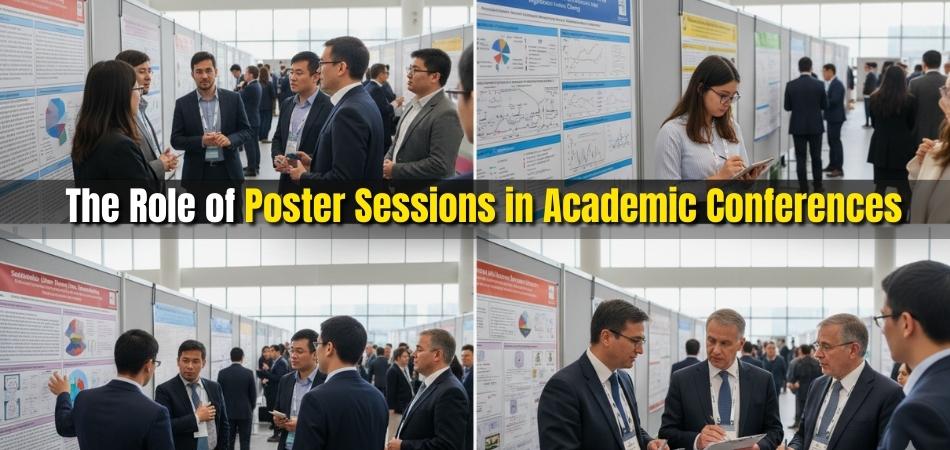
Poster sessions are one of the most lively parts of any academic event. They help people share their ideas in a fun and open way. Researchers use posters to explain their studies, show results, and talk with others. Let’s look at why these sessions are so useful and how they make conferences better.
Sharing Knowledge Visually
Posters help people understand research through visuals like graphs and charts. This makes complex ideas easier to grasp at a glance. A short text explains what the research is about, how it was done, and why it matters. Visuals often spark interest and make learning more enjoyable for everyone.
Easier Way To Present
Not everyone feels confident giving a speech on stage. Poster sessions give them a relaxed space to talk about their work. It’s a great option for new researchers who want to share ideas without pressure. They can chat freely and answer questions in a friendly way.
Encourages Conversation
People can walk up to the poster and start talking with the presenter. These talks help everyone exchange thoughts and opinions about the topic. Many times, these small talks lead to fresh ideas or teamwork. It’s also a great way to meet others who share similar interests.
Builds Useful Connections
Poster sessions are full of networking chances. Researchers can meet experts, learn new methods, or even find mentors. Sometimes, these meetings lead to job offers or future projects. Talking one-on-one feels more personal and helps build real connections.
Lets Presenters Go At Their Own Pace
Every visitor has a different level of interest. The presenter can give a quick summary to one person or a deep explanation to another. This flexible style makes sharing information smoother and more natural. People enjoy learning at their own speed.
Opens Doors For More People
It’s easier and faster to prepare a poster than a full speech. Because of that, more researchers can join and present their work. This gives equal chances to those who might not be chosen for the main talks. It helps make the event more inclusive and varied.
Helps Improve Communication Skills
Talking with visitors helps presenters learn how to explain their ideas clearly. They get feedback that can make their work better. It’s also a chance to see how others understand their research. This kind of real-time interaction builds confidence and communication skills.
Adds Energy To The Event
Poster sessions often feel lively and social. People move around, chat, and share thoughts freely. It breaks the routine of long speeches and adds variety to the program. The energy and buzz in the room make the whole conference feel more exciting.
Poster sessions bring people together in a friendly and open way. They help spread new ideas while making learning more enjoyable. Presenters gain confidence, build contacts, and improve their work through real feedback. If you attend a conference, don’t miss the poster area; it’s full of great ideas waiting to be discovered.
How to Choose the Right Conference for Your Poster Presentation?
Picking the right place to present your poster matters a lot. The right event helps your research reach the right people. It also helps you meet experts who can share useful ideas. Let’s look at how you can pick the best one for your work.
Know Your Research Field
Start by finding conferences that focus on your research area. Check if the topics they cover match your study goals. Look at past programs to see what kind of work is presented. This helps you avoid events that are too broad or off-topic for your poster.
Check the Conference Reputation
Look for events that have a good name in your field. Trusted ones often attract strong reviewers and active audiences. You can read online reviews or talk to past attendees. This helps you know if the event truly values research like yours.
Understand the Audience
Think about who will attend the event. A focused audience means better feedback and more interest in your work. Presenting to people who understand your topic helps your poster make a stronger impact. It is always better than showing it to a random crowd.
Compare the Location and Size
Look at where the event is held and how big it is. Some are small and personal, while others are large and global. Especially for global events like conferences in USA, where top experts attend, you can gain more attention and connections. Choose one that fits your goals and budget.
Match Your Goals With the Event Type
Think about what you want to gain from the presentation. If your goal is to share early results, smaller events might work best. If you want to meet international experts, larger conferences give better chances. The right fit helps you get the most from your effort.
Choosing the right event is key to your poster’s success. It helps your ideas reach people who care about your topic. A thoughtful choice also builds your name in the research field. So, take your time, check all details, and go where your work truly belongs.
How to Design an Effective Academic Conference Poster?
Creating a good academic poster helps you share your work clearly. A poster should be simple, neat, and easy to read. It must catch people’s attention even from a few feet away. Keep reading to learn clear and useful tips to make your poster stand out.

Choose a Clean Layout
Use a layout that guides the eye easily from top to bottom. Keep all sections in boxes or columns so they look neat. Place your title and name at the top. Arrange text in short blocks with enough space around them. Avoid clutter by leaving empty space between sections.
Use Readable Font Sizes
Pick clear fonts like Arial or Calibri. Your title should be large enough to read from a few meters away. Keep section titles medium-sized and text smaller but still easy to read. Avoid using fancy fonts that are hard to see. Bold the key points to draw quick attention.
Add Clear and Helpful Visuals
Pictures, charts, and graphs help others understand your work fast. Use simple visuals that match what you’re explaining. Avoid adding too many images that may confuse people. Make sure all visuals have short, clear captions. Use colors that match and don’t hurt the eyes.
Keep Words Simple And Short
Use short sentences and plain words to explain your ideas. People should be able to read your main point in seconds. Avoid long paragraphs and too much detail. Use bullet points or small lists to make reading easy. Focus on your main message instead of extra facts.
Make It Easy To Follow
Use arrows or numbers to show the order of reading if needed. Keep related ideas close together so they make sense. Check the balance between text and visuals. Make sure the poster looks clear even from a distance. Always test your poster by printing a small sample first.
A good academic poster is clear, simple, and easy to read. It shows your work in a neat and eye-catching way. Always focus on what you want people to remember first. Follow these easy tips to make your poster both smart and memorable.
How to Present Your Poster Confidently During a Conference?
Speaking in front of people can make anyone nervous, but a bit of planning helps a lot. When you know your topic well, it’s easier to explain it in a calm and clear way. Posters are meant to start short talks with people, not long speeches. Read the simple tips below to help you do well and feel at ease.
Know Your Poster Inside Out
Take time to understand every part of your poster. Be ready to explain your topic, key points, and why it matters. When you speak, use simple words instead of long terms. This helps everyone understand your ideas. If you’re presenting for the first time, following a few tips for first-time academic conferences can help you feel more relaxed and deliver your points clearly during your poster session.
Start With a Short and Clear Introduction
Begin with one or two sentences about your topic. Then explain what problem your research solves and how you did it. Keep your tone friendly and easy. A short start grabs attention and makes people want to know more. Avoid reading word-for-word from your poster.
Use Visuals To Support Your Words
Point to graphs or pictures while you speak. This keeps people focused and helps them follow your ideas. Simple charts and neat layouts make your message clear. When someone asks, use the visuals to show your answer. It’s a nice way to connect your words with your poster.
Stay Calm When Handling Questions
Some people may ask tricky questions, but stay calm and take your time. If you don’t know the answer, say you’ll check later. It’s fine to admit that. Always thank the person for asking. This shows confidence and respect, even if you’re unsure of the answer.
Talk and Engage With Attendees
Smile and make eye contact with visitors. Ask them what they think or if they have any ideas. This keeps your session lively and friendly. You might meet people who give helpful advice or new views on your topic. Sharing and listening make your talk more fun and useful.
Presenting a poster is not about being perfect but about sharing what you learned. Speak clearly, listen kindly, and enjoy the talk with others. Each time you present, you’ll feel a bit more sure of yourself. Keep practicing these habits to make your next session even smoother.
Common Mistakes to Avoid When Preparing a Conference Poster
Creating a good conference poster takes some care and planning. Many people make small mistakes that stop their posters from catching attention. A poster should share ideas in a clear and simple way. Let’s look at some common errors and how you can fix them to make your poster stand out.
Too Much Text
Posters with long paragraphs are hard to read from a distance. Try to keep your words short and to the point. Use short sentences or bullet points to share main ideas. Leave some empty space to make it easy on the eyes. Think of your poster as a summary, not a full report.
Weak Visuals
Low-quality pictures or messy graphics make a poster look dull. Always use clear, high-resolution images that match your topic. Stick to two or three main colors for a clean look. Use charts or icons instead of heavy text where possible. A simple layout often looks more professional.
Confusing Data
If your graphs or charts are unclear, people will lose interest fast. Make sure all numbers and labels are easy to read. Avoid too many colors or styles in one chart. Highlight the main point your data shows. Keep your design neat so your key message stands out.
Poor Font Choices
Tiny or fancy fonts can make reading your poster hard. Choose clean fonts like Arial or Calibri and keep sizes large enough to see from a few steps away. Use bold or color only to highlight key parts. Consistent font use across all sections makes the poster look tidy.
No Clear Flow
When information jumps around, viewers get lost. Arrange your content in a logical order from top to bottom or left to right. Use headings and arrows to guide the eye. Make sure your title catches attention and your conclusion sums up the main idea. A smooth flow helps your message stick.
Messy Layout
Overcrowded posters feel messy and tiring to look at. Leave enough space between sections so each part can breathe. Keep borders simple and avoid too many shapes or boxes. Aim for a balance between text, visuals, and empty space. Clean layouts make people stop and read.
A strong conference poster is clear, simple, and easy to follow. Focus on quality visuals and short, meaningful text. Make sure your data and layout support your main idea. Follow these tips to create a poster that draws attention and clearly shares your message.
How Do Poster Sessions Contribute to Research Development?
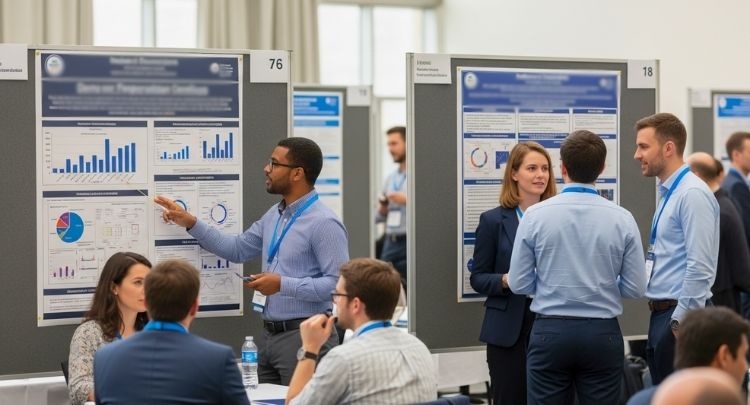
Poster sessions are a key part of most research conferences. They let new and experienced researchers share their ideas in a simple way. These sessions often help people learn from each other in a friendly setup. Keep reading to see how poster sessions help improve and grow research work.
A Place To Share Early Ideas
Researchers often use poster sessions to show their first research drafts. This helps them test if their topic is interesting and worth further study. Talking with people gives them new views and ideas they might miss. It is also a chance to get helpful feedback before deeper work begins.
Building Confidence In Sharing Work
Standing beside a poster helps researchers learn to talk clearly about their study. They answer questions, explain their work, and handle feedback. This builds speaking confidence and improves how they explain complex ideas. With time, it helps them present better at bigger events.
Learning From Other Researchers
During poster sessions, people can walk around and see many studies. This helps them learn what others are doing in the same field. They might find links or new methods they had not thought of before. It is a simple way to grow knowledge and improve their own work.
Getting Helpful Feedback
Poster sessions often give researchers early feedback that helps refine their work, especially for those planning to turn conference presentation into a publication later on. Viewers might point out gaps or suggest better ways to collect data. These tips make the final paper stronger and more accurate.
Building Research Connections
Poster sessions help researchers meet others who share the same interests. These talks can lead to future research teams or shared projects. Meeting experts also opens doors to new learning opportunities. Over time, these small talks can turn into lasting work relations.
Poster sessions are more than simple displays of research work. They build skill, confidence, and strong research ideas. Many good studies start from short talks beside posters. So, joining and learning from these sessions can lead to real research growth.
FAQs About The Role of Poster Sessions in Academic Conferences
Poster sessions often raise many questions for new presenters and attendees. These sessions play a big role in sharing ideas and growing research skills. To help you understand them better, here are some simple and useful FAQs. Read below to learn clear answers about how poster sessions work and why they matter.
What Makes Poster Sessions Different From Oral Presentations?
Poster sessions are more personal and less formal than stage talks. You can talk to people one-on-one instead of speaking to a large group. This gives both sides more time to ask and answer questions. It’s also easier to connect with people and share your ideas in a relaxed way.
Why Are Poster Sessions Important For Young Researchers?
These sessions give new researchers a friendly start to share their work. They don’t need to handle stage fright or strict time rules. Talking beside a poster helps them practice explaining their ideas clearly. It’s a great way to learn and grow before presenting on bigger stages.
How Do Poster Sessions Help Spread New Research Ideas?
Poster sessions make it easy for people to walk around and learn many things quickly. Since posters show data, charts, and short notes, ideas spread faster. Researchers can share updates or early findings that are not yet published. This keeps everyone in the field up to date with new knowledge.
What Are The Benefits Of Attending Poster Sessions Even Without Presenting?
You can learn a lot by just visiting poster sessions. They let you explore many research topics in one place. You can talk to presenters, ask simple questions, and get ideas for your own studies. It’s also a good way to see what trends are growing in your subject area.
How Do Poster Sessions Encourage Teamwork And Collaboration?
Many researchers meet others with similar interests during poster talks. These meetings often lead to future studies or group projects. Talking face-to-face builds trust and helps form strong research bonds. Working together later becomes easier because the first contact starts at these sessions.
How Can Poster Sessions Inspire Future Research Topics?
By seeing many posters, you get a sense of what’s already being studied. You might notice gaps that no one has worked on yet. This can spark new research ideas or questions worth exploring. It’s one of the best ways to plan what to study next.
How Do Poster Sessions Support Learning Outside The Classroom?
Poster sessions teach real-life communication and listening skills. They help people learn how to share complex ideas simply. It’s a form of active learning where you can ask, discuss, and respond instantly. This makes research more practical and less about just reading books.
How Do Poster Sessions Help Build A Research Community?
Poster sessions bring people from many fields together in one space. They make it easy to meet others, exchange thoughts, and find common interests. These friendly meetings often grow into long-term research groups or networks. Over time, they make the research community stronger and more connected.
Why Should Conference Organizers Include Poster Sessions?
Poster sessions make events more lively and balanced. They give space to more participants since not everyone can give a full talk. They also attract visitors who enjoy interactive discussions. Adding them makes a conference more engaging and open to fresh ideas.
Conclusion
Poster sessions play a big part in making research events lively and open. They turn simple ideas into shared learning moments and help people connect. These sessions make it easy for anyone to share, learn, and grow in a friendly, inspiring space.
The role of poster sessions in academic conferences is to connect researchers, share visual knowledge, and build useful discussions. They give a space where learning happens face-to-face, ideas are exchanged easily, and future teamwork begins. These sessions truly bring research to life.
When you join a poster session, smile, listen, and share your best work clearly. Keep your layout simple, your words short, and your visuals neat. Be open to feedback and enjoy meeting others. Good luck with your next poster presentation!