Stepping into the world of academia for the first time can feel both exciting and nerve-wracking. Between research presentations, meeting experts, and exploring new ideas, there’s a lot to take in. Yet, preparing for your first academic conference doesn’t have to feel overwhelming when done with the right mindset.
At its core, preparing for your first academic conference means organizing your research, planning your schedule, and building confidence to present your ideas. It’s about balancing professionalism with curiosity while learning from other researchers and making meaningful academic connections throughout the event.
Every successful academic journey begins with preparation, and this experience is no different. Whether you’re presenting or attending, each step brings valuable lessons. Keep reading to discover practical tips that will help you feel confident, organized, and ready for your very first conference.
Preparing for Your First Academic Conference
Attending your first academic conference is an exciting moment in your academic growth. It’s a chance to present your ideas, meet scholars, and understand emerging research trends. With the right preparation, you can make the most of this opportunity and feel confident from the start. Begin with these essential steps to plan effectively.
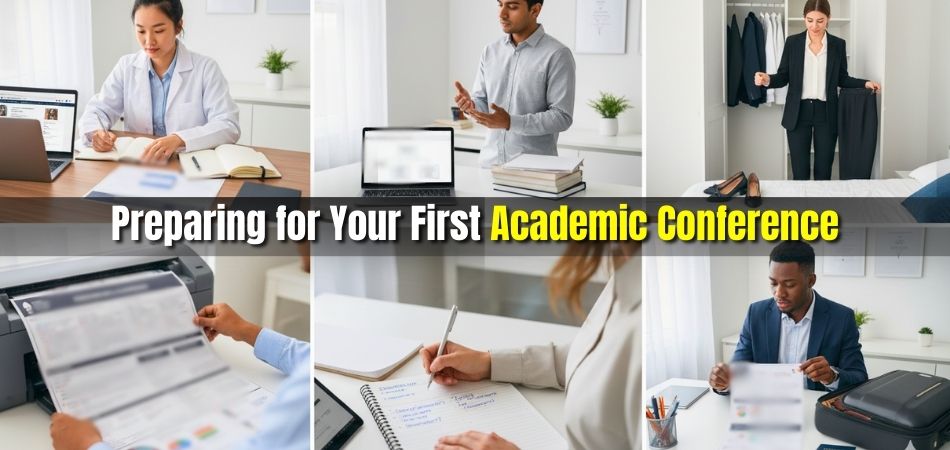
Register Early and Confirm Your Travel Plans
Register as soon as possible to secure your place and receive updates about schedules or venue changes. Confirm your travel and accommodation early to avoid last-minute stress. Early registration also allows you to budget better and prepare for your trip efficiently, especially if the event is an international conference in Canada, the USA, or Mexico.
Research the Conference Theme and Agenda
Familiarize yourself with the conference theme to ensure your presentation aligns with the main topics. Review the schedule, note down important sessions, and identify key speakers. Having a clear understanding of the event structure helps you plan your participation wisely and prioritize sessions that match your academic goals.
Prepare Your Research Presentation or Poster
Start designing your slides or poster well in advance. Focus on clarity and simplicity, using visuals to support your ideas rather than crowding slides with text. Rehearse your talk multiple times to ensure smooth delivery. A strong presentation showcases your work effectively and builds your confidence on stage.
Set Networking Goals and Schedule Sessions
Decide what you want to achieve through networking, whether it’s meeting researchers in your field or seeking collaboration opportunities. Review the program to schedule sessions that match your interests. Be approachable and engage in conversations during breaks or social events to build valuable academic connections.
Pack Essentials and Important Documents
Create a checklist to ensure you don’t miss anything important. Include your ID, conference badge, presentation backups, chargers, and business cards. Pack professional attire that keeps you comfortable throughout long sessions. Having everything ready will keep you stress-free and focused on learning and presenting.
Review Your Budget and Manage Expenses
Plan your finances early by estimating costs for travel, accommodation, food, and materials. Set aside a small amount for unexpected expenses. Managing your budget efficiently ensures you can focus fully on the academic experience rather than worrying about spending during your trip.
Preparing for your first academic conference takes time, but every effort pays off when you walk into the venue ready and confident. Careful planning helps you stay organized, connect with others, and make the most of this valuable professional experience.
How to Design and Practice Your Presentation with Confidence?
Designing and practicing your presentation is a key part of getting ready for your conference. The way you organize, visualize, and deliver your message can shape how others perceive your research. Follow these focused steps to prepare effectively and speak with confidence throughout your session.
Structure Your Presentation Around a Clear Message
Start by identifying the main takeaway of your research. Organize your slides with a logical flow that moves from introduction to conclusion smoothly. Keep each section focused and concise. A clear structure helps your audience follow your ideas easily and stay engaged during your talk.
Create Simple and Engaging Visuals
Use visuals thoughtfully to strengthen your message. Include charts, images, or data graphics that explain rather than distract. Avoid overloading slides with text and stick to easy-to-read fonts. A visually balanced presentation keeps attention on your content while supporting your spoken points.
Practice Repeatedly and Manage Your Timing
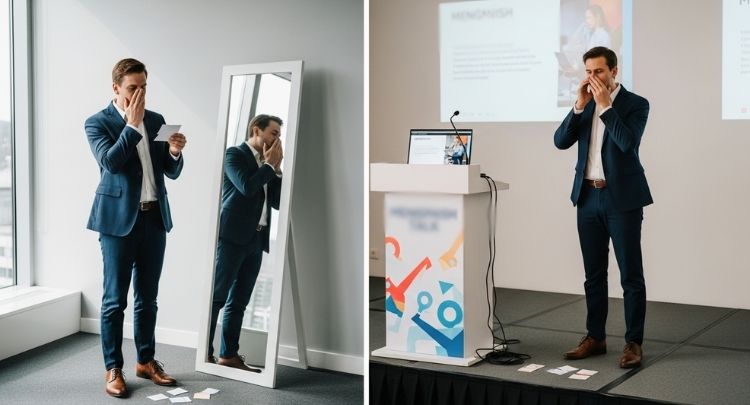
Rehearse your presentation several times before the event. Use a mirror, timer, or even a friend for practice runs. Focus on maintaining a steady pace and confident posture. Regular rehearsal helps you refine transitions, improve delivery, and ensure you finish within your allotted time.
Explore the Value of Poster Sessions
Recognizing the role of poster sessions in academic conferences can enhance your preparation. Poster sessions provide an interactive space to showcase your work and receive feedback through direct discussions. They also create networking opportunities and help you gain constructive insights from experienced researchers.
Adapt to Different Presentation Formats
Conferences may involve oral, virtual, or poster presentations, each requiring a unique approach. Learn about the format you’ll be presenting in and adjust accordingly. For virtual sessions, focus on clarity and lighting, while in-person sessions benefit from expressive communication and body language.
Designing and practicing your presentation takes patience and attention to detail. When you prepare your visuals, timing, and delivery thoughtfully, your confidence naturally grows. The right balance of preparation and passion allows your research to connect meaningfully with your audience.
What Should You Pack for a Professional and Comfortable Conference Experience?
Packing smart helps you stay organized and relaxed throughout your conference trip. Whether you are traveling locally or abroad, having the right items ensures a stress-free experience. Use this checklist to prepare efficiently and focus on your presentation instead of last-minute worries.
- Essential Documents: Carry your passport, identification, registration details, and printed conference schedule. Keep business cards handy for networking. Store all important papers in a secure folder for quick access during registration or travel checks.
- Presentation Tools: Pack your laptop, charger, USB drive, and presentation clicker. Include a backup copy of your slides online or on a cloud drive. This ensures your presentation remains accessible even if technical issues arise.
- Poster Materials: If you are presenting a poster, bring your poster tube, clips, or pins. This connects with the earlier preparation stage, where you learned how vital poster sessions can be for engagement and feedback.
- Personal Comfort Items: Choose professional outfits that fit the event’s tone and keep you comfortable throughout long sessions. Add essentials like toiletries, a notebook, snacks, and a reusable water bottle to stay refreshed and prepared.
- Packing Tips: Pack light but smart. Choose wrinkle-free clothing and compact accessories. Keep a digital backup of all files and travel documents. Efficient packing makes moving between sessions and venues much easier and more enjoyable.
Packing thoughtfully is about finding a balance between professionalism and practicality. When you prepare your essentials, technology, and comfort items in advance, you avoid stress and arrive ready to focus on learning, networking, and making a strong impression at your academic conference.
How to Overcome Nerves and Speak with Confidence During Your Talk?
Feeling nervous before your presentation is completely normal, especially when it’s your first academic conference. The key is learning to manage your stress and project confidence. Use these practical techniques to calm your nerves and deliver your research with clarity and assurance.
Practice Calm Breathing and Positive Self-Talk
Start by taking deep, steady breaths before your presentation. This simple technique helps slow your heart rate and clear your thoughts. Replace negative self-talk with encouraging affirmations like “I’m ready” or “I know my topic.” Such positive thinking can immediately boost your confidence and focus.
Arrive Early and Familiarize Yourself with the Setting
Reaching the venue early gives you time to get comfortable with your surroundings. Check the microphone, projector, and seating arrangement before starting. Familiarity with the space can significantly reduce anxiety and allow you to focus on your delivery rather than technical concerns.
Maintain Open Body Language and Steady Eye Contact
Stand tall, avoid fidgeting, and make eye contact with different sections of the audience. Confident posture and genuine eye contact help you connect better and hold attention. Your physical presence communicates confidence even before you start speaking, reinforcing your message naturally.
Handle the Question and Answer Session Effectively
The question and answer in a research presentation can feel intimidating, but it’s a chance to show your depth of understanding. Prepare short, confident responses, and if unsure, thank the person for their question and note it for later discussion. Staying calm during Q&A builds credibility and trust.
Engage with the Audience Through Connection
Speak as if you’re having a conversation with your audience rather than delivering a speech. Use relatable examples and respond to audience reactions. Engaging actively keeps your listeners involved and helps ease your own tension while creating a more memorable presentation experience.
Confidence grows with preparation and mindfulness. By practicing calmness, controlling body language, and embracing audience interaction, you can transform nervous energy into enthusiasm. Every presentation is an opportunity to improve, connect, and establish yourself as a confident academic speaker.
Post-Conference Actions: Following Up and Reflecting on What You Learned
Once the conference ends, your professional journey doesn’t stop there. The post-event period is just as valuable for growth and connection. Taking thoughtful actions afterward helps you strengthen relationships, apply what you learned, and prepare for future academic opportunities. Here are what you can do after the conference.
Send Thank-You Messages and Follow Up with Contacts
Reach out to organizers, mentors, and new connections to express gratitude for their time and insights. A short thank-you email or message on professional platforms shows appreciation and keeps communication open. Staying connected ensures you remain part of future discussions and collaborations.
Share Your Experience on Professional Platforms
Post a short summary of your conference experience on LinkedIn or academic networks. Highlight sessions that inspired you or key lessons learned. Sharing your experience not only enhances your visibility but also encourages meaningful engagement from peers and colleagues in your field.
Review Your Notes and Apply Feedback
Go through your notes from sessions, workshops, or poster discussions. Reflect on any feedback you received from experts or during Q&A sessions. Identify actionable insights and start implementing improvements in your future research or presentations based on these valuable suggestions.
Reflect on Lessons and Set Future Goals
Take some time to think about what went well and what you could do differently next time. Reflecting helps you recognize personal progress and areas for growth. Use these lessons to set specific goals for your next academic conference or presentation opportunity.
Following up after a conference transforms one-time participation into long-term professional development. When you maintain connections, act on feedback, and reflect sincerely, you strengthen both your academic presence and confidence, ensuring every event becomes a stepping stone toward future success.
Common Mistakes First-Time Attendees Should Avoid
Even with the best intentions, first-time attendees often make small mistakes that affect their overall conference experience. Recognizing these early helps you stay better prepared and confident throughout the event. Keep these common pitfalls in mind to make your participation smooth and successful.

Overloading Slides With Too Much Text
Filling slides with long paragraphs can make your presentation overwhelming and hard to follow. Instead, use short phrases, visuals, and bullet points that highlight key ideas. This keeps your audience focused on what you’re saying rather than reading your slides.
Skipping Rehearsals and Poor Time Management
Not rehearsing your presentation can lead to uneven pacing or missed points. Practice several times to get familiar with your flow and timing. Knowing how long each section takes helps you deliver within your time limit confidently and naturally.
Missing Networking Opportunities
Many attendees focus only on their presentations and miss chances to connect with others. Take part in discussions, attend social events, and introduce yourself to speakers or peers. Networking can open doors for collaboration, mentorship, and future academic growth.
Forgetting Essential Items and Backups
Leaving behind essentials like adapters, chargers, or presentation copies can cause unnecessary stress. Always double-check your packing list before traveling. Keep digital backups of your materials and carry extra cables or a USB drive for added security.
Avoiding Q&A Sessions Due to Nervousness
Some presenters skip question sessions out of fear, missing valuable learning moments. Q&A discussions allow you to clarify ideas and show your expertise. Stay composed, listen carefully, and respond thoughtfully to turn these exchanges into opportunities for growth.
Avoiding these simple mistakes can make your first academic conference more enjoyable and rewarding. Stay calm, be proactive, and treat every challenge as part of your learning journey. With each experience, your confidence will grow, preparing you for even greater opportunities ahead.
Frequently Asked Questions
Attending your first academic conference can raise many small yet important questions that go beyond presentations and logistics. Here are some common queries first-time attendees often ask after preparing for their event. These answers will help you feel more ready and confident overall.
How Can I Make A Good First Impression At An Academic Conference?
Smile, maintain confident body language, and introduce yourself clearly with your name and research area. Dress professionally but comfortably. Show genuine interest when speaking to others, and don’t hesitate to ask questions that reflect curiosity and respect for their work.
What Should I Do If My Session Schedule Overlaps With Another I Want To Attend?
Prioritize sessions that align closely with your research goals or networking plans. If two sessions conflict, attend one and connect later with the other presenter or participants. Most conferences share recordings or summaries, so you can still catch up later.
How Can I Network With Senior Researchers Without Feeling Awkward?
Approach senior researchers with confidence and respect. Mention what you found interesting about their talk or paper. Ask for advice instead of favors, and keep the conversation short and natural. Building rapport gradually helps create long-lasting professional connections.
What Should I Do If I Experience Technical Problems During My Presentation?
Stay calm and composed. Inform the session chair or technical staff immediately for assistance. If the issue persists, continue confidently using your notes or backup files. Your professionalism during technical challenges can leave a stronger impression than the problem itself.
Is It Okay To Attend Sessions Outside My Field Of Study?
Absolutely. Exploring topics outside your area helps you see new perspectives and spark fresh research ideas. Attending interdisciplinary sessions can also inspire collaborations and expand your understanding of how your work connects with other academic fields.
How Should I Handle Feedback That Feels Too Critical?
Take all feedback as a chance to improve, even when it feels tough to hear. Listen carefully, thank the person, and reflect on their points later. Constructive criticism often leads to better research quality and more polished future presentations.
What Can I Do To Stay Energized Throughout Long Conference Days?
Eat balanced meals, stay hydrated, and take short breaks between sessions. Step outside for fresh air or stretch to keep yourself alert. Managing your energy helps you stay attentive and enjoy every learning and networking opportunity at the event.
Concluding Words
Preparing for your first academic conference is more than packing notes and slides—it’s a stepping stone toward academic growth and self-discovery. Each session, conversation, and question you encounter helps shape your confidence and perspective as a researcher.
The experience will challenge you to communicate clearly, listen actively, and stay adaptable in a dynamic environment. Every interaction offers a chance to grow personally and professionally while gaining new insights into your field.
As you continue your academic journey, remember that confidence comes with experience. Every conference is an opportunity to learn, improve, and connect with others who share your passion. Embrace the process, stay curious, and enjoy the rewarding path that lies ahead.