
When a room fills with people from different backgrounds, there’s often a quiet hesitation before the first connection forms. Icebreakers close that gap quickly, helping attendees relax, talk freely, and shift from observers to active participants. They turn the opening minutes of any event into an opportunity for genuine engagement and shared energy.
So, why are 15 icebreakers to kick off your conference worth exploring? Because the right start defines the tone of the entire event. These creative activities do more than entertain; they encourage collaboration, focus, and trust among attendees. Let’s dive in and discover the best ideas to energize your next conference.
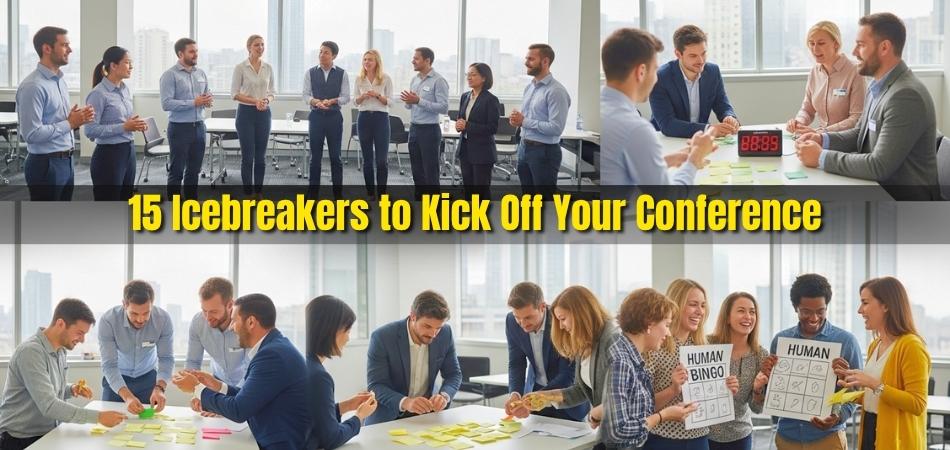
15 Icebreakers to Kick Off Your Conference
Starting a conference with the right energy makes all the difference. Whether you’re hosting a small corporate event or one of the major conferences in USA, Canada, or elsewhere, these icebreakers will help attendees connect faster, communicate better, and start the day feeling excited and involved.
1. Story Circle
How it works: Invite small groups of 4–5 people to share a one-minute story around the conference theme (e.g., “My biggest challenge this year”). Then one person from each group summarises for the audience.
Why it works for a conference: Personal stories build quick connections and open genuine discussions.
Best for: Breakout tables or mid-sized conference groups (50–200).
2. One-Minute Introductions
How it works: Each participant gets one minute to introduce themselves—name, role, and one unique fact. Use a timer to keep the momentum.
Why it works for a conference: Encourages interaction while keeping it fast-paced and engaging.
Best for: Up to 200 attendees, or divided into smaller groups if necessary.
3. Common Thread Hunt
How it works: In small teams, ask participants to find three things they all share beyond job roles. Each team presents its “common thread” to the audience.
Why it works for a conference: Fosters discovery, laughter, and stronger group identity.
Best for: Medium to large groups (100–400) in breakout format.
4. Human Bingo
How it works: Create bingo cards with fun traits (e.g., “visited more than 10 countries,” “plays a musical instrument”). Attendees move around, finding matches to fill their cards.
Why it works for a conference: Fun and interactive, it gets everyone talking right away.
Best for: Large groups (200+), networking-heavy events.
5. Speed Networking
How it works: Pair up participants for two-minute conversations using prompts like “What’s one takeaway you hope to gain here?” Then rotate to meet new partners.
Why it works for a conference: Quickly builds professional connections and opens networking opportunities.
Best for: 50–300 attendees, especially in business or industry events.
6. Live Poll Icebreaker
How it works: Use a live poll tool to ask a fun or insightful question (e.g., “Which superhero best represents your team?”). Display the results instantly and discuss them briefly.
Why it works for a conference: Scales easily, engages hybrid participants, and keeps energy high, ideal for large audiences.
Best for: Very large or hybrid conferences.
7. Emoji Mood Check
How it works: Ask everyone to choose an emoji that represents how they feel and share it digitally or on paper.
Why it works for a conference: Light, quick, and a great snapshot of the audience mood.
Best for: All sizes, especially hybrid or virtual events.
8. Fun Fact Match-Up
How it works: Collect fun facts from attendees before the event, distribute them randomly, and have participants find their “fact partner.”
Why it works for a conference: Encourages meaningful introductions with an element of fun surprise.
Best for: Medium-sized conferences (50–250).
9. Team Mascot Challenge
How it works: Divide attendees into teams and ask them to design a “mascot” for the event’s theme using paper, props, or digital tools. Each group presents a 30-second pitch.
Why it works for a conference: Inspires teamwork, creativity, and laughter—great for energizing the crowd.
Best for: Breakout sessions or themed workshops (100–300).
10. Two Truths and a Dream
How it works: Each person shares two true statements about themselves and one dream or aspiration (instead of a lie). Others guess which one is the dream.
Why it works for a conference: Builds curiosity and positive engagement while avoiding personal discomfort.
Best for: Smaller to medium-sized audiences (50–150).
11. Flash Q&A Wall
How it works: Place a physical or digital board where attendees post one question they want answered during the conference. Read a few aloud to spark discussion.
Why it works for a conference: Surfaces attendee expectations and aligns focus early on.
Best for: Large audiences (200+) and hybrid setups.
12. Memory Chain
How it works: In a large circle, the first person states one expectation for the event. The next repeats it and adds their own, continuing the chain around.
Why it works for a conference: Strengthens attention, memory, and collective participation.
Best for: 25–100 participants.
13. Rapid-fire Round
How it works: Using a microphone, a moderator asks quick, light questions (“What’s your favorite city?”). Each person answers rapidly before passing it on.
Why it works for a conference: Keeps energy high and brings laughter to the room.
Best for: Large audiences (150–500+).
14. Picture Your Goal
How it works: Give participants paper or digital space to draw or choose an image that represents their event goal. Volunteers can share their creations.
Why it works for a conference: Encourages visualization and self-reflection tied to conference objectives.
Best for: Small workshops or breakout sessions.
15. Hashtag the Moment
How it works: Ask attendees to come up with a one-word or short-phrase hashtag describing what they hope to gain from the event. Display live results for everyone to see.
Why it works for a conference: Builds community spirit and integrates seamlessly with event marketing.
Best for: Medium to large events active on social media.
These 15 Icebreakers to Kick Off Your Conference create an atmosphere of enthusiasm and connection from the very start. Whether you’re hosting locally or on a global stage, they’ll turn attendees into active participants ready to collaborate and engage.
How to Choose the Right Icebreaker for Your Audience?
Selecting the right icebreaker can make or break the start of your conference. The right choice sets the tone, matches the energy of your crowd, and ensures everyone feels included from the beginning. Let’s look at the key criteria to help you decide effectively.
Understand Your Audience

Every audience is unique. A fun, high-energy game fits well for creative or marketing events, while academic or technical conferences often need calm and structured options. Think about the group’s comfort level and professional background to choose an activity that feels natural and relevant.
Match Duration and Energy
Not all icebreakers require the same effort or time. Some quick options work perfectly as warm-ups, lasting just a few minutes. Others can stretch longer and encourage deeper networking. Match the activity’s length and pace to your schedule and audience attention span for maximum impact.
Consider Venue and Format
Your location and setup matter. Large auditoriums, small meeting rooms, and hybrid platforms each demand different approaches. For instance, large-scale conferences often have bigger venues with hundreds of participants, so you’ll need scalable, easy-to-manage activities that keep everyone engaged simultaneously.
Ensure Inclusivity and Accessibility
A successful icebreaker welcomes everyone equally. Avoid activities that might embarrass, isolate, or physically challenge participants. Be mindful of diverse cultural norms, language barriers, and digital access for remote attendees. A truly inclusive icebreaker makes every guest feel comfortable and valued right from the start.
Choosing wisely helps your audience feel seen, heard, and ready to participate. Once you’ve identified the ideal approach, it’s time to explore practical examples and creative ideas.
Icebreaker Ideas for Virtual and Hybrid Conferences
Virtual and hybrid conferences unite people across locations, yet keeping everyone equally engaged can be difficult. The right icebreakers turn that distance into genuine participation, helping both in-person and online attendees feel connected and part of a shared experience. Here are a few icebreaker ideas for both virtual and hybrid conferences:

Use Breakout Rooms for Small-Group Interaction
Breakout rooms replicate the personal touch of live networking. Assign smaller groups for quick introductions or goal-based conversations. This format encourages collaboration, helps participants speak more freely, and ensures that even remote attendees get a real sense of community during the event.
Engage with Polls, Chat, and Whiteboards
Interactive tools like live polls, chat boxes, and collaborative whiteboards make it easy for everyone to contribute ideas. These digital options enhance engagement and highlight one of the core benefits of using icebreakers in conferences, which is creating equal participation regardless of where attendees join from.
Keep Remote Attendees Visible and Included
Visibility helps bridge the gap between virtual and physical spaces. Position cameras to capture the audience, and have the facilitator acknowledge remote participants throughout the session. When everyone feels seen and heard, engagement naturally improves and interaction feels authentic.
Try Hybrid-friendly Icebreakers
Choose activities that blend both audiences effectively. Icebreakers like “Emoji Mood Check” or “Hashtag the Moment” work perfectly because they require minimal setup and allow all participants to respond simultaneously. This shared experience helps build unity and connection across digital and physical attendees.
Manage Time for Better Engagement
Online attention spans are shorter, so timing matters. Limit each icebreaker to around five minutes and keep transitions smooth. A concise structure maintains enthusiasm, prevents digital fatigue, and ensures everyone stays focused and refreshed throughout the session.
When virtual and hybrid icebreakers are planned thoughtfully, they turn digital screens into platforms for genuine collaboration. Participants leave feeling more engaged, connected, and ready to contribute meaningfully to every discussion ahead.
Pro Tips for Running Icebreakers Smoothly
A well-planned icebreaker can fail without proper execution. The way you lead, guide, and manage the session determines how successful it becomes. Follow these practical tips to ensure your icebreakers run smoothly, stay engaging, and achieve their intended impact.
- Set Clear Instructions: Explain the rules, timing, and goal of the activity before starting. When participants know exactly what to do, they respond faster and engage more confidently from the very beginning.
- Use a Co-host or Volunteer: Large audiences benefit from shared coordination. A co-host helps maintain energy, manages transitions, and ensures no one feels left out during fast-paced or group activities.
- Keep Time in Check: Time limits maintain rhythm and attention. Most icebreakers work best between five and ten minutes, allowing enough interaction without exhausting focus or cutting into the main agenda.
- Leverage the Right Technology: For hybrid or virtual setups, tools like live polls, digital boards, or group chat platforms help everyone participate equally and make coordination easier for the host.
- Capture the Moment: Take photos, screenshots, or short clips during the icebreaker. Sharing these moments on social media creates visibility for your event and encourages attendees to relive and share the experience.
- Prepare Materials in Advance: Have all necessary props, slides, or prompts ready before the session starts. This keeps the flow natural and prevents downtime that could lower engagement or create confusion.
- Read the Room: Observe audience reactions. If participants seem quiet or hesitant, switch tactics or reduce complexity. Adjusting in real time keeps the energy balanced and comfortable for everyone.
When handled with care, icebreakers become more than quick activities; they turn into catalysts for conversation, creativity, and confidence. The right facilitation helps participants open up naturally and builds momentum for the rest of the conference.
Common Mistakes to Avoid When Running Icebreakers
Even the best icebreaker ideas can fail if not executed thoughtfully. Mistakes during facilitation can make participants uncomfortable or disengaged. Understanding what to avoid ensures a smooth, enjoyable experience for everyone. Let’s explore the common pitfalls to keep your conference running effortlessly.
Choosing Activities That Create Discomfort
Avoid icebreakers that may feel too personal, physical, or competitive. Some attendees prefer low-pressure interactions, especially in professional settings. Focus on inclusive and friendly activities that promote connection rather than awkwardness or embarrassment among participants. Comfort encourages genuine participation and better engagement.

Ignoring Remote Participants
In hybrid events, remote attendees can easily feel excluded. A poor camera setup or limited interaction can reduce their involvement. Make sure facilitators address both audiences equally, keeping online participants active throughout the session through polls, chat, or breakout discussions.
Running Icebreakers That Take Too Long
Timing is everything. If your icebreaker drags on, it can cause fatigue and disrupt the event schedule. Keep it concise and dynamic to maintain excitement. Short, focused activities create momentum and prepare attendees for the rest of the conference.
Failing to Link to the Event Theme
Every icebreaker should have a purpose that ties back to the conference’s overall goal or message. When the activity feels random, it loses value. Aligning content with your agenda makes the exercise more meaningful and leaves a stronger impression on attendees.
Not Preparing Your Moderators or Volunteers
A well-briefed team ensures your icebreaker flows seamlessly. Provide moderators with instructions, timing cues, and contingency plans. Clear preparation prevents confusion and keeps your audience confident that the event is running professionally and efficiently from start to finish.
Overlooking Scalability for Big Crowds
One common oversight is choosing small-group activities that do not scale for hundreds of participants. Always select conference icebreakers for large audiences that are simple to manage and deliver equal engagement, whether you have fifty attendees or five hundred.
Avoiding these common mistakes helps your icebreakers run smoothly and inclusively. A little planning and awareness can transform a simple activity into a memorable opening that energizes, connects, and prepares your audience for a productive conference experience.
Integrating Icebreakers into Your Conference Agenda
The success of an icebreaker depends not only on what you choose but also on when and how you use it. Strategic timing within your schedule can keep energy levels high and improve audience engagement. Here are key ways to plan them effectively.

Choose the Right Timing
Starting your conference with an icebreaker is often the best option, as it immediately relaxes participants and sets a welcoming tone. You can also include one after lunch or during energy dips to keep attention sharp throughout the day.
Pair It With Core Sessions
Combining your icebreaker with the welcome address or first keynote creates a natural flow. This approach builds early connection and keeps attendees engaged as they transition into the main sessions or group discussions.
Align With Event Goals
Select activities that reflect your conference’s theme or learning objectives. When icebreakers match the purpose of the event, they feel intentional rather than random, helping participants see their value beyond simple fun.
Structure Your Agenda
A sample structure could look like this:
” 09:00 Welcome Session
09:10 Icebreaker (choose a suitable one)
09:20 Keynote Address
09:45 Networking Break”
Incorporating scalable icebreakers for global audiences ensures smooth coordination and consistent engagement in any setting.
Follow Up and Reflect
After the icebreaker, bring everyone together briefly to share reflections or key insights. This helps attendees internalize the experience, reinforces connections, and naturally transitions the audience into the next part of your program.
Integrating icebreakers strategically enhances both flow and focus. When aligned with your conference goals, they turn simple openings into meaningful moments that set the right tone for collaboration and learning.
Frequently Asked Questions
Icebreakers often spark curiosity, especially for organizers planning their next event. Beyond just picking and running them, people wonder about timing, psychology, and long-term impact. Here are some lesser-discussed but important questions that can help you make your next conference even more engaging.
How Can Icebreakers Improve Audience Confidence?
Icebreakers help people feel comfortable speaking in front of others, especially at the start of an event. By lowering anxiety and encouraging small interactions first, participants gain confidence to engage more openly during later sessions and group activities.
What Type of Icebreakers Work Best for International Conferences?
For global events, choose culturally neutral activities like polls, word associations, or storytelling. Avoid anything that relies heavily on regional humor or language nuances. These inclusive ideas make it easier for everyone to participate equally and enjoy the experience.
Can Icebreakers Be Used During Breaks or Between Sessions?
Yes, short icebreakers can be used to refresh the audience between sessions. Quick energizers like live quizzes or two-minute challenges work best during breaks. They keep attendees alert and maintain the positive momentum throughout the day.
How Do You Measure The Success of an Icebreaker?
You can gauge success through audience reactions, engagement levels, and post-event feedback. If participants are smiling, interacting, and staying attentive afterward, the icebreaker worked. A follow-up survey can help you learn which activities resonated most.
What Should You Avoid Saying During an Icebreaker?
Avoid comments or jokes about sensitive topics such as appearance, culture, or personal beliefs. Keep your tone friendly, light, and professional. The aim is to make participants feel comfortable, not self-conscious or excluded from the activity.
Can Icebreakers Be Customized for Specific Industries?
Absolutely. For example, marketing events may use creative storytelling, while healthcare conferences might use empathy-based prompts. Tailoring your activity to your industry’s goals adds more relevance and helps attendees connect through shared professional experiences.
How Do Icebreakers Affect Networking Opportunities?
Icebreakers set a positive tone that carries into networking sessions. When people have already introduced themselves in a lighthearted way, it becomes easier to approach others later. This early connection helps create more natural and lasting conversations.
Are Icebreakers Suitable for Formal Business Events?
Yes, when chosen carefully. In formal settings, keep activities structured and professional, such as quick introductions or topic-based questions. The key is maintaining respect and balance between fun and decorum while encouraging meaningful interaction.
How Can You Handle Low Participation During an Icebreaker?
If people seem hesitant, simplify the activity or reduce pressure by starting with volunteers. You can also add humor or rewards to encourage involvement. A calm, supportive tone helps participants feel more willing to join in.
Do Icebreakers Have Long-term Benefits for Attendees?
Yes, effective icebreakers can leave a lasting impression. They help attendees remember faces, start conversations, and build confidence. Even after the event ends, participants often stay connected because those first interactions felt genuine and memorable.
Concluding Lines
Starting a conference with the right activity instantly shapes the mood and interaction of your event. The answer is simple: the 15 icebreakers to kick off your conference are designed to create comfort, spark conversation, and build meaningful engagement. Choosing an icebreaker that fits your audience and agenda helps participants relax, connect, and stay involved throughout the sessions.
Each of these ideas can turn the first few minutes of your event into a lasting impression. Apply one thoughtfully, and you’ll inspire energy, collaboration, and excitement from the very beginning. A well-timed icebreaker truly transforms an ordinary start into a memorable conference experience.