
A visa refusal letter is an official document from the U.S. authorities stating grounds for denying your application. It clarifies what went wrong, leaving many applicants with questions. You might be now thinking: What to do if I lost my conference visa refusal letter USA?
If you lose your U.S. conference visa refusal letter, you should contact the embassy, request refusal records, and check the CEAC system for updates. Review your documents, seek help from immigration experts, and address gaps to strengthen your reapplication for a higher success rate.
Are you curious about recovering vital information or figuring out the next steps? By reading further, you’ll discover every relevant detail about this situation. Take a look at the article and stay informed on each important aspect.
How to Handle the Situation if I Lost My Conference Visa Refusal Letter USA
Losing your conference visa refusal letter can be stressful, especially if you need it for future visa applications or legal processes. It is crucial to know how to recover or address this issue quickly. Let’s explore some practical steps you can take to resolve this problem.
Step 1. Use the Official Embassy Support Portal
Instead of emailing the embassy directly, use the official visa appointment or support portal linked to the embassy where you applied. These systems handle requests related to visa records and lost documents.Be prepared that embassies rarely reissue refusal slips, but they may confirm refusal details if required.
Step 2. Request Access to Your Visa Refusal Record
If the embassy cannot provide the refusal letter, formally request your visa refusal record from the U.S. Department of State. This may require submitting a request under privacy regulations. Though the process can take time, it ensures you get detailed reasons for the refusal, helping you address any issues in future applications.
Step 3. Check CEAC to Confirm Your Refusal Status (Not the Letter)
The CEAC system allows you to confirm whether your visa was refused or placed under administrative processing. However, it usually does not provide a downloadable refusal letter. Instead, it helps you identify your refusal type, which guides your next steps.
Step 4. Analyze Your Previous Supporting Documents
Go through the documents you submitted with your application, including financial proof, travel plans, and your conference invitation. Missing or unclear information in these documents may have caused the refusal. Identifying these gaps can help you improve your next application and avoid repeating mistakes, ensuring a stronger submission for reconsideration.
Step 5. Reach Out to the Conference Organizer
Notify the conference organizer about your visa refusal and request updated documentation. They may issue a revised invitation letter with more details, such as the purpose of the event, duration, and sponsorship information. Stronger supporting documents from the organizer can bolster your reapplication and clarify the purpose of your travel for visa officers.
Step 6. Seek Assistance from Immigration Experts

An immigration consultant or lawyer can analyze your situation and provide personal advice. They may identify gaps in your initial application and recommend solutions to strengthen your case. Their expertise in visa procedures and requirements can be invaluable when traveling through this process, ensuring your next application meets all necessary criteria.
Step 7. Prepare for a Stronger Reapplication
Take the time to address any weak points from your previous application. Double-check your financial documents, sponsorship letters, and travel plans for completeness and accuracy. Make sure all details align with U.S. visa requirements. A well-prepared application not only avoids errors but also demonstrates your eligibility and purpose more convincingly.
Step 8. File Freedom of Information Act (FOIA) Request
If other methods fail, you can submit a FOIA request to access detailed records of your visa application. This process provides information about why your application was denied. While it may take weeks to months to receive a response, it can help you prepare a stronger application by clarifying any mistakes or deficiencies.
Important note: FOIA requests usually take 3 to 6 months or longer. This option is not suitable if you are planning to attend a conference soon. It is mainly useful for long-term record access, not urgent travel plans.
Step 9. Plan Your Next Steps Strategically
Decide whether to reapply or wait until you can address all issues thoroughly. Avoid rushing through the process, as another refusal could harm your future chances. Review the reasons for refusal and ensure you have resolved them before submitting a new application, maximizing your likelihood of success.
Losing your conference visa refusal letter can be challenging, especially when preparing for a conference in USA. By following these steps, you can recover or replace it effectively. Stay organized and proactive to resolve the situation.
Understand Your U.S. Visa Refusal Type Before Taking Action
Before trying to recover a lost refusal letter, it’s important to understand what type of refusal you received, because the next steps depend on it.
Refusal Under Section 214(b)
This is the most common refusal for conference and visitor visas. It usually means the officer was not convinced that you would return to your home country after the conference.
If your CEAC status shows “Refused”, it is very likely a 214(b) refusal. Losing this refusal letter is not critical because it is usually a standard printed sheet with general wording. In this case, your focus should be on improving your documents and reapplying.
Refusal Under Section 221(g) (Administrative Processing)
A 221(g) refusal means your application was not fully decided and requires extra documents or background checks.
If your CEAC status shows “Administrative Processing”, your refusal letter may include:
- A case number
- A checklist of missing documents
- Specific instructions
Losing a 221(g) letter is serious, and you should contact the embassy immediately using their official support portal.
Why is the Refusal Letter Crucial When Reapplying for USA Conference Visa?
When applying for a USA conference visa after a previous refusal, you should know the role of the refusal letter. This document can significantly impact the chances of getting your visa approved. Keep reading to learn why it’s so important.
Be Aware of the Refusal Letter’s Role
The refusal letter explains the exact reasons why your visa application was denied. It helps you recognize the specific issues with your initial application. By identifying these concerns, you can correct them in your new application, boosting your chances of success.
Improving Your Application Strategy
With the refusal letter in hand, you can learn what went wrong and adjust your application accordingly. Whether it’s missing documents or insufficient evidence, this letter gives you valuable insight into what needs improvement. A stronger application with the right information greatly increases your chances of approval.
Demonstrating Transparency
Presenting the refusal letter along with your new application signals honesty and trustworthiness. It shows you acknowledge the previous issues and are ready to address them. Visa officers will appreciate your effort to be upfront about past rejections, which could help you appear more reliable and sincere.
Aligning with Visa Requirements
Each visa type comes with its own set of requirements. The refusal letter often highlights areas where your application didn’t meet those requirements. By reviewing these points, you can ensure your reapplication aligns with the visa standards, avoiding the same issues and enhancing your chances for approval.
Strengthening Your Trustworthiness
Addressing the reasons for refusal in your new application can enhance your trustworthiness. It shows that you’re actively working to improve your application, learning from the past, and taking the process seriously. A thoughtful and well-prepared reapplication boosts your reputation in the eyes of the visa officers.
The refusal letter is a vital tool when reapplying for a USA conference visa. It allows you to refine your application, fix previous mistakes, and ultimately increase your chances of success in the visa approval process.
Using Careful Documentation to Recover Lost Visa Refusal Letters
Keeping essential paperwork organized is often overlooked but plays a vital role in resolving unexpected situations. Losing a visa refusal letter can be stressful, but proper documentation practices can make recovery much simpler. Here are some key points to consider:
Centralized Storage for Easy Access
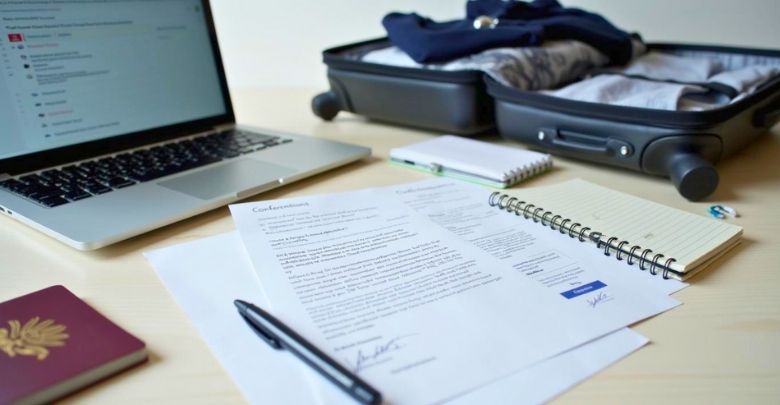
Organizing your important documents in one central location, whether digitally or physically, ensures quick access during emergencies. A well-maintained system can help in addressing unforeseen issues, such as recovering lost visa refusal letters, and even plays a role in avoiding USA visa refusals in the future.
Creating Backup Copies
Having duplicate copies of your visa refusal letter, stored in multiple locations, ensures you’re prepared for any loss. Physical copies in secure storage and digital versions saved in the cloud can simplify the recovery process by providing immediate access when required.
Keeping a Record of Application Details
Documenting all related application details—such as reference numbers, submission dates, and supporting documents—can be invaluable. These records provide essential details for reissuing or retrieving lost visa refusal letters without unnecessary delays or confusion.
Communicating with Relevant Authorities
Accurate records help establish your identity and validate your claims when contacting embassies or consulates. If your visa refusal letter is lost, clear documentation of correspondence and previous approvals makes it easier to gain assistance from officials.
Tracking Expiry Dates and Deadlines
Meticulously documenting deadlines, such as visa expiry dates or submission timelines, reduces errors and ensures compliance with guidelines. This habit not only assists in recovering misplaced documents but can also prevent avoidable complications during visa processing.
Maintaining detailed and organized documentation is an invaluable practice that saves time and reduces stress in emergency situations. By staying prepared, you ensure smoother processes and avoid setbacks when recovering important documents like visa refusal letters.

Can I Find My USA Visa Refusal Letter in the Email I Used for the Application?
If you’ve applied for a USA visa and lost your refusal letter, you might wonder if you can find it in your email inbox. Many applicants receive important notifications through email, so it’s worth checking. Here’s how you can find the refusal letter in your email.
Step 1. Check Your Inbox for Visa Application Emails
Take a look at your inbox for emails from the U.S. consulate or embassy. These are usually sent when there’s an update on your application. Use specific search terms like “visa refusal” or “denial notice” to narrow down the results and make your search quicker.
Step 2. Look for Notifications from the Visa Application System
If you applied online through the Consular Electronic Application Center (CEAC), check your email for notifications from this system. They typically include important updates on your visa status, and you might find the refusal letter linked or attached to the message.
Step 3. Search for Emails from Visa Appointment Scheduling Services
In some cases, visa appointment services or third-party agencies handle your application scheduling. They may have sent you confirmation emails or updates regarding your visa. Check their emails for any mention of the refusal letter or instructions on how to access it.
Step 4. Review Emails in the Spam or Junk Folder
Emails from consulates or visa services might accidentally land in your spam or junk folder. Don’t forget to check these folders, as they may contain important communications like your refusal letter. If found, mark the sender as “safe” to avoid missing future updates.
Step 5. Check Email Attachments and Links
If you locate an email about your visa refusal, make sure to carefully open any attachments or click on the provided links. The refusal letter might be attached as a PDF, or you may be directed to an online portal where you can download it.
Your USA visa refusal letter may be in your email inbox or attached to official messages you’ve received. By carefully checking the relevant emails, you can recover the document you need to proceed with your reapplication.
Challenges You May Face in Losing Your USA Visa Refusal Letter
Losing your USA visa refusal letter for a conference application can create difficulties, especially if you need the letter for future visa requests or other legal purposes. You should be aware of the potential challenges you might face in this situation. Below, you’ll find some key obstacles to consider.

Difficulty in Reapplying for a Visa
Without the refusal letter, you might find it harder to reapply for a U.S. visa. The refusal letter typically provides important details on why your visa application was denied, which helps in addressing those issues for future applications. Without it, reapplying can become more challenging and time-consuming.
Complications in Visa Appeals
If you plan to appeal a visa refusal decision, the refusal letter is often required. Losing it could cause delays in the appeal process. This document is essential for providing evidence of your refusal and for understanding the reasons behind it, making the appeal less effective without it.
Impact on Future Visa Applications
Your future visa applications might be impacted if you cannot recover the refusal letter. The U.S. embassy may require this document as part of your application history. Without it, you could face difficulties in proving past visa refusals and may experience longer processing times.
Troubles in Applying for Other U.S. Visas
If you’ve lost your refusal letter, applying for another U.S. visa can become problematic. This letter is sometimes required as part of your application for various types of U.S. visas, particularly for applicants with special considerations, such as attending USA conferences with criminal record. So, address this issue promptly to avoid delays in the application process.
Delays in Obtaining a Duplicate
Requesting a duplicate refusal letter may involve waiting for an extended period. This delay could affect your ability to proceed with other plans, such as applying for a conference visa. You should be patient and prepared for this waiting time.
If you lose your USA visa refusal letter for a conference, you may have to deal with delays and reapply for a visa, among other issues. Stay proactive and follow the necessary steps to resolve the issue effectively.
What If the Embassy Does Not Respond to Your Request?
Waiting without an embassy reply can feel stressful and confusing. Many applicants worry something went wrong with their request. Silence does not always mean a final decision exists. Read below to understand what steps still help you move forward.
Stay Calm And Avoid Repeated Messages
No reply after using official channels is common. Embassies receive many requests daily and cannot answer all. Sending repeated emails does not speed replies. Waiting calmly helps you think clearly. Silence alone does not mean refusal. Focus instead on reviewing your application details carefully.
Review Your Visa Interview Answers
Interview questions often show where issues may exist. Think about how you explained travel purpose and plans. Short or unclear answers can raise doubts. Review what you said during the interview. This helps identify weak points. Honest self review is useful before any next step.
Check Financial Documents Carefully
Financial proof is a common concern for visa officers. Review bank statements, income proof, and expenses shown. Make sure amounts match your travel plans. Sudden deposits need explanation. Clear finances show ability to fund travel. Weak or confusing records often lead to silent refusals.
Revisit Home Country Ties
Strong ties help prove return intent. These include job letters, business proof, family ties, or property records. Review what you submitted. Weak ties raise concern for officers. Adding better proof later can help. Clear ties reduce overstay doubts and improve future applications.
Get Help From A Visa Advisor
An experienced visa advisor can review your full case. They help rebuild applications without refusal letters. Advisors spot problems applicants miss. This guidance saves time and stress. Choose someone with real experience. Good advice helps you prepare stronger documents and explanations.
Not hearing back does not mean your chances are gone. Many refusals can be understood by careful review. Rebuilding with better clarity improves future outcomes. Stay calm and prepare smarter for the next step.
FAQs About I Lost My Conference Visa Refusal Letter USA
You are not the only one looking for help if you have misplaced your conference visa rejection letter. Below, we answer some common questions that can help you navigate the situation and find a solution to recover your lost letter.
How Long Does It Take to Get a Duplicate Visa Refusal Letter?
The process of obtaining a duplicate visa refusal letter can vary, but it typically takes several weeks. The U.S. embassy or consulate may require you to submit a formal request, and the processing time will depend on their workload and your case specifics.
Can I Reapply for a U.S. Conference Visa Without the Refusal Letter?
Yes. U.S. conference visas do not have a formal appeal process. If your application was refused, the correct step is to submit a new application. While the refusal letter is helpful, it is not mandatory to reapply. What matters most is addressing the reason for refusal and showing stronger evidence in your new application.
Do I Need the Refusal Letter for Future U.S. Visa Applications?
Yes, the refusal letter can be necessary for future U.S. visa applications. It provides important context regarding past refusals and can help you address the issues in your new application. If lost, contact the U.S. embassy to retrieve or replace it.
Can I Use the Online Visa Status System to Retrieve My Refusal Letter?
The online visa status system, such as the CEAC portal, may allow you to see updates on your visa status, but it typically doesn’t provide the refusal letter itself. However, you may be able to request a duplicate letter through this system or other embassy communication channels.
What Information Should I Provide When Requesting a New Visa Refusal Letter?
When requesting a new refusal letter, you should provide your full name, date of birth, visa application number, and the date of your interview. This information helps the embassy locate your records quickly and accurately, speeding up the process of obtaining a replacement letter.
Bottom Line
Losing your visa refusal letter can feel like a major setback, but you should stay calm and take action. Contact the U.S. embassy, access your refusal record through official channels, and review supporting documents to understand the denial. By following these steps, you can recover the necessary details and confidently reapply. Now, you can answer the question, What to do if I lost my conference visa refusal letter USA effectively.
As you prepare to reapply, ensure all documents are complete, clear, and aligned with visa requirements. Seek help from immigration experts if needed and take your time to strengthen your application. Stay focused, address past mistakes, and approach the process with care. Best wishes for your successful visa approval and future opportunities!