
Packing a poster might seem simple until you find it wrinkled or torn after a long trip. Whether it’s for a conference, an exhibition, or a personal project, traveling with posters requires extra care to keep them looking sharp and professional.
If you’re wondering how to pack posters for travel, the process involves choosing the right materials, rolling or folding carefully, and using protective layers to prevent moisture or creases. These small steps ensure your hard work remains presentable when you finally unroll it.
Mastering the art of packing posters makes travel smoother and stress-free. Keep reading to explore practical techniques, smart tools, and simple habits that help your posters stay safe and ready for display wherever you go.
How to Pack Posters for Travel Without Creasing or Damage?
Traveling with posters can be tricky if you don’t plan ahead. A little attention to how you roll, wrap, and store them can make all the difference between a smooth presentation and a wrinkled mess. With the right method, your posters will stay flat, clean, and safe throughout your journey.

Prepare a Clean, Flat Surface
Lay your poster on a clean, dry surface before packing. Dust, moisture, or oils from your hands can cause spots or smudges that ruin the print. Smooth out any slight curls and make sure the edges are straight. A clean base prevents unnecessary scratches or creases during the rolling process.
Use Protective Layers
Add a sheet of acid-free tissue or parchment paper over your poster before rolling. This thin layer prevents ink smearing and keeps surfaces from sticking together. For longer trips, a light plastic sleeve or protective cover gives extra defense against accidental spills, humidity, or friction between surfaces.
Roll Carefully, Not Too Tight
When rolling your poster, take your time and apply light pressure. Avoid rolling too tightly since it can cause bending lines or cracking in printed designs. Keep the roll firm but flexible. Use soft bands or paper ties instead of adhesive tape to avoid tearing delicate edges later.
Choose the Right Tube Size
Pick a poster tube that’s slightly wider and longer than your rolled poster. A snug tube can flatten edges, while one that’s too large can cause shifting inside. Many travelers, including those attending upcoming conferences in Canada, the USA, or elsewhere, prefer adjustable or hard-shell tubes for maximum durability and ease of handling.
Seal and Label the Tube
Once the poster is rolled and inserted, cushion both ends with soft paper or bubble wrap before sealing. This keeps the contents from sliding during transit. Always label your tube with your name and destination details. It helps with identification if luggage gets misplaced or inspected in transit.
Keep Tubes Upright When Possible
During travel, try to keep poster tubes upright rather than laying them flat under heavy luggage. Standing them vertically minimizes bending pressure and protects edges from flattening. If traveling by air or train, store the tube safely in overhead compartments where it won’t be crushed or stepped on.
Following these careful steps ensures your posters remain crisp and professional when you arrive. A little patience in packing prevents costly reprints and protects your work from damage. With the right preparation, you can travel confidently knowing your posters will stay in perfect condition.
Ways to Choose the Right Poster Material for Easy Travel
Picking the right poster material can make your travel much easier and safer. The type you choose affects how well it withstands folds, moisture, and long trips. Understanding each option helps you protect your print quality. Let’s explore which materials work best when traveling with posters.
Paper Posters: Classic but Delicate
Paper posters remain a popular choice for their sharp print quality and affordability. However, they are prone to creasing and tearing during travel. If you use paper, roll it gently and keep it in a sturdy tube. Avoid humid conditions since paper easily absorbs moisture and loses stiffness.
Fabric Posters: Flexible and Traveler-Friendly
Fabric posters are ideal for people who travel frequently. They can be folded without leaving permanent creases and weigh much less than paper. You can even pack them in a suitcase. When preparing large academic prints, consider both the material and the typical size of a science conference poster or other academic poster for proper fitting.
Vinyl Posters: Durable for Outdoor or Long Trips

Vinyl posters are durable and water-resistant, making them suitable for long-distance or outdoor travel. Their thick texture protects the print from scratches and fading caused by sunlight or moisture. However, they can be heavier and require a larger tube, so balance strength with convenience when packing.
Hybrid or Laminated Options
Some travelers prefer laminated or hybrid materials that combine paper with a protective coating. These offer better resistance to smudges and tears while maintaining a smooth finish. Although not as flexible as fabric, laminated posters are ideal for one-time events or presentations that need a polished, professional look.
Choosing the right poster material depends on how often you travel and the conditions you expect. For short, formal events, paper or laminated posters work fine. For frequent travelers, fabric posters remain the most practical and durable choice, offering flexibility without compromising print quality.
Rolling or Folding: Which Method Keeps Your Posters Safe?
When preparing posters for travel, choosing between rolling and folding can make a big difference in how they look when you unpack them. Both methods have advantages depending on the material and travel conditions. Let’s compare both techniques to help you decide the safest option.
|
Feature |
Rolling | Folding |
| Best For | Paper, vinyl, laminated posters |
Fabric or cloth-based posters |
|
Protection Level |
Excellent for preventing creases | Good, but may show mild fold lines |
| Space Requirement | Requires a poster tube or case |
Fits easily in luggage |
|
Ease of Handling |
Slightly bulkier to carry | Lightweight and compact |
| Damage Risk | Minimal if rolled loosely |
Low for fabric, higher for paper |
Rolling Posters: Ideal for Paper and Laminated Prints
Rolling is the safest way to transport paper or laminated posters. It prevents sharp folds that can leave permanent creases. Gently roll your poster around a cardboard or plastic tube, keeping it loose enough to avoid cracking. Secure it with soft ties before placing it in a travel tube.
Folding Posters: Better for Fabric and Flexible Materials
Folding works best for fabric posters because the material resists creasing and easily regains its shape. Fold along natural seams or lightly press the folds afterward with a low-heat iron if needed. This method saves space in luggage and reduces the need for bulky poster tubes.
Both rolling and folding can keep your posters safe when done correctly. The trick is knowing which suits your poster material best. Whether you value compact storage or flawless presentation, picking the right method ensures your poster remains ready to display upon arrival.
How to Use Poster Tubes the Right Way During Travel?
Poster tubes are one of the safest tools for keeping your posters free from wrinkles, tears, and moisture during travel. The trick is knowing which type suits your trip and how to pack them correctly. Let’s look at the best ways to handle poster tubes safely.
Choosing the Right Type of Poster Tube
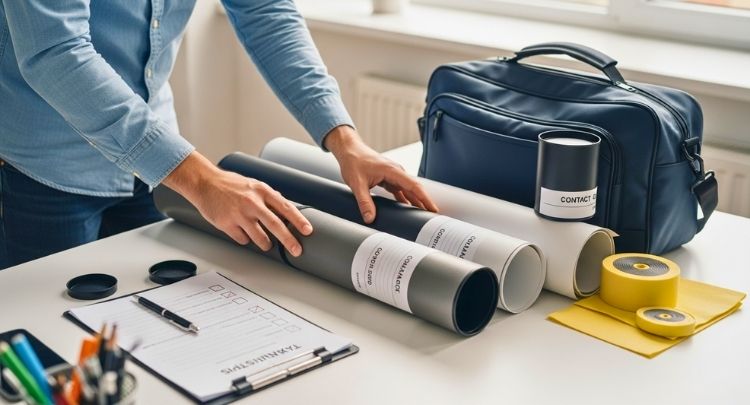
Different poster tubes serve unique travel needs depending on the material and distance involved. Hard-shell tubes are the most secure for flights, protecting posters from pressure and bending. Telescopic models adjust to different poster sizes, while waterproof versions guard against humidity or rain. When traveling with poster tubes, choose one with solid end caps, strong locks, and a comfortable strap for easy carrying.
Inserting Posters Properly
Before placing your poster inside the tube, roll it loosely to maintain flexibility and prevent edge damage. Use tissue or parchment paper to shield the surface from scratches. Gently slide the poster in without forcing it, then pad both ends with soft materials like bubble wrap or fabric to avoid shifting. This keeps your poster safe from pressure and motion during travel.
Sealing and Locking the Tube Securely
Always double-check that both ends of your tube are properly sealed before traveling. Screw-cap tubes should be tightened enough to stay closed, while snap-on lids must click firmly into position. For extra safety, add a layer of clear tape around the caps to prevent accidental openings. If you’re flying, store the tube vertically when possible to reduce impact or pressure from baggage.
Labeling for Easy Identification
Proper labeling helps prevent your tube from getting lost or misplaced. Write your name, contact details, and destination clearly on the tube or attach a durable luggage tag. If you’re carrying multiple posters, use color-coded stickers or numbering to identify each one quickly. Adding a “Fragile” or “Do Not Bend” label can also alert handlers to take extra care with your materials.
Handling poster tubes correctly is essential to protect your work from travel wear and tear. By choosing the right design, packing your poster safely, sealing it properly, and labeling it clearly, you can travel confidently knowing your materials will remain undamaged and professional-looking upon arrival.
Should You Carry Posters in Hand Luggage or Checked Bags?
Choosing how to transport your posters during air travel can determine whether they arrive safely or get damaged. The decision between hand luggage and checked bags depends on poster size, airline rules, and your travel destination. Let’s compare both options to help you make the right choice.
|
Feature |
Hand Luggage |
Checked Bags |
|
Safety Level |
Very safe; under your control | Moderate; risk of crushing or loss |
|
Size Limit |
Must fit cabin restrictions | No strict limit but more handling |
| Airline Approval | Usually accepted with small tubes |
Accepted if packed securely |
| Best For | Important or delicate posters |
Large, sturdy, or duplicate prints |
Carrying Posters in Hand Luggage
Hand luggage is the safest way to transport posters, especially for conferences or presentations. You maintain full control and minimize the risk of crushing or loss. Most airlines allow small poster tubes as carry-on items if they meet size restrictions. Keep your poster tube under your seat or in an overhead compartment to prevent bending or pressure from other bags.
Checking Posters in Luggage
Checking your posters in the main baggage compartment is riskier but can be done carefully. Always use a hard-shell poster tube to prevent damage from handling and stacking. Wrap the tube in clothes or soft items inside your suitcase to absorb shocks. Avoid placing heavy objects on top of the tube, as baggage pressure can flatten or crease your posters.
Airline Policies and International Travel Tips
Different airlines have varying rules about carry-on poster sizes. Before flying, check your airline’s official carry-on policy to confirm if poster tubes are accepted. International travelers should pack a backup digital version of their poster in case of delays or customs inspections. Carrying your tube as personal luggage helps you keep it within sight during long connections.
Whether you choose hand luggage or checked bags depends on how valuable or delicate your posters are. Hand luggage offers greater control and safety, while checked bags can handle larger or duplicate prints. Prioritizing protection and airline compliance ensures your posters reach their destination in perfect condition.
Simple Tips to Protect Posters From Moisture and Heat
Posters can easily get damaged by temperature changes or humidity during travel. Protecting them from moisture and heat keeps colors bright and paper firm. With a few simple tricks, you can prevent curling, fading, and stains effectively. Let’s look at some quick protective tips.
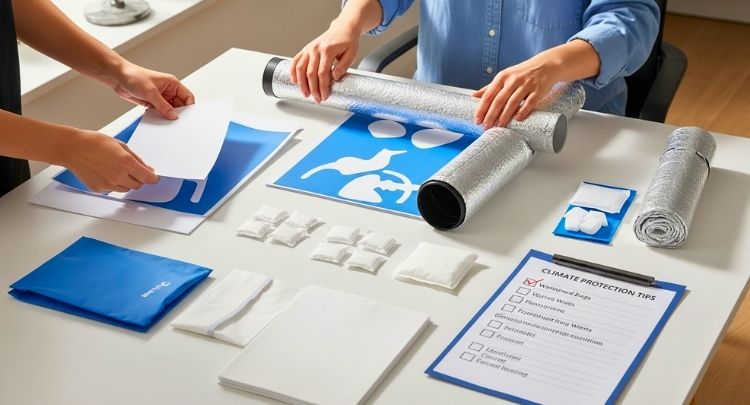
- Use Plastic Sleeves or Covers: Slip your poster inside a clear plastic sleeve to block moisture and accidental spills. Plastic layers keep humidity from affecting the paper and prevent ink from bleeding or fading during travel.
- Include Silica Gel Packs: Place a few silica gel packets inside your poster tube or storage case. These small packs absorb moisture and reduce condensation, especially in humid climates, ensuring your poster remains crisp and free from dampness.
- Avoid Hot Car Trunks or Direct Sunlight: Never leave posters in a hot vehicle or under direct sunlight for long periods. Heat can warp the paper and cause color fading. Store them in a shaded or air-conditioned area whenever possible.
- Wrap in Acid-Free Tissue Paper: Before packing, wrap your poster in acid-free tissue paper to create a protective barrier. This prevents discoloration and keeps the poster surface from sticking or rubbing against other materials during travel.
- Keep Tubes Sealed and Upright: Always close poster tubes tightly and store them vertically during transit. This position minimizes exposure to moisture and keeps the poster from pressing against the caps, which could create soft edges.
Moisture and heat can quietly ruin your poster if left unchecked. Using plastic covers, gel packs, and proper storage methods adds lasting protection. By applying these simple care habits, your poster stays as vibrant and smooth as when it was first printed.
Common Mistakes Travelers Make When Packing Posters
Even the most careful travelers sometimes make small packing mistakes that lead to creased or damaged posters. Knowing what to avoid can save time and frustration. Below are some of the most frequent errors and how you can easily prevent them while preparing for your trip.
Folding Glossy or Thick Paper Posters
Folding glossy or thick paper is one of the fastest ways to cause irreversible creases or cracks. Always roll these posters instead of folding them. Use a soft liner like tissue paper when rolling to prevent surface damage and maintain smooth, clean edges after travel.

Forgetting to Seal the Tube Properly
An unsecured poster tube can open accidentally during travel, leading to tears or moisture damage. Always double-check both ends before departure. Add a layer of tape or use lockable caps to keep the tube firmly closed and your posters safe from shifting or slipping out.
Packing Posters in Overstuffed Luggage
Trying to fit a poster tube inside an overfilled suitcase can crush or bend it under pressure. Leave enough room for your poster tube or carry it separately if necessary. Proper spacing prevents stress on the tube and protects delicate materials from damage.
Ignoring Temperature and Humidity
Leaving posters in hot trunks or damp areas can cause fading, curling, or ink bleeding. Store posters in a cool, dry space during travel. If you’re visiting humid locations, use silica gel packs to absorb excess moisture and preserve your poster’s texture and color quality.
Not Labeling Poster Tubes Clearly
Unlabeled tubes can easily be misplaced during flights or events. Always attach a tag with your name, contact details, and destination. For multiple tubes, use color-coded stickers or numbers to tell them apart and make retrieval faster when arriving at your venue.
Avoiding these common mistakes ensures your posters arrive in excellent condition wherever you go. A little extra care in sealing, labeling, and storing goes a long way toward keeping your work safe and professional-looking throughout your journey.
Quick Do’s and Don’ts for Poster Packing Success
Before you finish packing, it helps to review a few simple guidelines to make sure your poster travels safely. These quick reminders can prevent last-minute errors and protect your work from avoidable damage. Let’s go over the essential do’s and don’ts for smart poster packing.
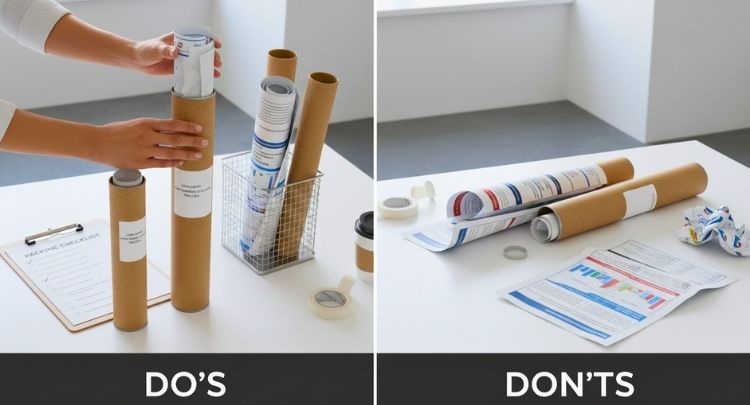
Do’s for Poster Packing Success
- Use quality materials: Choose sturdy poster tubes, acid-free paper, and soft liners to maintain poster quality throughout the trip. Investing in reliable supplies pays off when your print arrives in perfect condition.
- Label your tube clearly: Always include your name, contact number, and destination details. Labels help retrieve your tube quickly if it’s misplaced during flights or events. A simple tag can prevent unnecessary stress.
- Store in a cool, dry place: Keep posters away from sunlight, moisture, or extreme heat. Proper storage preserves color vibrancy and prevents curling or warping. Whenever possible, store the tube upright to reduce pressure.
- Roll gently, not tightly: Rolling too tightly can cause bending lines and edge wear. Keep the roll loose and supported with tissue or protective paper for smoother handling and easier unrolling at your destination.
Don’ts for Poster Packing Success
- Avoid folding paper posters: Folding creates creases that never fully disappear. Always roll instead of folding, especially when dealing with glossy or laminated prints that can crack along fold lines.
- Don’t overfill your luggage: Stuffed bags can crush or bend poster tubes. If space is limited, carry the tube separately or use a backpack attachment designed for lightweight travel tubes.
- Never leave posters in hot cars: Prolonged exposure to heat damages paper and fades ink. If you must store them temporarily, choose a shaded or air-conditioned area to prevent warping or discoloration.
- Skip cheap tape or caps: Weak caps or low-quality tape often fail during travel. Use durable locking lids or reinforced seals to ensure your posters remain safe and secure from start to finish.
Following these simple do’s and don’ts helps you travel with peace of mind, knowing your posters are safe and presentation-ready. A few extra minutes of care can keep your poster looking fresh, professional, and worthy of display wherever you go.
Frequently Asked Questions
Packing posters for travel can raise a few extra questions, especially if you’re preparing for an event or flying internationally. Here are some useful and often-overlooked queries that travelers frequently ask after learning how to protect their posters properly.
Can I Bring Multiple Poster Tubes On A Plane?
Yes, you can bring more than one poster tube, but it depends on your airline’s carry-on limit. Keep them light and compact. Some travelers use adjustable straps to bundle tubes together for easier handling during boarding.
How Do I Keep My Posters Flat After Rolling?
Once you arrive, unroll your poster slowly and lay it under a few heavy books or flat surfaces. Leave it there for a few hours to relax the curls. Using gentle pressure helps it regain its smooth shape.
Are There Any Special Poster Tube Brands For Frequent Flyers?
Yes, several brands make durable travel tubes with locking caps and adjustable lengths. Look for models with shoulder straps and water-resistant materials. They’re great for professionals or researchers who travel often with presentation materials.
Can I Ship My Poster Instead Of Carrying It?
Absolutely. Many travelers prefer shipping their posters ahead of time using reliable courier services. Just use strong tubes or flat boxes, label clearly, and include a “Do Not Bend” sticker to protect them from mishandling.
What Should I Do If My Poster Gets Wet?
If your poster becomes damp, unroll it carefully and let it dry naturally in a cool area. Avoid direct heat, as it may warp or fade the print. Once dry, place it between heavy books to flatten it gently.
Is It Safe To Laminate My Poster Before Travel?
Laminating adds a layer of protection but can make rolling more difficult. For short trips, lamination works well. If you’re traveling long distances, consider a matte finish or protective sleeve instead to avoid stiffness.
How Do I Store Posters After The Event?
After the event, unroll your posters and store them flat in a dry, cool environment. If space is limited, keep them loosely rolled in a tube with acid-free paper. Avoid storing near windows or humid spaces.
Can I Pack Posters With My Laptop Or Electronics?
It’s not recommended to pack posters with electronics. Tubes can shift and cause scratches or damage to screens. Keep posters in a separate compartment or carry them in your hand to prevent pressure on fragile devices.
What Type Of Poster Works Best For Outdoor Displays?
Vinyl or laminated posters work best outdoors since they resist water, sunlight, and humidity. These materials hold up well against changing weather. Always check the surface before displaying to ensure it’s clean and even.
How Early Should I Prepare My Poster For Travel?
Start preparing at least two days before departure. This gives you time to print, dry, roll, and safely pack the poster. Early preparation helps prevent last-minute mistakes and gives your poster time to settle properly.
Concluding Words
Learning how to pack posters for travel is more than a routine task; it’s an act of protecting your creativity and effort. Each fold, roll, and seal matters when you want your posters to arrive as perfect as when you packed them.
By choosing quality materials, handling them gently, and understanding the best methods for your poster type, you can travel without worry. It’s all about preparation and a few mindful steps that prevent damage along the way.
Whether you’re presenting at a global event or simply transporting artwork, these techniques ensure your posters stay flawless. With the right approach, your ideas will always make a strong, professional impression no matter the destination.