
The hall is full. People are settling into their seats. The screen is ready. Speakers are waiting. Then a small pause happens. Someone walks to the microphone, unsure of what to say next. In that quiet moment, many organizers and hosts realize how important it is to know how to introduce session chair in conference.
To introduce a session chair, confirm their name and role, speak clearly, and keep it short. Mention the session topic, hand over smoothly, and respect time. A calm, clear introduction builds trust and sets the right tone for the session.
Conference sessions feel smooth when the start is clear and confident. A good introduction removes confusion, builds trust, and helps everyone focus from the first minute. In busy halls and online rooms, even a short mistake can break the flow and waste time. That is why many planners, hosts, and moderators often stop and ask themselves how to do this one small task the right way.
If you want to understand roles, steps, scripts, common mistakes, and virtual tips before your next event, this guide explains everything in one place using clear words and simple examples.
Who Usually Introduces the Session Chair at a Conference?
At most conferences, the person who introduces the session chair depends on how the event is planned and how formal it is. In many cases, the introduction is short and simple, just enough to let the audience know who will lead the session. The goal is to keep things moving smoothly without taking too much time.
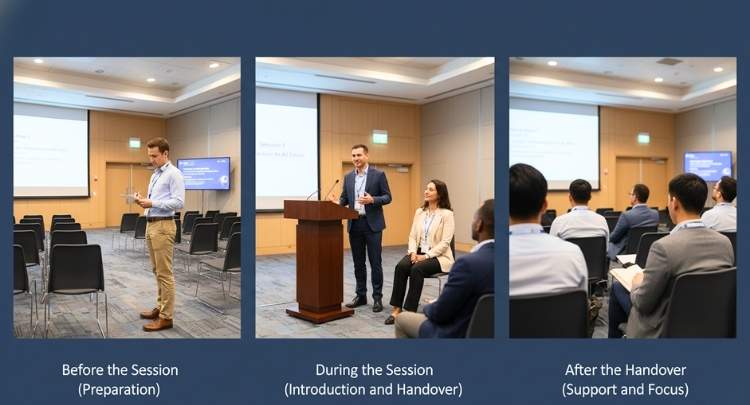
Usually, the role goes to someone who already has control of the stage at that moment. This helps avoid confusion and keeps the event organized. Whether it is a large hall or a small meeting room, the introduction is meant to set a clear start for the session.
Who usually introduces the session chair:
- Conference Host: Often opens the event and introduces key people, especially in the main sessions.
- Master of Ceremonies (MC): Commonly handles introductions throughout the event and keeps the schedule on track.
- Event Moderator: In some sessions, the moderator may directly introduce the session chair before discussions begin.
There is no single rule that fits every conference. The organizer decides who does the introduction based on the event flow and structure. If you are planning or attending upcoming conferences, you will often see one of these roles handle the introduction in a clear and professional way.
How to Introduce Session Chair in Conference?
Introducing a session chair sets the tone for every conference session. A clear introduction helps the audience trust the flow of events. Small preparation steps can make the moment smooth and confident. Follow the steps below to understand each part in detail.

Step 1: Confirm The Session Chair’s Name And Role
Before the session, confirm the chair’s full name and role clearly. Ask how the name is pronounced to avoid mistakes on stage. Check titles like professor or doctor if required. Write the details on a card or screen so you speak calmly and with respect always there.
Step 2: Prepare A Simple And Clear Introduction
Plan a short introduction that sounds natural and easy to follow. Include the chair’s name, role, and session focus. Avoid long praise or history. Keep it simple and kind. Practice reading it once aloud so it feels smooth and confident during the event timing checks beforehand helps you stay relaxed.
Step 3: Check Sound, Time, And Stage Position
Arrive early to check the microphone and stage setup. Stand where the audience can see you clearly. Know when the session should start and end. This avoids delays and stress. A quick test helps you speak clearly and keeps attention focused for everyone present in the room today.
Step 4: Speak With Calm And Confidence

Walk to the stage with steady posture and relaxed shoulders. Smile and greet the audience briefly. Speak at a calm pace with clear words. Look up often, not only at notes. Confidence grows when you sound prepared and respectful during live sessions like upcoming conferences worldwide today.
Step 5: Introduce And Hand Over Smoothly
Share the chair’s name clearly and pause briefly after saying it. Mention the session topic so listeners know what follows. Keep your tone warm and steady. Avoid jokes that may confuse. A clean handover helps the chair begin without interruption and keeps the session flow smooth for everyone.
Step 6: Respect Time Limits
Watch the clock while giving the introduction. Keep it short and on point. Do not rush, but avoid long remarks. This shows respect for speakers and audience time. Good timing helps the chair manage questions and discussions better and keeps the event running smoothly overall today everywhere.
Step 7: End With A Clear Closing Line
End with a clear line that invites the chair forward. Thank the audience briefly for attention. Step aside smoothly to give space. This small action feels polite and organized. It helps the chair start speaking without awkward pauses and keeps focus on the session topic ahead now.
Step 8: Stay Close For A Moment
Remain close to the stage for a short moment. Be ready to help if needed. Adjust lights or sound if issues appear. Then exit quietly once things run well. This support shows teamwork and respect for the session flow and reassures organizers and speakers nearby too today.
A good introduction supports both the chair and the audience. Simple actions before speaking can prevent stress and confusion later. With practice, anyone can handle this role calmly and clearly. Use these steps often and your sessions will start smoothly.
How to Introduce Session Chair in a Virtual Conference?
Virtual sessions need clear starts so everyone feels focused and ready. A simple chair introduction helps avoid confusion and saves time online. Small checks before speaking can fix most common virtual issues. Follow the steps below to run smooth virtual conference sessions.

Initial Greeting And Self Introduction
Begin on time and welcome everyone with a friendly, calm tone. Share your name, role, and organization clearly. If there is a co chair, mention them briefly too. This opening helps people know who is speaking and builds trust before the session starts. It also sets a polite mood.
Set The Session Scene
Next, share the session number, title, and total length clearly. Let attendees know how long talks will last. This helps listeners manage focus and breaks. Clear details at the start reduce questions later and keep the session moving smoothly for everyone online. It also shows respect for shared time.
Explain Questions And Discussion Rules
Tell attendees how questions should be asked during the session. Ask them to use chat, Slack, or a tool provided. Say when questions will be read. Clear rules stop confusion, save time, and help speakers respond in an organized and calm way online. This matters even more during upcoming conferences.
Introduce Speakers Briefly
Share each speaker’s name, organization, and talk title clearly. Keep short background details within forty seconds. Avoid long stories or praise. Brief introductions respect time and keep energy high while helping the audience understand why each speaker fits the session topic. This clarity supports better listening overall.
Manage Speaking Time Clearly
Remind speakers of their time limits before talks begin. Let them know you will signal when time ends. This keeps fairness for all speakers. Strong time control helps sessions end on schedule and avoids rushing questions or final points online. Audiences appreciate clear timing too. It reduces stress for everyone.
Confirm Technical Settings
Check that all attendees are muted before starting the session. Confirm recording is active and visible. Explain how to raise hands if needed. These steps prevent noise issues and help speakers focus while attendees feel guided and comfortable throughout the virtual session. This saves time and avoids awkward pauses.
Virtual chair introductions work best when steps are clear and calm. Simple words and good timing help everyone stay focused online. Preparation before speaking reduces mistakes and builds speaker confidence quickly. Use these tips often to run virtual sessions smoothly everywhere.
Best Session Chair Introduction Examples and Scripts
A strong session chair introduction sets the mood and builds trust fast. Clear words help the audience stay focused from the start. Good scripts save time and reduce stage pressure. Read below to find ready to use examples and scripts.
Formal Session Chair Introduction Script
This formal script suits large events with senior speakers and structured programs. Start by greeting the audience politely and briefly. State the chair’s full name, title, and organization clearly. Keep the tone calm and respectful. Avoid long praise and stay direct. End by inviting the chair to begin the session smoothly.
Here’s a sample:
Good morning everyone. Welcome to this session. It is my pleasure to introduce our session chair, Dr. Sarah Ahmed, Senior Director at Global Research Council. Dr. Ahmed brings strong leadership and deep experience to today’s discussion. I now invite Dr. Ahmed to take the chair and begin the session. Thank you.

Short Session Chair Introduction Script
A short script works well when time is limited or sessions move quickly. Begin with a quick greeting and the chair’s name. Mention their role in one simple line. Skip extra details and keep it under thirty seconds. This style fits panels, workshops, and fast paced sessions at upcoming conferences worldwide.
Here’s a sample:
Hello everyone and welcome. Our session chair today is Mr. John Lee from Tech Innovations Group. He will guide this session and manage the discussion. Please join me in welcoming Mr. John Lee to begin. Thank you.
Academic Conference Session Chair Introduction Script
This script fits academic or research focused events with formal expectations. Start with a brief welcome to the audience. Say the chair’s name, academic title, and institution clearly. Mention the session topic to set context. Keep the tone serious but friendly. Avoid long achievements and keep the focus on the session.
Here’s a sample:
Good afternoon and welcome to this academic session. I am pleased to introduce our session chair, Professor Maria Gomez from the University of Applied Sciences. She specializes in data systems and research leadership. Professor Gomez will now lead the session and introduce our speakers. This format is widely used at upcoming conferences.
A well prepared introduction sets the tone and engages the conference attendees from the very first moment of the session. Simple words help the audience follow without effort. Choose the script style that fits your event best. With practice, introductions become natural and stress free.
Session Chair vs Speaker Introduction: Know the Difference First
The table below shows the clear difference between a session chair and a speaker introduction. Each role has a unique purpose during a conference session. Understanding this difference helps sessions run smoothly. Use the table to quickly see who does what.
| Point Of Comparison | Session Chair Introduction | Speaker Introduction |
| Main Purpose | Keeps the session organized and on time | Engages the audience in the topic |
| Who Speaks | Session chair | Speaker themselves |
| Focus | Session flow and speaker management | Content of the talk |
| Before The Session | Arrives early, meets speakers, checks names and equipment | Prepares slides and opening remarks |
| Opening Role | Welcomes audience and explains session theme | Starts talk with a strong opening idea |
| Speaker Details | Introduces speaker name, role, and talk title | Avoids repeating bio or credentials |
| Time Control | Strictly manages speaking time | Follows time given by the chair |
| Audience Interaction | Manages questions and discussion | Answers questions with content depth |
| Style | Neutral, clear, and supportive | Personal, engaging, and topic focused |
| Closing Duty | Thanks speakers and audience | Ends with key takeaway or conclusion |
While session chairs guide the flow, speaker introductions often focus more on credentials, especially when organizers find the best keynote speakers for major sessions.
Common Mistakes to Avoid When Introducing a Session Chair
Introducing a session chair sounds simple but mistakes can affect session flow. Small errors can confuse audiences and lower confidence quickly during events. Most problems happen due to poor planning or unclear delivery. Read below to learn common mistakes and how to avoid them.

Preparation And Administrative Errors
Preparation mistakes often cause stress before the session even begins. Names get mispronounced when checks are skipped. Speakers may arrive late if not contacted early. Chairs should know where technical help is located. Simple planning steps prevent awkward moments and help sessions start smoothly for everyone involved today.
Introduction And Style Mistakes
Style errors can weaken the first impression of a session chair. Long introductions waste speaker time and tire listeners. Listing only degrees feels boring and impersonal. Energy matters, so sound interested and alert. The focus should always stay on the chair, not the person speaking during introductions.
Time And Session Control Errors
Session control problems often appear when time rules are unclear. Speakers may talk too long without firm limits. Chairs should note start times to stay on track. Silent audiences need prepared questions. Calm control prevents debates from turning into arguments and protects the session flow overall today.
Technical And Hybrid Session Issues
Technical slips can break focus and slow the entire session. Forgetting a timer makes time control impossible. Chairs should test microphones and slides early. Hybrid sessions need equal attention for online guests. Clear instructions help remote attendees feel included, especially during upcoming conferences with live audiences present.
Audience Engagement Mistakes
Audience handling mistakes can make sessions feel awkward and dull. Chairs should encourage questions gently and fairly. Ignoring quiet rooms leads to long pauses. Heated exchanges need polite limits. Good engagement keeps energy balanced and helps everyone leave with clear understanding of the topic discussed today together.
Avoiding these mistakes helps session chairs sound prepared and confident. Good introductions support speakers and keep events running smoothly for all. Clear planning and calm delivery improve the audience experience greatly today. Use these tips to lead better sessions with ease every time.
FAQs About How to Introduce Session Chair in Conference?
This FAQ section answers common questions people have when preparing to introduce a session chair. These points help explain how to speak clearly, stay organized, and make the session start smoothly. Each answer is written in an easy and friendly style.
How Does A Good Session Chair Introduction Improve The Start Of A Conference Session?
A good introduction gives the audience confidence and helps them understand who is leading the session. It also sets a calm tone so everyone feels ready to focus. When the introduction is clear, the audience knows what to expect next. This simple step makes the session feel smooth and well planned.
What Should I Do If I Feel Nervous Before Introducing The Session Chair?
Feeling nervous is normal, especially on stage. Take slow breaths and review your short notes before walking up. Try to speak at a steady pace so your words sound clear and calm. With practice, your confidence grows and the introduction becomes easier each time.
Can I Introduce A Session Chair Without Using Formal Language?
Yes, you can use simple and friendly language as long as it sounds respectful. Many conferences prefer clear words instead of long formal sentences. A simple style helps the audience understand faster. What matters most is accuracy and respect, not fancy language.
How Long Should A Session Chair Introduction Usually Be?
A good introduction is short and clear, often under one minute. This gives the audience the important details without wasting time. Long introductions can make people lose interest. A short message keeps the session moving smoothly.
Is It Okay To Add A Personal Note While Introducing The Session Chair?
You can add a small personal line if it fits the event and feels respectful. This could be a short comment about the chair’s work or leadership. Keep it brief so it does not distract from the session itself. A warm but simple note can make the introduction feel natural.
What Should I Do If I Forget A Line While Introducing The Session Chair?
If you forget a line, pause for a moment and look at your notes. Stay calm because the audience understands that mistakes happen. Focus on the key points like the chair’s name and role. Once you remember the main idea, continue speaking smoothly.
Conclusion
A well handled session chair introduction helps conferences feel organized and calm from the start. Clear words, correct names, and good timing build trust quickly. When the opening feels smooth, the audience stays focused and speakers feel supported, which helps the session begin with confidence and steady energy.
So, how to introduce session chair in conference? The short answer is to keep it simple, respectful, and brief while clearly stating the chair’s name, role, and session purpose. A calm tone and clean handover help the chair take control without delay or confusion.
To improve results, always confirm details early, practice once, and respect time limits. Stay calm, smile, and keep your words clear. Small habits make a big difference on stage. Best wishes for confident introductions and successful sessions at your next conference event.