
Sharing your thoughts after an event can feel powerful because it shows what worked and what needs care. Many people struggle to share clear feedback, and this leads to missed chances for real improvement. When you understand the value of good feedback, you can help organizers, speakers, and other attendees grow with ease. Now you might be thinking about how to give feedback after attending a conference?
To give helpful feedback after a conference, be timely and specific. Share honest thoughts with organizers about sessions, speakers, and event setup. Suggest improvements, not just problems. For speakers, use clear and kind comments—mention what worked and what could improve. With fellow attendees, share takeaways and stay connected. Good feedback is respectful, specific, and helps everyone grow.
Are you curious to learn simple ways to share better feedback without feeling unsure about your words? You can read the full article below to find every useful step, example, and method that will help you give clear and helpful feedback after any conference you attend.
How to Give Feedback After Attending a Conference?
Everyone benefits from sharing feedback following a conference. It helps organizers improve future events, supports speakers as they plan better sessions, and strengthens connections with other attendees. To find out how to provide feedback after attending a conference, read on:

For Organizers
You can help organizers make the next event even better with clear and helpful feedback. Look below to see how you can give feedback that really makes a difference.
Be timely
Send your feedback soon after the event while everything is still fresh in your mind. This helps you share honest thoughts without forgetting important details. It also makes it easier for organizers to understand what worked well and what needs improvement.
Answer specific questions
Organizers often ask about different parts of the event. You can share thoughts on things like:
- How satisfied you were
- If the event met your expectations
- Which sessions stood out
- What topics you want to see next time
- How the registration, venue, schedule, food, and Wi-Fi felt
- Whether the event kept you engaged
Give suggestions that can be used
Try to explain what can be changed instead of only pointing out problems. Clear suggestions give organizers something they can act on. This makes your feedback more valuable and easy to understand.
Use different ways to share feedback
You might receive a survey link or an email after the event. Organizers often use tools like Google Forms or SurveyMonkey when they are asking for conference feedback to understand what worked well. Choose the method that feels most comfortable for you.
For Speakers or Presenters
If you’re giving feedback to a speaker, your words can help them get even better at what they do. Scroll down to see a simple way to share useful and kind feedback.
Be direct when giving feedback

Talk clearly about which parts of the presentation stood out to you. This keeps the feedback simple and easy for the speaker to understand. Direct feedback helps them improve their future talks.
Invite conversations
Ask small questions that encourage a short discussion. It allows the speaker to understand your point better. Conversations often lead to more useful and friendly feedback.
Stay open minded
Remember that feedback helps people grow. Even if a part of the talk needs work, share it calmly. A respectful tone makes your message easier to accept.
Use the sandwich style for colleagues
Start with something positive to set a friendly tone. Then share the point that needs improvement in a clear way. End with another positive remark to keep the message balanced.
For Fellow Attendees
You’re not just attending—you’re also building connections and sharing what you’ve learned. Take a look below for easy ways to keep the learning and networking going.
Share your takeaways
Talk about what you learned during the event. Sharing takeaways helps others learn something new too. It also keeps the conversation going even after the conference ends.
Stay connected
If you met someone interesting, follow up with a short message. You can also connect on LinkedIn to keep in touch. This helps build long term professional relationships.
Create small groups
Some people like forming groups to share ideas or prepare for future events. These groups keep everyone active and curious. They also make it easier to continue learning after the conference.
General Tips
Good feedback is always kind, clear, and helpful no matter who it’s for. Check the tips below to keep your feedback positive and easy to follow.
- Keep your tone helpful: Talk about the situation instead of pointing at a person. This keeps your feedback calm and fair. It also helps others understand what can be improved.
- Explain with clear examples: Share short examples that show what you mean. This makes your point easier to understand. Clear details help others learn from your feedback.
- Add a kind closing: Ending with a kind note shows respect for the effort behind the event. A small thank you can make your message warm. It helps keep the communication positive.
Where And How Can You Share Feedback?
There are many simple ways to share feedback after an event. You can use any method that feels easy and clear for you. Each option helps others learn what worked well and what needs care. Read below to see the details for each method.

Post Event Surveys And Apps
Many events share short surveys that are easy to fill out. These surveys help teams learn what went well and what needs change. They are simple to use and take only a few minutes to complete. You can answer them when you have time and feel ready to share.
Email And Direct Messages
Writing feedback in email or messages feels calm and personal. It lets you share thoughts with clear points that are easy to read. This works well when your note is for one person or a small team. You can add details that help them understand your ideas.
In Person Feedback And Video Calls
Sharing your thoughts in person or on a call feels open and clear. You can speak in a friendly way and explain each point with ease. This also gives space for questions and helps avoid confusion. It makes the feedback feel warm and real for both sides.
Social Media Feedback Posts
Short posts let you share quick thoughts with many people. You can thank the team and name a part you enjoyed. People often use LinkedIn or X for these simple notes. It helps others learn from your view and keeps the talk active online.
On Site Event Feedback
Some events give small tools to collect feedback during the day. You can write fast notes while the event is still fresh in your mind. It helps teams fix small issues quickly if needed. You can share simple thoughts that guide them in real time.
Ready To Use Templates (Copy And Edit)
Need help writing follow-up messages after attending an event? Below are simple and professional templates you can copy, edit, and send with ease. Whether you joined a local seminar or a large conference in Canada, these examples will help you thank organizers, connect with speakers, follow up with attendees, or report back to your team.
Email To Conference Organizer
Subject: Appreciation and Feedback for the Conference
Hi [Organizer Name],
Thank you for organizing such a well planned conference. I found the sessions meaningful and appreciated the smooth coordination throughout the event. One part I especially liked was [mention one positive]. I believe the event could be even stronger with [mention a constructive suggestion].
Thank you again for your effort and dedication.
Kind regards,
[Your Name]
Email To A Speaker
Subject: Appreciation for Your Presentation
Hi [Speaker Name],
I wanted to express my appreciation for your presentation on [topic]. Your insights on [specific point] were clear and very helpful. I gained a better understanding of [takeaway], and I look forward to applying it in my work.
Thank you for sharing your time and knowledge.
Best regards,
[Your Name]
Email To an Attendee
Subject: Great Connecting With You at the Conference
Hi [Attendee Name],
It was great meeting you at [Conference Name]. I enjoyed our conversation about [topic you discussed], and I appreciated your thoughts on [specific point]. I would be glad to stay in touch and continue sharing ideas.
Please feel free to connect with me anytime.
Best regards,
[Your Name]
Message or Report To Your Boss (Trip Report Style)
Subject: Summary of the Conference Participation
Hi [Boss Name],
Here is a brief overview of the conference I attended:
Sessions Attended:
[Write the key sessions or workshops]
Main Takeaways:
[Highlight important ideas, tools, or strategies]
Possible Applications for Our Work:
[Mention ideas or changes that could benefit your team or company]
Please let me know if you’d like a detailed report on any session.
Thank you,
[Your Name]
Social Media Post Template (LinkedIn etc.)
Here is a more polished and professional short post:
I had the opportunity to attend the [Conference Name], and it was a valuable experience. Thank you to the organizers and speakers for creating an informative and well-structured event. One of the highlights for me was the session by [speaker name], where I learned [share one learning].
Grateful for the chance to connect with many professionals.
[Event hashtag]
[Tag organizer or speakers]
How to Fill Out Post-Event Surveys So They Matter?
Post-event surveys help events improve when answers are honest and clear. Many people rush surveys and miss chances to share helpful thoughts. Simple and specific answers give organizers useful direction for future planning. Read below to learn how to complete surveys in a meaningful way.
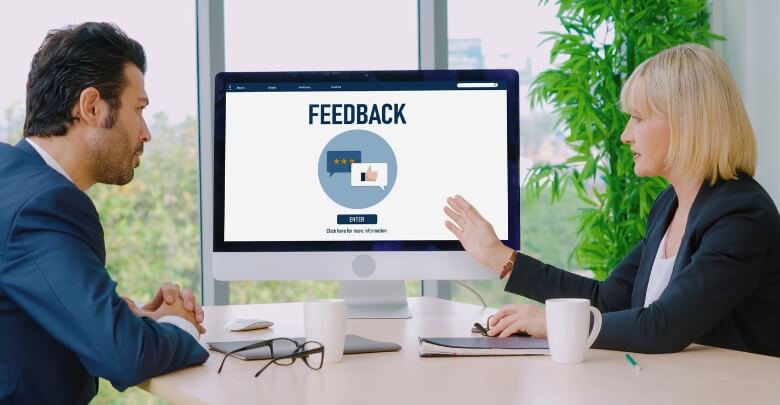
Focus On Your Overall Experience
Think about how the event felt from start to finish. Share whether it met your expectations and felt well planned. Ratings help organizers compare feedback easily, including recommendation scores usually given from zero to ten. Written notes explain your score clearly. Mention if you would suggest the event to others and why that choice feels right.
Share Thoughts On Content And Speakers
Recall sessions or speakers that felt useful and easy to follow. Explain what made them stand out using simple reasons. Avoid single word answers like good or fine. Short examples help organizers see real value. Mention ideas or tips you plan to use after the event.
Comment On Event Logistics
Logistics shape how smooth an event feels for attendees. Share thoughts on registration, check in, venue comfort, and timing. Explain if anything felt rushed or slow. Clear feedback helps teams fix small issues. Simple details matter more than long explanations here.
Explain Your Networking Experience
Think about chances you had to meet and talk with others. Share if the time felt enough and well planned. Mention what worked or felt missing. Organizers use this feedback to improve future connections. Clear points help them design better group moments next time.
Say If The Event Felt Worthwhile
Consider the time, effort, and cost involved for you. Share if the event felt worth it overall. Explain your answer using simple reasons. This helps teams balance pricing and value. Honest feedback here guides better planning for future events.
Suggest Clear Improvements
When something did not work, suggest a simple fix. Avoid only pointing out problems without ideas. Short suggestions are easier to use and understand. Organizers value solutions they can apply quickly. Even small ideas can help shape a better next event.
Filling surveys with care helps events grow in the right direction. Your honest words guide real changes and better planning. Short and clear answers often work better than long ones. Use these tips next time and make your feedback truly matter.
When Is the Right Time to Share Your Thoughts?
Sharing your thoughts at the right moment can make your feedback stronger. Good timing helps others understand your ideas with clear detail. You can choose a time that feels simple and natural for you. Read below to see when feedback is most helpful.
During The Conference
Many helpful thoughts appear while the event is still active. You may notice small issues or moments that feel very clear in real time. Sharing quick notes during the day helps teams act fast when needed. Short feedback at this stage often feels real and honest. It adds value while everything is fresh for you.

Right After The Event
Simple feedback shared soon after the event feels clear and strong. Your mind still holds fresh thoughts about speakers, sessions, or venue issues. This helps you share honest ideas without forgetting small but important points. Many organizers expect feedback at this time. It is often the best moment to support future plans.
A Few Days Later
Some people need a little time to think before sharing notes. After a short break, your thoughts may feel more calm and complete. You can read your notes again and share clearer points. This helps you write feedback that feels balanced and helpful. It works well when you want to give detailed ideas.
Should Feedback Be Short or Detailed?
Short feedback can help when your thoughts feel clear and simple, giving others quick points they can read without feeling lost. Some people like short notes because they save time while still offering helpful ideas that guide small changes. You may choose this style when your needs are easy to share and do not require long details.
Detailed feedback works better when many parts need care, or when you want teams to understand the deeper meaning behind your thoughts. This type of feedback helps others see full context around your ideas, creating helpful notes they can use while planning next steps. You may use this style when writing a conference recap because it supports more complete and clear guidance.
A simple structure helps your thoughts feel steady, letting others read them without guessing what you want to explain clearly. Start with what worked well, then move to what could be better, using kind words that stay calm and direct always. End with your suggestion for next time, giving clear steps that help teams learn what to change and why it matters.
How To Make Your Feedback Polite And Useful?
Sharing feedback in a polite way helps others understand your thoughts with calm and clear meaning. It also makes people more open to your ideas. Read below to see simple points that help your feedback stay kind and useful.
- Be Clear With Your Point: Give a simple reason for your thought so the reader understands your main idea in a calm and steady way. Clear words remove confusion and help your feedback feel honest while keeping the message easy for anyone to read.
- Explain What You Saw: Focus on the real action you noticed so your point feels fair and easy to understand without harsh meaning. This helps people see what happened and learn in a way that feels safe and calm.
- Use Calm Words: Soft words help your message sound helpful and keep the reader open to your ideas during every part of your note. This tone builds trust and makes your feedback simple to accept without stress.
- Share One Good Point: A kind start helps the reader feel relaxed and ready for the helpful part of your message that follows next naturally. It also shows respect for their work, making the talk feel smooth and warm.
- Suggest A Simple Fix: Offer a clear idea that can help improve the part you mentioned, keeping your tone steady and kind for easy reading. This shows you want to help, not blame, and makes change feel more possible.
- Avoid Personal Notes: Keep your point focused on the task so the reader does not feel attacked or blamed in any way. This keeps the talk safe and helps the person understand your idea without feeling hurt.
- Keep It Short And Easy: Simple notes help people read and understand your point quickly without feeling tired or confused at any moment. Short messages also show respect for their time and make your point clear.
- Check For Common Mistakes: Avoid rude words that sound sharp because they can block your message and create needless stress. Also avoid mixed ideas that confuse people and hide the main point you want to share.
Constructive Criticism Cheat Sheet (Say This, Not That)
A kind way to share criticism makes your message easier to accept. Simple changes in wording can turn a harsh comment into helpful advice. Read the table below to see better ways to say common feedback lines.
| Instead of (Not Helpful) | Say This (More Helpful) |
| “The sessions were boring.” | “The sessions on [topic] felt very basic. A deeper level or more real cases would help.” |
| “The event was disorganized.” | “Registration took a long time. Maybe next year you could add more check in counters.” |
| “The speaker was confusing.” | “Some points were hard to follow. Clear steps or simple slides would make the message easier to understand.” |
| “The room was too noisy.” | “The room felt loud at times. A quieter space or better sound setup could help improve focus.” |
| “Networking was useless.” | “I had trouble meeting new people. A short guided networking round might help everyone connect better.” |
| “The food was bad.” | “The meal choices did not suit many people. A few more options could make it easier for everyone.” |
| “The schedule was a mess.” | “Some sessions ran late. A little extra buffer time might help keep the day on track.” |
| “I didn’t learn anything.” | “Most topics were things I already knew. Adding advanced choices could make the event more useful.” |
What If You Only Have Positive Feedback? Should You Still Share It?
Many people think feedback must always list things to fix. Positive notes also matter because teams learn what made the event work well. Clear praise helps them repeat the same good parts next time. Read below to see why sharing positive thoughts still matters.

Positive Notes Help Teams Grow
Teams learn a lot from kind words when they see what worked well clearly. Praise helps them understand which parts felt strong and simple. These notes guide them to keep or repeat the same ideas next time. It also builds trust and keeps the event team motivated.
Good Feedback Encourages Better Work
Warm comments make people feel valued and seen for their hard work. This helps them give even more care in future plans. Positive words show that small details matter and are noticed. It also helps teams build confidence in their choices.
Praise Highlights Strong Ideas
Strong parts of an event can be easy to miss without kind notes. Sharing praise helps others understand what stood out most. These details guide the event plan for the next year. Simple words can shape a better and clearer experience for everyone.
Kind Words Build Good Relationships
Polite feedback helps people feel safe when you share thoughts. This creates a friendly link between you and the event team. Good relationships make future talks easier and more open. Your kind tone sets a warm base for later feedback.
Sharing Praise Is Still Helpful
Some people think praise alone may not help teams improve. But it can show which choices should stay the same next time. Clear notes help teams repeat ideas that made the event strong. Short positive feedback is simple to share and easy to use.
FAQs
You might still have questions about how to give clear and useful feedback after a conference. Below are some common questions and helpful answers to guide you further. These tips will make your feedback more effective, even if you’re not sure where to begin.
Why Should You Think Before Giving Feedback?
Taking a moment to think helps you share clear ideas instead of quick reactions. When your thoughts are settled, your message feels easier to read. This also helps you avoid saying things that may sound sharp. A calm mind leads to helpful and steady feedback.
How Can You Keep Feedback Short But Still Useful?
Short feedback can still help when your point is clear and direct. You only need to share the main idea in simple words. This gives the reader enough guidance without adding extra lines. A short message can still guide important changes when written with care.
What Should You Do If You Feel Nervous Sharing Feedback?
Feeling nervous is normal, but simple steps can make it easier. Write your thoughts first, then read them again to check the tone. This helps you stay calm and clear. When the words feel safe and steady, it becomes easier to send your message.
How Can You Give Feedback Without Hurting Someone’s Feelings?
Focus on the event, not the person, so your message stays kind. You can name the situation and explain what you saw in calm words. This helps the person understand your idea without feeling blamed. Gentle steps like this keep the talk comfortable for everyone.
Why Is Honest Feedback Helpful Even When It Feels Hard To Share?
Honest notes give teams real information they can use to improve. Even small points can guide better choices next time. When your thoughts are true and clear, they help others learn quickly. This creates a better event for everyone in the future.
How Can You Make Feedback Clear For Someone Who Is Very Busy?
Busy people appreciate simple lines that get to the point fast. You can list key ideas in short steps so they read them with ease. This helps them understand what worked or what needs care. Clear and simple notes save time for both sides.
How Do You Decide Which Points To Share First?
It helps to start with the points that matter most to you. These ideas guide the rest of your note and set the tone. Once the main parts are clear, smaller points can follow. This order keeps your feedback steady and easy to read.
What Should You Do If You Disagree With Part Of The Event?
You can share your view in calm words without sounding upset. Explain what felt off and give a simple idea for change. This keeps your message helpful instead of harsh. It also helps the team learn what may need more care next time.
Conclusion
Great events do not happen by chance. They grow stronger when people speak with care and share what truly helped them learn. Your words can guide small changes that shape a better experience for everyone.
When you think about how to give feedback after attending a conference, remember that simple ideas can have a real impact. Kind notes, clear points, and calm examples help teams understand what worked well. Even a short message can support the people who planned the event.
Your feedback is a gift that builds better events, stronger links, and a more open space for learning. Share your thoughts with honesty and heart, and let your voice help shape the next great experience.