Medical conferences in Australia bring together professionals to share the latest health updates and research ideas. Many people want to stay informed about such events and often wonder how to find upcoming medical conference in Australia? It’s a common thought for doctors, researchers, and students who wish to learn or present their work.
To find upcoming medical conferences in Australia, use event listing websites, follow medical societies, check university calendars, and sign up for newsletters. Search with specific keywords, follow professional networks on LinkedIn, and explore government health websites for trusted and up-to-date event information.
Are you curious to explore these conferences and learn how to find trusted event updates? Keep reading this article to discover clear, step-by-step information about upcoming medical events, registration tips, and reliable sources across Australia.
How to Find Upcoming Medical Conference in Australia?
Finding upcoming medical events can be simple if you know where to look. There are many trusted sources that share regular updates about health events. You just need to use the right platforms and keywords for your search. Let’s look at some easy ways to find detailed info below.
Use Conference Listing Websites
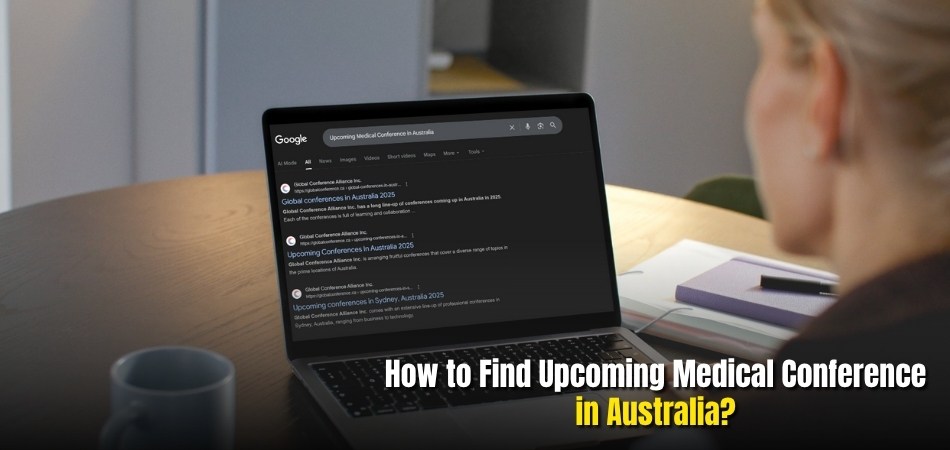
Websites that list events are the best place to begin. These sites share full details about dates, topics, and venues. You can also find virtual and in-person events listed there. Many of them let you filter by country, so searching for conferences in Australia is easy and quick.
Check Professional and Specialist Medical Societies
Most medical societies share updates about their upcoming events. They post seminars, workshops, and meetings for members and guests. You can visit their websites to see what’s planned next. This is a great way to find trusted and field-specific medical events.
Monitor Academic and Medical Event Calendars
Universities and health groups often keep online calendars of their events. These calendars include dates for conferences, forums, and research sessions. Checking them every few weeks helps you stay informed. It’s an easy way to find both large and local conferences in Australia.
Sign Up for Email Alerts and Newsletters
Many medical sites offer free newsletters and alerts. When you sign up, you’ll get updates straight to your inbox. This saves time and keeps you from missing important dates. You can also choose topics or cities you’re most interested in.
Use Filters and Keywords to Narrow Your Search
Typing the right words helps you find better results faster. Use phrases like “medical conference in Australia” or “healthcare summit Sydney.” Filters on event sites let you sort by date, city, or topic. This makes it easier to spot the events that match your interest.
Follow Social Media and Professional Networks
Doctors and event hosts often share updates on platforms like LinkedIn and Twitter. By following their pages, you’ll know when new events are announced. You can also join medical groups and communities online. Many members share posts about ongoing or upcoming conferences.
Check University and Hospital Event Bulletins
Hospitals and universities often hold research or teaching events. They post these on their notice boards or websites. Checking these bulletins can reveal small but useful medical gatherings. You may also find workshops that accept public or professional attendance.
Look for Industry Magazines and Journals
Medical magazines and journals often feature pages for event listings. These listings include short details about location, topics, and registration links. Reading them regularly helps you stay updated. You can even bookmark the pages to check them again later.
Ask Colleagues and Professional Groups
Sometimes the best leads come from your network. Ask friends, doctors, or other medical staff about upcoming events. They may know about smaller, niche events not listed online. This can help you discover hidden or early registration opportunities.
Explore Government Health Department Websites
Government health sites sometimes share information about official conferences. They also promote health programs, training, and workshops. You can find reliable details from these sources. It’s a trusted way to discover medical events across different states.
With the appropriate resources and tools, locating medical events is much simpler. Try using several of these ways to make your search stronger. Keep checking often so you never miss a useful update. Best Websites to Search for Upcoming Medical Conferences in Australia
Best Websites to Find Upcoming Medical Conferences in Australia
Finding medical conferences can be tricky if you do not know where to look. Many websites share event lists, but only a few are truly helpful. In Australia, several trusted sites keep updated lists for medical professionals. Let’s look at the best ones, where you can find detailed info below.
Global Conference Alliance Inc.
This site is well known for listing international and local medical events. It shares conference dates, venues, and paper submission details. You can also find events across other scientific fields. The website is simple to use and lets you register directly for conferences. It is a great pick for staying updated.
The Medical Journal of Australia
Health conferences, events, and research updates are listed on this website. It often includes workshops and medical seminars held across Australia. You can also read the latest medical articles and research summaries. The site helps professionals connect and stay aware of current medical trends. It is a solid source for trusted updates.
eMedEvents
Medical conferences, both online and in person, are listed on this platform. You can search events by specialty, location, or date. Each event includes topics, speakers, and registration links. The platform also helps you earn continuing medical education credits. It is ideal for anyone who wants organized and useful event details.
10Times
This site collects conference listings from around the world, including Australia. You can filter by city, field, and month to find medical events easily. It shows event ratings, attendee reviews, and organizer details. The search tool is fast, and you can save favorite events. It makes planning and comparing easy for users.
National Rural Health Alliance
The health events in remote and rural Australia are the main topic of this website. It shares upcoming conferences, community meetings, and policy updates. The site also highlights efforts to improve rural healthcare. If you work outside big cities, this is the best place to check. It provides trusted info about regional health events.
You now know the best places to find upcoming medical conferences. These websites make it simple to plan and attend events on time. Each site shares helpful details for medical and healthcare workers. Visit them often to stay informed and never miss an important conference again.
How to Get Email Alerts for Upcoming Medical Conferences?
Staying updated on medical conferences helps you plan better and never miss key events. Many groups and websites share updates through emails that are easy to subscribe to. You can join these lists and get alerts about dates, topics, and speakers. Let’s see how you can set them up to stay informed.

Subscribe to Conference Newsletters
Most medical organizations and conference planners have newsletters that share updates about upcoming events.
Go to the official websites of:
- Medical associations (like the American Medical Association or your country’s medical council)
- Specialty societies (like the American Heart Association, American Cancer Society, etc.)
- Major conference organizers (like Elsevier, Springer, or Global Conference Alliance)
Look for a “Subscribe” or “Join our mailing list” button. Once you sign up, you’ll start getting emails about new conferences, abstract deadlines, and registration dates.
Join Professional Mailing Lists
Many professional groups and research networks have mailing lists that send regular updates about conferences, workshops, and webinars.
You can:
- Register for mailing lists through medical journals or university departments.
- Join Google Groups or ResearchGate communities related to your field.
- Sign up for mailing lists offered by conference directories.
These mailing lists send emails based on your interests or specialty, so you only get relevant updates.
Use Conference Alert Websites
Websites like:
- waset. org
- 10times
These allow you to select your topic (for example, “medical,” “healthcare,” or “pharmacy”) and location. Then you can set up email notifications for new events that match your choices.
Follow Social Media and Event Pages
Many conferences are also announced on platforms like LinkedIn, X (Twitter), and Facebook.
Follow:
- Your favorite journals or universities
- Medical organizations
- Event management pages
They often post event links that lead to newsletter sign-up pages or direct registration forms.
Check with Your Institution or Hospital
If you’re connected to a hospital or medical university, ask if they have an internal newsletter or email system that shares conference updates. Many academic departments forward these notices regularly.
Tips to Verify the Legitimacy of the Australian Medical Conference Before Registering
Before registering for any Australian medical conference, take some time to confirm that it is real and trustworthy. Many fake events look professional online, but checking a few details can help you avoid wasting your time and money.
- Check the Organizer’s Reputation: Search for the organizer’s name online and read what others say about them. Real organizations have a positive record, clear contact details, and are often linked with known medical or academic institutions.
- Visit the Official Website: Go through the website carefully to check if it looks professional and secure. Fake sites often have spelling mistakes, broken links, or unclear event details that do not match real medical conference standards.
- Review Past Events: Look for records like videos, photos, or testimonials from earlier events. Honest organizers usually share media coverage or conference reports to show that their previous events actually happened successfully.
- Verify Conference Partners: See if hospitals, universities, or associations are listed as partners. You can confirm this by checking those partners’ official websites or contacting them directly to verify the collaboration.
- Contact the Venue Directly: Reach out to the venue to ask if the event is booked under the organizer’s name. This quick step helps confirm whether the booking is real or made-up.
- Look for Speaker Information: Check the speakers’ profiles online. Trusted conferences list real professionals with valid medical or research backgrounds, and you can usually find their profiles on official sites.
- Be Careful with Payment Requests: Avoid sending money through personal accounts or suspicious links. Genuine conferences use secure payment options and provide receipts through official company or university email addresses.
Taking a few minutes to verify these details can save you from scams. A genuine medical conference will always share real information, so be careful and confirm everything before paying or completing registration.
How to Choose the Right Medical Conference in Australia Based on Your Specialization?
Attending a medical conference can be an amazing learning opportunity. You can meet experts, learn new research, and share your ideas. But with so many events, it can be hard to choose the right one. Keep reading to see how you can pick the best conference for your field.

Know Your Specialization Clearly
Start by being clear about your medical field. Whether it’s cardiology, oncology, or public health, each field has its own top events. Look for conferences that match your focus and offer updates in that area. This helps you learn what’s most useful for your work and career.
Check the Conference Topics
Look at the main themes and topics before deciding to attend. Some events cover wide medical fields, while others focus deeply on one topic. If you’re into heart health, pick a cardiology-based event. Doing this makes sure your time and money are spent well on useful learning.
Look at the Speaker List
Check who is speaking at the event. If it includes well-known doctors, researchers, or specialists in your field, it’s worth attending. Listening to experts gives you better insights into new treatments and methods. You can also meet them and ask questions directly.
Think About Learning and Networking Value
When deciding which event to attend, it helps to know the main reasons to attend medical conferences in Australia, such as gaining new research insights, connecting with specialists in your field, and discovering global medical advancements. Choose events that also offer workshops or small group sessions. These help you learn skills you can use right away.
Consider Location and Timing
Look at where and when the event is happening. Choose a place that’s easy to travel to and fits your schedule. Some cities also offer extra training programs or hospital visits during the event. Picking the right location adds more value to your conference trip.
Read Reviews and Past Feedback
Before registering, check reviews from past attendees. Many share their experiences online about what they learned and how the event was managed. This helps you know if the conference is well-organized and worth your time. A good review record often means a quality event.
Picking the right medical conference takes a bit of planning and focus. Always choose events that match your goals and area of work. Stay updated with new trends and research shared in your field. With the right choice, every conference can become a great step in your career growth.
Can International Participants Join Medical Conferences in Australia?
Australia welcomes people from around the world to attend medical conferences. Many top hospitals, universities, and event groups host these events each year. International guests can join as delegates, speakers, or exhibitors. Read below to learn about visas, registration, and travel access.
Visa Requirements for Attending Conferences
Visitors coming for short stays usually need a Visitor Visa (Subclass 600) or an Electronic Travel Authority (ETA). You must apply before travel and show proof of your conference registration. Sometimes, you also need a letter of invitation from the event organizer. Make sure your passport is valid for at least six months.
Registration Rules for International Attendees
Most medical events in Australia allow online registration. You can book your seat, pay fees, and get confirmation by email. Organizers often share special links for international participants. It is best to register early to get cheaper rates and secure your spot.
Support for Global Speakers and Presenters
Many conferences help international speakers with planning and travel. They may provide invitation letters for visa applications. Some even help with accommodation or airport transfers. Contact the event team early if you need this kind of support.
Accessibility and Travel Inside Australia
Most major conference cities, like Sydney, Melbourne, and Brisbane, have easy public transport. Airports, hotels, and venues are well connected. Special assistance is available for guests with mobility needs. Event websites usually share full details about local transport and facilities.
Joining a medical conference in Australia is simple with the right planning. Apply for your visa early and keep your travel papers ready. Make sure you meet health and event rules before your trip. With preparation, your visit can be smooth and enjoyable.
How Early Should You Register for an Australian Medical Conference?
Attending a medical conference is a great way to learn and connect. But if you wait too long, you might miss the best seats or early deals. Conference spots fill up fast, especially for popular ones in Australia. Read below to learn when to register and how to plan smartly.

Book During Early Bird Registration
Most conferences offer early bird deals for the first few months. These discounts can save you a lot of money on tickets. They also often include free add-ons like workshops or sessions. Try to book during this time to save both cash and stress.
Secure Your Spot Early
Seats at medical events are limited and fill up faster than expected. If you wait too long, you might miss out on your preferred sessions. Booking early also gives you time to plan travel and stay nearby. Aim to register at least three to four months before the event.
Avoid Last-Minute Price Hikes
Ticket prices often rise as the conference date gets closer. Waiting till the last week means you might pay more and get fewer options. Late registration also risks missing special events or speaker sessions. It is always cheaper and easier to plan early.
Plan Around Your Schedule
Registering early helps you adjust your work or study plans. It gives you time to apply for leave and manage other commitments. You can also explore nearby attractions or add short breaks. This makes your conference trip both useful and enjoyable.
Take Advantage Of Group Deals
Some events offer group discounts or team passes. If you are going with friends or colleagues, booking together can save more. These deals are often limited and go fast once tickets open. So check for such offers as soon as registration starts.
Signing up early for a medical conference saves you time and money. It helps you grab good seats and join key sessions without worry. Early planning also gives you a smoother travel and stay experience. So always register as soon as the dates are announced.
Tips to Prepare for a Medical Conference in Australia
Getting ready for a medical conference in Australia takes a little planning. You need to be prepared, stay organized, and manage your time well. A little effort before the event helps you make the most of it. Here are some useful tips.
- Plan Your Travel Early: Book flights and hotels as soon as you confirm your attendance. This helps you save money and reduces last-minute stress before traveling to the conference venue.
- Review the Conference Agenda: Look through the event schedule before you arrive. Mark sessions, speakers, or topics that interest you the most to make better use of your time.
- Prepare Key Questions: Write down a few questions related to the sessions you plan to attend. Having questions ready helps you join discussions with more confidence.
- Bring All Presentation Materials: If you’re presenting, pack your slides, notes, and backup drives. Keep both printed and digital copies ready in case of technical problems.
- Organize Important Documents: Keep your travel tickets, hotel details, and conference registration papers together. Using a folder or digital app helps you access everything quickly when needed.
- Carry the Right Essentials: Pack comfortable clothes, ID cards, and business cards. It’s smart to include a charger, notebook, and pen for taking notes during sessions.
- Stay Open to Networking: Meet new people and exchange contacts during breaks. These connections can help you learn, share ideas, and grow in your professional field.
A little preparation makes your conference experience smooth and stress-free. When preparing for medical conference papers, it’s a good idea to review recent studies and align your work with the conference’s theme to make your presentation more impactful.”
FAQs About How to Find Upcoming Medical Conference in Australia?
If you’re trying to find upcoming medical conferences in Australia, you might still have some questions. Many people wonder about where to look, how to join, and what to expect. These common questions can help you get clear answers before planning your next event. Read below to understand the most useful details in a simple way.
How Can I Find Free Or Low-Cost Medical Conferences In Australia?
Many conferences offer free entry or discounts for students and healthcare workers. You can check medical universities, hospitals, or health departments that often host low-cost events. Some also provide free webinars or virtual sessions. Always read the event details carefully to see if there are any hidden charges.
Where Can I Find Conferences That Offer Certificates In Australia?
Some conferences give certificates for attendance or participation. These certificates are helpful for your career and learning record. You can look for such events on medical association websites or conference listing sites. Make sure the certificate is issued by a known and trusted organization.
How Do I Know If A Conference Matches My Field Of Interest?
Before joining, read the topics, themes, and speakers listed on the website. They show what the event focuses on and if it suits your medical area. Look for your specialty, like surgery, nursing, or pharmacy, in the agenda. This helps you join conferences that give you the most value.
Are Online Medical Conferences In Australia Worth Joining?
Yes, online conferences can be very useful and easy to attend. They save travel time and money while still letting you learn from experts. Many online events also record sessions so you can watch later. You can earn certificates and interact with speakers through live chats.
How Can I Stay Updated If I Miss A Medical Conference?
If you miss one, you can still read its summary or watch recorded sessions. Many organizers share slides, reports, or recordings on their websites. You can also follow the event’s social media pages for updates. Signing up for newsletters keeps you informed about future conferences too.
Can I Present My Research At Australian Medical Conferences?
Yes, most conferences allow participants to present research papers or posters. You need to check the event’s call-for-papers section to apply. It usually gives submission dates and format guidelines. Presenting your research helps you gain recognition and share ideas with other professionals.
What Should I Do If A Conference Website Looks Suspicious?
If something feels off, double-check the details before paying or sharing information. Search the organizer’s name online to see reviews or past events. Fake sites often have poor grammar or unclear contact information. Always verify by contacting the listed venue or partner organizations.
How Can I Network With Other Attendees Before The Conference?
You can join online groups or forums made for conference participants. Many events have social media pages or LinkedIn groups where you can connect early. Introduce yourself and discuss topics of interest before meeting in person. This helps you make useful contacts even before the event starts.
Bottom Line
Finding the right event becomes easy when you know where to look. Use trusted websites, newsletters, and medical networks to stay updated. With these steps, you can easily learn how to find upcoming medical conference in Australia.
Plan early, check event details carefully, and keep an eye on registration dates. Stay alert for fake sites and always confirm before paying. Keep learning, keep exploring, and best wishes for finding and attending your next great medical conference.