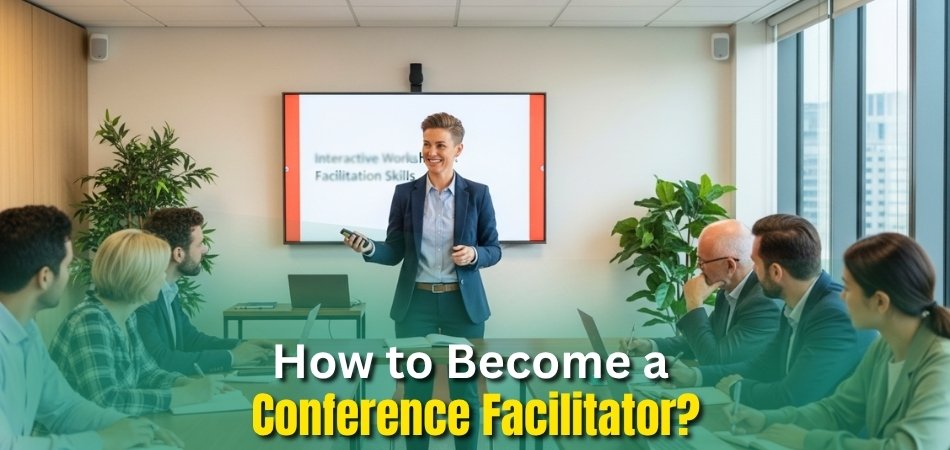
Conferences thrive on energy, clarity, and participation. Behind that smooth flow of ideas, there’s often a skilled facilitator guiding the room. A conference facilitator isn’t just a speaker—they’re someone who ensures every voice is heard, discussions stay on track, and the group feels engaged.
If you’ve ever admired how certain people can manage a room with ease, this might be the role for you. So, how to become a conference facilitator?
To become a conference facilitator, learn how to guide group talks and keep everyone involved. Build strong speaking and listening skills. Practice in small events or meetings. Take short courses to learn how to manage time, solve problems, and include everyone. You don’t need a degree, but training helps a lot.
Read on to find out how you can grow into this role by following these practical steps.
How to Become a Conference Facilitator?
Becoming a conference facilitator means learning how to guide groups effectively while keeping conversations meaningful and engaging. This role goes beyond simple speaking—it requires practice, confidence, and skills that encourage every participant to contribute freely during discussions.
Step 1: Learn the Fundamentals of Facilitation
- Start by exploring essential techniques of meeting design that focus on creating trust and psychological safety among participants.
- Gain familiarity with encouraging balanced participation where quieter voices receive equal importance during group discussions and brainstorming sessions.
- Discover methods of active listening that help facilitators clarify ideas, avoid misunderstandings, and steer conversations toward clear goals.
Step 2: Build Strong Communication Skills
- Improve clarity in your speech by developing language that delivers complex ideas simply while keeping the room engaged.
- Practice aligning participants with shared objectives, ensuring discussions never drift away from session goals or expected outcomes.
- Learn how to manage conversations without dominating by encouraging varied perspectives and avoiding unnecessary interruptions throughout discussions.
Step 3: Understand Group Dynamics
- Observe how different personalities interact in group environments, recognizing potential conflicts before they escalate or disrupt progress.
- Develop patience for managing diverse participants, focusing on keeping everyone comfortable and included throughout every session.
- Create strategies for stimulating engagement, ensuring all attendees feel heard, valued, and invested in contributing toward decisions.
Step 4: Gain Practical Experience
- Facilitate smaller meetings or workshops first, building confidence gradually while practicing different methods for inclusive participation.
- Experiment with multiple facilitation styles to find approaches that suit both your personality and the needs of participants.
- Gather feedback from every session you lead, using constructive suggestions to refine your skills and boost overall effectiveness.
Step 5: Take Specialized Training Programs
- Enroll in facilitation courses covering meeting design, documentation, conflict resolution, and structured decision-making for professional growth.
- Choose certifications offering hands-on learning, where you practice real scenarios and sharpen practical communication under expert supervision.
- Benefit from programs focused on conference facilitation, learning advanced strategies to manage diverse groups, and keeping discussions productive.
Step 6: Strengthen Essential Skills
- Sharpen conflict resolution skills, enabling smoother negotiations, quicker consensus, and stronger cooperation during complex discussions.
- Master time management by controlling agendas effectively, preventing wasted hours, and ensuring participants remain consistently engaged.
- Stay adaptable by improvising when situations change, ensuring conversations stay balanced without losing momentum or participation.
Step 7: Keep Improving Continuously
- Collect honest feedback after each event, adjusting facilitation techniques to meet the growing needs of different participant groups.
- Study how conferences operate in different countries, from the USA to Germany, Canada, or India, especially upcoming conferences in USA.
- Reflect on your experiences regularly, turning each challenge into an opportunity for growth, confidence, and better facilitation outcomes.
Key Responsibilities of a Conference Facilitator
Conferences bring people together to share ideas, discuss problems, and learn from each other. Every session needs someone who makes sure everything runs smoothly. That is where a facilitator steps in, keeping everyone involved and the event balanced. The role looks simple, but it requires focus and effort. Here are the key responsibilities.
Guiding Discussions
A facilitator makes sure discussions stay on track without becoming confusing or going off-topic. They encourage people to share their ideas openly, while reminding everyone of the main goal. By doing this, the session becomes meaningful and not just random talking. They bring back focus if conversations start to drift.
Encouraging Participation

Not everyone feels confident speaking in front of a group. The facilitator helps quieter people feel comfortable enough to join in. They ask gentle questions or give small prompts to invite more voices into the conversation. This makes everyone feel important and part of the discussion.
Managing Time
Conferences often have many speakers and sessions, so keeping track of time is important. The facilitator makes sure sessions start and end on schedule. They help participants cover every important point without wasting extra minutes. Good time control keeps the event flowing well for everyone.
Handling Conflicts
Sometimes disagreements happen during group discussions, and that is normal. The facilitator listens to both sides and calms the situation. They guide people to find a fair solution without turning the room tense. By doing this, the meeting stays peaceful and productive.
Keeping Neutral
A facilitator does not take sides in any discussion. They listen carefully to everyone and treat all opinions fairly. This balance makes participants trust them and feel respected. Neutrality keeps the environment open, safe, and comfortable for honest sharing.
Creating Safe Space
Participants need to feel respected and valued while sharing their thoughts. The facilitator sets clear rules for respect and good behavior. They make sure no one is interrupted or laughed at while speaking. A safe environment allows better ideas and stronger teamwork.
Recording Outcomes
Conferences are not just about talking but also about recording key points. The facilitator notes down decisions, important ideas, and action steps. This record helps participants remember what was agreed upon after the session. It also ensures no important detail is forgotten.
Skills Needed to Become a Conference Facilitator
Every successful conference has someone making sure people talk, listen, and share ideas properly. This role looks simple, but it actually requires several skills. Without these skills, discussions can feel messy, confusing, or even boring. A skilled facilitator keeps everything clear, fair, and engaging. Here are the skills every effective conference facilitator should have.
Communication Skills
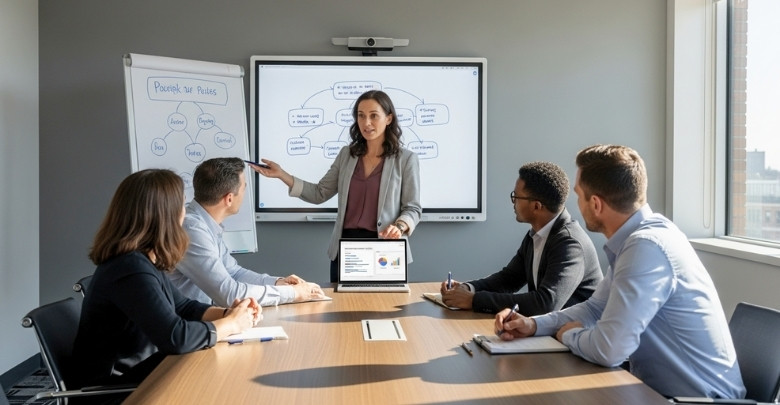
Strong communication is one of the most important skills for a facilitator. They must explain instructions clearly so everyone understands what to do. Good communication also helps them connect with participants and keep discussions running smoothly. Without it, people may lose track or feel confused.
Active Listening
A facilitator should listen carefully to every participant, not just the loudest voices in the room. By paying attention, they make sure important ideas are not missed or ignored. Listening also helps build trust because people feel valued when heard. It turns discussions into real conversations instead of one-sided talks.
Conflict Handling
Disagreements happen often when groups share opinions, and they are not always a bad thing. A facilitator must handle them calmly and fairly to keep the session respectful. They listen to both sides and guide people toward understanding. This prevents small arguments from becoming distractions in the meeting.
Time Management
Conferences usually run on a tight schedule, and every session has a limited time. A facilitator ensures conversations stay within set limits. They know when to let discussions continue and when to move forward. Proper timing keeps everyone focused and makes the event productive.
Neutral Approach
A facilitator must remain fair and avoid favoring any one opinion. Neutrality helps participants feel that every voice matters equally. It also stops tension from growing if people sense bias. By staying balanced, the facilitator creates trust across the whole group.
Creating Safe Space
People need to feel safe when they share their thoughts in front of others. A facilitator makes sure no one interrupts or makes fun of someone speaking. Respectful ground rules are set so everyone feels comfortable. The importance of a conference facilitator role is clear here, because safe spaces help fresh ideas grow.
Adaptability
Unexpected things can happen during a conference, like changes in schedule or sudden disagreements. A facilitator needs to adjust quickly without losing focus. Being adaptable means they can think fast and guide the group smoothly. This keeps the event running even when surprises appear.
Qualifications or Experience That Can Help You
A conference facilitator is someone who keeps events running smoothly and helps people share ideas. To do this well, some training or experience can be very useful. These don’t have to be big or fancy, but they give you confidence. Let’s check some helpful points.
- Facilitation Training: Short courses teach how to design meetings, manage groups, and make sure everyone speaks. They also give practice sessions that build confidence.
- Public Speaking: Talking in front of people makes you clearer and less nervous. It also helps you hold attention during sessions.
- Workshops Experience: Running small workshops gives you safe practice. It teaches you patience, time control, and how to handle surprises.
- Conflict Resolution: Arguments happen in groups, and that is normal. Learning how to calm people and guide them helps keep the peace.
- Documentation Practice: Taking notes during meetings makes things easier to remember later. It also shows people that their ideas are valued.
- Team Leadership: Leading teams teaches how to guide and support people. It builds trust, and people follow you with comfort.
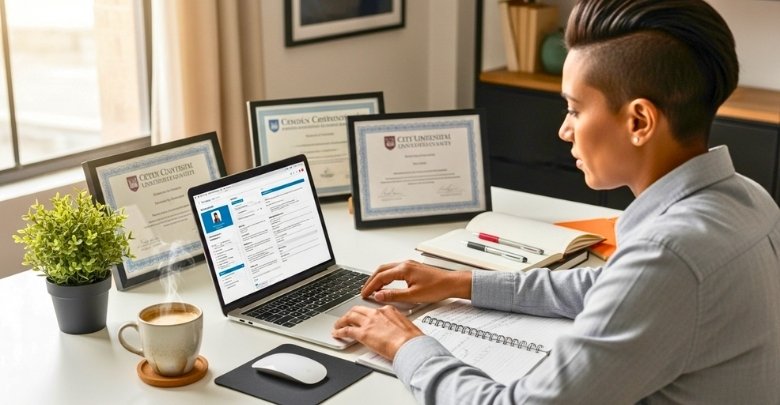
- Certifications Earned: Certificates in facilitation or communication improve skills. They also help you get more chances in professional events.
How to Prepare Before Facilitating a Conference?
Standing in front of a group can feel exciting but also a little stressful. Preparation is the key that makes everything easier. Without it, a conference can quickly become messy and unorganized. With these steps, you can feel confident and ready.
Know the Agenda
A facilitator must clearly understand the schedule before the conference begins. This helps in keeping discussions focused and on time. Reading the agenda carefully allows you to prepare questions or prompts in advance. It also makes you ready to guide smoothly.
Understand the Audience
Different groups may have different needs, interests, and expectations. Learning about the people attending helps you prepare better examples or questions. When you understand your audience, you connect with them more easily. This makes the event feel welcoming for everyone.
Prepare Materials
A facilitator should always have materials like notes, markers, slides, or activity sheets ready. These tools help keep participants engaged during the session. They also prevent moments of silence when people wait for instructions. Well-prepared materials make the process simple for everyone.
Practice Speaking
Speaking practice is important to build confidence before the event. Rehearsing out loud helps you find mistakes and fix them. Practicing also improves timing, tone, and body language. By doing this, you appear more confident and clear during the conference.
Check the Space
Looking at the venue before the event can save time and reduce stress. You can test the microphone, lighting, and seating arrangements. Small checks like these avoid problems during the actual session. It also helps you feel more comfortable in the environment.
Build Confidence
Preparing your mind is as important as preparing materials. Deep breathing, positive thoughts, and small practice runs can help. Confidence comes from knowing you are ready to lead the group. It also reflects some qualities of a good conference facilitator.
Stay Flexible
Even with full preparation, things may not always go as planned. A speaker might take more time, or technical issues may happen. Staying calm and adjusting quickly shows good control. Flexibility keeps the event smooth, even during surprises.
Challenges Faced by Conference Facilitators
Running a conference is not always as simple as it looks from the outside. A facilitator has to handle many unexpected problems. These challenges can make sessions difficult, even with good planning. Knowing them early helps in handling events better.
- Time Pressure: Managing sessions within a limited time often feels tough, especially when discussions grow longer than expected. Keeping balance requires quick thinking.
- Low Participation: Sometimes people hesitate to share their thoughts, which creates silence in the room. Facilitators must encourage gently and invite responses.
- Conflicts Arising: Disagreements often happen between participants who hold strong opinions. Handling these situations calmly is important for keeping sessions productive.
- Technical Issues: Problems with microphones, screens, or slides can disturb the flow of a session. Quick solutions are needed to avoid delays.
- Maintaining Neutrality: Facilitators must avoid favoring one opinion over another. Staying balanced makes every participant feel respected and equally valued.
- Unclear Goals: Events sometimes begin without clear objectives, which confuses participants. Facilitators must guide everyone toward a common understanding during sessions.
- Managing Energy: Long conferences can make people tired and distracted. Facilitators should bring short breaks or activities to refresh the group.
FAQs About Ways to Become a Conference Facilitator
Many people are curious about becoming a conference facilitator. It’s a role that combines speaking, listening, and guiding groups. Here are some common questions that may help you understand the process more clearly.
What Is the Role of a Conference Facilitator?
A conference facilitator guides discussions, keeps sessions organized, and ensures every participant has a chance to contribute. Their main responsibility is to maintain focus, manage time, and create a comfortable environment where participants feel engaged, included, and respected.
Do You Need a College Degree to Become a Facilitator?
A college degree is not required to work as a conference facilitator. What truly matters are practical skills, training, and experience in communication. Specialized courses, workshops, or certifications provide stronger knowledge and improve confidence, making facilitators more effective in conferences.
Can Someone Work Part-Time as a Conference Facilitator?
Yes, many facilitators work part-time, taking events or workshops as needed. Since conferences may not happen every week, flexibility is possible. This allows professionals to manage other jobs while building facilitation skills, growing experience, and gaining industry opportunities gradually.
How Long Does It Take to Become Skilled?
The time needed depends on practice and training opportunities. Some people learn quickly through small workshops, while others require longer. Regular feedback, self-improvement, and attending courses help individuals build skills faster, creating effective and confident facilitators within a reasonable time.
Is Certification Helpful for Conference Facilitators?
Certification is not always mandatory, but it is highly beneficial for credibility. Employers or organizations prefer facilitators with structured training. Certified programs provide knowledge about meeting design, group management, and conflict handling, building trust, and improving professional career chances.
What Are Career Opportunities for Facilitators?
Conference facilitators can work in corporate events, educational workshops, international forums, or community programs. Many organizations look for skilled facilitators to guide discussions. Over time, facilitators may expand into training roles, consultancy, or leadership positions within the event management industry.
How Do Facilitators Deal With Nervousness?
Facilitators often prepare with practice sessions, calming techniques, and small confidence-building steps. Nervousness is common, especially for beginners. Over time, exposure to more groups, feedback from peers, and consistent preparation reduce fear and make facilitation feel natural, easier, and enjoyable.
Can Technology Improve Conference Facilitation?
Yes, technology helps in making conferences smoother and more engaging. Tools like projectors, online polls, and microphones improve clarity. Virtual platforms also expand opportunities, letting facilitators host hybrid or online sessions, reaching wider audiences while keeping discussions focused and interactive.
Wrap Up
A conference facilitator helps people share ideas and stay focused during events. The work needs patience, practice, and simple skills. Good communication, time control, and listening are always important. Training programs and small workshops make learning easier.
Many people ask how to become a conference facilitator, and the answer is simple—start small, practice often, and improve with each event. Confidence grows with every session you lead. With steady effort, anyone can guide meetings, solve small problems, and keep groups working together. A good facilitator makes conferences smooth, engaging, and useful for everyone.