This is the world of international conferences, where minds converge, ideas flourish, and connections spark innovation. The world’s leading experts, thought leaders and enthusiasts come together under one roof to exchange knowledge and collaborate. Now, you might wonder, “How do you ask for funding to attend a conference?”
It’s a valid question, and the answer lies in strategic planning and persuasive communication. Make a compelling case for your attendance to potential sponsors or your organization by explaining the benefits, detailing expenses transparently, and proposing a clear action plan.
Now let’s talk about how to secure funding for your conference. Let me show you how to make a winning proposal and gain valuable experience.
Why Attend Conferences?
There are many opportunities for professional and personal growth when you attend conferences. From learning new skills to networking with industry leaders, conferences are valuable experiences. Here’s why you should consider attending conferences:

Networking Opportunities
Conferences bring together like-minded individuals from diverse backgrounds, creating a productive ground for networking. Whether you’re a seasoned professional or just starting your journey, these interactions can lead to valuable connections, mentorships, and future collaborations.
Learning from Experts
One of the biggest draws of conferences is the opportunity to learn directly from industry leaders and subject matter experts. Through keynote speeches, workshops, and panel discussions, you can gain new perspectives, stay updated on the latest developments, and boost your skills.
Exposure to New Ideas
Conferences serve as incubators of innovation, where ideas are shared, debated, and refined. Whether you attend local events or international conferences in Canada and other global destinations, immersing yourself in these discussions exposes you to fresh perspectives, innovative research, and unconventional approaches that can inspire breakthroughs in your work.
Professional Development
Attending conferences isn’t just about acquiring knowledge; it’s also about investing in your professional growth. Many conferences offer continuing education credits, certifications, and skill-building workshops that can better your resume and advance your career prospects.
Staying Ahead of the Curve
It is impossible to remain static in today’s society, which is constantly changing. The purpose of conferences is to keep abreast of technological advancements, market dynamics, and industry trends. Staying informed and adaptable positions you as an asset in any profession.
Does Money Matter When it Comes to Attending a Conference?
Yes, attendance at a conference is highly dependent on money. The cost can be a barrier for many, especially students and professionals from the non-profit sector. Conferences often involve travel, accommodation, and registration fees. These expenses can add up, making it challenging for some to participate.
However, attending conferences can offer invaluable opportunities for networking, learning, and career development. Many organizations understand these barriers and may offer grants or sponsorships. These financial supports are crucial as they allow a broader range of participants to attend. When cost is a concern, such options are worth exploring.
For those unable to secure complete funding, it’s still possible to attend a conference without funding. This might require choosing local events or those offering virtual participation to cut down costs. Alternatively, volunteering at the event can also provide access without typical expenses. Such strategies ensure that financial limitations do not completely block professional growth opportunities.
How Do You Ask for Funding to Attend a Conference?
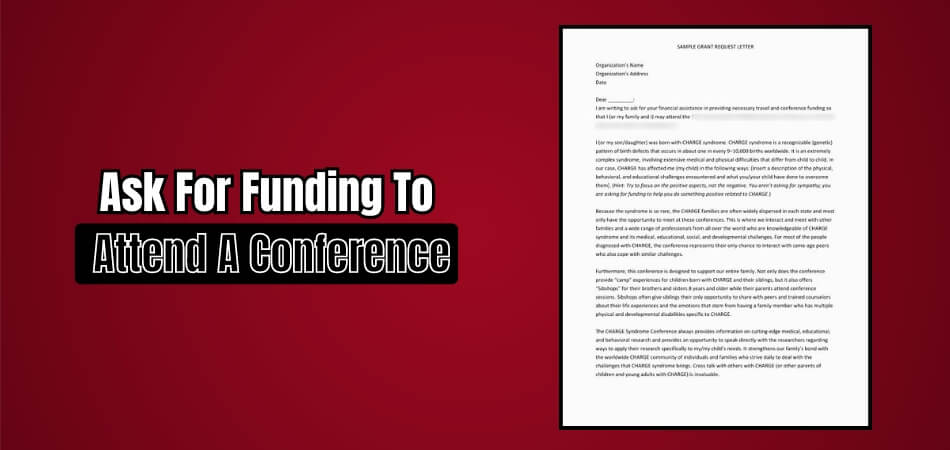
Seeking funding to attend a conference can significantly boost your professional development. A successful request requires clear communication and strategic planning. Here’s how to prepare an effective proposal to secure the necessary funding.
Step 1: Identify Potential Sponsors
Start by listing potential sponsors such as your employer, academic institutions, or industry associations. Research their funding priorities and guidelines to understand what they look for in a funding request. This step is crucial for personalizing your approach to align with their interests.
Step 2: Articulate the Benefits
Instead of saying you want to “learn,” explain what you will bring back. For example, mention specific sessions, workshops, or skills that solve current work challenges. This shows clear value and makes approval more likely.
Example wording:
“I plan to attend the digital marketing sessions focused on lead generation. I will bring back at least three new strategies we can test in our next campaign.”
Step 3: Detail Your Expenses
Provide a clear, itemized breakdown of all expected costs associated with attending the conference. This should include registration fees, travel, accommodations, and meals. A transparent expense list helps build trust with potential sponsors by showing you’ve thoughtfully considered the financial aspects.
Simple Cost–Benefit Overview
|
Item |
Estimated Cost |
|
Conference Registration |
$___ |
| Travel |
$___ |
|
Accommodation |
$___ |
| Meals |
$___ |
|
Total Cost |
$___ |
Expected Benefits:
- New skills related to current projects
- Industry insights to improve performance
- Networking with potential partners or clients
Step 4: Develop a Persuasive Proposal
Write a compelling proposal that highlights your professional goals and how the conference can help meet them. Link the event’s content directly to your work or academic objectives, demonstrating the tangible benefits of your attendance.
Step 5: Follow Application Protocols
Be sure to follow any specific application procedures outlined by your potential sponsors. Pay close attention to submission deadlines, required formats, and the particulars of what should be included in your proposal. Your proposal’s content can be as crucial as the way you follow these guidelines.
Step 6: Offer to Share Insights
Commit to sharing the knowledge and experience you gain at the conference with others. Propose conducting a workshop, writing a detailed report, or presenting a seminar upon your return. This not only adds value to your request but also shows your dedication to collective growth and knowledge dissemination.
Sample Email Template to Ask for Conference Funding
Subject: Request for Funding Support to Attend [Conference Name]
Hello [Manager/Sponsor Name],
I hope you are doing well. I am writing to request support to attend the upcoming [Conference Name], which will be held on [Date] in [Location].
This conference focuses on [key topics], which directly connect to my role and current projects. By attending, I will gain practical insights, industry updates, and networking opportunities that can help improve our work in [specific area].
The estimated cost for attending is [total amount], which includes registration, travel, and accommodation. I am happy to share a full cost breakdown if needed.
After the conference, I plan to share key learnings with the team through a short presentation or written summary.
Thank you for considering my request. I would be happy to discuss this further.
Kind regards,
[Your Name]
When preparing your request for funding to attend a conference, remember to highlight your commitment to bringing back and spreading the knowledge you gain. This approach not only strengthens your proposal but also underlines your proactive stance on professional development and community contribution.
Common Mistakes to Avoid When Seeking Funding
Planning and attention to detail are essential to securing funding for conference attendance. You can significantly improve your chances of success by avoiding common mistakes. Here are key mistakes to watch out for when seeking financial support:
- Lack of Preparation: Failing to research funding options limits your chances of success. Always explore all available sources before applying for funds.
- Unclarified Justifications: Providing unclear reasons for needing funds weakens your request. Clearly explain how attending the conference benefits your professional growth.
- Missed Deadlines: Submitting applications after the deadline shows a lack of seriousness. Always track and meet deadlines to avoid disqualification.
- Incomplete Applications: Leaving out required information or documents can lead to rejection. Double-check your application to ensure everything is included.
- Overlooking Smaller Funds: Neglecting smaller grants or partial funding opportunities is a missed chance. Small amounts can add up and cover significant costs.
- Not Following Guidelines: Ignoring application instructions reflects poorly on your professionalism. Always follow guidelines to demonstrate your attention to detail.
- Neglecting to Follow Up: Failing to follow up after applying can result in missed opportunities. Politely check in if you haven’t heard back within a reasonable time.
What to Do If Your Funding Request Is Rejected?
Funding requests sometimes get rejected, even when the reason feels valid. A rejection does not mean the opportunity is completely closed. There are smart ways to move forward without burning bridges. The options below explain how to continue with confidence today.
Ask For Partial Funding
Instead of full support, ask if partial funding is possible. This can cover registration or travel only. Managers may agree when costs feel lower. Explain you will handle the rest yourself. This shows flexibility and keeps the request realistic while still allowing attendance. It also respects budget limits.
Request Time Off Instead
If funding is not available, request unpaid or personal time off. Many managers approve time even when money is limited. This lets you attend without company cost. Make clear the event benefits your skills. Showing responsibility can keep the conversation positive. Follow company leave rules carefully always.
Apply For Scholarships Or Grants
Many conferences offer scholarships or travel grants for attendees. These are often easy to apply for. Check the event website for funding pages. Apply early and follow instructions closely. External support reduces pressure on your employer and improves chances. It also shows initiative and planning skills clearly.
Choose Virtual Attendance Options
Virtual attendance costs less and avoids travel expenses. Many conferences offer online access options. You can attend sessions and learn remotely. This choice works well when budgets are tight. It shows interest while respecting financial limits. Ask organizers about recordings and interaction features before deciding fully today.
Volunteer For Conference Access
Volunteering can provide free or discounted conference access. Many events need help with registration or sessions. In return, volunteers attend parts of the program. This option suits flexible schedules. It shows commitment and reduces overall costs. Check rules and time requirements early. Confirm duties before agreeing clearly.
A rejected funding request does not end your conference plans. Flexible options help you adjust while staying professional calm and polite. Choosing another path shows commitment and problem solving skills clearly. Keep the discussion open and look for workable solutions together.
Types of Funding Available for Attending Conferences
The cost of attending conferences can be high, but there are several funding options available to help. Knowing these options can make attending more affordable. Listed below are the types of funding available for conference attendance:
Employer Sponsorship
Employers often provide sponsorships to support professional development. Requesting funds from your employer requires a clear outline of benefits. You must demonstrate how the conference aligns with company goals. Describe how you will be able to improve your work performance with new skills.
Academic Grants
Universities offer grants to students and faculty to attend relevant conferences. These grants often cover registration fees and travel expenses. Academic departments might also have specific funds allocated for this purpose. To qualify for these awards, you must submit a well-written justification of their academic relevance.
Professional Organization
Professional organizations often provide financial support to their members. This support is designed to develop industry knowledge and networking. Membership usually provides access to exclusive funding opportunities. Always check the requirements and deadlines when applying.
Conference Scholarships
Some conferences provide scholarships to help cover attendance costs. The conference scholarship application process typically involves submitting a detailed application. This may include an essay, proof of eligibility, or letters of recommendation. Following the process carefully can increase your chances of receiving funds.
Crowdfunding
Crowdfunding is a modern way to raise funds for conference attendance. Many platforms allow individuals to seek support from their networks. Clearly explain your purpose and how the funds will be used. You need to communicate the importance of the conference effectively if you want to succeed.
Tips for Maximizing Conference Attendance
Taking part in a conference can allow you to network and grow as a professional. To make the most of your experience, proper planning is essential. Here are some tips to help you maximize your conference attendance:

- Plan Your Schedule: Create a detailed schedule to avoid missing important sessions. Prioritize events that align with your professional goals.
- Network Actively: Engage with other attendees to expand your professional connections. Use breaks and social events to initiate conversations.
- Take Notes: Document key insights and ideas during sessions to retain valuable information. This will help you apply what you’ve learned later.
- Attend Workshops: Participate in workshops to gain hands-on experience and deepen your knowledge. These sessions often provide practical skills.
- Visit Exhibition Booths: Explore the exhibition area to learn about new products and services. Engage with exhibitors to stay updated on industry trends.
- Ask Questions: During Q&A sessions, ask relevant questions to clarify concepts. This interaction can also help you stand out to speakers.
- Follow Up Post-Conference: After the event, follow up with new contacts and speakers. This helps maintain the connections you’ve established during the conference.
- Practical Tip That Often Works: Sponsors are more likely to approve funding requests when you mention early-bird registration savings.
FAQs for How Do You Ask for Funding to Attend a Conference?
When seeking funding to attend a conference, it’s essential to have a clear knowledge of the process. Here are some frequently asked questions that can help guide your approach.
What if My Employer Doesn’t Have a Budget for Professional Development?
Inquire about alternative funding options such as industry-specific scholarships, grants offered by conference organizers, or crowdfunding platforms to support your conference attendance.
How Can I Demonstrate the Return on Investment (ROI) of Conference Attendance?
Showcase past successes or testimonials from previous attendees, track key metrics such as new contacts made or knowledge gained, and provide evidence of how conference attendance has directly contributed to professional growth or organizational success.
What if I’m Unable to Secure Full Funding for Conference Attendance?
Consider partial funding options or explore cost-saving measures such as sharing accommodations or seeking discounted registration rates to offset expenses.
How Do I Address Concerns About the Time Commitment Required for Conference Attendance?
Assure stakeholders that you’ve carefully considered the time investment and have a plan in place to minimize disruption to ongoing projects or responsibilities. Offer to share insights and knowledge gained with colleagues upon your return.
What if I Make a Mistake on My Funding Application?
Take prompt action to rectify any errors by reaching out to the appropriate parties and providing corrected information. Attention to detail and accuracy are essential to ensure a successful funding request.
Can I Negotiate Funding Terms with Potential Sponsors or Stakeholders?
Yes, you can negotiate funding terms such as the amount of financial support, expectations for reporting or accountability, and any additional benefits or opportunities for collaboration.
Final Thought
The process of acquiring funding for a conference requires strategic planning and effective communication. Make a list of potential sponsors, such as employers, academic institutions, and industry associations, and learn about their criteria for funding.
When considering “How do you ask for funding to attend a conference?” it’s crucial to explain the benefits clearly, provide a detailed breakdown of expenses, and craft a convincing proposal that aligns with your professional goals.
Besides that, you can strengthen your request by following application protocols and sharing the knowledge you gained. By taking these steps, you increase your chances of obtaining the necessary support. This makes it possible to attend and fully benefit from valuable conference experiences.