Exhibiting at a conference can feel exciting and a little overwhelming at the same time. You might wonder how to stand out, manage your booth, and connect with visitors in the best way. Many people showing up for the first time feel unsure about planning, the materials they need, and whether their team is fully ready.
If these thoughts are on your mind, don’t worry—you’re not alone. That’s why reading First Time Exhibitor at Conference – A Guide to Getting it Right can really help. It’s a simple and clear resource that answers all your questions in one place and gives you a full picture of what to expect and how to prepare.
As a first-time exhibitor, set clear goals, know the event, and prepare your team. Keep your booth clean and welcoming, and be friendly with every visitor. After the event, follow up promptly and track what worked and what didn’t. This helps improve future exhibitions and makes each experience more successful.
Curious about how to manage everything smoothly from start to finish? This guide covers all the important steps to help you feel confident, bring people to your booth, and make your first conference experience a success.
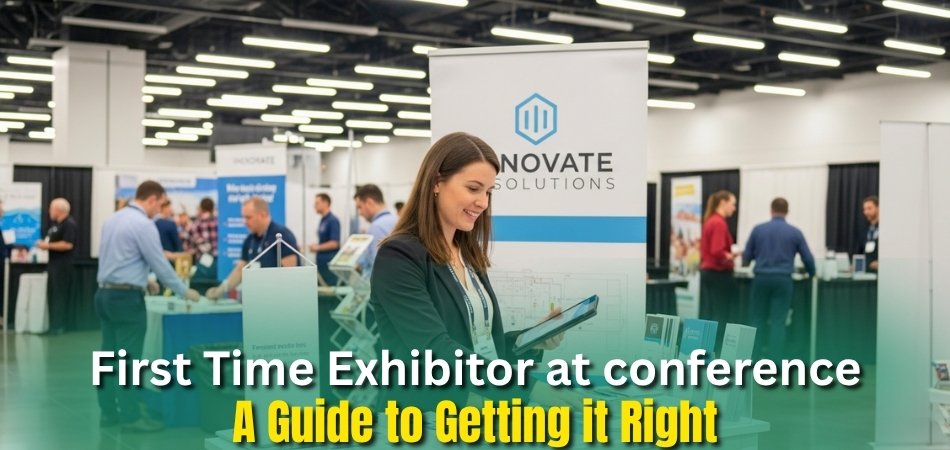
First Time Exhibitor at conference – A Guide to Getting it Right
Joining a conference as a first-time exhibitor can feel exciting and new. You get the chance to show your work, meet people, and learn a lot. It can also feel a bit confusing if you do not plan things well. Read the guide below to learn simple ways to make your first show a success.
Set Clear Goals
Before booking your booth, decide what you want to achieve. You might want to gain leads, build brand awareness, or make sales. Clear goals help guide your planning and teamwork. They also make it easier to measure how well you did after the event.
Know The Event
After setting your goals, learn more about the event. Check who attends, what type of stalls are there, and what people look for. Also, recognizing what an exhibitor means helps you know your part in the event. Study the theme and audience to plan better. This helps you prepare your booth and stand out from others.
Plan Your Booth Design
A neat and clear booth draws more people. Use bright colors, simple displays, and easy-to-read signs. Leave enough space for people to walk in and explore. Add your logo, website, and contact info clearly. Match your design with your brand’s look and tone.
Prepare Your Team
Your team is the face of your booth. Train them to answer questions and explain products simply. Encourage friendly greetings and active listening. A warm smile can make visitors stop and talk. Remind your team to stay alert and avoid long idle moments.
Bring The Right Materials
Pack all important items before the event starts. Carry brochures, cards, banners, and small giveaways. Keep backup items in case things run out. Make sure your materials clearly show your brand and contact info. Neat handouts leave a good impression.
Engage With Visitors
Smile and make eye contact when people come near your booth. Ask short, polite questions to start a chat. Listen to what visitors need and guide them with useful info. Keep your tone light and friendly. Real talks often turn into good business links.
Use Social Media
Let people know you will be at the event early. Post short updates, booth numbers, and small sneak peeks online. During the event, share photos and thank visitors on your social pages. Tag the event and use trending hashtags. It helps attract more visitors to your booth.
Follow Up After The Event
Once the event ends, reach out to the people you met. Send thank-you messages or short follow-up emails. Remind them of your product and how it can help them. Keep in touch through social pages or newsletters. Small follow-ups often lead to lasting links.
Learn From The Experience
Take time to review how things went after the event. Talk with your team about what worked and what didn’t. Note down visitor feedback and future ideas. Track your results against your goals. Each event helps you grow and do even better next time.
Being a first-time exhibitor is a big step toward growth and learning. With smart planning, you can make your booth stand out easily. Focus on clear goals, friendly talks, and strong follow-ups. Start now and make your first event a memorable success.
Types of Conferences Exhibitors Can Easily Attend
There are many kinds of conferences that welcome new exhibitors. Each one offers different chances to learn and grow your brand. Picking the right type helps you connect with the right people. To find out what kinds of conferences are ideal for exhibitors like you, read on.
Business Conferences
At these events, business owners, investors, and industry experts come together. Exhibitors can share their work, present their products, and build real links. It’s a great space to learn about current market trends. Attending such conferences helps promote your brand and find strong partnerships.
Academic Conferences
In this type of event, people share research, ideas, and new findings. Exhibitors include publishers, tech companies, and education brands. You can meet teachers, students, and experts from different subjects. Academic conferences are a good place to build trust and show your role in education growth.
Industry-Specific Conferences
Some conferences focus on one special area, like healthcare, travel, or tech. Exhibitors can connect with professionals who truly need their products. It helps reach a focused group of buyers and decision makers. Picking the right event ensures your booth gets quality visitors.
Virtual Conferences
Online events make it simple for exhibitors to join from any place. Products are shown through videos, demos, or digital displays. These save both time and money while reaching more people. Virtual conferences are ideal for small or online-based brands looking for a wider reach.
International Conferences
Large global events bring together people from many countries. Exhibitors have the chance to present their brand to a world audience. It’s smart to keep track of upcoming conferences to plan your display early. Being part of an international conference builds a strong and trusted brand image.
Niche Market Conferences
Focused events like these cover very specific topics or needs. Exhibitors meet a smaller but highly interested group of visitors. These gatherings help form strong customer bonds and better leads. Joining niche conferences ensures your time and effort bring real results.
Selecting the right kind of conference helps exhibitors grow faster. Each type offers unique chances to learn, connect, and promote your work. Begin with smaller or virtual ones, then move to global events. With smart planning, your brand can shine in every conference you attend.
What Should Be Included in an Exhibitor Pack for a Smooth Exhibition Day at a Conference?
A good exhibitor pack makes your conference day easy and stress-free. It keeps all your tools and materials ready in one place. Without it, you might forget important things that affect your setup. Here is what to include for a smooth and successful exhibition day.
Event Details And Schedule
Always start by keeping a copy of the event plan. It should include the date, location, booth number, and setup times. Add contact numbers for event staff in case you need help. A printed schedule saves time during setup. It also helps your team stay on track all day.
Company Information
Make sure your exhibitor pack includes your company profile and logo sheets. These items help you present a consistent brand image. Include brochures, flyers, and short company descriptions. Add your website link and conference marketing materials that match your booth theme. This makes your brand easy to remember for visitors.
Display Items And Tools
Pack all items you need to decorate your booth. This may include banners, posters, table covers, and display stands. Carry tape, scissors, hooks, and zip ties for quick fixes. Check that your displays are clean and ready to use. Having your own tools helps you avoid last-minute stress.
Product Samples
Including product samples in your pack helps attract visitors. People like to see and try real items before they decide. Keep samples neat, labeled, and easy to reach. If your product is digital, carry demo screens or tablets. Product samples give people a hands-on experience they remember.
Business Cards And Brochures
Bring enough business cards for the whole team. Handing cards to visitors keeps your contact info with them. Brochures help explain your products when you are busy talking. Make sure all materials match your logo and colors. These small items help your brand stay in visitors’ minds longer.
Stationery And Office Supplies
Simple tools like pens, notepads, and markers are often forgotten. Keep extras of each in your exhibitor pack. You may need them for notes, forms, or quick changes. A clipboard and folders help keep papers neat. Staying organized saves time and keeps your booth tidy all day.
Giveaways And Freebies
People love small gifts from booths. Add keychains, pens, or stickers with your brand name. Freebies draw visitors and help them remember you later. Choose simple items that reflect your business. These giveaways also make your booth feel fun and welcoming.
Snacks And Water
It’s easy to forget to eat when you are busy talking. Pack light snacks and water bottles for you and your team. Staying hydrated keeps your energy up during long hours. Quick snacks like nuts or granola bars are easy to carry. A small food break helps you stay focused.
Contact And Lead Forms
Have lead forms or tablets ready to collect visitor details. Ask for names, emails, and short notes on what they liked. You can use these later for follow-up messages. Keep backup paper forms in case the device fails. Collecting leads is one of the main goals of any conference.
Emergency Supplies
Unexpected things can happen during events. Add basic first aid, extra chargers, and cleaning wipes. A small sewing kit or stain remover can also help. Having emergency items in your pack saves you from stress. Being ready for anything helps you stay calm and professional.
Best Way to Get Your Team Ready for the Booth
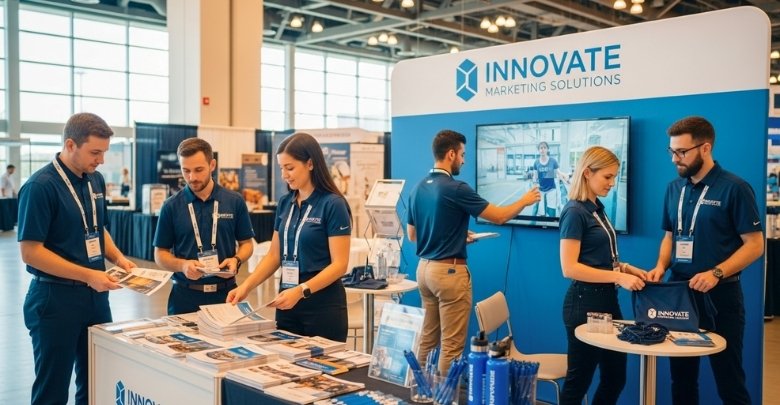
A well-prepared team can make your booth stand out easily. Everyone should know their roles and what to do on event day. Good teamwork helps you handle visitors with confidence and care. Read below to learn simple ways to get your team booth-ready for a great conference day.
Explain The Event Goals
Start by sharing what the event is all about. Make sure every team member knows the main purpose of the booth. Talk about what success looks like, such as leads, sales, or awareness. Clear goals help everyone work with the same focus. You can also include conference marketing ideas for better planning.
Assign Clear Roles
Each person should know what they need to do. Assign someone to greet visitors, another to explain products, and one to handle leads. This helps avoid confusion during busy hours. When roles are clear, teamwork becomes smooth and effective. Everyone will know where they fit best.
Practice Product Knowledge
Make sure your team understands your products or services fully. Hold short training sessions before the event. Let them ask questions and try explaining features in simple ways. Practice common visitor questions to build confidence. Knowing your products well makes your booth look more professional.
Work On Communication Skills
Friendly talk and good listening matter the most at the booth. Encourage your team to use easy words and smile often. Remind them to keep eye contact and stay positive. Short greetings and kind replies create a good first impression. Visitors remember people who make them feel welcome.
Prepare For Common Questions
Visitors often ask about price, features, and use. Train your team to answer clearly and politely. Have a few printed FAQs or short note cards ready. This keeps answers quick and accurate. Being ready with helpful info makes your team look sharp and confident.
Do A Mock Setup
Before the real event, try a small practice setup. Let your team learn where each item will go. Practice greeting and guiding a mock visitor. It helps spot any missing items or weak areas. This fun test run boosts comfort and cuts event-day stress.
Keep The Team Energized
Booth days can be long and busy for everyone. Remind your team to take short breaks and drink water. Healthy snacks like fruits or bars can keep energy steady. A happy and rested team stays friendly and focused. Energy and smiles make your booth more inviting.
Stay Connected During The Event
Set up a group chat or use walkie-talkies if needed. It helps share updates fast when things get busy. Quick talks avoid confusion and keep the booth running smoothly. Staying connected ensures no one misses important info or visitors.
Appreciate Their Effort
After the event, thank your team for their hard work. Talk about what went well and what can be improved. Celebrate small wins to keep morale high. Showing gratitude builds stronger teamwork for future events. People work better when they feel valued.
How to Engage Visitors and Start Conversations at Your Booth?
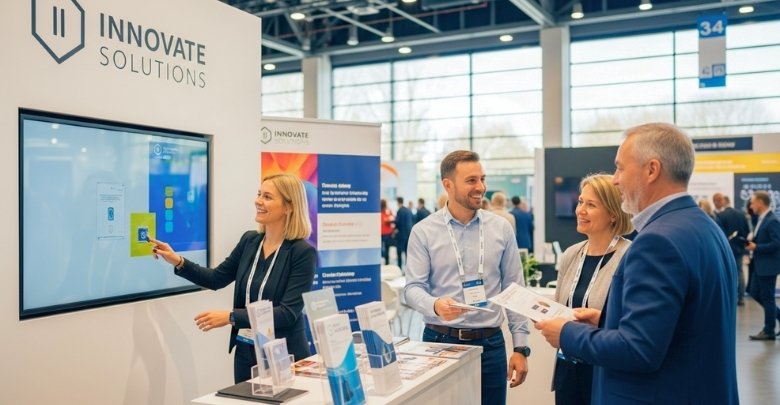
Talking to visitors at your booth can feel hard at first. The right start can make people stop and learn more about your brand. Friendly talks help you connect and build trust with new faces. See below for simple and clever ways to interact with booth visitors.
Greet With A Smile
A warm smile is the best way to invite people in. It shows you are happy to talk and ready to help. Keep good eye contact and say a simple hello. A kind greeting makes visitors feel relaxed. Smiling is the easiest way to start a good talk.
Ask Simple Questions
Start with easy and open questions like “What brings you here today?” or “Have you seen our products before?” Questions help start natural conversations. They show that you care about what visitors think. This small step often leads to longer and better talks.
Share Useful Information
People stop when they learn something new or helpful. Tell short facts about your product or service. Avoid long speeches that sound like a sales pitch. Speak clearly and match your tone to the visitor’s interest. Good information keeps visitors engaged and curious.
Use Interactive Displays
Hands-on activities make visitors stay longer at your booth. Let them try a demo, touch samples, or join a short quiz. This makes your booth fun and memorable. You can add small prizes to draw more people. Interactive setups help attract visitors and keep them interested.
Listen More Than You Talk
Many exhibitors only focus on speaking, not listening. Pay attention to what visitors say and ask. Listening helps you understand what they really want. It also shows respect and builds trust quickly. When visitors feel heard, they are more likely to stay and connect.
Share Success Stories
Telling short success stories helps people relate to your brand. Talk about real customers and how they benefited from your product. Keep stories short and easy to follow. People remember stories more than plain details. Real examples make your talk more friendly and believable.
Hand Out Small Freebies
Giving out small gifts is a simple way to attract people. Items like pens, badges, or stickers with your logo work well. Freebies give you a reason to start a chat. As you hand them out, talk about your brand. These little gifts also help people remember you later.
Follow Up After The Event
Once the event ends, reach out to people you met. Send a thank-you message and remind them about your booth. Add helpful links or product details they asked for. Staying in touch shows care and interest. A quick follow-up can turn short talks into strong business ties.
Building Relationships Instead of Just Selling—Is it a Good Idea?
Yes, it is a good idea. Building relationships instead of just selling helps create trust between you and your customers. People are more likely to return when they feel valued and understood. A friendly bond makes customers loyal, and they often share good words about your brand with others.
When you focus only on selling, people may feel pressured or ignored after buying. But when you take time to know them, they see care and honesty. This personal touch turns one-time buyers into long-term supporters who prefer your product over others.
Strong relationships make your business stable even during slow times. Regular talks, small check-ins, and quick help show real care. In the end, sales come naturally when people trust you and believe your product truly matters to them.
What to Do if Something Goes Wrong?
Even the best event plans can face small problems on the big day. Tech issues, missing items, or booth changes can happen anytime. Staying calm helps you think clearly and fix things faster. Read below to learn how to handle small mishaps and keep your booth running smoothly.
Stay Calm And Think Clearly
When something goes wrong, take a deep breath first. Rushing can make the problem worse or harder to fix. Keep your voice calm and focus on one issue at a time. A clear mind helps you find simple and quick solutions. Staying calm also reassures your team and visitors.
Check The Problem Quickly
Find out what exactly went wrong before reacting. If it’s a tech issue, restart or switch to backup tools. When items go missing, ask the team and check nearby booths. Sometimes the issue is smaller than it seems. Quick checks save time and stop panic from spreading.
Keep Backup Supplies Ready
Always carry extras of important items like cords, posters, or pens. A small exhibitor checklist helps you track what’s packed. Backups make recovery fast when something breaks or gets lost. Keeping extra materials nearby can save your day. Preparedness is the best way to stay stress-free.
Talk To Event Staff
If the problem involves booth space or power, tell staff right away. They can often fix issues faster than you expect. Stay polite and explain the problem clearly. Event teams are trained to handle such matters. Working together keeps things smooth for everyone.
Support Your Team
Team members may feel stressed when problems arise. Remind them that small mistakes are normal and fixable. Encourage them to connect with conference exhibitors nearby for tips or quick solutions. Keeping their spirits high with kind words and smiles helps everyone stay positive. Good teamwork can turn a problem into a lesson.
Learn From The Situation
After the event, note what went wrong and how it was solved. Update your checklist to avoid the same mistake next time. Share ideas with your team about better handling such moments. Learning from small mishaps helps you prepare better for future conferences.
How to Make the Most of Post-event Feedback?
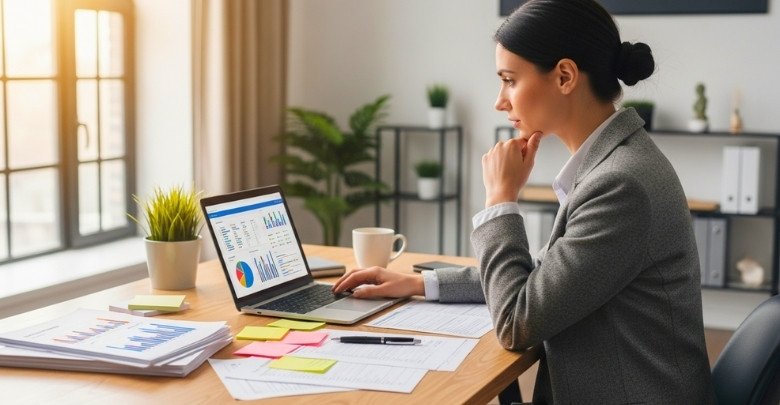
Post-event feedback gives useful information about your booth and team efforts. Collecting it helps improve performance for future conferences and events. Listening to visitors and team members shows care and attention. To find out how to use post-event feedback to improve outcomes, read on.
Gather Feedback Quickly
Collect feedback while the event is fresh in minds. Use short forms, emails, or quick surveys. Ask both visitors and team members to share opinions and experiences. Immediate feedback captures honest and detailed thoughts. Quick collection helps you spot trends and areas to improve fast.
Ask Specific Questions
Focus on clear questions that give meaningful answers. Ask about booth layout, visitor interactions, or product clarity. Avoid long or confusing questions that may discourage answers. Specific questions help you get actionable advice. This allows you to make small but effective changes next time.
Listen To Team Members
Your team can provide insight into visitor behavior and problems faced. Ask what worked well and what caused stress during the event. Their perspective often highlights issues not obvious to organizers. Listening carefully shows respect and gathers practical tips for future booths.
Look For Patterns
Check feedback for common comments or repeated suggestions. Patterns reveal what multiple visitors or staff notice about your booth. This helps you identify real strengths and weaknesses. Trends guide better planning for displays, interactions, and overall booth performance. Focus on the most mentioned points first.
Prioritize Key Improvements
Not all feedback can be implemented immediately. Decide which suggestions have the most impact on visitor experience. Start with easy fixes that improve engagement or presentation. Gradual changes help you manage costs and effort. Prioritizing ensures every improvement creates a visible effect.
Share Feedback With Your Team
Discuss findings openly with your team after the event. Celebrate successes and explain areas to improve. Team involvement encourages ownership and better performance next time. Sharing insights strengthens communication and boosts confidence for future exhibitions.
Track Progress Over Time
Keep a record of feedback from multiple events. Compare results to see if changes work or need adjustment. Tracking progress helps refine strategies and build better booths. Long-term records show growth and help prepare for larger conferences.
Frequently Asked Questions
Starting as a first-time exhibitor can feel overwhelming. Many details may not be obvious until you are on site. These frequently asked questions cover other important points that can help you prepare better. Read below to get practical tips and guidance for a successful first exhibition.
How Do I Choose The Right Booth Location?
Selecting a booth location can impact visitor traffic significantly. Try to pick a spot near entrances, corners, or popular areas. Avoid hidden corners or spaces with little foot traffic. Study the event map ahead of time and consider asking the organizers for recommendations. A good location improves visibility and visitor engagement naturally.
How Can I Dress Appropriately For My Booth?
Professional but comfortable attire works best for exhibitors. Choose clothes that reflect your brand’s style without being distracting. Shoes should be comfortable since you will stand for long hours. Keep accessories minimal, and make sure staff uniforms are coordinated. Looking approachable makes visitors more likely to stop at your booth.
Should I Prepare A Quick Elevator Pitch?
Yes, a short and simple pitch helps explain your product quickly. Keep it under 20 seconds and focus on benefits rather than features. Practice with your team so everyone can deliver it naturally. A concise pitch helps engage visitors without overwhelming them. This also makes your team confident in answering questions.
How Can I Handle Large Crowds Efficiently?
Have multiple staff members ready to greet and answer questions. Set up a clear flow in the booth for smooth movement. Use signage or visual cues to direct visitors. Make sure each visitor gets attention without slowing others down. Efficient handling keeps everyone happy and interested in your booth.
Should I Prepare Special Offers For Visitors?
Special offers or discounts can attract more visitors to your booth. Ensure they are clear, limited, and easy to understand. Display them prominently and remind staff to mention them politely. Offers create interest and motivate people to take immediate action. They can also help track booth engagement and leads.
How Can I Manage Booth Staffing Shifts?
Divide your team into shifts to avoid fatigue during long exhibition hours. Make sure each person knows their role during the shift. Provide breaks for meals, hydration, and rest. Shifts help maintain consistent energy and friendliness. Proper staffing ensures the booth stays active and engaging at all times.
How Do I Make My Booth Accessible For Everyone?
Ensure that your booth layout allows easy access for all visitors. Avoid blocked paths or high tables that may prevent visibility. Consider wheelchair accessibility and adequate spacing between displays. Keep materials at eye level for easier reading. Accessibility makes visitors feel welcome and respected.
Is It Important To Track Visitor Interest?
Yes, tracking helps identify leads and areas for improvement. You can use digital tools, paper forms, or visitor badges to record details. Note who showed interest in specific products or services. Tracking allows targeted follow-ups and improves your return on investment. Organized data makes post-event actions easier.
How Can I Make My Booth Eco-Friendly?
Use reusable signage, digital brochures, and recyclable materials wherever possible. Avoid excessive paper handouts or single-use items. Encourage visitors to scan QR codes instead of printing. Small changes can reduce waste and show your commitment to sustainability. An eco-friendly booth also creates a positive impression on visitors.
Conclusion
Stepping into your first conference as an exhibitor can be a mix of nerves and excitement. You might not get everything perfect, but each step helps you learn what works best for your brand. Every handshake, smile, and small talk adds value to your experience.
Take your time to plan well, prepare your team, and focus on making real connections. Remember, the goal is not just to sell but to build trust and leave a strong impression.
As shared in First Time Exhibitor at conference – A Guide to Getting it Right, success comes from simple, smart actions. Stay calm, stay friendly, and enjoy every part of your first big event. Each show you attend will only make you better next time.