Every visa interview carries quiet weight, because a few minutes can shape an entire travel plan. Many people feel unsure about rules, papers, and purpose, yet clarity begins with knowing documents needed for a USA conference visa interview
A valid passport, DS-160 confirmation page, visa appointment confirmation, visa fee receipt, official conference invitation letter, proof of registration, passport photo, and basic travel plans are among the documents required for a USA conference visa interview. Supporting documents like job proof, bank statements, and prior visas can strengthen your case.
Are you curious about how to organize papers, avoid mistakes, and walk into the interview with calm confidence? This article explains each document, common errors, arrangement tips, and rules clearly, so you can understand the process step by step and feel prepared from start to finish.
Why Is a Visa Interview Needed for a USA Conference?
A visa interview is part of the process for getting a B 1 or B 1 / B 2 visitor visa, which is the visa category used for conferences in the United States. There is no separate “conference visa.” The B 1 visa is for short business visits, which includes attending scientific, educational, professional, or business conventions and conferences in USA, while the B 2 part covers simple tourism before or after the event. When you fill out the DS 160 form, you will choose B 1 or B 1 / B 2, even if your main purpose is only the conference.
The interview helps the embassy understand who is traveling, why they are traveling, and how long they plan to stay. The officer checks that your purpose is real and that you plan to return home after the event. Attending a conference is seen as a short visit, not a job offer or long stay, so the officer wants to confirm that your plans match this rule.
During the interview, the officer may ask simple questions such as:
- Why are you going to the USA?
- Which conference will you attend?
- How long will you stay?
- Who will pay for the trip?
These questions help them see if your answers match your documents and the details you gave in the DS 160 form. It also helps them understand if your background fits the event you plan to attend. For example, your job or studies should make sense with the topic of the conference.
Another reason for the interview is safety and fairness. The United States wants to welcome genuine visitors and prevent misuse of visas. Speaking face to face helps the officer confirm that your information is true and complete.
The interview is not meant to scare anyone. It simply helps the officer see that your trip is temporary, your purpose is clear, and you understand the rules of the B 1 or B 1 / B 2 visa. Bringing correct documents and giving honest answers makes the process smooth and comfortable.
Documents Needed for a USA Conference Visa Interview
A USA conference visa interview needs the right documents ready and clear. Missing papers can cause delays or rejection during the interview. Having everything prepared helps you answer questions with confidence. Below are the documents explained.
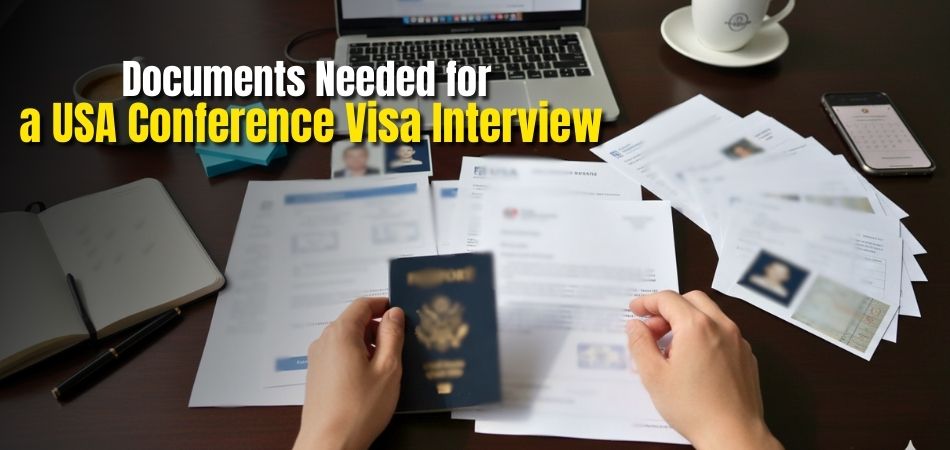
simple list to help you see everything at a glance:
Mandatory
- Valid passport
- DS 160 confirmation page
- Visa appointment confirmation page
- Visa fee receipt
- Recent passport photo
- Basic travel plan or itinerary
Highly Recommended
- Conference invitation letter
- Conference registration proof
- Job or business proof
- Leave approval letter
- Bank statements
- Previous visas and travel history
- Proof of family or property ties
For STEM, Academic, and Research Attendees
- CV or resume
- List of research, publications, or patents
- Short summary of your work or study
- If speaking, your topic details or talk abstract
This list helps you stay organized while preparing your file.
Mandatory Documents for a USA B 1 / B 1 B 2 Conference Visa Interview
Below are the core papers every applicant must bring. These documents allow you to enter the interview hall and help the officer confirm your identity and travel purpose without delays.
Valid Passport
Your passport should be in good condition and valid for at least six months beyond your travel dates. If you have old passports with visas or travel stamps, bring them too. Officers check these pages to see your past trips and general travel pattern. A clean and readable passport makes the interview smoother.
DS 160 Confirmation Page
The DS 160 confirmation page shows the barcode the officer uses to pull up your file. The details should match your passport exactly, including your name and date of birth. If the photo did not upload correctly during your DS 160 submission, you may be asked for a printed photo at the interview.
Visa Appointment Confirmation
This page shows your scheduled interview date, time, and embassy location. Security guards usually ask for this page before allowing you to enter the building, so keep it at the front of your folder.
Visa Fee Receipt
This is proof that you paid the visa application fee. Sometimes the officer checks it before starting the interview, especially if there were earlier payment issues. Keep a printed copy even if you paid online, because digital screens are not allowed inside most embassy areas.
Recent Passport Photo
Bring a photo that follows USA visa rules. The background must be white, your face must be clear, and there should be no shadows. Keeping two copies is safer because photo rules are strict and you may need to submit another one if the first copy does not meet requirements.
Basic Travel Plans
A simple itinerary or travel plan helps the officer understand your expected arrival and return dates. You do not need confirmed tickets. You only need a clear idea of how long the trip will last, where you plan to stay, and when you plan to return home.
Highly Recommended Supporting Documents
These documents are not required by law, but they help explain your purpose clearly. They reduce confusion and help the officer understand your background faster.
Conference Invitation Letter
This letter is not mandatory, but it is extremely helpful. It should show your name, event name, event dates, and event location. A clear invitation letter helps the officer see that your visit is genuine and that you have a real reason to attend conferences in USA.
Conference Registration Proof
This includes online registration confirmation or payment receipts. Officers prefer seeing that you actually registered and are expected at the event. It also matches your DS 160 answers and supports your trip purpose.
Job or Business Proof
Proof of employment or business shows stability at home. It can include an employment letter, company ID, or business registration. Officers often check this to understand your role and to confirm that you are not planning to stay in the USA long term.
Leave Approval Letter
If you work for a company, a leave letter with travel dates written clearly helps show your employer expects you back after the trip. This adds strength to your home ties and supports your intention to return.
Bank Statements or Sponsorship Proof
Bring recent bank statements that show steady activity. If someone else is sponsoring you, bring their bank statements and a simple sponsorship letter. Avoid statements with sudden large deposits because they raise questions.
Previous Travel Proof
Past visas and travel stamps help officers see that you have a good travel history. If you traveled and returned on time in the past, it helps build trust for the current application.
Family or Property Ties
Documents that show family relationships or property ownership help prove that you have strong reasons to return home. These ties show stability and help officers understand your connection to your country.
Extra Documents for Scientific, Technical, and Academic Attendees
If you work in engineering, science, research, medicine, or any technical field, you should carry a few extra documents. Technical applicants are sometimes asked for more details during the interview or through email, so bringing these papers helps avoid delays.
CV or Resume
Bring a simple and updated resume that shows your job role, skills, academic background, and work experience. This helps the officer understand your professional field quickly.
List of Publications or Research
If you have published papers, articles, patents, or research work, carry a clear list. Officers sometimes request this list for additional checks, especially for STEM fields.
Short Research or Work Summary
A short explanation of your work in simple language helps the officer understand your field without technical terms. This is helpful because interview time is short, and officers need quick clarity.
Speaker Documents
If you are attending as a speaker, bring your talk title, abstract, or session details. This confirms your role and helps show why the conference fits your background.
Carrying these documents from the start helps you respond quickly if the embassy asks for extra information during or after your interview.
How to Arrange Your USA Visa Documents for the Interview?
Preparing for a USA visa interview feels stressful without clear document order. Many applicants carry papers randomly and confuse officers during short interviews. Poor arrangement wastes time and weakens confidence at the counter. Follow the steps below to arrange documents calmly and correctly.
Gather Core Identity Papers
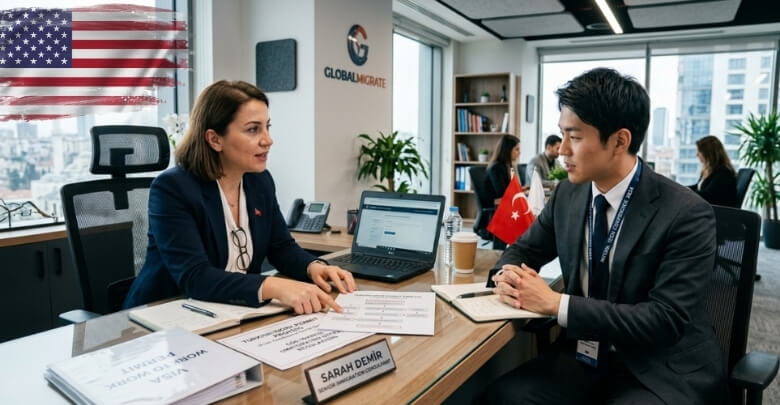
Start with documents that prove who you are and why you travel. Place passport, confirmation page, appointment letter, and photos together. Keep originals first, copies next. This order helps officers verify identity fast and reduces back and forth questions at the window. It also keeps you calm.
Organize Application Forms Neatly
Forms show your intent and must look clean and clear. Arrange DS form, payment receipt, and barcode pages in sequence. Avoid folded pages or loose papers. Neat forms show care, help officers read faster, and prevent delays during quick interview checks at the counter desk area there.
Sort Financial Proof Clearly
Financial papers show you can support your stay responsibly. Group bank statements, sponsor letters, tax records, and pay slips together. Use latest documents only. Clear financial proof builds trust, answers cost questions early, and avoids long explanations under pressure during interviews. It saves time for everyone involved.
Prepare Supporting Evidence By Purpose
Support papers explain why you are visiting the United States. Add work letters, school records, travel plans, or invitation papers as needed. Keep them behind core files. Purpose based order helps officers match answers with documents quickly and keeps the discussion focused without confusion during the interview.
Plan Documents Around Interview Timing
It is smart to gather your papers early, because your appointment depends on the visa interview date processing time, and delays can push your interview further. Early planning avoids rush, missing pages, or stress. Timing awareness helps you stay prepared and arrive confident on interview day calmly.
Good document order makes interviews smoother and less stressful overall. Clear files help officers decide faster without confusion during interviews today. Preparation shows respect for rules and your own time abroad matters. Use this structure to walk into interviews feeling ready and calm.
Items You Should NOT Bring to the USA Conference Visa Interview
Many applicants feel nervous and overprepare for visa interviews. Bringing extra or banned items can cause delays or stress. Knowing what not to carry helps you stay calm, organized, and focused during your USA conference visa interview.
- Large Bags Or Backpacks: Interview centers usually ban large bags for safety reasons, and security staff may deny entry or ask you to leave items outside.
- Electronic Devices: Phones, laptops, tablets, and smartwatches are often not allowed inside interview rooms and can cause delays during security checks.
- Unrequested Extra Documents: Carrying papers not asked for can confuse officers and slow interviews, as they prefer only required documents relevant to your visa purpose.
- Food And Drinks: Snacks, water bottles, and drinks are not permitted inside embassy buildings due to security rules and cleanliness concerns.
- Sharp Or Metal Objects: Items like scissors, knives, nail cutters, or tools are strictly banned and can lead to security issues.
- False Or Altered Papers: Fake letters, changed bank statements, or incorrect documents can result in rejection and long term visa problems.
- Stress Notes Or Prepared Answers: Carrying written answers or cue cards looks suspicious and may reduce confidence during natural conversation with officers.
Preparing smartly helps your interview go smoothly. Bring only required documents, dress simply, and arrive early. Staying calm and organized shows confidence. Best wishes for your USA conference visa interview and a successful conference experience ahead.
Common Document Mistakes That Lead to Refusal for USA Conference Visa
Conference visas need careful paperwork to avoid problems during application review. Small document errors can create doubt and lead officers to refuse. Many applicants overlook details that seem minor but matter greatly. Read below to learn common mistakes and protect your visa chances.
Missing Or Unclear Invitation Letter
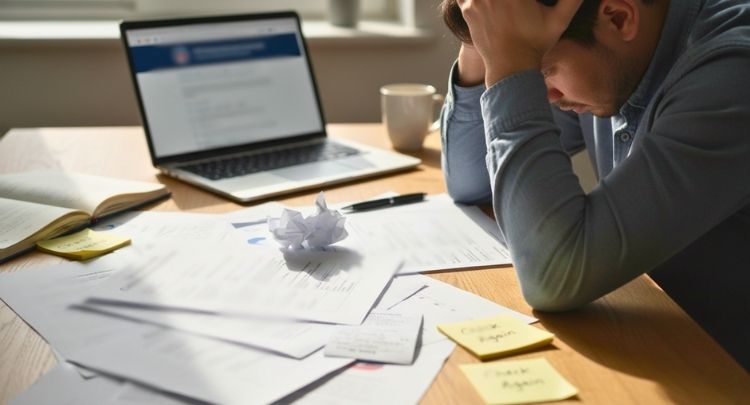
Missing or unclear invitation letters cause serious confusion for officers reviewing applications. The letter must show event name, dates, location, and your role. If details do not match forms, doubts rise quickly. Always check spelling, dates, and signatures before submission to avoid refusal risks. This step is often ignored.
Weak Or Confusing Financial Proof
Financial documents that look weak raise concern about your stay plans. Bank statements should be recent, clear, and match declared support. Sudden large deposits can appear suspicious. Officers want steady proof you can manage costs without relying on public help during your visit. Consistency matters greatly here.
Incomplete Travel History Records
Incorrect or incomplete travel history confuses officers during background checks. Past visas, stamps, or refusals must be shared honestly. Missing entries look like hiding facts. Clear records help officers trust your intent and reduce follow up questions that delay decisions. Honesty always supports smoother reviews and quicker outcomes.
Unclear Employment Or Study Proof
Unclear employment or academic proof weakens your reason to return home. Letters should confirm roles, leave approval, or enrollment status clearly. Dates must match travel plans. While ensuring documentation is perfect is crucial, you must also learn strategies to avoid mistakes in your USA visa interview by practicing your responses and maintaining composure.
Mismatched Information Across Documents
Mismatched information across forms creates strong warning signs for officers. Names, dates, and titles must match everywhere. Even small differences cause delays. Review each document slowly, compare copies, and ask someone trusted to double-check before final submission. This habit prevents avoidable refusals and saves time later.
Careful preparation lowers refusal risk and builds confidence before interviews. Check documents early to spot issues while corrections remain possible. Honest details and matching records help officers review applications calmly. Stay organized, stay calm, and submit papers only after review.
How To Reduce The Risk Of Administrative Processing?
The visa officer may need more time to check your case. This extra review is called administrative processing under section 221 g. It can slow your visa result for many days. Read the tips below to lower the chance of this delay.
Match Your Document Details
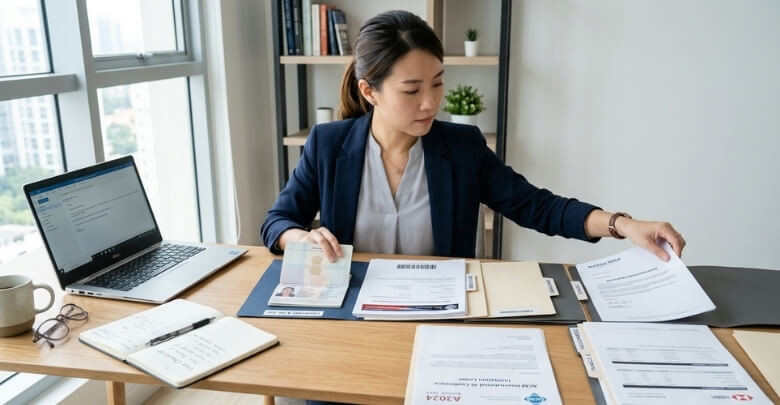
The information on your papers should match that on your DS 160 form. Small errors can cause slow checks during the review stage. Clear and correct papers help the officer read faster. This reduces questions and cuts the chance of long delays. Careful review before the interview helps a lot.
Show Clear Financial Proof
Your bank papers should be recent and easy to read. Clear numbers help the officer understand your travel support. If someone is funding you, show their proof as well. Simple and honest records work best in visa checks. This builds trust and lowers chances of extra review.
Carry Strong Home Ties
It is important to show your real role in your job letter or business proof. A leave letter with clear dates also helps your case. These papers show that you plan to return home soon. Strong ties help the officer feel sure about your intent. This may reduce the need for further checks.
Add STEM Support Papers
Your field may involve science or technical work. Officers may want more details if your field is sensitive. Carry a short resume and your research list if you have one. These papers help them understand your work better. This can help avoid long review steps later.
Follow Steps If You Get 221 G
A 221 g slip means the case needs more time. The officer will tell you what papers they need. Send them as soon as you can with clear copies. Stay patient while they complete their checks. Fast replies help the case move forward sooner.
Translation Tips for Non-English Documents
If your documents are not in English, you’ll need to bring translated versions. Officers need to understand what each paper shows clearly. These quick tips will help you prepare the right translation the smart way.
- Make It Match The Original: Every detail in the translation should copy the original exactly. Keep layout, amounts, names, and dates in the same order.
- Keep It Simple And Clear: The translated version should be clean and easy to read. Avoid confusing formats or hard words that may slow reviews.
- Mention The Translator’s Details: Add the full name and contact info of the translator on the page. This adds clarity and helps if questions come up.
- Use Separate Pages For Translations: Do not write the translation on the same sheet as the original. Keep both papers side by side for easy review.
- Check For Errors Before Printing: Even small spelling or number mistakes can confuse the officer. Double-check each page for correct and complete information.
Translations don’t need to be official, but they must be accurate. Bring both original and translated versions together, neatly arranged.
FAQs About Documents Needed for a USA Conference Visa Interview
Many applicants still feel unsure even after preparing documents carefully. Small doubts about papers can create stress before the interview. These common questions clear confusion and help you feel more prepared. Read the FAQs below for clear and simple answers.
Can I Bring Photocopies Instead Of Original Documents To The Interview?
You should always bring original documents to the visa interview. Photocopies alone are usually not accepted for verification. Officers may ask to see originals to confirm details quickly. Keeping copies is helpful, but originals must be available at the counter.
Do All Documents Need To Be In English For The Interview?
Documents in English are always easier for officers to review. If papers are in another language, a simple English translation is helpful. Translations do not always need to be official, but they should be clear. This avoids delays and extra questions during the interview.
Is It Necessary To Arrange Documents In A Specific Order?
There is no fixed order required by the embassy. However, a clean and logical order helps the interview go smoothly. Officers often appreciate when documents are easy to find. Good order also helps you stay calm and confident while answering questions.
Should I Carry Email Printouts As Proof Documents?
Yes, email printouts are acceptable in many cases. Conference invitations and registration proofs often come by email. Make sure the email shows sender details and dates clearly. Officers usually accept clear printouts if information looks genuine and complete.
Are Digital Documents On Phone Accepted At The Interview?
Most embassies do not allow phones inside interview areas. Even if allowed, officers prefer printed documents. Relying on digital files can create problems if access is denied. Always carry printed copies to stay safe and prepared.
Bottom Line
Preparing well for a USA conference visa interview builds calm and confidence. Clear documents, honest details, and smart organization help officers understand your purpose quickly. This preparation reduces delays and supports fair decisions for genuine short visits abroad.
Knowing the documents needed for a USA conference visa interview helps applicants focus only on essentials. These include passport, DS-160 page, fee receipt, invitation letter, registration proof, photos, itinerary, and basic financial support records for a clear review process.
Stay organized, arrive early, and carry only required papers on interview day. Review details calmly, answer honestly, and keep confidence steady. Best wishes for approval and a successful conference experience ahead in the United States soon. Get there safely.