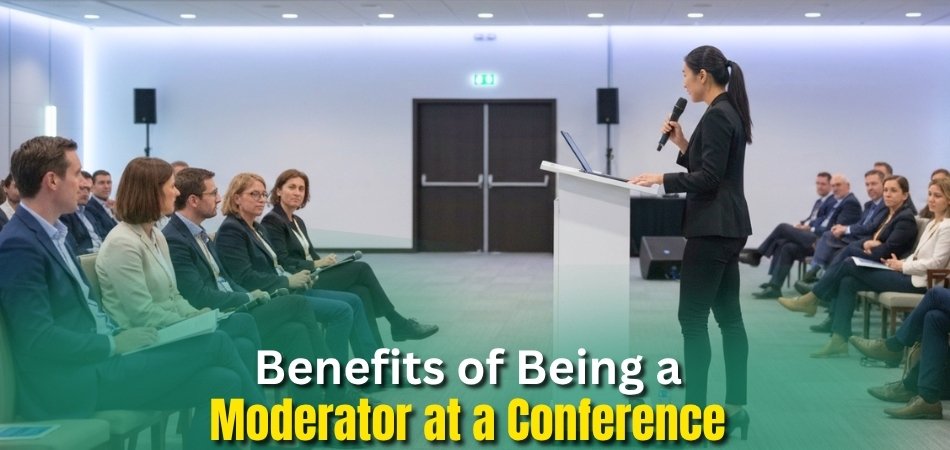
Standing at the front of a conference room, guiding the flow of a session, may seem simple, but being a moderator is far more impactful than it looks. It’s about keeping the discussion alive, helping speakers shine, and making sure the audience feels engaged. At the same time, it challenges you to sharpen your communication skills, manage time under pressure, and think on your feet.
So, what are the benefits of being a moderator at a conference?
Being a moderator at a conference helps you speak clearly, listen better, and think fast. You learn to lead, manage time, and solve problems. You meet new people like speakers and organizers, and you feel proud of helping the session go well. It also makes you more known and respected.
Keep reading to discover how this role can transform your professional growth.
Benefits of Being a Moderator at a Conference
Stepping into the role of a conference moderator brings countless professional and personal rewards. It shapes confidence, builds new relationships, and strengthens vital skills. Here’s a detailed look at how this opportunity transforms both career growth and personal development.
Skill Development
- Clear speech improves when moderators guide discussions, helping them explain ideas confidently. Over time, their words sound natural and powerful.
- Listening skills become sharper during conference sessions. Moderators carefully understand details, encouraging thoughtful responses that enrich meaningful dialogue with speakers.
- Quick thinking evolves as moderators respond to unexpected turns. Their flexibility builds adaptability and resilience in diverse situations.
- Diplomacy becomes stronger by balancing different voices. Moderators ensure fairness, making everyone feel valued in open conversations.
Leadership Experience
- Moderators guide sessions with authority, ensuring conversations stay focused. Their calm control helps the audience stay engaged effectively.
- Time management improves when keeping schedules on track. Moderators practice balancing presentations and discussions within limited moments.
- Conflict resolution sharpens as moderators handle challenges. Their patience helps maintain harmony, creating a positive environment for participants.
- Confidence builds through responsibility in leadership. Each moderated session becomes proof of their growing ability to direct with success.
Networking Opportunities
- Moderators interact directly with speakers, learning unique insights. These relationships can extend into long-term collaborations beyond events.
- Organizers often view moderators as partners. This recognition leads to stronger industry ties and expanded future opportunities.
- Meeting attendees introduce fresh ideas. Moderators hear diverse perspectives, often creating unexpected connections in professional and personal spheres.
- Expanding networks through visibility becomes easier. The moderator’s role naturally attracts conversations that open doors for future possibilities.
Personal Satisfaction
- Moderators take pride in helping sessions succeed. Their efforts ensure participants leave with new knowledge and meaningful engagement.
- The joy of facilitating dialogue brings fulfillment. Moderators see the value of creating spaces where ideas thrive.
- Satisfaction grows through recognition from attendees. Appreciation boosts confidence, motivating moderators to pursue further opportunities with enthusiasm.
- Contribution beyond oneself adds purpose. Moderators realize their role impacts not only events but also personal growth journeys.
Professional Visibility
- Being on stage highlights the moderator’s presence. Their role positions them as active contributors to conference communities.
- Visibility encourages future invitations. Organizers often notice skilled moderators and invite them to manage prestigious events later.
- Recognition enhances professional reputation. Colleagues begin to see moderators as confident voices who represent leadership and clarity.
- Opportunities for career advancement expand. Increased visibility often leads to invitations for panels, workshops, or speaking engagements.
Event Flow Management
- Moderators ensure discussions stay on point. Their guidance keeps sessions relevant, making information valuable for every attendee.
- Timing is carefully managed by moderators. Smooth scheduling allows participants to enjoy well-paced conversations and presentations without disruptions.
- Inclusivity is maintained by balancing voices. Moderators provide equal space, ensuring participants feel represented and respected.
- Engagement thrives under a steady flow. Moderators create rhythm that maintains attention, helping events feel lively and inspiring.
Confidence and Growth
- Repeated practice builds courage. Moderators learn to express themselves clearly, reducing anxiety while handling large audiences.
- Growth comes from every moderated session. Lessons learned accumulate, shaping stronger communication and leadership abilities over time.
- Confidence transfers into everyday life. Moderators carry skills from conferences into workplaces, relationships, and new opportunities.
- Personal identity strengthens through growth. Moderators realize they can influence situations positively, which enhances self-belief and inner strength.
Contribution to Community
- Moderators add value to events. Their presence ensures conferences run smoothly, leaving audiences with rewarding experiences.
- Community bonds grow when moderators connect people. Their work strengthens collaboration, encouraging collective growth among attendees.
- Supporting speakers helps create balance. Moderators amplify voices, ensuring every contributor feels respected and acknowledged during sessions.
- Giving back builds legacy. Moderators leave lasting impressions, remembered for creating impactful environments within professional gatherings.
Serving as a moderator at a conference offers far more than a functional role. It develops critical skills, strengthens networks, enhances confidence, and leaves a legacy of contribution. Whether it’s a conference in USA, or in other global hubs like Germany, Singapore, or the United Kingdom, the benefits remain universal.
Key Responsibilities of Moderators at a Conference
A moderator plays an important role in making a conference session run smoothly from start to finish. They act as the friendly bridge between speakers and the audience, keeping everything clear and organized. Their job is not about controlling people but guiding conversations naturally. Let’s explore what makes their responsibilities so important and how they keep events enjoyable.
Guiding Discussions

Moderators lead conversations in a way that feels natural and smooth. They ask questions that help speakers explain their points clearly. This makes it easier for the audience to understand the topic being discussed. Without guidance, talks might go off track or feel confusing.
Managing Time
One of the biggest tasks is keeping the session on schedule. Moderators remind speakers politely when time is almost up. This helps the program stay on track so every speaker gets their fair share. Good time management makes the whole conference feel organized and stress-free.
Introducing Speakers
A moderator introduces each speaker in a warm and welcoming way. They share a few details about the speaker, like their background or expertise. This makes the audience more interested before the presentation even begins. A proper introduction sets a positive mood in the room.
Engaging Audience
Moderators keep the audience involved by inviting questions and encouraging interaction. They make sure everyone feels comfortable sharing thoughts. Sometimes they repeat or explain questions so everyone can follow along easily. This keeps the energy of the session lively and engaging.
Handling Questions
When the audience asks questions, the moderator helps by passing the microphone or rephrasing questions. They make sure speakers get a chance to answer without interruptions. This creates an atmosphere of respect and order. A moderator’s role here makes discussions smooth and clear.
Solving Problems
Small issues can come up during a conference, like a technical glitch or confusion about the schedule. Moderators stay calm and help find quick solutions. Their calmness makes both speakers and the audience feel at ease. Solving problems smoothly keeps the event running without stress.
Keeping Focus
It’s easy for conversations to wander away from the main topic. Moderators step in gently to bring things back. They make sure the session stays meaningful and worth the audience’s time. Staying focused helps everyone leave with useful knowledge from the session.
Required Skills and Qualifications of Conference Moderators
Every successful conference needs a moderator who knows how to guide, manage, and keep things moving smoothly. Moderators must bring strong skills and natural confidence to handle both speakers and audiences. Their qualifications are not about degrees alone but about real abilities. Here’s a list of important skills every moderator should have.
- Clear Communication: Speaking with clarity helps everyone understand ideas quickly. Good moderators avoid confusing words and always keep their tone friendly.
- Active Listening: Hearing every word matters because it shows respect. Moderators respond better when they carefully understand the questions or comments shared.
- Quick Thinking: Conferences often bring surprises, so quick reactions are necessary. Smart decisions keep sessions on track and problems under control.
- Time Management: Keeping schedules tight is one of the hardest tasks. Moderators need to balance discussions while respecting speaker time fairly.
- Confidence Level: Standing in front of many people takes courage. Confident moderators make audiences feel secure while helping speakers feel supported.
- Problem Solving: Challenges come up often during events. Moderators solve them calmly, keeping everyone focused and making sure sessions keep flowing.
- Diplomatic Approach: Different opinions arise in discussions frequently. Moderators remain neutral, treating every side equally while ensuring fairness and balance throughout sessions.
- Professional Knowledge: Understanding the topic adds strength to their role. Moderators guide conversations better when they know the subject being discussed.
Who Can Apply to Become a Conference Moderator?
Not everyone knows that moderating a conference is more than just standing on stage with a microphone. The role is about helping people, building confidence, and keeping the event enjoyable. Many people may qualify if they have the right qualities. Let’s look at who can step forward into this exciting role.

Students
Students can apply if they are confident in speaking and enjoy interacting with people. Many conferences invite young voices to bring fresh ideas. Moderating helps them practice leadership while gaining confidence in front of groups. It is a chance to learn while contributing.
Teachers
Teachers already guide classrooms daily, which makes them good candidates for moderating. They know how to explain clearly and keep attention. Their ability to ask smart questions makes discussions flow better. Conferences often value teachers because they bring both knowledge and control.
Professionals
Working professionals from any field can also apply. They have real-world experiences that add depth to discussions during conferences. Their confidence in managing tasks at work helps them handle the role smoothly. Moderating becomes another way to share expertise beyond their job.
Community Leaders
Local community leaders often guide people in events and meetings. Their role gives them practice in managing group conversations. Conferences benefit from their presence because they bring respect and trust. Leaders often inspire the audience by staying calm and fair.
Enthusiastic Volunteers
Volunteers with an interest in public speaking can also apply. They may not have much experience, but passion matters here. Moderating allows them to learn while contributing to the event’s success. Over time, they improve their confidence and grow as strong communicators.
Skill-Based Eligibility
Some conferences look for certain qualities before accepting moderators. Organizers may check communication, leadership, or problem-solving abilities. Understanding the skills of a conference moderator helps anyone prepare better for this role. With strong skills, applicants stand out and increase their chances of being selected.
Subject Experts
Experts in a subject area are often chosen as moderators. Their deep knowledge helps them guide conversations with accuracy and ease. They ask sharper questions that make discussions more valuable. Participants trust them because they bring both understanding and authority to the stage.
Challenges of Being a Moderator (and How They Benefit You)
Being a conference moderator requires balance, focus, and confidence under pressure. From managing time to guiding discussions, challenges are part of the role. Yet, each difficulty also builds essential skills that boost confidence and leadership. Here’s how these challenges shape you into a stronger, more capable professional.
Common Challenges
- Preparation Demands: Moderators must thoroughly prepare by researching topics and coordinating with speakers beforehand. Lack of preparation can lead to loss of control and a scattered session experience.
- Time Management: Keeping speakers within their time limits while ensuring all agenda points are covered is difficult but crucial to maintain session flow and audience satisfaction.
- Balancing Speaking Roles: Moderators need to avoid talking too much themselves and instead guide the discussion effectively, putting the spotlight on speakers.
- Handling Difficult Situations: This includes managing speakers who go off-topic, addressing disruptions, and intervening firmly but respectfully when necessary.
- Attention and Focus: Moderators must stay alert throughout the session to manage questions, handle technical issues, and maintain smooth transitions.
- Psychological Stress: Although more relevant to online content moderators facing harmful content, moderators can experience stress under pressure to manage live sessions flawlessly.
- Maintaining Neutrality: Avoiding bias and ensuring all speakers receive fair attention is key to sustaining trust and engagement from the audience.
Benefit
- Enhanced Communication Skills: Managing discussions sharpens public speaking, active listening, and diplomatic communication.
- Stronger Leadership Abilities: Time management, conflict resolution, and stakeholder coordination boost leadership capacity.
- Improved Problem-Solving: Handling unexpected situations and technical difficulties develops quick thinking and adaptability.
- Greater Professional Confidence: Successfully managing challenging sessions builds self-assurance in public and professional settings.
- Networking and Influence: Engaging with diverse speakers and attendees increases professional visibility and expands connections.
While moderators face preparation, time control, communication balance, and situational challenges, meeting these develops valuable skills and professional strengths that enhance career growth and reputation in event management and public engagement.
Tips to Help You Become a Moderator at a Conference
Standing on stage in front of a crowd may sound scary at first, but it is also exciting. Moderating is about guiding people, building confidence, and keeping sessions interesting. Anyone can improve with the right effort and practice. Let’s explore some helpful tips that make this role easier.

Know the Topic
Before stepping into the role, make sure you understand the subject of the session. Reading a little beforehand makes you sound confident. It also helps you ask better questions of the speakers. A prepared moderator always feels calmer and more respected.
Practice Speaking
Good moderators speak clearly and in a friendly tone. Practice short speeches at home to improve your voice and pace. Try recording yourself and listen for areas where you can sound better. The more you practice, the more natural you will feel.
Make Introductions
Welcoming the audience and speakers sets the mood right. A strong introduction can make people feel interested instantly. Learning how to give an effective moderator introduction in Conference situations makes the session more professional and engaging. When introductions are smooth, the entire discussion starts with positive energy.
Manage Time
Keeping track of time is one of the most important tasks. Let speakers know politely when their time is nearly over. This keeps the program balanced and fair for everyone. A moderator who manages time well makes the whole event flow smoothly.
Stay Calm
Sometimes problems happen, like a technical issue or a late speaker. A calm moderator reassures the audience and keeps things moving. Taking a deep breath and smiling makes situations easier to handle. People admire moderators who stay positive under pressure.
Involve Audience
A good session is not just about speakers but also the audience. Moderators should ask for questions and encourage participation. This makes everyone feel included and part of the discussion. A lively session leaves the audience more satisfied and engaged.
Be Confident
Confidence is the secret to being noticed on stage. Believe in your ability to guide the session well. Even if you feel nervous, standing tall and speaking clearly can make a big difference. Confidence grows stronger every time you moderate another session.
FAQs About the Benefits of Moderating at a Conference
Many people wonder what it really means to moderate a conference and why it matters. Beyond leading discussions, moderators gain unique opportunities that go unnoticed. Here are some important questions and answers about the benefits you might not have considered.
How Does Moderating Improve Confidence?
Moderating improves confidence by giving practice in public speaking and handling large audiences. Regular exposure to such situations builds self-assurance. With each successful session, moderators feel more comfortable managing groups and speaking clearly without hesitation or nervousness.
Can Moderating Help Career Growth?
Yes, moderating can support career growth by building leadership, communication, and organizational skills. These abilities are valuable in many professional fields. Employers often recognize moderators as confident, adaptable individuals who manage responsibilities well, making them strong candidates for new opportunities.
Do Moderators Gain Recognition?
Moderators gain recognition because they are seen on stage and directly interact with speakers and audiences. This visibility highlights their abilities. Being noticed at conferences can lead to invitations for future events, boosting professional reputation and credibility in communities.
What Personal Rewards Come With Moderating?
Personal rewards include satisfaction from helping sessions run smoothly and seeing audiences engaged. Moderators feel proud of contributing to meaningful discussions. This sense of accomplishment often encourages them to take on more roles that improve skills and broaden life experiences.
How Does Moderating Build Connections?
Moderating builds connections by allowing direct interaction with speakers, organizers, and participants. These new relationships often extend beyond the event. Networking opportunities like this strengthen professional circles, making moderators more connected in industries and communities where conferences regularly take place.
Does Moderating Enhance Problem-Solving?
Yes, moderating enhances problem-solving by forcing quick responses during unexpected situations. Handling time delays, audience concerns, or speaker issues improves adaptability. These real-time experiences prepare moderators to think creatively and act confidently in many professional and personal environments.
Can Moderating Develop Leadership Skills?
Moderating develops leadership skills because it requires guiding discussions and keeping sessions organized. Leading diverse groups teaches responsibility and decision-making. Over time, moderators improve authority and fairness, skills that apply in school, work, and everyday group interactions.
What Learning Opportunities Arise From Moderating?
Moderating provides learning opportunities because moderators listen closely to speakers, ask thoughtful questions, and engage with varied audiences. They gain new knowledge directly from experts. This continuous learning sharpens their awareness, helping them grow personally and professionally with every conference experience.
Closing Remarks
Being a moderator is not just about standing on stage. It means guiding talks, keeping time, and helping speakers feel confident. The real benefits of being a moderator at a conference include learning to speak better, leading discussions, and meeting new people. Moderators also feel proud when sessions run smoothly and audiences stay interested.
The role brings respect, recognition, and more chances to grow in the future. Every event moderated gives new lessons and stronger confidence. Choosing this role is about helping others while building skills that stay useful in school, work, and life.