Conferences have always been a way for people to meet, learn, and share their faith together. In churches, these events bring joy, unity, and spiritual growth to everyone involved. Many believers look forward to such gatherings each year. You might have wondered yourself, what is a church conference?
A church conference is a planned gathering for worship, teaching, prayer, and spiritual growth. It helps believers grow in faith, build unity, and learn ministry skills. Some conferences include leadership training or church planning. In the United Methodist Church, it also refers to a formal decision-making meeting.
If you want to understand how these conferences work, their types, and why they matter, keep reading. This article explains everything from their purpose and structure to modern trends, planning steps, and how they bring people together in faith.
What Is a Church Conference? Clear Definition and Purpose
A church conference brings believers together to grow in faith and understanding. It’s a time of worship, learning, and prayer that helps people focus on their spiritual life. Many churches hold these events for one or several days. These gatherings refresh the spirit and build stronger faith among members.
Meaning Of A Church Conference
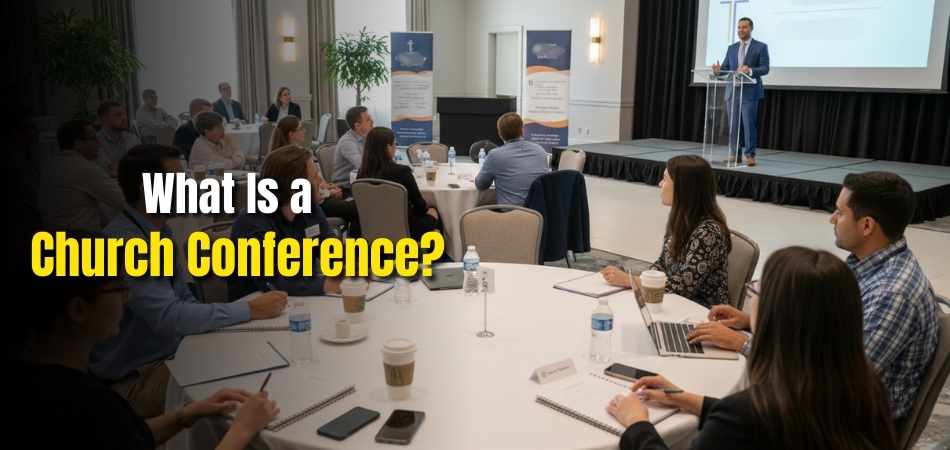
A church conference is a planned meeting connected to the work of the church. It gathers people to worship, study the Bible, and build unity in faith. Some include special sessions for leaders and volunteers. These events help members learn, pray, and serve with greater purpose.
Biblical Foundation of Church Conferences
Church conferences are not a modern idea. The Bible shows early believers meeting together to discuss faith and church matters.
In Acts 15, church leaders gathered in Jerusalem to talk about important questions facing believers. This meeting is often seen as the first church conference.
Hebrews 10:25 also encourages believers to meet together regularly for teaching and encouragement.
These examples show that gathering to pray, discuss, and decide together has always been part of church life.
Purpose Of Church Conferences
The main aim of church conferences is to encourage growth and togetherness. They strengthen faith through worship, prayer, and teaching. Leaders also use this time to share ministry updates and make key plans. It’s a moment to reflect, reconnect, and renew the church’s shared goals.
Worship And Teaching
Music, sermons, and Bible lessons form the heart of these gatherings. Each session helps people focus on God and apply His Word in daily life. Guest speakers often share messages that inspire faith and unity. Many leave with a deeper understanding and stronger connection to God.
Spiritual Renewal And Growth
Taking a break from daily routines helps people focus on their walk with God. Church conferences refresh the mind and heart through worship and fellowship. The sense of unity and renewal often continues long after the event ends. If you attend a global event like a conference in Canada, the USA, or elsewhere, and you’ll experience how such gatherings uplift and strengthen believers from all walks of life.
Training And Ministry Preparation
Many conferences include workshops that teach leadership and ministry skills. Pastors, volunteers, and youth leaders learn how to serve more effectively. Topics like communication, counseling, and teamwork are often covered. These sessions help people grow in confidence and serve their communities better.
Community And Fellowship
Church conferences bring together believers from many places and cultures. Sharing stories, meals, and worship creates strong bonds among attendees. These moments remind everyone that faith is stronger when shared. People return home encouraged and ready to spread kindness and hope.
Planning And Decision Making
Some conferences also involve church leaders discussing important plans. They review reports, set goals, and vote on future projects. This keeps the church organized and focused on its mission. It’s a time when ideas turn into clear actions for ministry.
Role In The United Methodist Church
In the United Methodist Church, the term “church conference” has a special meaning. It’s a formal meeting where members discuss church matters and make decisions. A similar meeting called a “charge conference” happens yearly to review progress. Both play a key part in guiding the church’s direction and growth.
Church conferences help believers grow stronger in faith, unity, and purpose. They combine worship, learning, and leadership under one mission. Each event brings joy, encouragement, and new understanding to those who attend.
Types of Church Conferences (Explained)
Church conferences come in many types, each serving a special purpose. Some focus on leadership and planning, while others bring people together for worship and renewal. These gatherings help churches grow stronger and stay connected. Let’s explore the main types of church conferences and what makes each one special.
Denominational Business Meetings
These meetings bring church representatives together to make key decisions. They include reports, elections, and voting on church direction and budgets. Events like the Southern Baptist Convention or the United Methodist Church conferences follow this model. Such meetings keep denominations organized and united around shared goals and future plans.
Pastors And Leaders Conferences
Ministry leaders attend these events for training, encouragement, and renewal. Sessions include preaching, workshops, and group discussions. They help pastors share ideas and find support among peers. Many leave with fresh tools, clear focus, and encouragement to keep serving their communities well.
Missions Conferences
These events inspire people to learn about and join global missions. They feature teaching, prayer, and opportunities to connect with mission groups. Attendees explore ways to serve locally or abroad. Programs like Urbana guide participants in understanding God’s work around the world.
Youth And Young-Adult Conferences
These conferences focus on faith growth for teens and young adults. Worship, music, and fun activities help them connect with their beliefs. Speakers address real-life topics that matter to younger audiences. Events like Passion Conferences draw large crowds eager to grow in faith together.
Family, Kids, And Student Ministry Conferences
These gatherings equip church staff who work with children, teens, and families. They offer ideas, workshops, and tools for teaching and community building. Events such as the Orange Conference focus on family ministry and teamwork. Attendees return with new ideas to strengthen their church programs.
Men’s And Women’s Conferences
These events bring men or women together for learning, worship, and fellowship. Programs like Promise Keepers focus on helping men grow in faith and leadership. Women’s events by Lifeway teach biblical lessons and leadership skills. Both create space for honest talks and spiritual renewal.
Revival Meetings And Camp Meetings
These meetings focus on spiritual renewal through preaching, prayer, and worship. Many are held for several days, sometimes outdoors with people camping nearby. They encourage personal faith renewal and community unity. The atmosphere is filled with singing, testimony, and deep spiritual energy.
Synods And Councils
These are formal assemblies that discuss doctrine, discipline, and church life. They usually involve bishops, clergy, and lay members offering guidance to church leaders. Catholic and Orthodox traditions often hold synods to advise their leaders. Such meetings help guide faith practice and keep church teachings aligned.
Each type of church conference has its own purpose and value. Some strengthen faith through worship, while others plan and lead the church forward. Attending or helping with these events builds unity and shared vision. Together, they keep the church active, growing, and focused on its mission.
Modern Church Conference Trends (Online, Hybrid, and Digital Tools)
Church conferences today come in many forms, mixing technology with faith-based gatherings. Whether it’s fully online, hybrid, or in-person with digital tools, each style offers unique benefits. The table below compares these modern formats to help you choose what fits your church best.
|
Category |
Online-Only Conference | Hybrid Conference | On-Site with Digital Tools |
| What It Is | Full event on the internet with live video and chat | One event for both in-person and online attendees |
In-person event that uses apps and screens to boost engagement |
|
Where It Works Best |
Great for wide reach, travel limits, and global speakers | Ideal when you want both reach and in-room energy | Best for local or regional gatherings where face-to-face time matters most |
| Core Tools | Streaming to YouTube or church platforms with chat, prayer, and “next step” prompts | Cameras and encoders for streaming, room sound, and chat moderation |
Event app for sign-ups, schedules, giving, QR check-ins, and live polls |
|
Strengths |
Biggest reach, easy replays, and lower venue costs | Combines inclusivity with in-room energy and online reach | Builds high connection, offers hallway time, and needs simple tech |
| Common Challenges | Screen fatigue, chat moderation, weaker networking | Audio balance, camera quality, and keeping both audiences engaged |
Paper sign-ups, slower feedback, and limited accessibility unless upgraded |
|
Accessibility Options |
Auto captions and live interpretation online | Captions, Q&A, and assistive listening devices for both audiences | App-based notes, caption displays, and translation headsets if available |
| What to Track | Peak viewers, average watch time, chat activity, and engagement clicks | In-room and online attendance, chat posts, Q&A, and session ratings |
Attendance count, poll votes, registrations, and no-shows |
|
Budget Tips |
Free platforms can work; add church-specific tools for prayer or follow-up | Invest in sound, cameras, and a producer; use cloud tools for Q&A |
Use low-cost registration apps and free polling to stay within budget |
Many churches are expected to continue using hybrid formats in 2026 and beyond to reach wider audiences and support flexible attendance. Each model brings its own strengths depending on your goals, budget, and audience. By picking the right setup, churches can connect better, reach more people, and create a meaningful experience for everyone involved.
Who Attends a Church Conference and Why Does It Matter?
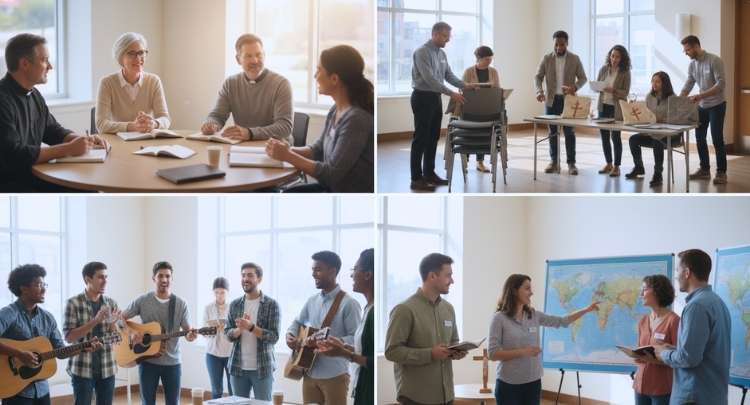
Church conferences bring people from many backgrounds together for one purpose. They come to learn, share, and strengthen their service to others. Each group plays a special role in making the event meaningful and productive. Below are the main types of attendees and the reasons they matter.
Pastors And Church Staff
Pastors and staff attend to grow as leaders and find new ideas for ministry. They take part in teaching sessions, worship, and leadership talks that build skill and confidence. These gatherings offer a chance to rest, reflect, and renew their calling. Many also learn from expert influential speakers who share stories that guide and inspire their work.
Lay Leaders And Volunteers
Lay leaders and volunteers join to improve how they serve in church roles. They learn practical ways to lead small groups, manage events, or welcome guests. Sessions help them feel more confident and supported in their tasks. Attending together as a team strengthens friendships and unity back in their home church.
Young Adults And Students
Younger attendees come to explore faith, purpose, and future direction. They join music, worship, and small sessions that speak to their life stage. The experience helps them connect with mentors who encourage spiritual and personal growth. Many return home with stronger faith and a clearer sense of calling.
Mission-Minded Attendees
Those interested in missions attend to understand global needs and opportunities. They learn about other cultures and ways to serve through local or international outreach. Listening to mission stories deepens their compassion and commitment. These events help them take real steps toward helping people across the world.
Denominational Representatives
Representatives attend as official voices for their churches during decision-making sessions. They review reports, vote on key issues, and plan for the future of their denomination. This keeps all churches aligned under one shared mission. Their choices affect how ministries work and grow in local communities.
Each group that attends brings something valuable to the event. Pastors lead, volunteers serve, students learn, and delegates guide the church’s path. Together, they form a circle of learning, faith, and shared purpose. Church conferences remain strong because every attendee adds meaning and strength to the mission.
How Long Do Church Conferences Last and What Affects the Timeline?
Church conferences come in many lengths depending on their type and purpose. Some last only a few hours, while others run for several days. The schedule depends on what the event hopes to achieve and who attends. Let’s look at how long they usually last and what shapes their timeline.
|
Format |
Common Length |
Example |
|
Local Business Meeting |
1–2 hours | Catholic diocesan listening sessions (about 90 minutes); United Methodist charge conferences (short, single sessions) |
| One-Day Training Event | 1 day |
Church and ministry training days at Ridgecrest Conference Center |
|
Weekend Conference |
2–3 days | Orange Conference (3 days); Passion Conference (Jan 1–3) |
| Denominational Annual Meeting | 3–4 days total (2 days formal business + side events) |
Southern Baptist Convention Annual Meeting |
|
Large Student Missions Conference |
3–5 days | Urbana Conference (Dec 28–Jan 1) |
| Revival or Camp Meeting | Multi-day to week-long (sometimes longer) |
Historical revivals lasting 4–5 days or weeks in earlier times |
What Affects the Timeline
The length of a church conference depends on many small details. Things like the event’s goal, audience, and format all play a big part. Even setup time, language needs, and planning months ahead can change how long it lasts. Here are the key factors that shape a conference timeline.
Purpose of the Event
The goal decides how long the conference runs. Business meetings are short since they focus on reports and voting. Training, worship, or prayer-based gatherings take longer for sessions, workshops, and reflection time.
Size and Scope
Events with more tracks, speakers, or breakout sessions naturally take longer. Larger gatherings also add networking time and side events, often turning a one-day event into two or three days.
Audience Type
Different groups need different schedules. Student and mission conferences often run several days to include study, seminars, and evening worship sessions that build connection and growth.
Event Format (Online, Hybrid, or In-Person)
Each setup affects timing. Hybrid events need extra time for audio checks, camera setup, and tech coordination to serve both live and online audiences well.
Language and Accessibility Needs
Events that include multiple languages or sign-language interpreters must plan extra minutes for team rotations and smooth transitions between sessions.
Planning Runway
The more complex the event, the more time it takes to plan. Small church meetings may need 3–6 months, while large national events often take up to a year.
Venue and Calendar Limits
Final dates and hours are frequently determined by venue availability and church schedules. Many diocesan and denominational meetings follow fixed yearly cycles or specific months for easier coordination.
How to Prepare for a Church Conference?
Preparing for a church conference takes planning, teamwork, and clear goals. When you plan early, things run smoother, and everyone feels more involved. Each step helps make the event organized and meaningful for all. Follow these simple steps to get everything ready the right way.

Step 1: Clarify The Goal And Audience
Start by setting one clear goal for your event. Decide what you want people to learn or experience. Knowing your audience helps you plan topics, speakers, and activities that match their needs. Once your goal and audience are clear, you can plan the rest with confidence.
Step 2: Choose The Right Format
Pick the setup that fits your resources and goals best. You can host the event in person, online, or in a hybrid format. For online or hybrid, plan ahead for streaming, good audio, and chat support. Testing equipment early helps avoid issues and keeps the event smooth.
Step 3: Build A Clear Budget
List every possible cost before the event starts. Include venue, food, sound systems, speakers, and materials. Set aside a small amount for unexpected expenses too. Keeping a simple and balanced budget helps your team stay on track and prevents last-minute problems.
Key Planning Areas to Focus On
When planning a church conference, some areas need extra attention.
- Venue: Choose a place that fits your audience size and has good sound and seating.
- Theme: A clear theme helps guide messages and activities. Popular themes include Faith in Action, Leadership, Renewal, and Community Service.
- Speakers: Invite speakers who connect well with your audience and topic.
- Promotion: Use church announcements, email lists, and social media to share event details early.
Focusing on these basics helps the conference feel organized and meaningful.
Step 4: Plan Registration And Check-In
Create an easy system for sign-ups and attendance. Use one tool to manage name badges, payments, and guest lists. This saves time and keeps things organized when people arrive. A smooth registration process helps everyone feel welcomed from the very start.
Step 5: Prepare Accessibility And Safety
Every guest should feel comfortable and safe during the event. Add captions for online sessions and provide translation if needed. Make a short safety plan with emergency contacts and exits. Good preparation like this shows care and keeps everyone protected.
Step 6: Focus On Smart Planning
Good preparation starts long before the event. Proper planning for a conference helps leaders arrange speakers, design programs, and make sure everyone feels involved. It also prevents stress by keeping the process simple and clear. Careful organization leads to a successful and inspiring church gathering.
When every step is handled with care, the whole event feels meaningful. Planning, budgeting, and teamwork make it easy for people to learn and connect. A well-organized church conference brings lasting joy and growth. With early preparation, your event will bless everyone who takes part.
Common Questions About Church Conferences (FAQ)
Church conferences often raise questions for those who have never attended before. People want to know how they work, who runs them, and what makes them special. This section answers common questions in an easy way to help you understand their true purpose. Read below to learn what these events mean and how they help believers grow.
How Is a Church Conference Different From a Regular Church Service?
A regular service usually happens weekly and focuses on worship and sermons. A church conference is planned for a longer time and includes teaching, prayer, and group learning. It may last one day or several days. The main goal is to help believers grow stronger together in faith and unity.
What Happens During a Church Conference?
Most church conferences include worship, Bible lessons, and training sessions. People sing, pray, and listen to messages that guide spiritual growth. Some include workshops that teach leadership and ministry skills. Every part of the event helps people learn, share, and strengthen their relationship with God.
Why Do Churches Organize Conferences?
Churches organize these events to encourage learning, unity, and renewal. They bring people together to focus on faith and community goals. Leaders also use the time to plan future programs and train volunteers. These gatherings help both individuals and the whole church grow stronger.
Who Usually Leads a Church Conference?
Pastors, guest teachers, and ministry leaders often lead the sessions. They prepare topics that fit the church’s needs and spiritual goals. Sometimes, outside guests are invited to teach special lessons. This mix of voices helps make the conference more meaningful and engaging.
How Does a Church Conference Strengthen Faith?
By focusing on prayer, worship, and teaching, people reconnect with their beliefs. Listening to sermons and sharing testimonies builds hope and trust in God. Being with others who share the same faith adds encouragement. It’s a chance to pause from daily life and renew your spirit.
Can Anyone Attend a Church Conference?
Yes, most church conferences are open to everyone who wants to grow in faith. Some may focus on special groups like youth, leaders, or families. You can attend even if you’re new to church life. Everyone is welcome to learn and be part of the experience.
Final Words
Church conferences bring people together to learn, grow, and serve with shared faith. They help believers connect through worship, prayer, and meaningful discussions. These gatherings build a stronger sense of unity and purpose within the church. Every event leaves a lasting mark on hearts and communities alike.
So, what is a church conference? It’s a planned gathering where people come to worship, learn, and strengthen their faith. It brings together pastors, members, and leaders to focus on spiritual growth, ministry training, and fellowship that supports the church’s mission.
When attending or organizing a church conference, set clear goals, prepare early, and stay open to learning. Take notes, meet new people, and reflect on what you gain. These small steps make the experience more rewarding. May your next conference bring fresh inspiration and lasting blessings.