Canada offers a strong mix of academic, business, technology, and social impact events, making it a valuable destination for Filipino professionals, researchers, and students. This guide to top conferences to attend in Canada from Philippines helps you discover where learning, networking, and global exposure come together in one journey.
From the 130th Global Conference on Business Management and Economics (GCBME) in Vancouver to Toronto Tech Week 2026 in Toronto, there are options for different goals and interests. Each event brings new ideas and real connections. Continue reading the article to explore the best conference opportunities in Canada.
Top Conferences to Attend in Canada From Philippines (Quick Chart)
Professionals seeking global networking opportunities in 2026 can explore several influential international conferences across technology, business, innovation, and leadership. The curated list below highlights major events with verified dates and locations, helping readers quickly identify top conferences worldwide suitable for global participants.
| Date | Conference Name | Location | Specialty / Focus Area |
| May 15-17, 2026 | 130th Global Conference on Business Management and Economics (GCBME) | Vancouver, Canada | Business strategy, economics research, entrepreneurship, corporate management |
| May 25–29, 2026 | Toronto Tech Week 2026 | Toronto, Canada | Technology innovation, startups, AI, venture capital, digital transformation |
| June 12-14, 2026 | 105th Global Conference on Human Resource Management (GCHRM) | Halifax, Canada | HR strategy, workforce development, talent management, organizational leadership |
| July 19–25, 2026 | 21st YMCA World Council | Toronto, Canada | Youth leadership, community development, global social initiatives |
| July 31- August 2, 2026 | 86th Global Conference on Information Technology and Computer Science (GCITCS) | Toronto, Canada | Artificial intelligence, software engineering, cybersecurity, IT systems |
| May 13–15, 2026 | CAUCE 2026 National Conference | Dalhousie University, Halifax, Nova Scotia, Canada | Continuing education, professional development, higher education leadership |
| September 18-20, 2026 | 80th Global Conference on Women in Business and Leadership (GCWBL) | Vancouver, Canada | Women leadership, entrepreneurship, gender equity in business |
| 4 – 11 July 2026 | XXV ISPRS Congress 2026 | Metro Toronto Convention Centre (MTCC), Toronto, Canada | Photogrammetry, geospatial science, remote sensing, spatial data technology |
| August 15, 2026 | Canadian Conference on Research in Education | Vancouver, British Columbia, Canada | Education research, policy development, teaching innovation |
| 01 October 2026 | International Conference on Ecosystem Services and Biodiversity-Friendly Farming | Montreal, Canada | Environmental sustainability, biodiversity conservation, sustainable agriculture |
These international conferences scheduled throughout 2026 offer valuable opportunities for professional development, global networking, and industry insights. Reviewing event dates, locations, and focus areas helps attendees plan strategically and identify conferences aligned with their career, research, and innovation goals.
Top Conferences to Attend in Canada From Philippines (Industry-Wise Checklist)
Choosing the right conference becomes easier when events are organized by their industry focus. Canada hosts a diverse range of international conferences in 2026 covering business, technology, education, environmental science, and leadership. The checklist below classifies these major conferences industry-wise, helping professionals, researchers, and international attendees quickly identify events aligned with their expertise and career goals.
Business, Economics & Leadership
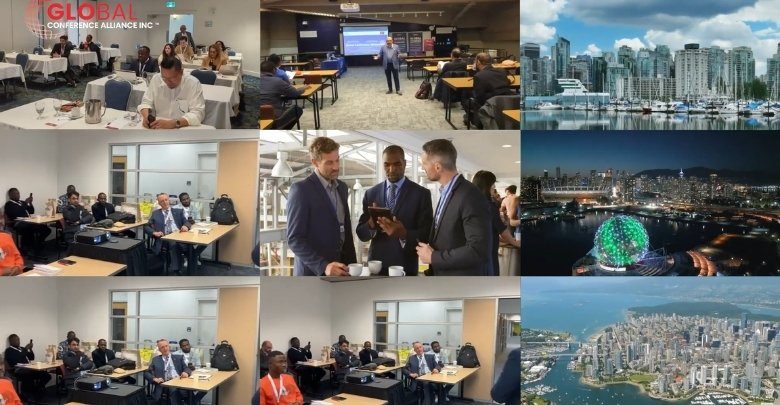
- May 15–17, 2026 — 130th Global Conference on Business Management and Economics (GCBME) — Vancouver, Canada
- September 18–20, 2026 — 80th Global Conference on Women in Business and Leadership (GCWBL) — Vancouver, Canada
Technology & Computer Science
- May 25–29, 2026 — Toronto Tech Week 2026 — Toronto, Canada
- July 31 – August 2, 2026 — 86th Global Conference on Information Technology and Computer Science (GCITCS) — Toronto, Canada
Human Resource Management
- June 12–14, 2026 — 105th Global Conference on Human Resource Management (GCHRM) — Halifax, Canada
Youth Development & Non-Profit Leadership
- July 19–24, 2026 — 21st YMCA World Council — Toronto, Canada
Higher Education & Professional Development
- May 13–15, 2026 — CAUCE 2026 National Conference — Dalhousie University, Halifax, Nova Scotia, Canada
- August 15, 2026 — Canadian Conference on Research in Education — Vancouver, British Columbia, Canada
Geospatial Science & Remote Sensing
- July 4–11, 2026 — XXV ISPRS Congress 2026 — Metro Toronto Convention Centre (MTCC), Toronto, Canada
Environmental Science & Sustainable Agriculture
- October 1, 2026 — International Conference on Ecosystem Services and Biodiversity-Friendly Farming — Montreal, Canada
Top Conferences to Attend in Canada From Philippines (In Details)
Planning to attend global academic or professional events? These conferences across Canada in 2026 bring together researchers, professionals, and innovators from around the world. Explore the list below to discover opportunities for learning, networking, and collaboration. Choose the event that fits your field and start planning early.

130th Global Conference on Business Management and Economics (GCBME)
- Date: May 15–17, 2026
- Location: Vancouver, Canada
- Focus Area: Business strategy, economics research, entrepreneurship
- Best For: Academics, business leaders, policy researchers
This conference gathers researchers, economists, and industry professionals to discuss modern business challenges and economic policy trends. Sessions typically cover entrepreneurship, strategic management, and market analysis. Professors, corporate executives, and policy experts are expected speakers. For professionals exploring the top conferences in Canada, this event offers practical discussions and international networking opportunities.
Toronto Tech Week 2026
- Date: May 25–29, 2026
- Location: Toronto, Canada
- Focus Area: Technology innovation, startups, artificial intelligence
- Best For: Tech founders, developers, investors
Toronto Tech Week is a citywide gathering of entrepreneurs, venture capitalists, engineers, and technology leaders. Talks and workshops explore AI, startup growth, digital products, and investment trends. Founders, product managers, and investors often lead sessions. Anyone building or investing in technology ventures will benefit from the discussions and networking opportunities.
105th Global Conference on Human Resource Management (GCHRM)
- Date: June 12–14, 2026
- Location: Halifax, Canada
- Focus Area: Workforce strategy, talent management, leadership
- Best For: HR professionals, organizational leaders, researchers
This event focuses on evolving workplace dynamics and talent development strategies. HR scholars, corporate HR directors, and leadership consultants usually present case studies and research findings. Discussions often include employee engagement, remote work policies, and workforce analytics. It is suitable for professionals seeking practical insights into modern human resource practices.
21st YMCA World Council
- Date: July 19–25, 2026
- Location: Toronto, Canada
- Focus Area: Youth leadership, community development, social impact
- Best For: Nonprofit leaders, youth advocates, community organizers
The YMCA World Council brings together representatives from YMCA organizations worldwide. Delegates discuss youth empowerment, community initiatives, and global development programs. Speakers typically include nonprofit leaders, social activists, and policy experts. Participants can exchange ideas, share community projects, and collaborate on programs that strengthen youth engagement and social responsibility.
86th Global Conference on Information Technology and Computer Science (GCITCS)
- Date: July 31–August 2, 2026
- Location: Toronto, Canada
- Focus Area: Artificial intelligence, cybersecurity, software engineering
- Best For: IT researchers, developers, data scientists
This conference focuses on current developments in computing and digital technology. Researchers, software engineers, and cybersecurity specialists present studies and technical innovations. Sessions may explore AI applications, data security, cloud systems, and software design. The event suits professionals who want to exchange ideas and understand emerging technologies shaping the digital economy.
CAUCE 2026 National Conference
- Date: May 13–15, 2026
- Location: Dalhousie University, Halifax, Nova Scotia, Canada
- Focus Area: Continuing education, professional learning, academic leadership
- Best For: University administrators, educators, program directors
Dalhousie University hosts this conference, which centers on continuing education and lifelong learning. It brings together university leaders, faculty, and education professionals to explore topics such as curriculum design, workforce development, and community engagement. Sessions often feature practical examples from universities across Canada, making the event especially valuable for those working in adult education and academic program development.
80th Global Conference on Women in Business and Leadership (GCWBL)
- Date: September 18–20, 2026
- Location: Vancouver, Canada
- Focus Area: Women leadership, entrepreneurship, corporate growth
- Best For: Women professionals, executives, leadership researchers
This conference examines leadership challenges and opportunities for women in business environments. Speakers typically include entrepreneurs, senior executives, and academic researchers. Sessions often address leadership strategies, business growth, and workplace equality. Participants gain insights from real leadership experiences and build networks with professionals supporting women’s advancement in business.
XXV ISPRS Congress 2026
- Date: July 4–11, 2026
- Location: Metro Toronto Convention Centre (MTCC), Toronto, Canada
- Focus Area: Photogrammetry, geospatial science, remote sensing
- Best For: Geospatial scientists, engineers, environmental researchers
The ISPRS Congress is a major international event for geospatial science professionals. Researchers and technical experts present developments in satellite imaging, spatial data analysis, and mapping technologies. Universities, government agencies, and technology companies participate in discussions. Attendees gain exposure to the latest tools used in environmental monitoring and spatial data research.
Canadian Conference on Research in Education
- Date: August 15, 2026
- Location: Vancouver, British Columbia, Canada
- Focus Area: Education research, policy development, teaching innovation
- Best For: Teachers, education researchers, policy makers
This conference highlights research related to teaching practices, educational leadership, and policy reform. Academics, school administrators, and education specialists share studies on curriculum design and learning outcomes. Discussions often explore new teaching approaches and technology in education. The event provides a platform for professionals interested in improving educational systems.
International Conference on Ecosystem Services and Biodiversity-Friendly Farming
- Date: October 1, 2026
- Location: Montreal, Canada
- Focus Area: Biodiversity conservation, sustainable agriculture
- Best For: Environmental scientists, agriculture researchers, policy experts
This conference focuses on protecting ecosystems while maintaining productive agriculture. Researchers, environmental policy experts, and agricultural scientists discuss biodiversity conservation strategies and sustainable farming practices. Case studies and research findings highlight real environmental challenges. The event suits professionals working on ecological sustainability and food system resilience.
These conferences represent diverse fields including technology, education, sustainability, and business leadership. For professionals traveling from the Philippines, they provide valuable opportunities to learn from global experts and expand international networks while exploring Canada’s growing conference landscape.
Attendee Requirements for Conferences in Canada from the Philippines
Filipinos can attend conferences in Canada as participants, presenters, exhibitors, or industry observers. International conferences in Canada are generally open to global attendees, including students, professionals, researchers, and entrepreneurs. Organizers usually focus on registration eligibility and professional relevance, not nationality.
Quick Chart
| Attendee Type | Paper Required | Typical Requirements | Common Supporting Documents |
| Student | No | Student registration category | Student ID, university letter |
| Professional | No | Company or professional affiliation | Company ID, business card |
| Researcher | Sometimes | Abstract or paper submission for presenter roles | Abstract, acceptance letter |
| Entrepreneur | No | Startup or business involvement | Business profile or registration |
| Industry Specialist | No | Relevant professional experience | Resume, company affiliation |
To participate, attendees must register for the conference and prepare the necessary travel and visa documents before entering Canada.
Eligible Attendees for Conferences in Canada
Most conferences in Canada welcome a diverse range of participants from the Philippines, including:
- University students and graduate researchers
- Academic scholars and faculty members
- Corporate professionals and industry experts
- Startup founders and entrepreneurs
- Engineers, IT specialists, healthcare workers, and consultants
Events typically provide multiple registration categories, such as general attendee, student participant, presenter, exhibitor, or sponsor, allowing participants to choose the most suitable role.
Requirements for Students, Professionals, and Researchers
Eligibility requirements may vary slightly depending on the participant category.
Students
- Valid student ID or university confirmation
- Registration under the student category
- Eligibility for discounted conference fees
Professionals
- Professional background or company affiliation
- Registration as a general attendee or industry participant
Researchers and Academics
- Abstract or research paper submission for presenter roles
- Acceptance letter or presenter confirmation if selected
Many conferences allow attendee participation without research presentations, enabling professionals and students to attend for networking and learning.
Attendance Without Research Paper Submission
Many Canadian conferences allow participation without presenting a research paper. Attendees can participate as:
- General listeners or audience members
- Workshop participants
- Networking attendees
- Industry observers
Research submissions are typically required only for presenter or academic conference tracks, while business and industry events rarely require them.
Essential Documents for Conference Attendance
Participants from the Philippines should prepare the following documents before travel:
- Valid passport (minimum six months’ validity recommended)
- Conference registration confirmation
- Invitation letter from the conference organizer (if available)
- Proof of employment, student status, or professional activity
- Canadian visa approval and travel documents
- Hotel booking and travel itinerary
Preparing these documents early helps ensure a smoother registration and visa application process.
Professional or Institutional Requirements for Some Conferences
Certain specialized conferences may require professional or institutional credentials. Examples include:
- Medical conferences requesting professional licenses
- Academic conferences requiring university affiliation
- Industry summits requesting company or startup profiles
However, most international conferences provide general attendee passes that do not require strict professional credentials.
Canada Conference Visa Requirements for Filipinos
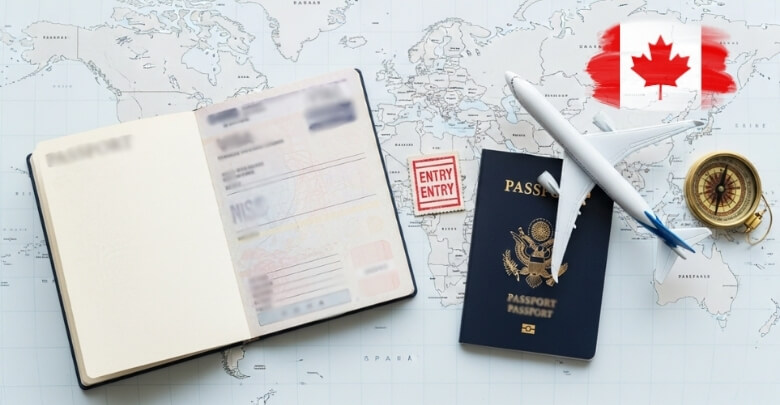
Filipinos attending conferences in Canada usually need a Temporary Resident Visa (TRV) or a Canada visitor visa. This visa allows short-term travel for conferences, seminars, workshops, and research presentations, but not employment.
Temporary Resident Visa for Conference Attendance
The TRV is the standard visa for conference travel from the Philippines to Canada. It is used for:
- Conference attendance
- Workshop participation
- Professional networking
- Research presentation
Required Documents for a Conference Visa Application
Applicants typically need:
- Valid passport
- Visa application form
- Conference registration confirmation
- Invitation letter, if available
- Travel itinerary and accommodation details
- Biometrics and passport photos
Proof of Funds and Home-Country Ties
Applicants should show that they can fund the trip and return to the Philippines. Common proof includes:
- Bank statements
- Employment certificate or business documents
- School records for students
- Family, property, or work ties in the Philippines
Biometrics, Processing Time, and Application Timeline
Most applicants must provide biometrics. Since processing can take weeks, it is best to apply two to three months before the conference.
Common Reasons for Conference Visa Refusal
Visa refusals often happen because of:
- Weak proof of funds
- Unclear travel purpose
- Limited ties to the Philippines
- Incomplete documents
Practical Steps That Improve Visa Approval Chances
Approval chances improve when applicants submit:
- Genuine conference registration
- Official invitation letter
- Clear employment, business, or student proof
- Strong financial documents
- A complete travel plan
How to Check if a Conference in Canada Is Legitimate?
Before registering for any international conference, attendees should confirm the event’s legitimacy. Unfortunately, fake conferences and predatory academic events exist, and these can lead to financial loss or visa complications.

A legitimate conference usually has clear organizers, verifiable speakers, and a transparent registration process.
Signs of a Legitimate Conference
Legitimate conferences generally include several trustworthy indicators.
These include:
- Recognized organizing institutions or associations
- A detailed event agenda with session topics
- Confirmed keynote speakers with verifiable credentials
- Clear venue information and official website
- Transparent registration and refund policies
Red Flags of Fake or Predatory Conferences
Fake conferences often display warning signs.
Examples include:
- Extremely high publication fees
- Unrealistic promises of guaranteed paper acceptance
- Lack of identifiable organizers or committees
- Poorly designed websites with incomplete information
- Emails from suspicious or free email domains
Being cautious before registering can prevent financial or professional setbacks.
Verify Organizers, Speakers, and Venue Details
Attendees should verify several aspects of the event.
Recommended steps include:
- Checking the organizer’s official website or institutional page
- Searching speaker names and confirming their affiliations
- Confirming that the listed venue actually hosts the event
- Looking for past conference editions and attendee feedback
These steps help ensure the conference is reputable.
The Ways to Check the Official Website, Email Domain, and Registration Process
A legitimate conference typically uses:
- An official domain name rather than free email services
- Secure online payment systems
- Clear registration instructions
- Transparent cancellation policies
Reviewing these factors can help identify trustworthy events.
Why Conference Legitimacy Matters for Visa Applications and Personal Safety
Immigration authorities may review conference details during visa evaluation. Attending a questionable event can weaken the credibility of the application.
Additionally, legitimate conferences provide better networking, learning opportunities, and professional credibility.
Cost Breakdown for Attending a Conference in Canada From the Philippines
Attending a conference in Canada from the Philippines involves several expenses beyond the registration fee. Proper budgeting helps participants plan their trip, avoid unexpected costs, and determine whether attending the event is financially feasible. The main costs typically include conference registration, airfare, accommodation, daily expenses, visa fees, and travel insurance.
Estimated Cost Breakdown for Conference Travel
| Expense Category | Low Estimate | Mid Estimate | High Estimate | Notes |
| Conference Registration | $100 | $400 | $1000 | Depends on event type and registration tier |
| Airfare (Philippines–Canada) | $900 | $1200 | $1600 | Lower prices with early booking |
| Accommodation (3–5 nights) | $300 | $600 | $1200 | Varies by city and hotel category |
| Food & Local Transport | $150 | $250 | $400 | Depends on personal spending habits |
| Visa, Biometrics & Insurance | $150 | $250 | $350 | Required travel-related costs |
Conference Registration Fees
Conference registration is usually the first expense. Fees vary depending on the type of conference, attendee category, and registration timing.
Typical registration categories include:
- Student registration: Usually discounted for university students
- Early-bird registration: Reduced rates for early bookings
- Standard professional registration: Common rate for industry participants
- Presenter or speaker registration: Sometimes required after paper acceptance
Smaller academic conferences may charge relatively lower fees, while large international events and technology summits can be significantly higher due to workshops, networking sessions, and keynote speakers.
Airfare From the Philippines to Canada
Flights are often the largest travel expense for conference attendees. The total airfare depends on factors such as departure city, airline, travel season, and how early the ticket is booked.
Major departure airports in the Philippines include:
- Manila (Ninoy Aquino International Airport)
- Cebu (Mactan–Cebu International Airport)
Common conference destinations in Canada include Toronto, Vancouver, Montreal, and Ottawa. Booking flights several months in advance can significantly reduce airfare costs.
Hotel and Accommodation Costs
Accommodation costs vary depending on the city and hotel category. Major conference cities like Toronto and Vancouver typically have higher hotel prices than smaller cities.
Common accommodation options include:
- Conference partner hotels near the venue
- Budget hotels or hostels
- Short-term rental apartments
- Shared accommodation with colleagues or other attendees
Choosing accommodation close to the conference venue can help reduce daily transportation expenses.
Food, Local Transportation, and Daily Expenses
Daily living costs during the conference should also be considered. These may include:
- Meals and coffee breaks
- Public transportation or ride-sharing services
- Local travel between the hotel and conference venue
- Networking events or social gatherings
Some conferences include meals or refreshments, which can reduce overall daily spending.
Visa Fees, Biometrics, Travel Insurance, and Miscellaneous Costs
Additional travel expenses may include:
- Canada visitor visa application fee
- Biometrics fee
- Travel insurance
- Currency exchange or international transaction fees
- Local SIM cards or internet access
Although these costs may appear smaller individually, they can add up during international travel.
In most cases, the total estimated cost of attending a conference in Canada from the Philippines ranges between approximately $1,600 and $4,500, depending on the type of conference and travel preferences. Careful budgeting, early registration, and advance flight booking can significantly reduce overall expenses.
Common Mistakes Filipinos Make When Choosing or Booking Conferences
Choosing the right conference in Canada requires careful planning, realistic budgeting, and proper verification. Avoiding common mistakes improves travel success, saves money, and strengthens results. Continue below.
- Registering Before Checking Event Legitimacy: Many attendees pay quickly without verifying organizers, speakers, venue details, or past editions, increasing the risk of scams, fake conferences, or low-value events.
- Underestimating Total Travel Costs: Focusing only on registration fees can lead to poor budgeting, since airfare, hotel, visa, meals, transport, and insurance often raise the total expense.
- Confusing Invitation Letters With Visa Approval: A conference invitation letter supports the purpose of travel, but Canadian visa approval still depends on finances, documents, credibility, and strong home country ties.
- Choosing A Conference That Does Not Match Career Goals: Attending an event outside your industry or objectives can reduce networking value, limit learning outcomes, and weaken the return on your conference investment.
- Missing Paper Submission or Visa Timelines: Late action can result in missed abstract deadlines, delayed visa processing, higher travel costs, and lost opportunities to attend or present professionally.
Careful research, early preparation, and goal-based conference selection help Filipinos avoid costly mistakes and make conference travel to Canada more practical, credible, and rewarding.
Frequently Asked Questions About Attending Conferences in Canada from the Philippines
Many Filipino professionals, students, and researchers still have practical questions when planning to attend conferences in Canada. The answers below address common concerns related to travel rules, participation limits, and conference logistics.
Do Filipinos Need A Work Permit To Attend Conferences In Canada?
No. Filipinos attending conferences usually travel as business visitors, which means a work permit is not required as long as they are not entering the Canadian labor market.
How Long Can Filipinos Stay In Canada For A Conference?
Conference visitors are typically allowed to stay in Canada for up to six months, although the final length of stay is determined by the border officer upon entry.
Can Filipinos Bring Family Members When Attending A Conference In Canada?
Yes. Family members can travel with the conference attendee, but each person must meet Canada’s entry requirements and apply for a separate visitor visa if required.
Can Filipinos Attend Multiple Conferences During One Visit To Canada?
Yes. As long as the visa remains valid and the activities fall within visitor status rules, attendees may participate in multiple conferences or professional events during the same trip.
Are Online Or Hybrid Canadian Conferences Available For International Participants?
Many conferences in Canada now offer hybrid or virtual participation options, allowing international participants to attend sessions online if travel is not possible.
Do Canadian Conferences Offer Certificates Of Participation?
Most professional and academic conferences provide certificates of attendance or participation, which attendees can use for professional development records, academic portfolios, or career advancement.
Are Conference Fees Refundable If A Visa Is Refused?
Refund policies vary by event organizer. Some conferences offer partial refunds or allow registration transfer, while others follow strict non-refundable registration policies.
Concluding Words
Choosing the top conferences to attend in Canada from Philippines can help you build knowledge, expand your network, and discover new career or research opportunities. The right conference can also make your travel more meaningful by combining learning with international exposure.
Whether your interest is business, technology, education, or sustainability, Canada offers valuable events across many fields in 2026. Review the options carefully, match them with your goals, and choose the conference that gives you the best professional and personal return.