People attend career conferences to learn from professionals and explore work opportunities. Students and job seekers struggle to connect with employers. By creating direct conversations, these events offer practical guidance. If you have ever wondered what is a career conference? This thought may already be in your mind as you look for clear answers.
A career conference is an event where students and job seekers meet recruiters, attend skill-building workshops, and learn about real job paths. These events help you explore industries, improve resumes, and grow your network. Career conferences matter because they offer direct access to employers and clear guidance for future job success.
Are you curious about how these events actually work and why they matter for your future? In this article, you will find every necessary detail explained step by step, from what happens during sessions to how you can prepare and benefit fully from attending a career conference.
What Is a Career Conference and Why Does It Matter?
A career conference is a place to learn about real jobs. You meet recruiters, hear talks, and join short skill workshops. These events give you direct answers about careers and hiring needs. Keep reading to see why they matter and how to prepare.
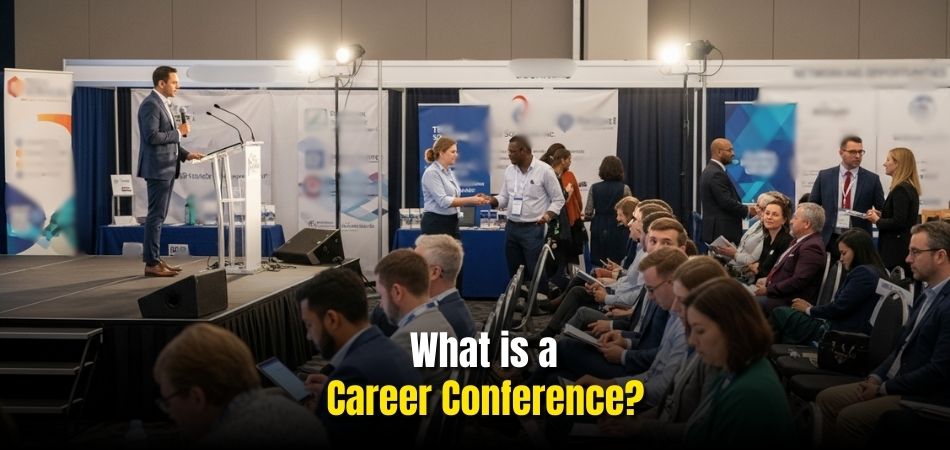
Company Booths
Recruiters often set up booths where you can ask quick questions. These chats help you learn about job roles, skills, and requirements. It is a simple way to connect with employers face-to-face. Even short talks can give you clear ideas about what companies want.
Networking Time
Conferences include time to meet people from many fields. Talking with professionals helps you build contacts and learn about industries. Meeting others in person makes future communication easier and more natural. These moments often lead to helpful advice or even future chances.
Career Sessions
Speakers share advice about skills, hiring trends, and career choices. Listening to real stories helps you understand what jobs are like. These sessions give practical tips that you can use right away. They also make it easier to see which path fits your interests.
Practical Help
Workshops often focus on resumes, interviews, and communication skills. You learn how to introduce yourself and what to bring along. Trainers share simple steps that make you feel more confident. These tips help you follow up with employers after the event.
Meeting Employers
Conferences make it easy to meet recruiters in person. A short introduction can be the start of a future opportunity. Even if you do not get hired, you gain practice. Talking with employers builds confidence and improves how you present yourself.
Learning Skills
Asking recruiters what they want helps you plan better. You can learn which skills matter most for beginners. This makes your next steps clear and focused. Preparing for upcoming conferences with these questions can guide your learning path.
Finding Opportunities
Many students discover internships or jobs through these events. Career offices often say that networking here leads to future openings. Even if results take time, the connections are valuable. Attending conferences increases your chances of finding real opportunities later.
Why It Matters
Career conferences give real information, not just guesses from online posts. Meeting employers face-to-face makes your first connection easier. You also learn what skills to build for future success. These events help you practice confidence while opening doors to new chances.
Career conferences are simple but powerful events for career growth. They help you meet recruiters, learn skills, and practice confidence. Attending them can lead to internships, jobs, or valuable contacts. If you are preparing for upcoming conferences, use these tips to make the most of them.
Who Should Attend a Career Conference?
Career conferences are open to many different groups of people. Students, graduates, and job seekers often find them very useful. Employers and career staff also attend to meet and connect. Read below to see who benefits most and decide if you should join.
Students Of All Majors And Years
Campus career events often welcome every student, no matter the major or year. These fairs give chances to meet employers, ask questions, and learn about jobs. Many schools, like James Madison University, open their career fairs to all students. Attending early helps students build skills and confidence for future job searches.
Recent Graduates And Alumni
New graduates and alumni are often invited to career conferences. Schools like USC allow graduates up to three years out to attend. The University of Nebraska Lincoln also welcomes alumni, even if they are not job hunting. These events help graduates stay connected and explore new career opportunities after leaving school.
Job Seekers And Career Changers
Anyone searching for work can benefit from career conferences. These events connect job seekers with recruiters offering internships, part-time, or full-time roles. Career changers also gain insight into new industries and meet helpful contacts. Attending can make the job search easier by offering direct access to hiring managers and company representatives.
Employers And Recruiters
Companies join career conferences to meet candidates and fill open positions. Schools like USC require employers to offer at least one paid role. MIT’s career center also highlights how employers use fairs to connect with students and postdocs. These events give recruiters a chance to find talent and promote their organizations.
Career Services And HR Professionals
Some conferences are designed for those who manage career programs. Events like NACE’s Conference + Expo bring together career educators and recruiters. These professionals share ideas, learn new practices, and build stronger hiring networks. Attending helps career staff and HR experts improve their programs and better support students and job seekers.
Career conferences bring together students, graduates, job seekers, and employers. They also support career staff and HR professionals who guide hiring. Each group gains something valuable from attending these events. If you want to grow your career, a conference is a smart place to start.
What Happens at a Career Conference? Activities You Can Expect
A career conference brings people, ideas, and jobs together. You learn, ask questions, and meet employers. Events may last a day, a weekend, or happen online. Below are common activities you will usually see at most career events.
- Check-in and welcome: You register, get a badge, collect the schedule, and hear simple rules, key times, safety notes, and themes so you know what happens next.
- Keynote talks: A main speaker shares ideas about work, skills, and change, helping you think about choices, effort, and how jobs may look in coming years.
- Panel discussions and Q&A: Several workers speak together about one topic, explain daily tasks, honest challenges, and pay, then answer questions so you understand real work life better.
- Breakout sessions: After large talks, you pick smaller rooms that focus on one skill or path, with more discussion, activities, and chances to ask direct questions.
- Workshops: Hands-on sessions guide you step by step while you practice resumes, speaking, planning, or interview basics with support, tips, and clear examples.
- Career fair or employer expo: Company booths line the room, letting you talk with staff, learn roles, share details, collect contacts, and sometimes apply for jobs or internships there.
- Company information sessions: Short company talks explain what they do, who they hire, needed skills, work culture, and simple steps to apply later with confidence.
- Resume reviews: Quick review tables offer fast feedback on your resume, pointing out fixes, strong points, missing details, and clear ways to improve it.
- Mock interviews: Practice interviews copy real questions, help you answer clearly, fix weak spots, build calm habits, and boost comfort before real meetings.
- Mentoring or 1-to-1 chats: Short private talks connect you with guides who listen, share advice, discuss goals, suggest options, and explain smart next steps.
- Networking breaks and meetups: Planned breaks create time to meet others, chat over coffee or lunch, swap ideas, and make contacts that may help later.
- Extra services: Some events add helpful extras like photo booths, skill checks, or advice desks, giving simple tools that support your career plans.
Career conferences mix learning and meeting people in one place. Go prepared, stay curious, ask questions, and follow up after. Each activity offers small steps that can guide smart choices and future plans for growth.
How Will People Network at Career Conferences in 2026?
Most modern career conferences now use event apps to help people connect. Here’s how people can do it:
Event Apps Are The Main Tool Now
Most career conferences now run on event apps like Whova, Cvent, and Brella. After you sign up, you make a simple profile with your job, skills, and goals. The app shows who is coming to the event. You can search names, jobs, or companies and find people fast. You can send a message before the event starts. This helps you break the ice early and feel ready.
One To One Meetings Are Booked Inside Apps
People no longer walk around hoping to meet the right person. The apps let you book short one to one meetings. You pick a time and send a meeting request. The other person can accept or suggest a new time. These meetings can be online or in person at the event. This makes sure you talk to people who want to talk to you.
AI Helps Match The Right People
Many apps now use AI to suggest people you should meet. The system looks at your profile, job type, skills, and goals. It then shows a list of people and companies that fit you best. You might see hiring managers, team leads, or mentors. This saves hours of random talking. You spend time with people who matter to your future.
Chat Before And After The Event
You do not need to wait for the event day to start talking. The app chat lets you send messages days before. You can say hello, ask about roles, or set up a meeting. After the event, you can keep the chat open. This helps you follow up and stay in touch. Many job talks continue after the conference ends.
Job And Company Matches Make It Easier
Some apps show job openings from companies at the event. You can tap on a company and see their roles. You can also send your profile to them. Some companies send messages to people they want to meet. This makes the job search feel simple. You talk to real employers, not just booths.
In Person Networking Is Still Important
Even with apps, people still meet face to face. The app tells you where sessions and meetups are. You can join small group talks or coffee chats. These feel more relaxed than big halls. Many good job talks happen in these small spaces. The app helps guide you there.
In 2026, networking at career conferences is fast, smart, and more focused. Event apps and AI help people meet the right people at the right time. You do not have to guess or feel lost. You walk in with a plan and real chances to grow.
Career Conference vs. Job Fair. What Is the Difference?
Career events help people plan their future and connect with the working world. Two common types are career conferences and job fairs. Even though they sound similar, they serve different purposes. The table below shows their key differences in a simple way.
| Feature | Career Conference | Job Fair |
| Main purpose | To learn about careers, skills, and industries | To meet employers and apply for jobs |
| Focus | Learning, guidance, and career planning | Hiring and recruitment |
| Activities | Talks, workshops, panel discussions, networking | Company booths, resume drop, short interviews |
| Who attends | Students, job seekers, professionals | Job seekers and hiring companies |
| Interaction style | Group sessions and open discussions | One on one talks with recruiters |
| Job offers | Rare or indirect | Common and direct |
| Time spent with employers | Short and general | Short but focused on hiring |
| Preparation needed | Interest in learning and asking questions | Resume, interview readiness |
| Best for | Exploring career options and building knowledge | Finding a job quickly |
Both events are useful, but the right choice depends on your goal. Unlike a job fair where you move booth to booth, conference attendance often focuses more on learning sessions, keynote speakers, and guided networking.
Types of Career Conferences in 2026. In-Person, Virtual, and Hybrid
In 2026, career conferences usually come in three formats: in-person, virtual, and hybrid. The main difference is where the conversations happen: face-to-face, online, or a mix of both.
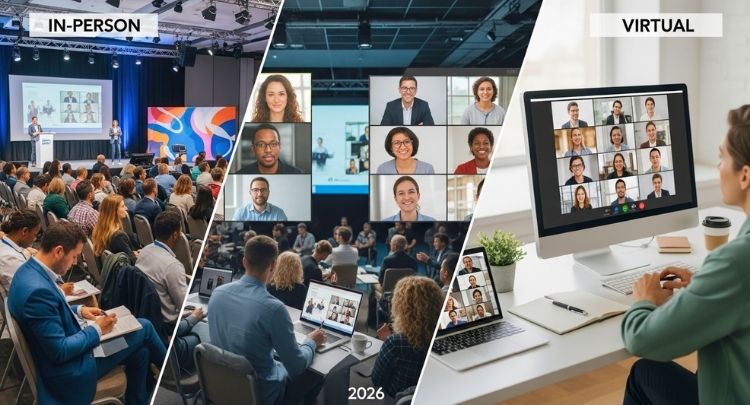
In-person Career Conferences
In-person career conferences happen at real locations where people meet face to face. These events focus on direct conversation, quick introductions, and real-time reactions. Many people like them because they feel personal and help build strong first impressions through simple, natural talks.
Career Fairs and Career Expos
At large career fairs, many employers gather in one hall with booths and signs. Visitors move freely, introduce themselves, ask about roles, and share resumes. These events help people compare companies quickly, practice short conversations, and learn what steps employers expect next after first meetings.
Industry Conferences with Hiring Areas
During industry focused conferences, learning sessions run alongside hiring spaces where recruiters wait. Attendees listen to talks, then walk to hiring lounges to meet employers. This format connects real industry topics with job discussions, helping people understand how skills match current company needs today better.
On Campus Recruiting and Interview Days
On many campuses, employers visit schools to host talks, networking evenings, and interviews. Students meet recruiters in familiar spaces, which lowers pressure and saves travel time. Some events even include same day interviews, allowing quick decisions and clearer feedback after each conversation for everyone involved.
Virtual Career Conferences
Virtual career conferences take place fully online using video and chat tools. They allow people to join from anywhere and remove the need for travel. These events work well for reaching more employers, saving time, and having structured conversations in a digital space.
Virtual Career Fairs and Digital Booths
Through virtual career fairs, online platforms recreate booths using chat and video tools. Participants click into employer rooms, send messages, or book short video calls. This setup makes it easier to meet many companies in one day without travel costs or location limits for attendees.
Online Panels and Live Webinars
In online panels and webinars, speakers share career advice and hiring tips through live video. Viewers listen, take notes, and post questions in chat boxes. These sessions offer clear guidance from professionals and allow learning from home without missing important industry discussions that matter most.
Virtual Networking and Interview Events
With virtual networking and interview events, smaller meetings happen through scheduled links. Attendees join group chats or private video rooms to talk directly with recruiters. Some platforms also support full interviews, making it possible to move forward in hiring without meeting in person at all.
Hybrid Career Conferences
Hybrid career conferences mix in-person and online formats. They give people more flexibility by offering two ways to join. This style helps include attendees who cannot travel while still keeping face to face options for those who prefer meeting employers directly.
Simultaneous Hybrid Fairs
At simultaneous hybrid fairs, organizers run in-person and online events at the same time. Employers may appear both on the floor and on screen. This approach serves local visitors and remote attendees together, giving everyone equal access to companies and open roles during one event.
Split Day or Split Week Hybrid Events
Using split day or split week formats, organizers schedule virtual sessions first and in-person meetings later. Attendees prepare online, then attend physical events with better focus. This structure reduces crowding, spreads energy across days, and improves planning for both employers and participants at larger events.
Separate Day Hybrid Fairs
For separate day hybrid fairs, virtual and in-person events run on different dates. This spacing avoids schedule conflicts and lowers stress. Employers and attendees can focus fully on each format, leading to better conversations, clearer follow-ups, and less fatigue for everyone involved over busy weeks.
Quick Way to Choose the Right Format
- Pick in-person if you want fast face-to-face talks and you can travel.
- Pick virtual if you want to reach more employers without travel, and you are comfortable with online chats and video.
- Pick hybrid if you want both options, or if some employers or attendees cannot be there in person.
How to Choose the Right Career Conference for You?
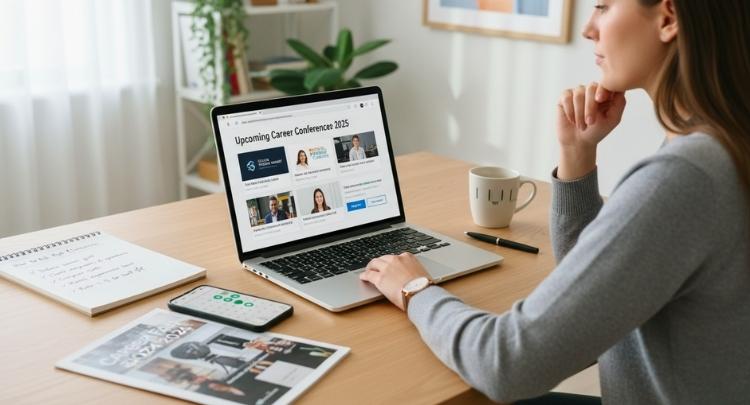
Choosing the right career conference can feel tricky at first. The key is matching your goals with what the event offers. Think about who you want to meet and what you want to learn. Keep reading for clear steps that make picking the right event simple.
Focus On Your Goal
Every conference is built with a purpose, so start with yours. Decide if you want jobs, skills, or career advice. If your main goal is unclear, the event may not help. Picking one focus makes it easier to find the right match.
Review Employers And Attendees
Check which companies or speakers will be at the event. Look for roles that fit your interests and career plans. If you can circle five to ten that matter, it’s worth it. This step saves time and ensures the event is useful.
Choose In-Person Or Online
Think about whether you prefer face-to-face or virtual meetings. In-person often allows longer talks with recruiters and more networking. Online can still work if travel costs are high. Just make sure there are real chances to interact, not only livestream talks.
Study The Schedule
Titles can be misleading, so open the agenda carefully. Look for career fairs, workshops, panels, or mentoring sessions. A clear schedule shows the event is well planned and valuable. If details are vague, that’s a warning sign to reconsider.
Match Your Level
Some events are beginner-friendly, while others are advanced. Beginners should look for resume basics or career exploration sessions. Advanced events often focus on narrow topics or technical talks. Matching your level ensures you gain the most from the experience.
Check The Costs
Think about the full cost, including ticket, travel, and time. Compare that with what you will gain, like workshops or recruiters. If the price is high but benefits are unclear, skip it. A smart cost check helps you avoid wasting money.
Use A Scoring Method
Give yourself one point for each clear “yes.” Does the event fit your goal, budget, and schedule? Are there employers or sessions you care about? If you score four or more, it’s usually a solid choice.
Know The Difference
Career fairs focus mainly on jobs and direct employer talks. Conferences are broader, with learning sessions and networking chances. If your top goal is hiring, fairs may be better. Conferences are useful if you want both learning and meeting recruiters.
Picking the right career conference is about clear goals and smart choices. Check the schedule, employers, and costs before you decide. Match the event to your level and score it honestly. With these steps, you’ll find upcoming conferences that truly fit your needs.
How to Ask Your Employer to Pay for Your Career Conference?
Many companies pay for staff to attend career and industry conferences. It is part of training and staff development.
Here is how to ask in a simple way.
Step 1: Show How It Helps the Company
Tell your manager what you will learn. Mention:
- New tools or software
- Industry updates
- Skills that improve your work
Example:
“I will attend sessions on data tools and customer trends that can help our team work better.”
Step 2: Explain What You Will Bring Back
Promise to share what you learn. You can:
- Give a short talk
- Write a short report
- Train your team
Managers like to see clear return on what they pay.
Step 3: Keep the Cost Clear
Share the price and what it covers. Many companies have training budgets for this.
Most HR departments support conference training because it improves staff skills and reduces hiring costs.
What to Bring to a Career Conference and How to Prepare?
Attending a career conference is a valuable opportunity to connect with employers, showcase your skills, and explore new career paths. To make the most of the event, preparation is key. From packing the right essentials to practicing your introduction, being organized and confident will help you stand out and leave a lasting impression.
What To Bring To A Career Conference
Before attending a career conference, it’s important to have the right items packed to make the most of your experience. Being prepared with essentials can boost your confidence and help you stay organized throughout the event.
- Extra Copies of Your Resume: Carry printed versions for different companies.
- Business Cards: Share them with recruiters for easy follow-up.
- Notebook And Pen: Write notes, questions, and next steps.
- Folder Or Portfolio: Keep resumes neat and store recruiter materials.
- List Of Employers And Questions: Stay focused and ready to ask.
- Mobile Phone: Show digital resumes or connect online later.
- Backup Clothes (Optional): Stay tidy and confident if needed.
Prepare for the Conference
Now, let’s see how you can prepare for the conference:
Research The Companies
Check the list of employers before the event. Learn about their work, values, and open roles. This shows recruiters you are serious and prepared. Knowing details helps you ask better questions and stand out. A little research makes conversations smoother and more meaningful.
Practice Your Introduction
Prepare a short message about yourself. Keep it around 30 seconds and include your name, field, and skills. Practicing helps you sound confident when meeting recruiters. A clear introduction makes a strong first impression and sets the tone for the talk.
Prepare Good Questions
Think of a few simple questions to ask recruiters. Examples include what skills they value most or what they look for in new hires. Asking questions shows respect and interest. It also helps you learn more about the company and role.
Dress Neatly And Professionally
Choose clean, simple clothes that look professional. Business casual works well if you are unsure. A collared shirt, neat pants, or a simple dress are safe choices. Dressing well shows respect and helps you feel confident during conversations.
Plan And Pack Ahead
Decide which employers you want to meet first. This helps you use time wisely and avoid missing key companies. Pack your bag the night before with resumes, cards, and other items. Being ready early reduces stress and keeps you organized.
Common Mistakes People Make at Career Conferences
Career conferences help people learn, meet employers, and find real opportunities. Many attendees make simple mistakes that reduce strong chances quickly. These errors often come from poor planning and weak focus. Read below to learn mistakes and smart fixes that help you succeed.
Planning And Research Errors
Walking in without a plan wastes time and energy fast. Research companies and sessions before arrival. Choose priorities and a simple route. A lot of people rush out the door without thinking about the essentials of conference travel, which can lead to stress, delays, or forgetting important items.
Poor First Conversations
General questions show little effort and hurt first impressions. Learn basic facts before speaking. Prepare a short self introduction. Say your role, interests, and skills clearly. Keep it under one minute. This helps recruiters remember you and makes talks feel smooth and focused for busy booths today.
Timing And Appearance Problems
Late arrival limits energy and cuts real chances. Come early when staff feel fresh. Dress neat and simple. Clean clothes matter more than style. Avoid loud items. Your look should support conversation, not distract attention from skills and answers and help others take you seriously there quickly.
One-Sided Or Rushed Talks
Talking too much breaks real connection quickly. Good talks need listening. Ask one clear question. Pause and hear answers fully. Respond based on their words. This shows respect and interest, and helps both sides learn useful details without feeling rushed or forced during busy events like conferences.
Money And Resume Missteps
Early pay questions can end talks fast. Focus first on roles and skills. Share your resume after a short chat. Explain your interest. Dropping papers without talking feels cold. Simple connection before sharing details leaves a better memory and opens chances for follow up later by email.
Follow-Up And Safety Mistakes
Forgetting follow up wastes good talks. Send a short thank you soon. Apply online if asked. Keep notes to track people. Stay alert for scams. Real employers never ask for fees or private papers during early talks. Protect your details and trust calm instincts always there too.
Small choices at conferences shape results more than luck alone. Planning, listening, and follow up build stronger outcomes for everyone. Avoid common mistakes to feel calm and prepared each time. Use the tips above to make each event count with confidence.
What To Do After a Career Conference?
A career conference gives ideas, contacts, and new thoughts about work. After it ends, many people feel unsure about what to do. Small actions taken soon can turn the event into real value. Read the steps below to make the most of your time.

Review Your Notes And Takeaways
Start by reviewing your notes and business cards while details stay fresh. Write down key points from talks you liked most. Highlight useful advice, company names, and people you met. This helps you remember who impressed you and why, making your next steps clearer and more focused.
Follow Up With New Connections
Send short follow-up messages to speakers, recruiters, or new contacts you met. Thank them for their time and mention something specific you discussed. Keep messages polite and simple. Doing this within two days shows interest and helps people remember you in a positive way later during future conversations.
Organize Contacts For Easy Access
Organize your contacts using a notebook, phone, or simple document. Group them by companies, roles, or advice given. Add short notes about each person you met. This makes it easier to reach out later and keeps your network useful, neat, and easy to manage over time properly.
Work On Skills You Identified
Think about what skills or knowledge you may need next. Look at job roles or paths that caught your interest. Search for courses, books, or online lessons related to them. Taking small learning steps builds confidence and shows effort when talking to employers later or mentors again.
Set Clear And Simple Next Goals
Set clear goals based on what you learned at the event. Decide if you will apply for jobs, request meetings, or learn new skills. Write deadlines for each task. Clear goals help you stay active, avoid delays, and turn ideas into real action over the next weeks.
Career conferences matter most when you act after they finish. Simple follow-ups and planning can shape better future work choices. Even small steps help turn ideas into useful results today. Use what you learned to move forward with clear purpose.
FAQs About What is a Career Conference?
Here are some common questions people still have after learning the basics. These FAQs clear up confusion and explain career conferences in a simple way. Each answer gives clear facts using easy words. Read them to understand career conferences better.
What Is the Main Goal of a Career Conference?
The main goal of a career conference is to share real career information. It helps people understand how jobs and industries work. You learn directly from employers and professionals. This makes career choices clearer and more realistic.
How Is a Career Conference Different From Regular Classes?
A career conference focuses on real work, not school subjects. Speakers talk about jobs, skills, and hiring needs. You hear real stories instead of theory. This helps you connect learning with real work life.
Do Career Conferences Only Focus On Jobs?
Career conferences are not only about getting hired. Many focus on learning skills and understanding industries. Some help people explore options before choosing a path. Jobs are part of it, but not the only goal.
Are Career Conferences Useful If You Are Unsure About Careers?
Yes, they help people who feel unsure. Listening to different speakers gives many ideas. You can learn what different jobs are really like. This helps reduce confusion and builds clarity over time.
Can Career Conferences Help With Confidence Building?
Career conferences help people feel more confident. Talking with professionals builds speaking skills. Asking questions becomes easier with practice. Confidence grows through small conversations and learning moments.
Do Career Conferences Provide Real Industry Information?
Yes, they give current and real industry details. Employers explain what skills matter now. You learn what companies expect today. This information is often clearer than online posts.
Are Career Conferences Only For Certain Fields?
Career conferences cover many fields and industries. Some are general and some are specific. There are events for business, science, arts, and more. You can choose based on your interest.
End Note
Career conferences bring people together to learn, connect, and grow. They offer talks, workshops, and direct meetings with recruiters, giving real insight into skills and opportunities. In short, the answer to what is a career conference? is a practical event that helps you explore careers and meet employers.
After attending, focus on following up with contacts, reviewing notes, and setting clear goals. Dress neatly, prepare questions, and stay confident during conversations. With these simple tips, you’ll make the most of each event. Best wishes for your success ahead.