
Strong conferences help people learn, share, and build real connections in simple ways. They bring rooms to life and make ideas easy to understand. Many readers feel curious about small steps that improve events, and knowing about 15 ways to make your conferences more engaging can guide them toward better results.
Engaging conferences use warm starts, short sessions, clear visuals, group chats, and simple tasks to keep people active. These methods help the room stay alert and remove long, dull moments. They also make talks easier to follow, support speakers, build stronger links, and turn each session into a friendly space where people feel ready to join in.
Would you like to know more about this topic? If so, then continue reading, because this article shares everything you need to understand and use for a lively and well-planned conference.
15 Ways to Make Your Conferences More Engaging
Good events feel warm when people take part in each moment. Simple ideas can help any room feel bright and active today. Small changes also turn long talks into fun and clear sessions. Here are some helpful ways to make your next conference more engaging.
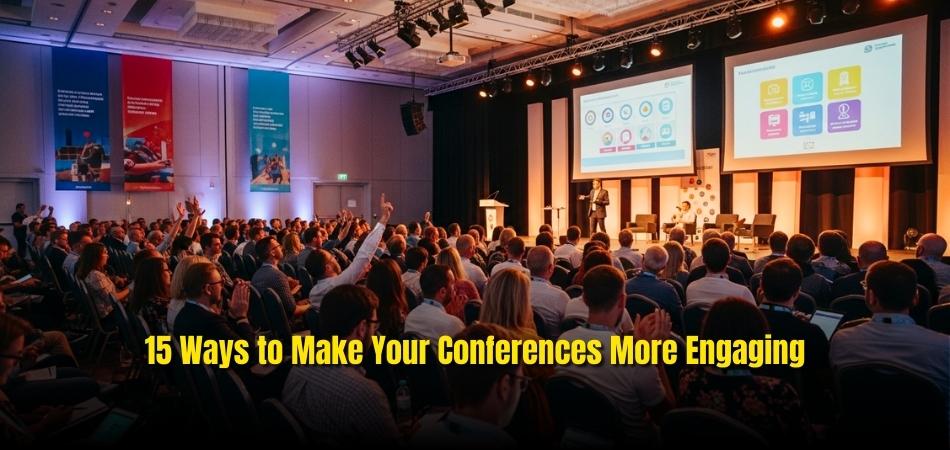
1. Start With A Warm Welcome
A warm start helps people feel relaxed and ready to join in. You can greet them at the door with simple words. Light smiles also set a friendly tone that feels safe. This helps people open up faster during the event. When people feel welcome early, they stay active through the whole day.
2. Use Short And Clear Sessions
Short sessions help people stay focused and alert. Long talks can feel slow and dull for many people. Clear breaks give space for quick chats and simple notes. This keeps the mind fresh and ready for the next part. People enjoy sessions more when they are easy to follow.
3. Add Quick Polls
Quick polls help the room feel awake and involved. People enjoy tapping a simple choice and seeing the results. It gives them a voice without long talks or long waits. Polls also guide speakers toward the needs of the group. This makes each session feel more useful and fun.
4. Allow Open Questions
Open questions help the crowd speak without fear. You can use cards, mics, or simple apps. This gives people many ways to share their thoughts. It keeps talks clear and on track with real needs. When questions are safe and easy, more people will take part.
5. Mix Different Speaking Styles
Mixing styles keeps talks fresh and full of life. You can blend short talks, panels, demos, and small chats. This stops the day from feeling flat or slow. Each format adds its own spark to the room. People stay alert when the flow feels varied and smooth.
6. Add Small Group Chats
Small group chats help people share ideas in simple ways. Many feel shy in large rooms but open in smaller ones. This makes sharing easy and less stressful for them. Good chats can lead to fresh ideas and good links. These moments also give people a voice in the event.
7. Invite Active Tasks
Active tasks help people learn by doing simple things. You can ask them to write, stand, or share short notes. These tasks break long sitting time and help reset the mind. They also make the session feel more alive. People enjoy events more when they take part often.
8. Use Clear Visuals
Clear visuals help people understand ideas without long words. Slides with clean shapes and short lines work very well. This keeps the room focused on the main point. Simple images can also make talks fun and easy. Good visuals support speakers and help the crowd follow along.
9. Share Real Stories
Real stories help people feel close to the speaker. They make ideas easy and simple to understand. A short story can show a point faster than long lines. It also keeps the room warm and ready to listen. People enjoy talks that feel honest and real.
10. Add Short Breaks
Short breaks give people time to rest and reset. A quick drink or walk helps clear the mind. This makes it easier to follow the next part of the talk. Breaks also let people meet others in a relaxed way. Events feel smoother when breaks are used in smart spots.
11. Hold Fun Icebreakers
Fun icebreakers help people relax in a simple way. These light tasks make the room feel friendly and open. They also help strangers talk without stress. Short games or easy prompts work very well. A good icebreaker sets a bright tone for the rest of the day.
12. Use Hands On Demos
Hands on demos help people learn with simple actions. This makes ideas easy to see and understand. People enjoy touching tools or watching real steps. It makes the session feel real and clear. Demos add life to talks and help keep the room alert.
13. Invite Guest Voices
Guest voices bring fresh views into the room. They add new styles, stories, and ideas. This keeps talks from feeling the same all day. People enjoy hearing from different speakers with rich insights. A mix of voices helps make the event more balanced and lively.
14. Add Space For Networking
Space for chats helps people find helpful links. Many good ideas grow from short talks with new faces. This helps people build future plans and simple bonds. A calm area with seats can support these moments and spark talks about upcoming conferences and shared interests. People remember events that help them meet useful contacts.
15. Give A Clear Closing
A good close helps people understand the event’s main value. You can share key points with simple and short words. This helps the room feel complete and calm. People walk away with a clear sense of purpose. A solid close also lifts the mood for the final moments.
Why Does Audience Engagement Matter in Conferences?
Conferences feel more alive when people take part in every session. Good engagement helps speakers share ideas in a clear and helpful way. It also helps people learn from each other during and after each talk. Read below to see why strong audience engagement makes conferences more useful.
Builds Real Connection

Stronger talks grow when people feel linked to the speaker and topic. Good engagement makes a room feel warm and open to new ideas. People feel safe to speak, ask questions, and share views. This helps each session feel active instead of dull. When this happens, the conference feels more meaningful for everyone.
Helps People Learn Better
Better learning happens when people take part instead of sitting still. Clear questions guide the talk in a helpful direction for the group. This helps everyone understand ideas in a simple way. People remember more when they talk, listen, and think together. Each session becomes a shared learning space with real value.
Makes Speakers Improve
Active crowds help speakers know when they are clear or confusing. This gives speakers simple signs that guide them during the talk. With this support, speakers adjust their pace or give better examples. They become more confident and relaxed. Good engagement helps speakers grow and offer stronger sessions.
Sparks New Ideas
Fresh thoughts rise when people react to each other in real time. A small question can lead to useful points that help the whole room. New ideas form when people share quick thoughts or simple stories. This keeps the talk lively and open. It also builds shared insight that lasts past the event.
Keeps Energy High
A lively room feels bright and easy to follow. People stay alert when they are asked to take part. Simple actions like short questions or quick polls keep the focus strong. This stops long talks from feeling slow. When energy stays high, the whole event moves in a smooth and fun way.
Supports Stronger Networking
Good engagement helps people notice others with shared interests. Short talks in sessions can start warm links for later chats. These chats often lead to helpful new contacts. People feel more open when they have already spoken in the room. Engagement helps spark lasting links that support future work.
Gives Sessions a Clear Purpose
Active crowds help shape each talk in a clear direction. When speakers hear real questions, they focus on points that matter most. This saves time and removes confusing parts. It helps every session feel useful and on track. People leave with a stronger sense of purpose and value.
Tips to Understand Your Audience Before the Conference
Knowing your audience before an event helps you connect in a better way. It makes your message clear and easy to relate to. When you understand them, every session feels more meaningful and smooth. Below are some simple ways to understand them before your conference.
- Research Their Interests: Look for common topics your audience enjoys and talks about often. Knowing their likes helps you plan sessions they will truly enjoy.
- Check Their Backgrounds: Find out what kind of work or studies they do each day. This helps you share examples that match their real experiences easily.
- Understand Their Goals: Learn what people hope to gain from the event or discussion. When you match those goals, your sessions feel more helpful and clear.
- Know Their Challenges: Ask or observe what problems your audience often faces. Solving these during the event makes your message stronger and more valued.
- Watch Social Media Clues: Online posts often show what people care about the most. Reading comments or shared posts helps you shape better ideas for them.
- Send Simple Surveys: Short forms with easy questions give useful insight into their needs. People like sharing thoughts when the process is quick and friendly.
- Study Past Events: Check what worked and what didn’t in earlier conferences. This helps you avoid mistakes and repeat the parts that people loved.
- Learn Their Communication Style: Some prefer talks, others enjoy visuals or group chats. Matching your style with theirs keeps everyone engaged and happy throughout.
Why Having an Active Moderator Makes a Big Difference at Conferences?
A good moderator helps each session feel smooth and easy to follow. They guide the talk in a clear and simple way. Their role keeps the room calm even during busy moments. Here is how an active moderator can improve the whole event.

Keeps the Session on Track
An active moderator makes sure each speaker stays within the planned time. This helps the session move at a steady and easy pace. People stay focused when there are no long delays slowing things down. Clear timing also helps the audience follow each point with ease. A smooth flow makes the session feel well planned and helpful.
Encourages More Crowd Questions
Good moderators help people feel safe to ask simple questions. This makes the room feel warm and open to real talk. Many people feel shy, but a kind voice helps them speak. Questions guide the session toward what people want to learn. When questions flow well, the whole event feels more alive.
Handles Difficult Moments Calmly
Tough moments can appear when people speak too long or off-topic. Someone skilled at moderating conference sessions can fix these parts without stress or upset. This helps everyone stay relaxed and ready to listen. Clear steps keep the talk moving in the right direction. With this steady support, the session avoids unwanted tension.
Balances Every Speaker Fairly
Some speakers may talk more while others wait quietly. A fair moderator gives each person the same chance to speak. This helps all voices shine in a simple and equal way. People enjoy sessions where everyone gets time to share ideas. Balanced time makes the talk feel clear and complete.
Helps the Audience Stay Engaged
A bright moderator makes the room feel awake and active. They use short words and warm cues to pull people in. This helps the crowd listen with interest the whole time. Their small prompts help people think and take part. With this support, each session feels lively and easy to enjoy.
Supports Clear Learning
A helpful moderator sums up key points for easy recall. They can ask simple questions that help speakers explain better. This keeps the session clear even for those who feel lost. People leave with a strong grasp of the main ideas. Clear learning makes the event feel useful and worth the time.
Creative Icebreakers to Start the Conference on the Right Note
A fun start helps people feel calm and ready to talk. Simple games can break the ice and bring smiles fast. These moments help turn a quiet room into a lively one. Read below to find creative icebreakers that make your conference start the right way.
Two Truths and a Lie
This simple game helps people learn fun facts about each other. Each person shares two true things and one that is not. The group guesses which one is the lie. It starts with laughter and helps people feel more relaxed. The game is short, easy, and full of good energy.
Human Bingo
You can hand out bingo cards with small facts or traits. People walk around finding others who match each box. It makes them talk and learn quick details about many people. This game works well for large groups. It helps everyone meet others in a fun and easy way.
Speed Meeting
Short talks help people meet many others in minutes. Two people chat for one minute and then switch seats. They share simple details like hobbies or work roles. It builds quick links and removes early shyness. This fast format keeps the energy high and the room moving.
Common Ground Challenge
Groups work together to find things they all share. They list simple facts like favorite food, pets, or sports. It helps people laugh as they find small surprises. This task brings a warm and friendly mood to the start. Simple sharing helps everyone connect without effort.
Pass the Ball
A soft ball is passed around the room for answers. Whoever catches it says their name and a fun fact. It adds movement and keeps people awake and smiling. The random toss makes it light and full of fun. This game works well to break the silence in large groups.
Picture Sharing
Ask people to show a photo on their phone that matters to them. It could be family, a trip, or a pet. Each person shares why the photo means something special. The talk becomes warm and real very fast. This helps the room fill with smiles and simple stories.
Team Puzzle Race
Groups get small puzzles or picture pieces to finish together. It builds teamwork in a fast and simple way. The task needs light focus but feels fun, not stressful. As the puzzle comes together, so does the group. This icebreaker builds strong bonds right from the start.
How to Design Interactive Workshop Sessions for Conferences?
A good workshop feels clear, simple, and easy to join. People learn better when they take part in small active steps. Simple design choices can turn any session into a lively one. Read below to see how to build interactive workshop sessions that work well.

Plan Clear Goals
Strong workshops start with clear and simple goals that guide the flow. When goals stay short and easy, people know what to expect. This helps them feel ready to take part without stress. Clear steps also keep the session on track from start to end. Good goals make each task feel useful and worth the time.
Use Hands-on Tasks
People learn faster when they do small tasks with their own hands. These tasks can be simple, like writing ideas or sorting notes. Hands-on work keeps the room active and bright. It also helps shy people join without long talks. Small tasks build trust and help the group stay alert.
Mix Group Sizes
You can shift between large groups, small circles, and pairs to keep things fresh. This helps people learn in many simple ways. Some talk better in small groups, while others enjoy larger chats. Changing the size gives everyone space to share. It also keeps the room full of movement and life.
Add Quick Checks
Short checks help you see if people understand the topic well. You can ask small questions or use tiny polls. These steps help you fix confusing parts fast. They also make people feel heard during the session. Good checks keep the workshop clear and smooth for all.
Give Simple Tools
Simple tools like cards, charts, or sticky notes help guide tasks. These items keep work easy to follow and quick to start. People enjoy using tools that feel light and fun. They help break down ideas into small steps. Good tools support learning without adding stress.
Invite Real Sharing
Real stories help people feel safe and open during the workshop. You can ask them to talk about small wins or simple problems. This builds a warm mood that helps the group grow. Sharing also helps people learn from each other in easy ways. Honest talk makes the session feel real and helpful.
How to Keep Virtual Attendees Engaged During an Online Conference?
Online events can be fun when people feel part of each moment. Keeping virtual attendees active needs simple and smart planning. Small steps help them stay focused and enjoy each talk. Here are some helpful ways to keep online audiences engaged through your virtual conference.
Start With a Warm Greeting
A cheerful start makes people feel welcome right away. Use friendly words, smiles, and light humor to set a kind tone. Let everyone know what to expect during the session. When people feel seen and heard, they listen better. A warm greeting helps build instant comfort in the virtual space.
Keep Sessions Short and Focused
Online attention fades faster than in live rooms. Short sessions with clear points keep minds active. Plan small breaks between topics to give people rest. You can also use a simple checklist for virtual conference to keep each part clear and easy to follow. Keeping it simple helps everyone stay alert and involved throughout.

Use Live Polls and Quizzes
Interactive polls or quick quizzes help people stay awake and ready. Short questions bring fun while testing their attention. People like seeing results pop up right away. It adds a sense of teamwork and connection even online. These moments make the session lively and less one-sided.
Encourage Chat Participation
Ask people to share thoughts or ideas in the chat box. Simple prompts like “What do you think?” work well. This gives everyone a voice without taking up much time. Chat replies help speakers know if the topic makes sense. It turns the event into a shared space, not a lecture.
Include Group Breakout Rooms
Small breakout rooms make big groups feel closer and more personal. People talk more freely when the crowd is smaller. Give clear goals or short tasks for each breakout. This helps keep talks focused and fun at the same time. Group rooms make learning social and friendly for all.
Bring Visual Variety
Use clean slides, short clips, or live demos to break the screen boredom. Different visuals keep people curious about what comes next. Avoid too much text or dull backgrounds. Colors, movement, and simple designs keep things fresh. A good mix of visuals adds energy to every topic.
Reward Involvement
People love small rewards for staying active online. Offer shoutouts, badges, or small prizes for quiz winners. These rewards make the session feel light and fun. They push people to join in and stay focused. Simple praise can go a long way to keep energy high.
Post-Conference Activities That Keep the Momentum Going
During a conference, the last talk should not be the last. The real value comes when people stay connected afterward. Simple follow-ups can keep that learning spirit alive longer. Here are some tips for keeping the event’s energy going after it ends.

Send a Thank You Message
A warm thank-you note shows that every attendee matters. It makes people feel seen and valued for joining. You can include a short recap and photos from the event. This keeps memories fresh in their minds. A kind message also opens the door for future talks.
Share Event Highlights
Post pictures, quotes, or clips from the sessions online. Highlights help people recall key points and share them easily. It gives those who missed the event a clear glimpse. Social media helps the fun moments travel farther. These posts remind everyone of the time spent together.
Offer Recorded Sessions
People love rewatching talks they found useful or missed. Sending recordings gives more value even after the event. You can post them on your site or share by email. This helps learning continue without time pressure. Recordings also help your event reach new viewers later.
Ask for Feedback
Simple surveys can show what people liked and what to fix. Short questions work best for fast replies. Honest feedback helps you plan better next time. People feel good when their ideas are used. It builds trust and keeps your event improving over time.
Keep the Community Active
Create online groups where attendees can chat freely. This space helps them share ideas or new projects. You can post updates or small discussions to keep it lively. These chats help people stay connected long after. A growing community makes the event last beyond one day.
Share Extra Resources
Offer slides, guides, or extra reading links after sessions end. These small gifts help people learn more on their own. They show that the event cared about real learning. Helpful tools give your event lasting value. People remember the conference that shared knowledge so openly.
Announce Future Events
Let attendees know what’s next on your calendar. It could be small meetups or your next big event. Sharing early builds excitement for the future. You can even offer early sign-up links. This step keeps your audience close and ready for more.
Highlight Top Participants
Celebrate active members who asked great questions or joined often. A small shoutout makes them feel proud and happy. It encourages others to join in next time. You can share their names in your recap post. Small praise helps people feel part of something bigger.
FAQs About 15 Ways to Make Your Conferences More Engaging
Here are some common questions people ask when they want to make their conferences more engaging. These simple answers can help you plan better sessions and build a warm space for your guests. Read through them to find easy tips that can lift your event.
How Can I Make Attendees Feel Comfortable Right Away?
You can help people feel comfortable by creating a calm and friendly space from the start. Simple signs, soft music, or light smiles can help a lot. You can also add clear directions or small welcome tables. A relaxed setting makes people feel safe to open up during the entire event.
What Is A Good Way To Build Trust Early In The Event?
Trust builds when people feel heard and respected. Start with simple greetings and short chances for everyone to speak. Avoid heavy talks at the beginning. Give them time to warm up. When trust grows early, people join more talks and share ideas without fear.
How Do I Keep A Fair Balance Between Introverts And Extroverts?
You can create balance by mixing quiet tasks with light group work. Give shy people time to think before sharing. Use short breaks for calm moments. Let louder voices talk, but guide them gently. This helps all types feel welcome and willing to join.
What Role Does Seating Layout Play In Engagement?
The way you place seats can change how people act in the room. Circles feel more open, while rows feel more formal. You can also set small clusters for quick chats. Easy seating helps people focus better. A good layout supports warm and active sessions.
How Can I Make Long Sessions Feel Less Tiring?
Break long sessions into simple steps with small tasks. Add quick breathing pauses or short stretches. Keep slides clean and easy to read. You can also ask light questions to reset attention. These small breaks keep minds fresh and ready to learn more.
What Should I Do When A Session Feels Too Quiet?
A quiet room can change with a simple prompt or a small question. You can ask people to share short thoughts in pairs. Try using light polls or funny warm-ups. Small sparks can wake the room. When people feel safe, they join more often.
How Do I Handle People Who Talk Too Much In Sessions?
Guide them kindly by thanking them and shifting to another person. You can say you want to hear more voices. Give clear time rules early. Most people understand and adjust. This keeps the session fair and smooth for all guests.
How Can I Make Transitions Between Sessions Feel Smooth?
Use simple signs or short music clips between sessions. Share a quick recap before moving on. Give people a short moment to adjust. A smooth change helps the next talk feel fresh. Good transitions keep energy steady through the entire event.
Why Should I Use Simple Language During Sessions?
Simple words help everyone understand the message fast. Hard terms slow the talk and confuse people. Clear speech builds trust and comfort. It keeps the room focused on the ideas instead of the words. Easy language makes the event more open to all.
How Can I Make People Remember More From Each Talk?
Short summaries at the end help the message stick. You can give small notes or simple tips. Ask people to share one thing they learned. These steps build stronger memory. When ideas are easy to recall, the event becomes more valuable.
Bottom Line
Great events do not happen by chance. They grow from simple choices that make people feel welcome, active, and connected. When a room feels alive, every moment becomes more meaningful for everyone there.
The ideas in 15 ways to make your conferences more engaging can help any event feel brighter and smoother. Small steps like warm greetings, short sessions, and fun tasks can turn a quiet room into a lively space. These changes help people learn, share, and enjoy the day with ease.
Use these tips to shape events people will remember with a smile. When you focus on comfort, care, and real connection, your conference becomes more than a schedule. It becomes an experience people want to return to again.