
International conferences bring people from many places together, creating a mix of ideas, voices, and cultures. To make such events successful, every part must flow smoothly, from start to finish. One key person who shapes that flow is the anchor, and that’s where many wonder how to anchor an international conference.
To anchor an international conference, one must speak clearly, stay calm, and manage the flow with confidence. The anchor should greet warmly, introduce speakers properly, and guide the sessions without confusion. Keeping the audience engaged, handling delays with patience, and ending with a polite thank you make the event memorable and professional.
Do you want to know what makes an anchor stand out on stage? Or how to handle every part of the event smoothly and confidently? Continue reading because this article covers all the key points you need to know about anchoring an international conference from start to finish.
How to Anchor an International Conference?
Speaking on stage at big events can be exciting and tricky too. When the room is full of people from different places, things can feel a bit serious. You need to be ready, stay calm, and keep the flow smooth. This guide below will help you do it the right way.
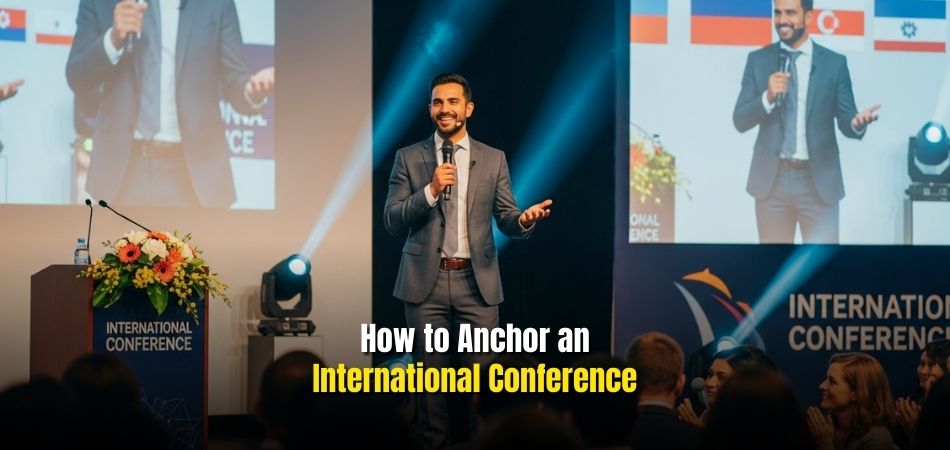
Start With a Friendly Greeting
Warm greetings help everyone feel welcome, so begin with a simple hello and a bright smile. Short words make people comfortable when they hear you speak, especially during big international events with many guests. Your voice should stay calm and steady so the crowd feels ready to listen. A smooth start sets the tone and helps the whole event begin properly.
Introduce the Event Briefly
A short event line gives the audience quick clarity, so avoid long talks during your introduction. Sharing the event name helps everyone understand the purpose and adds a simple structure to the program. You can say, for example, “Welcome to one of the leading conferences in USA focused on global learning.” Keep your words light so listeners remain focused without feeling tired early in the schedule. Clear lines guide guests and help them follow the flow better.
Mention the Chief Guests or Speakers
Important names must be spoken slowly with care so everyone hears them without confusion today. Check every detail before going on stage because mistakes can create awkward moments during formal events. Use short facts about each person so the audience understands their role and background clearly. Respectful tone and steady speaking help guests feel valued during the conference.
Keep the Audience Engaged
Energy keeps people alert, so your expressions and voice must remain lively throughout the program. Short prompts like clapping moments help the room stay active and connected with your words. Look around the hall often so everyone feels included and not ignored during longer sessions. Simple questions or small cues make the crowd respond with interest.
Guide the Program Smoothly
Your event schedule should always stay close to you so transitions remain easy and controlled. Clear cues let people understand the next part without confusion or sudden pauses disrupting the mood. Short lines keep the event moving because long explanations slow everything down unnecessarily. Calm speaking helps the entire sequence progress without stress.
Stay Calm If There’s A Delay
Unexpected delays happen often during large events, so your calm voice helps maintain order easily. Simple filler lines can comfort the audience while the team fixes any behind-the-scenes issues quickly. Smiling gently reassures everyone that the program will continue smoothly after a short moment. Keeping your tone steady stops the room from feeling restless.
Use Simple and Clear Words
Guests may speak many languages, so simple English helps everyone understand your message without stress. Clear lines remove confusion because big words make the crowd struggle during long sessions. Soft pacing also supports clear listening, so people stay with you easily from start to finish. Direct speaking keeps communication smooth during the entire event.
End the Event on a Good Note
A kind thank you helps everyone feel appreciated after spending time at the conference today. Short reminders about the program help guests recall the highlights in an easy and pleasant way. Warm closing lines guide people out gently without sounding rushed or confused near the end. Ending with a smile makes everyone leave feeling happy.
Key Qualities of a Good Conference Anchor

A good conference anchor plays a key role in keeping the event lively, organized, and engaging for everyone. Their charm, confidence, and communication skills set the tone and help maintain the flow. Below are the key qualities that make a conference anchor truly stand out.
- Strong Communication Skills: A great anchor speaks clearly and confidently, making sure everyone understands. They use the right tone and body language to connect easily.
- Quick Thinking Ability: When things go off track, they respond calmly and find quick solutions. Their ability to adapt keeps the program smooth.
- Good Sense of Humor: A touch of humor helps create a friendly atmosphere. It relaxes the audience and adds natural charm to the event.
- Confidence and Stage Presence: A confident anchor commands attention without trying too hard. Their steady voice and relaxed posture inspire trust and interest.
- Time Management Skills: They ensure every session runs on time while keeping things flexible. Their control of timing prevents delays or dull moments.
- Strong Research and Preparation: Before the event, they learn about speakers, topics, and the audience. This helps them introduce people naturally and ask good questions.
- Audience Engagement Skills: They involve the audience with questions, games, or short interactions. This keeps everyone attentive and interested throughout.
- Professional Attitude: They stay polite, calm, and respectful no matter what happens. Their professionalism keeps the event’s reputation positive and polished.
How to Prepare Before Anchoring an International Conference?
Getting ready to anchor an international conference takes more than just confidence. You need to understand the event, the speakers, and the audience. With the right plan, you can make the show run smoothly. Read below to know what to do before stepping on stage.
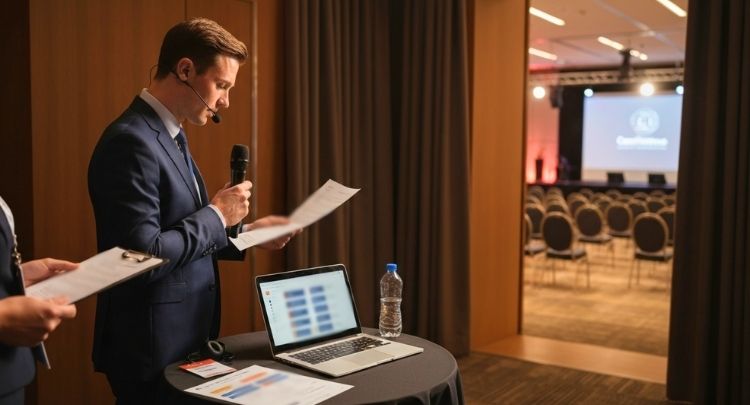
Know the Event Agenda
Before the conference, read the full agenda carefully to know the flow. Understand each session, speaker order, and break time. This helps you manage the schedule without confusion. You will feel more in control and speak with confidence on stage. Always keep a printed or digital copy nearby for quick checks.
Learn About the Speakers
Find out who the speakers are and what they’ll talk about. Read short profiles, their background, and topic details. This lets you make personal introductions that sound warm and natural. You can also prepare short questions if needed. Knowing the speakers helps you build a friendly connection on stage.
Understand the Audience Background
Learn who will attend the conference and where they are from. Knowing their culture and interests helps you use the right words. You can also plan how to keep them engaged. This makes your hosting more natural and respectful. A clear idea about the audience makes your delivery more effective.
Practice Key Parts of the Program
Practice your opening lines, transitions, and thank-you notes many times. Rehearse in front of a mirror or record yourself. This helps you improve your tone and timing. The more you practice, the more confident you’ll sound. Be ready for small changes and keep your speech flexible.
Prepare Your Notes and Script
Write down key lines and important speaker names. Keep your script short and easy to follow. Highlight cues where you need to pause or smile. This makes your delivery smooth and clear. Always keep backup copies of your script in case one is misplaced.
Check Pronunciation and Language
Learn the right pronunciation of speaker names and countries. Practice saying difficult words before the event. This shows respect and helps you sound professional. Also, use clear and simple language on stage. Avoid slang or hard words that may confuse international guests.
Stay Calm and Positive
Take deep breaths before going on stage. Think positive thoughts and smile. Remember, mistakes can happen, but staying calm fixes most of them. Focus on connecting with people, not being perfect. A relaxed mind helps you speak naturally and enjoy the moment.
Tips for Introducing Speakers and Sessions Smoothly
Introducing speakers and sessions the right way can set the tone for the whole event. It helps the audience stay interested and makes the speakers feel valued. With some smart planning, you can make each introduction sound natural and confident. Let’s look at simple tips to do it smoothly.
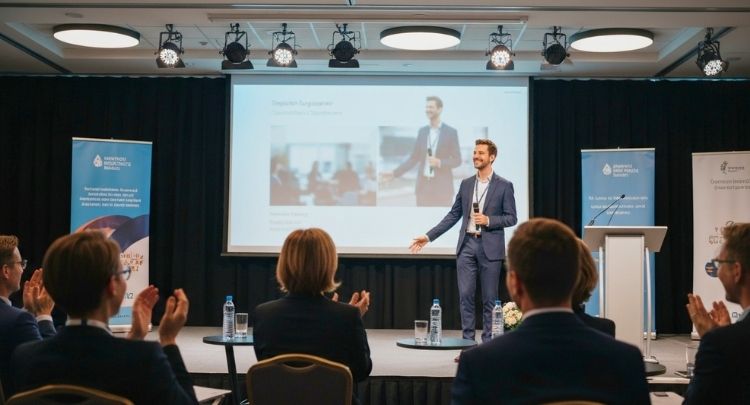
Learn About Each Speaker
Before the event, spend time learning about every speaker. Read their profiles, main work, and achievements. This helps you add a personal touch to your introduction. It also prevents mistakes while speaking. A few kind and honest words about their work make them feel appreciated.
Keep It Short and Clear
When introducing someone, keep it short and to the point. Avoid reading long bios or too many details. Focus on what the audience should know most. A clear and short intro helps maintain interest. It also gives more time for the actual session or speech.
Use a Friendly Tone
Sounds warm and welcoming when you speak. A kind tone makes the speaker feel comfortable. Avoid speaking too fast or too slow. Make your voice calm and clear. A pleasant tone helps the audience enjoy your introduction more.
Practice Before the Event
Go over your introductions many times before the event starts. Practice aloud so you can check your flow and timing. This helps you sound confident and natural. Rehearsing also reduces nervousness on stage. Always keep a short note of names and topics handy.
Pronounce Names Correctly
Make sure you say every speaker’s name the right way. Ask them before the session if you’re unsure. Correct pronunciation shows respect and care. It also helps avoid awkward moments on stage. A small effort to say it right leaves a big impression.
Link One Session to Another
Smooth transitions keep the event running without breaks while you focus on moderating and hosting conference sessions in a clear and steady way. Connect one session to the next using simple lines. For example, thank the last speaker before calling the next. It helps the audience stay focused. Proper linking makes you sound professional and well-prepared.
Show Respect and Excitement
When you speak about a speaker, you sound proud and happy. Let the audience feel your excitement. This builds curiosity for what’s next. Respectful words make speakers feel valued and confident. A little energy in your voice can make a big difference.
Stay Calm and Focused
Even if something changes, stay calm on stage. Smile and take a breath before speaking. Quick thinking helps you handle small slips. Stay focused on the next line, not the last mistake. Calmness makes your introductions sound smooth and natural.
How to Handle Time Management During the International Conference as an Anchor?
Handling time during an international conference is one of the main duties of an anchor. You must balance timing, speakers, and audience energy. Keeping everything on track makes the event look professional. Let’s look at key tips to manage time effectively on stage.
- Understand the Full Schedule: Go through the complete agenda carefully before the event starts. Knowing each session’s timing helps you manage every part with ease.
- Keep a Handy Timer: Always carry a small timer or use a watch while on stage. This helps you keep track without missing cues.
- Plan Buffer Time: Add a few spare minutes between sessions for flexibility. It helps you handle delays without stressing the audience or speakers.
- Coordinate With Organizers: Stay in touch with the event team and stage manager. Regular updates help you adjust your timing when needed.
- Control Session Openings: Start every session on time with a short and sharp introduction. It builds rhythm and sets a smooth flow for the day.
- Wrap Up Smartly: When sessions run long, close them politely but firmly. A short thank-you keeps things moving while staying respectful.
- Signal Speakers Discreetly: Use light gestures or notes to remind speakers about their remaining time. This keeps things balanced without public interruptions.
- Stay Calm During Delays: If timing goes off, stay composed and positive. Your calm attitude reassures everyone and helps bring things back on track.
Does Collaboration with the Technical Team Matter for Anchors?
Yes, it really matters for an anchor to work closely with the technical team. The tech crew handles sound, lights, screens, and stage setup. Without their help, even a skilled anchor may face small issues on stage. Good teamwork keeps everything steady and smooth for the whole event.
A strong link with the technical staff also builds comfort and trust. It helps you deal with sudden changes and small errors with ease. During practice, share your timing and cues so they can match their work with yours. They can control music, slides, or mics at the right moment. This support makes your role much easier and more relaxed.
Teamwork becomes even more helpful when the event is recorded or streamed online. Many events now use live streaming, and one of the common reasons to live stream conferences is to reach more people in real time. When you and the technical team work together, the stream runs without sudden glitches. Clear sound and smooth timing make the audience enjoy the event more. This partnership helps you look calm, ready, and confident throughout.
Common Mistakes Anchors Should Avoid at an International Conference
An anchor plays a big role in shaping the mood of an international conference. A few mistakes can make the event feel dull or disorganized. Knowing what to avoid helps you perform with confidence and professionalism. Here are some common mistakes anchors should stay away from.
- Ignoring the Event Flow: Missing the sequence of sessions creates confusion for speakers and guests. Keeping track of the program order ensures everything runs smoothly.
- Speaking Too Fast: Talking quickly makes it hard for people to follow. A calm and clear pace keeps everyone engaged and comfortable.
- Mispronouncing Names: Getting a speaker’s name wrong can feel disrespectful. Always confirm the pronunciation before introducing them on stage.
- Overusing Jokes: Too many jokes can spoil the event’s professional tone. Use light humor wisely to keep balance and respect.
- Not Watching the Clock: Poor time control can delay sessions and annoy the audience. Staying alert to timing keeps the event on schedule.
- Ignoring Technical Cues: Missing signals from the technical team cause awkward pauses. Keep eye contact with them to stay in sync.
- Lack of Preparation: Going on stage without notes or rehearsals looks unprofessional. Practicing before the event builds confidence and flow.
- Forgetting to Thank Participants: Not acknowledging speakers or guests seems rude. A short, warm thank-you leaves a positive and lasting impression.
Tips for Managing Unexpected Situations on Stage at International Conferences as an Anchor
Handling sudden moments on stage can feel scary, but you can stay calm with simple steps. Small issues happen at big events, so you must be ready. A little practice helps you act with confidence. Here is how to deal with unexpected moments with ease.
Stay Calm When Things Shift
Take a slow breath and keep your voice steady when something changes. People trust an anchor who stays calm even during small problems. Think of the next clear line you can say to keep the event moving. Use simple words that guide the audience gently. A calm mind helps you handle any sudden moment with ease.

Keep Short Backup Lines Ready
Prepare a few simple lines that fit many situations. These can help you fill time when a speaker is late or a slide fails. You can use warm and friendly words to keep the room relaxed. Short lines also help avoid long, silent moments. Planning small lines makes sudden delays less stressful.
Work Closely With The Technical Team
Talk with the tech crew before the event starts. They can guide you when lights, sound, or slides need quick changes. Watch their cues from the side of the stage. Their signals help you act at the right time. Good teamwork keeps the event smooth, even during sudden issues.
Handle Speaker Delays Gently
Use light and friendly words if a speaker is not ready. You can engage the audience with a fun fact or a short note. Avoid making anyone feel blamed or rushed. Keep the mood easy and positive. This soft tone helps the event stay warm and steady.
Manage Awkward Silence Smartly
Use a short line, a kind smile, or a simple fact to break the silence. A few calm words can fill the gap until things settle. Never rush or panic when the room gets quiet. Silence is normal and can be handled smoothly. A light tone keeps everyone relaxed.
Turn Mistakes Into Light Moments
If you slip on a word or line, smile and move on. People enjoy an honest and simple recovery. A small laugh can make the room feel friendly again. Do not overthink the mistake or repeat it. Keep your focus on the next line and continue smoothly.
Guide The Audience With Simple Cues
Give clear hints when you need the audience to wait or move. Short and direct lines work best. You can keep the energy steady by speaking gently. These cues help everyone stay in sync with the event flow. Simple guidance can prevent confusion during sudden changes.
How to End an International Conference on a Strong Note as an Anchor?
Ending an international conference in a strong way helps everyone leave with a good feeling. Your last words shape the final mood of the event. A warm and clear closing makes the whole day feel complete. Read below to learn simple ways to end the program well.

Thank All Guests and Speakers
Start by sharing kind words for the guests and speakers who joined. You can thank them for their time and support. Say it slowly so everyone feels valued. Keep your tone warm and simple. A soft and honest thank you always leaves a good final touch.
Give a Quick Event Recap
Share a short recap of what happened during the day. Mention key talks, moments, or ideas in a simple way. Keep it short so people do not feel tired. A quick recap helps everyone remember the main parts. This also adds a smooth end to the event.
Share Important Announcements
Pass any final notes that the organizers want you to share. Speak slowly so people can understand each point. These may include next steps or follow-up plans. Clear announcements prevent confusion later. Good communication at the end keeps everyone informed.
Add a Warm Closing Line
Use a short and friendly closing line to wrap up. A simple wish for safe travel or good health works well. Your tone should be calm and polite. People appreciate a gentle end after a long program. A warm line sends everyone off with a smile.
Invite Final Applause
Ask the audience for one last round of applause. This makes the room feel lively and united. It is a simple way to honor the effort of all speakers. Applause also creates a strong closing moment. The energy helps end the event on a bright note.
Mention Next Events
If there are future events planned, share the dates or details. Keep it short and clear. This helps guests stay connected with the organizers. People like knowing what comes next. A small preview builds interest in future programs.
Leave With a Confident Goodbye
Stand tall, smile, and share your final goodbye line. Speak gently and let your voice stay steady. A good goodbye shows confidence and care. It makes your role as anchor feel complete. A simple farewell can create a lasting memory.
Commonly Asked Questions
Being the anchor at an international conference can bring many questions. From how to dress to handling tricky moments, there’s a lot to think about. Below are answers to common doubts anchors often have before stepping on stage.
How Do I Build Confidence Before Going On Stage?
You can build confidence by practicing your lines many times and knowing your flow well. Standing straight, breathing slowly, and speaking calmly helps your mind stay steady. Confidence grows when you understand your event and trust your preparation. The more you prepare, the more relaxed and ready you will feel on stage.
How Can I Make My Voice Sound Clear During Long Events?
You can keep your voice clear by speaking slowly and taking small pauses. Drink water often so your throat stays fresh throughout the program. Simple words help your voice travel better in a big room. With steady pacing, your voice remains strong and easy to follow.
What Should I Wear As an Anchor at an International Conference?
Wear clean, neat clothes that match the event’s style so you look well prepared. Simple colors and comfortable outfits help you move freely and stay relaxed. Avoid anything too flashy that distracts the audience. Good clothing builds trust and makes you appear calm and confident.
How Can I Build a Connection With International Guests?
You can connect by using warm words, gentle smiles, and simple English. Respecting their culture and speaking clearly makes them feel welcome. Short, friendly lines help everyone relax during long sessions. A kind tone builds a strong bond with people from many places.
How Do I Keep My Energy High Throughout the Event?
Staying hydrated, taking small breaths, and using light body movement help you stay active. Smiling often and making eye contact boosts your energy naturally. Simple lines keep your mind alert while hosting. Staying positive helps you stay lively even during long programs.
What Should I Do if My Mic Stops Working Suddenly?
Stay calm and speak clearly until the sound team responds. Move a bit closer to the front if needed, so people hear you better. Keep your face relaxed to avoid panic in the room. The tech team will fix it fast if you stay steady.
How Can I Avoid Sounding Repetitive During the Event?
Keep short notes with alternate lines so you can change your phrases often. Use simple but different words to explain similar points. Avoid repeating the same greeting or expression each time. Small changes make your voice sound fresh and natural.
How Should I Handle a Very Quiet Audience?
Use light prompts like small questions or short clapping cues. Keep your tone warm so people feel safe to respond. Speak with gentle energy to lift the mood slowly. A quiet crowd becomes active when they feel included.
What Should I Do if Guests Start Talking During a Session?
Pause gently or speak a bit slower so they notice the program continues. Do not call them out directly because it may feel rude. Use soft tone control to regain attention. Calm guiding keeps the room respectful and focused.
How Can I Make My Final Lines Memorable?
End with warm words that thank everyone for their time. A simple wish for safety or good health makes people feel happy. Speak slowly so your message lands well. A kind closing line creates a lasting positive memory.
What Are Common Signs of a Good Anchor on Stage?
A good anchor stays calm, speaks clearly, and smiles often. They follow the schedule without rushing and respond well to changes. Their body language stays open and confident. Most importantly, they make the audience and speakers feel comfortable throughout the event.
Last words
Hosting an international conference is a big task, but with the right skills, it becomes a great experience. A good anchor knows how to keep the audience involved, speakers comfortable, and the event smooth. These small details make the whole program look polished and professional.
Knowing how to anchor an international conference helps you stand out and gain respect on stage. It teaches you timing, tone, and teamwork, which are key to success. When you plan, practice, and stay calm, even a large crowd feels easy to handle. Confidence grows when you prepare well and enjoy every moment.
Every event is a chance to connect and make people remember your words. Your voice, smile, and energy can inspire hundreds. Keep learning, stay humble, and give your best at every show. A strong anchor doesn’t just speak—they make every minute on stage count.