
Moderating a conference session is both an art and a responsibility. It’s about setting the right tone, keeping the discussion on track, and making sure every voice is heard. Many people wonder how to handle this role smoothly and confidently, which leads to thinking about the best practices for moderating conference sessions.
To moderate a conference session well, know your topic, prepare with panelists, set a clear structure, and manage time wisely. Use open questions, involve all speakers, and keep the audience engaged. End with key takeaways to leave a lasting impact and make the session smooth and memorable.
If you’re curious about mastering this role, you’ll find everything you need right here. This article covers simple steps, useful tips, and real ways to moderate with confidence. Keep reading to understand how to make every conference session run smoothly and leave a lasting impact.
Best Practices for Moderating Conference Sessions
Moderating a session can make or break a conference experience. It takes planning, timing, and the right energy to keep things smooth. A good moderator makes sure every speaker feels heard and every audience member stays engaged. Let’s look at how you can lead a great session like a pro.
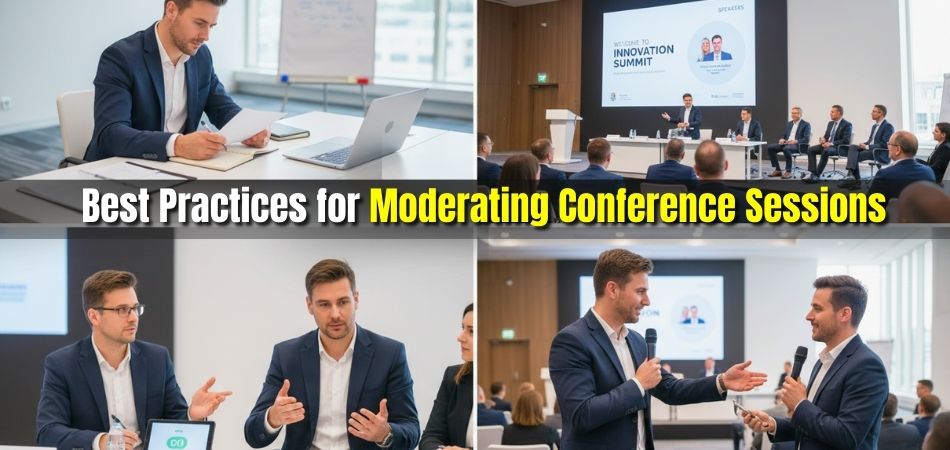
Know Your Topic and Panelists
Before the event, spend time learning about the topic and the speakers. Read their past work, watch their talks, and understand what makes their views special. This helps you guide the talk better and ask sharper questions. When you know the topic well, you can also handle unexpected turns easily.
Set Clear Goals and Structure
Start by knowing what the event organizers want from the session. Check how your panel fits into the theme of the upcoming conferences to plan your questions better. Create a simple flow that includes an intro, main talk, and wrap-up. This helps the session stay focused and makes it easy for everyone to follow.
Work With Your Panelists
Reach out to your speakers before the day. Talk about how the session will go and what you’ll ask them. This helps them feel relaxed and ready. You can also share your key points so there are no surprises during the event. A short pre-session call makes a big difference.
Keep the Session Engaging
Start the session on time and introduce everyone clearly. Make sure your voice is warm and friendly to set the tone. Ask open questions that invite discussion instead of short answers. Try to involve everyone by giving equal time and drawing quieter speakers into the chat.
Manage Time and Audience Interaction
Watch the clock without rushing the talk. Give gentle reminders if someone speaks too long. When it’s time for audience Q&A, handle it with energy and fairness. Let different voices share their thoughts. You can even use short polls or ask the crowd to vote on a point to keep it fun.
End With Impact
Finish with a simple wrap-up or a key takeaway from the panel. Ask each speaker to share one final idea or tip. Thank them and the audience for their time and insights. Before closing, remind everyone where to find more info or recordings after the event.
Moderating is not just about asking questions but also about guiding a great conversation. With some planning, warmth, and time sense, you can lead an enjoyable and useful session. Try these tips when you moderate at any of the upcoming conferences to make it memorable for everyone.
What Is the Role of a Conference Session Moderator?
A moderator plays a big part in making any conference run smoothly. They help the session stay on track and keep everyone focused on the topic. They also make sure each speaker gets their time to share ideas clearly. Keep reading to learn what moderators really do during a conference.
Introducing the Speakers

One of the first things moderators do is welcome everyone to the session. They give short introductions for each speaker, sharing a few key details about them. This helps the audience understand who is speaking and why their topic matters. A warm and friendly start sets the right tone for the rest of the session.
Managing the Time
Keeping track of time is another big job for a moderator. They make sure each speaker stays within their given slot so that no one runs over. They also remind speakers politely if time is almost up. This helps the session stay smooth and prevents delays for other speakers.
Guiding the Discussion
After all speakers finish, moderators often guide the discussion or Q&A. They may ask clear and short questions to keep the talk moving. This helps link different ideas together and keeps the audience focused. A good moderator listens well and keeps the talk balanced for everyone.
Keeping the Audience Engaged
A lively session depends on how well the moderator connects with the audience. They may invite people to ask questions or share short comments. A skilled moderator not only manages speakers and timing but also focuses on interaction and energy, using different ways to make conferences more engaging for the audience. This helps people feel involved instead of just listening quietly.
Handling Problems Calmly
Sometimes, things go wrong, like a late speaker or a tech issue. Moderators stay calm and handle the situation smoothly. They might fill the time with quick audience questions or brief updates. Staying relaxed helps the audience stay patient and keeps the event running without stress.
Moderators make a big difference in how well a conference runs. They manage time, guide talks, and help both speakers and the audience enjoy the session. Their calm and friendly style helps everyone stay focused and interested. With the right moderator, every session can feel smooth and engaging from start to end.
How to Prepare Before Moderating a Conference Session?
Getting ready to moderate a session takes focus and planning. You need to know your speakers, understand the topics, and manage time well. Good preparation helps you guide the talk in a smooth way. Read below to learn how to get ready and do it with confidence.
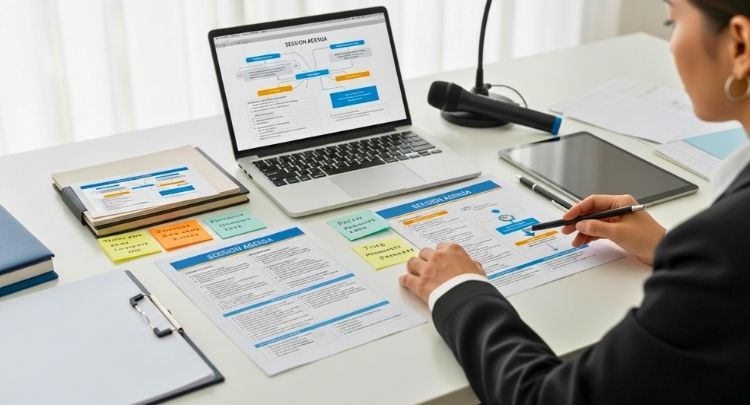
Learn About the Speakers
Start by learning about each speaker before the event. Check their background, work, and speaking style. Knowing this helps you introduce them properly and connect their ideas during the session. It also makes it easier to ask the right questions and keep the audience interested.
Study the Session Topics
Take time to understand what each topic is about. Read short summaries, reports, or news related to the theme. This helps you follow the discussion without getting lost. When you know the topics well, you can guide speakers better and keep the talk focused on the main points.
Prepare Key Questions
Write a few key questions for every speaker. Make them short and open so speakers can share their best thoughts. Keep some backup questions ready in case you need to fill time. Preparation includes studying the agenda, understanding each speaker’s topic, and practicing effective conference anchoring techniques to open and close sessions with confidence.
Plan the Session Timing
Plan how long each part should take. Divide time for introductions, talks, and audience questions. Make sure no one goes over time and that every speaker gets a fair chance. Having a time plan helps you keep the session smooth and organized.
Practice Before the Event
Practice how you will welcome the audience and speakers. Go through your notes, questions, and closing lines. Rehearsing helps you speak clearly and with confidence. Try to sound calm and friendly, so everyone feels comfortable during the session.
Being a good moderator takes both preparation and practice. When you plan ahead, you can handle the session smoothly. Remember to listen, stay alert, and guide the talk clearly. With the right steps, you can make every session more lively and enjoyable.
How to Manage Time During Conference Sessions?
Managing time during conference sessions helps everything run smoothly. It keeps speakers focused and gives each topic enough attention. Without a good plan, sessions can quickly go off track. Let’s look at some easy ways to keep things on time and on point during any conference.
Plan The Session Schedule
Start by creating a clear schedule before the session begins. List each speaker, their topic, and time limits. Add short breaks between talks to avoid overlap. Share this plan with everyone in advance so they can prepare and stay aware of timing.

Use A Timekeeper
Appoint someone to watch the clock during the session. This person can give gentle signals to speakers when time is nearly up. Using color cards or a timer helps make it simple. A timekeeper ensures that no one speaker takes more than their share.
Keep Q&A Short And Clear
Limit questions to two or three after each talk. Tell the audience to keep questions short and focused. If there are more questions, invite people to ask during breaks or online later. This keeps the session on schedule without cutting important parts.
Handle Delays Calmly
If a speaker goes over time or a delay happens, stay calm. Politely remind them of the time left and move to the next speaker if needed. Avoid rushing other speakers to catch up. A steady tone helps the session continue smoothly.
End With A Quick Wrap-Up
Reserve a few minutes at the end for a short summary. Thank speakers, highlight key points, and share what’s coming next. Ending on time leaves a good impression and keeps the whole conference flow on track.
Good time control helps every session feel well-organized and smooth. When everyone knows their role, the event runs without stress. A little planning and polite reminders go a long way. Use these simple tips to make your next conference session feel easy and on time.
Tips for Moderating Panel Discussions Smoothly
Moderating a panel can be fun and tricky at the same time. You need to manage time, balance voices, and keep things lively. Here are some simple and practical tips to help you run it smoothly.
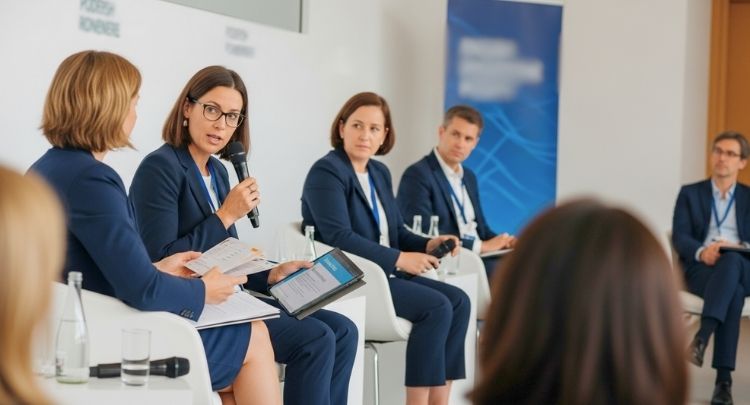
- Balance speaking time: Give every panelist a fair chance to share. Watch for anyone talking too long and kindly shift the focus to others when needed to keep things fair.
- Handle disagreements calmly: Stay polite and neutral when opinions clash. Let each speaker express their view, then gently guide the talk back to the main topic.
- Keep the flow steady: Use follow-up questions that connect one speaker’s thought to another’s. This keeps the talk smooth and helps avoid awkward pauses or off-topic moments.
- Prepare clear questions: Make short and open-ended questions before the event. It helps speakers give thoughtful answers without going too deep or dragging too long.
- Stay alert and listen: Pay close attention to every answer. Pick up interesting ideas or emotions and use them to ask short, smart follow-up questions.
- Manage the audience well: Let the audience join in with short, clear questions. Make sure their input adds value and does not turn into a long debate.
- End on a strong note: Wrap up by highlighting the main ideas shared. Thank everyone for joining and leave them with something meaningful to remember.
Good moderation is about fairness, focus, and flow. When you listen carefully, stay calm, and keep things balanced, you create a session where everyone feels heard and the audience stays interested.
Frequently Asked Questions
Every moderator wants their session to feel smooth, lively, and useful. Even with planning, there are many small details that make a big difference. These common questions cover what moderators often wonder about before, during, and after a session. Read the answers below to learn helpful tips for confident and effective moderating.
How Can a Moderator Create a Positive First Impression?
The first few minutes of a session set the whole tone. Greet everyone with a warm smile and speak clearly to grab attention. Show energy and interest in the topic to make people feel excited. A friendly and confident start helps both the audience and speakers relax and stay engaged.
What Should a Moderator Do If a Speaker Cancels at the Last Minute?
If a speaker cancels, stay calm and flexible. You can fill the time with a short group discussion, a Q&A, or ask other panelists to share extra thoughts. Let the audience know politely about the change without going into detail. A quick adjustment keeps the event running smoothly.
How Can a Moderator Encourage Shy Speakers to Participate?
Some speakers may feel nervous or speak less during a session. Try asking them direct but simple questions to draw them in. Smile, nod, and give them short moments to think before answering. Your friendly tone helps them feel supported and confident to share their views.
What Is the Best Way to Handle a Talkative Speaker?
If a speaker talks too long, thank them warmly and guide the focus to the next point. You can say something like, “That’s a great point, let’s hear what others think.” Stay polite but firm to keep things balanced. This keeps the discussion fair and gives everyone time to speak.
How Can a Moderator Keep the Audience Interested Throughout?
Use small breaks, polls, or fun short questions to refresh the audience. Invite them to ask quick questions or share short opinions. Keep your voice lively and your body language open. When people feel included, they stay alert and enjoy the session more.
What Should a Moderator Do When Technical Issues Happen?
If slides or microphones fail, don’t panic. Keep talking to the audience and fill the time with simple questions or light comments about the topic. Stay calm and let the tech team fix it quietly. Your relaxed attitude helps the audience stay patient and positive.
How Can a Moderator End the Session Strongly?
Finish by thanking all speakers and summarizing key ideas shared. Add one short takeaway that the audience can remember easily. A clear and friendly ending leaves a lasting good impression. Make sure to end on time to respect everyone’s schedule.
How Should a Moderator Handle an Argument Between Speakers?
If speakers disagree, let each finish their point without interruption. Then, calmly guide the focus back to shared ideas or the main theme. Avoid taking sides or showing bias. Handling tension with respect shows your leadership and keeps the talk respectful.
Last Words
A great moderator makes every session flow smoothly with planning, timing, and balance. They connect speakers, guide discussions, and keep the audience engaged with ease. When done right, it builds value and energy in every talk, showing the true best practices for moderating conference sessions.
Before stepping on stage, review your notes, stay calm, and keep your tone warm. Listen carefully, manage time well, and keep discussions light yet focused. Be confident, kind, and clear in your role. Wishing you success in your next conference session as a skilled moderator.