
Civil engineering has always been at the heart of progress, shaping cities, roads, and sustainable environments that define modern life. Every breakthrough starts with research that solves real challenges and opens the door to smarter infrastructure and innovation for future generations.
The best civil engineering research topics are those that connect science, technology, and environmental responsibility. They address practical problems like climate-resilient structures, efficient transportation systems, and smart construction techniques. Choosing the right topic can help students and professionals create research that truly impacts global development.
If you’re ready to explore ideas that inspire change and innovation, this guide will help you uncover the most relevant and practical research directions in civil engineering today. Keep reading to discover where your next great idea could begin.
Best Civil Engineering Research Topics
Civil engineering shapes the backbone of global infrastructure, sustainability, and innovation. From green materials to resilient urban planning, it continues to redefine how societies grow. Selecting a meaningful topic helps students and researchers make lasting contributions to the field. Let’s explore some inspiring directions guiding civil engineering research today.

Sustainable Urban Infrastructure
This area focuses on designing greener cities that balance population growth with environmental responsibility. Research covers renewable construction materials, efficient energy systems, and water recycling in urban spaces. By studying sustainable urban infrastructure, engineers contribute to climate-friendly solutions and long-term city resilience that benefits both people and the planet.
Advanced Construction Materials
Exploring cutting-edge materials like self-healing concrete and fiber-reinforced composites helps engineers enhance strength and durability in construction. These materials extend structural life, reduce maintenance costs, and improve sustainability. Research in this field continues to open opportunities for creating safer and more adaptable buildings and infrastructure projects worldwide.
Transportation System Optimization
The future of mobility lies in smarter and cleaner transportation solutions. Research explores traffic management systems, electric vehicle integration, and sustainable highway designs. By engaging with global initiatives and attending conference in Mexico and other regions, researchers gain insights into real-world transportation challenges and innovative solutions shaping modern cities.
Water Resource Management and Flood Control
This topic addresses global water challenges through advanced hydrological modeling, drainage systems, and sustainable flood prevention. Researchers aim to balance environmental protection with infrastructure safety, ensuring communities remain secure during climate-related disasters. Effective management of water resources promotes sustainability, resilience, and equitable access to one of Earth’s most vital assets.
Geotechnical Innovations
Research in geotechnical engineering focuses on improving soil stabilization, foundation systems, and earthquake-resistant structures. By developing stronger, more adaptive materials and testing methods, engineers can ensure construction safety even in unstable conditions. This field plays a crucial role in creating resilient cities capable of withstanding natural and environmental challenges.
Smart Construction Technology
Digital transformation is reshaping how civil projects are planned and executed. From Building Information Modeling (BIM) to automation and AI-based monitoring tools, smart construction promotes accuracy, cost-efficiency, and sustainability. Research in this area prepares engineers for a future where technology and design work seamlessly together for better results.
Civil engineering continues to drive progress through innovative research and sustainable development. Each of these topics offers valuable opportunities to create solutions for a changing world.
What Makes a Civil Engineering Research Topic Truly Worth Exploring?
Choosing the right research topic is the foundation of a successful study. A well-chosen topic reflects current issues, offers innovation, and creates real-world value. Understanding what makes a topic meaningful helps researchers stay relevant and impactful. Let’s explore the key factors that make a topic worth studying.
Relevance to Current Challenges

A strong research topic addresses real and timely issues within the civil engineering field. Whether it’s sustainable construction, flood management, or urban growth, relevance ensures your study adds value. Topics linked to global trends attract attention and contribute directly to advancing industry and society.
Innovation and Original Thinking
Innovation gives your research a unique edge. By exploring new materials, smart designs, or eco-efficient methods, you introduce ideas that push boundaries. Creative problem-solving and experimental approaches help fill knowledge gaps and inspire future developments in the field of civil engineering.
Practical Application
A topic that connects theory with practical use always stands out. Practical research often influences building codes, policy decisions, and industrial processes. Selecting topics that can be applied to real projects ensures your findings have lasting importance beyond academic recognition.
Availability of Data and Resources
Feasible research depends on accessible data and tools. Choosing a topic with measurable parameters, available research materials, and testable outcomes helps maintain accuracy and reliability. Limited data access can restrict your progress, so identifying realistic, data-supported subjects is crucial for success.
Professional Engagement and Collaboration
Attending industry events helps researchers expand their knowledge and network with experts. The importance of attending civil engineering conferences lies in gaining exposure to current innovations, project case studies, and collaboration opportunities. Such experiences often inspire new topics and refine the direction of ongoing research.
A valuable research topic blends relevance, creativity, and practical application. It encourages collaboration and contributes to sustainable engineering progress. When selected thoughtfully, a topic not only supports your academic goals but also makes a tangible difference in shaping the future of infrastructure and design.
How to Choose the Right Research Area in Civil Engineering?
Selecting the right research area helps you stay motivated, produce relevant work, and build a strong professional foundation. It’s not just about personal interest but also about addressing real-world engineering needs. Let’s look at how to identify an area that fits your goals and expertise.

Assess Your Interests and Strengths
Start by identifying what excites you most within civil engineering. Whether it’s sustainable infrastructure, structural design, or transportation systems, choosing a field aligned with your passion keeps you engaged. When your interests match your skills, research becomes more meaningful and easier to sustain over time.
Analyze Emerging Industry Demands
Pay attention to the latest industry developments and challenges. Areas like green building, smart transportation, and climate-resilient structures are gaining importance worldwide. Exploring these growing sectors ensures your research stays valuable and relevant, preparing you for future opportunities in both academia and professional practice.
Review Data and Feasibility
Before finalizing a topic, evaluate the availability of reliable data, research tools, and the time required. A feasible research plan helps avoid unnecessary roadblocks. Focus on topics where resources are accessible, measurable outcomes are possible, and results can lead to meaningful contributions within the civil engineering field.
Seek Guidance and Collaboration
Consulting mentors, professors, or industry experts can provide clarity and direction. Their feedback often uncovers new perspectives or research angles you may have missed. Collaborating with professionals or joining ongoing projects helps refine your ideas and align them with practical engineering challenges.
Choosing a research area is about balancing curiosity, feasibility, and future relevance. Align your academic focus with ongoing industry innovation to enhance both employability and long-term impact. A well-chosen area ensures your efforts translate into knowledge that benefits the engineering community and society as a whole.
Smart and Sustainable Construction Practices for Future Cities
Sustainability is becoming a defining factor in modern construction. Today’s cities aim to reduce waste, conserve resources, and enhance resilience through smarter design approaches. Let’s explore key research areas driving sustainable construction practices that will shape urban development in the coming years.
- Green Building Materials: Focus on renewable materials like bamboo, recycled steel, and low-emission concrete. These innovations reduce carbon output while maintaining structural strength and long-term durability.
- Energy-Efficient Building Design: Explore passive cooling systems, solar integration, and optimized insulation. Research in this field reduces energy use, promotes efficiency, and supports climate-responsive architectural design for growing cities.
- Low-Carbon Concrete Solutions: Study cement alternatives using fly ash, slag, or bio-based additives. These sustainable mixtures lower carbon emissions and provide durable, environmentally responsible options for large-scale construction projects.
- Modular and Prefabricated Construction: Investigate off-site construction methods that reduce waste, cost, and building time. Prefabrication also improves safety and allows efficient resource management in dense urban environments.
- Urban Resilience and Adaptation: Research focuses on designing infrastructure that withstands floods, heatwaves, and other climate challenges. This includes flood-resilient roads, stormwater systems, and adaptable housing strategies for vulnerable regions.
- Lifecycle Cost Optimization: Analyze the total environmental and financial impact of materials from production to demolition. This approach supports long-term savings while ensuring resource-efficient and eco-conscious urban planning.
Sustainable construction represents the future of civil engineering. By combining innovative materials, smart designs, and efficient processes, researchers can create cities that are not only modern but also environmentally responsible, resilient, and equipped to meet the demands of future generations.
Emerging Trends in Transportation and Highway Engineering
Transportation engineering is evolving rapidly as cities focus on smarter, safer, and cleaner mobility solutions. Research now combines technology, data analytics, and sustainable design to improve efficiency and accessibility. Let’s explore key areas that define the future of transportation systems worldwide.

- Smart Mobility and Intelligent Transport Systems: Studies focus on integrating real-time traffic data, automated signaling, and connected vehicles. These innovations aim to enhance traffic flow, reduce congestion, and improve overall road safety in urban and regional networks.
- Electric Vehicle Infrastructure: Research on EV charging stations, battery swapping systems, and grid integration supports sustainable mobility. Engineers are developing models to expand charging accessibility while reducing pressure on existing energy networks.
- Traffic Flow Modeling and Simulation: Advanced simulation tools help predict and manage congestion under varying conditions. By analyzing patterns, engineers can design optimized routes and improve the performance of urban road systems.
- Public Transit Optimization: This area examines smart ticketing, efficient route planning, and eco-friendly buses or rail systems. The goal is to enhance commuter experience and promote reliable, low-carbon public transportation options.
- Sustainable Highway Materials: Innovative research explores recycled asphalt, permeable pavements, and solar-powered roads. These materials increase durability, minimize maintenance, and lower carbon emissions in highway construction and maintenance.
- Global Collaboration and Research Exposure: By discovering civil engineering conferences in Mexico, researchers can explore real-world projects, regional infrastructure challenges, and highway innovations that inspire new studies and global cooperation in transportation advancements.
Transportation and highway engineering continue to advance through a combination of innovation, sustainability, and data-driven solutions. These research areas not only redefine mobility but also contribute to building smarter, more connected cities prepared for future urban demands.
How Digital Tools and AI Are Transforming Civil Engineering Studies?
Technology is changing how civil engineering research is planned, executed, and analyzed. Digital tools and AI systems allow engineers to model, predict, and improve construction processes with precision. Let’s explore how these advancements are transforming academic research and professional practice in this field.
Digital Twins for Real-Time Project Insights
Digital twin technology creates virtual replicas of physical structures, enabling engineers to monitor performance and simulate changes. This approach allows real-time analysis of bridges, buildings, and roads, improving decision-making and reducing risks throughout the construction and maintenance stages.
Building Information Modeling (BIM)
BIM integrates design, planning, and project management into a single digital framework. It helps visualize complex structures, identify potential conflicts before construction begins, and streamline collaboration among architects, engineers, and contractors, resulting in reduced costs and improved efficiency.
AI and Predictive Maintenance
Artificial intelligence supports predictive analysis by identifying structural weaknesses before failures occur. Through pattern recognition and data modeling, AI helps optimize material use, schedule repairs, and improve the overall lifespan of infrastructure assets, making maintenance smarter and more cost-effective.

Simulation Tools and Data Analytics
Simulation software enables precise modeling of stress, load, and environmental conditions. Combined with data analytics, these tools enhance the accuracy of research findings and provide deeper insights into how materials and structures behave under real-world conditions.
Interdisciplinary Collaboration and Academic Growth
Digital transformation encourages collaboration across fields such as computer science, environmental engineering, and urban planning. Students and researchers now engage in data-driven, cross-disciplinary projects that prepare them for an interconnected, technology-focused engineering landscape.
Digital tools and AI have redefined civil engineering education and research. By embracing technology, engineers can develop smarter solutions, strengthen collaboration, and lead innovation that ensures safer, more efficient, and sustainable infrastructure for the future.
Practical Tips for Writing and Presenting Your Civil Engineering Research
Writing and presenting research effectively is as important as the study itself. A clear, structured approach helps your work gain credibility and reach the right audience. Let’s look at key steps to make your research writing and presentation impactful and professional.
- Define Clear Objectives: Begin by outlining the purpose of your study. Identify the problem, goals, and expected outcomes. Clear objectives provide focus and help readers understand your research direction from the very beginning.
- Structure a Strong Methodology: Explain the tools, materials, and techniques used in your research. A well-organized methodology builds trust and allows others to replicate or build upon your findings effectively.
- Conduct a Comprehensive Literature Review: Review existing studies to identify research gaps and strengthen your topic foundation. Highlight how your work adds new insights or solutions to ongoing challenges in civil engineering.
- Use Visuals and Data Clearly: Include graphs, charts, and images that simplify complex information. Visual elements make your paper easier to follow, keeping readers engaged and improving their understanding of technical concepts.
- Maintain Proper Referencing: Cite credible sources and follow a consistent citation style. Accurate referencing ensures academic integrity and gives your research more professional value in journals or academic evaluations.
- Prepare for Presentation Success: For conferences or defense sessions, focus on clarity, confidence, and timing. Practice summarizing your work effectively and anticipating possible questions to engage your audience successfully.
Presenting civil engineering research requires both precision and clarity. By combining strong writing, visual communication, and confident delivery, you not only demonstrate your expertise but also inspire others to explore and expand on your findings.
Common Mistakes to Avoid When Selecting a Research Topic
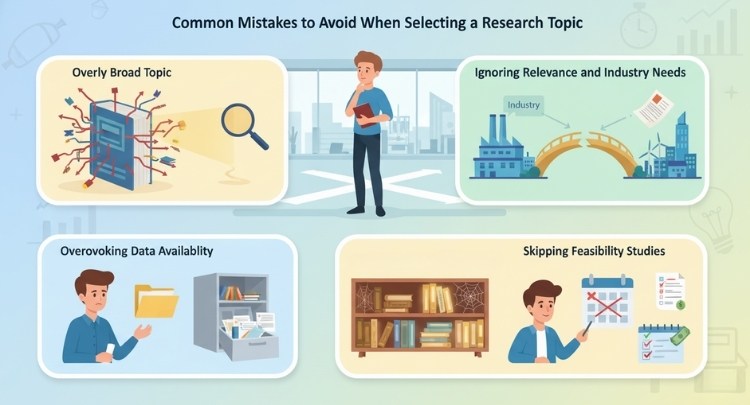
Choosing a research topic might seem simple, but it requires careful thought and balance. Many students overlook key factors that determine success. Avoiding these mistakes can help you select a topic that is relevant, feasible, and truly impactful in your field.
Choosing an Overly Broad Topic
A topic that’s too broad can make your research unfocused and difficult to complete. Narrowing it down to a specific problem or case study allows you to explore the subject deeply and produce meaningful, measurable results that hold academic and professional value.
Ignoring Relevance and Industry Needs
Selecting a topic unrelated to current engineering challenges limits its usefulness. Research that aligns with modern issues like sustainable construction, smart infrastructure, or resource management not only gains recognition but also supports ongoing technological and societal progress.
Overlooking Data Availability
A good idea loses strength without supporting data. Always check whether enough research materials, case studies, or field data are accessible. Lack of reliable information can disrupt your work, delay progress, and reduce the accuracy of your conclusions.
Repeating Outdated Research
Relying on old or overused topics adds little innovation. Explore emerging areas that address new trends, technologies, or policies. Fresh ideas attract more academic interest and help position your research as a contribution to future engineering development.
Skipping Feasibility Studies
Some students commit to topics without evaluating time, cost, and resource limitations. Conducting a quick feasibility assessment ensures your topic can be realistically executed within academic or project deadlines without compromising quality or depth.
Originality and curiosity drive great research. Choose topics that challenge your thinking, address real issues, and contribute new insights to the field. When your research reflects innovation and purpose, it becomes both rewarding and relevant to the engineering world.
Frequently Asked Questions
A great research journey often begins with the right questions. After exploring the best civil engineering research topics, many students still have doubts about writing, publishing, or presenting their work. Here are some common questions that can help you move forward confidently.
What Are Some Current Gaps In Civil Engineering Research?
Many areas, like sustainable material development, climate adaptation, and digital construction tools, still need more exploration. Researchers can focus on practical gaps where innovation is lacking. Filling these gaps can lead to real contributions and stronger career opportunities.
How Can I Make My Research More Recognized Internationally?
To reach a global audience, publish your paper in reputable journals and present at international conferences. Networking with experts and collaborating on global projects can also enhance visibility. Recognition comes from consistent effort and impactful findings.
What Software Tools Can Help In Civil Engineering Research?
Popular tools include AutoCAD, MATLAB, STAAD Pro, and Revit for modeling, analysis, and simulations. Using the right software helps visualize complex data easily. These tools also save time and improve the accuracy of your research outcomes.
How Can I Balance Academic Research With Field Experience?
Combining classroom learning with hands-on fieldwork provides a stronger understanding of real-world engineering challenges. Try interning at construction sites or government projects. This balance helps make your research more practical and applicable to current industry needs.
What Makes A Civil Engineering Thesis Stand Out?
A standout thesis offers originality, strong methodology, and relevant data analysis. Clear presentation and practical implications also matter. Readers appreciate when your research connects theory with real-world application and suggests solutions to ongoing challenges.
Can Undergraduate Students Conduct Civil Engineering Research?
Yes, undergraduate students can engage in research with proper guidance. Start with small projects or assist professors in existing studies. It helps build research skills, strengthen your resume, and prepare you for advanced academic or professional paths.
How Important Is Collaboration In Civil Engineering Research?
Collaboration opens doors to shared knowledge, diverse ideas, and better resources. Working with peers, professors, or industry professionals enhances research quality. It also helps you build valuable connections that support your career and future studies.
What Are The Ethical Considerations In Engineering Research?
Researchers must ensure data accuracy, honesty, and environmental responsibility. Always credit original sources and follow safety protocols. Ethical research builds trust and ensures your findings contribute positively to society and future engineering practices.
How Can I Choose The Right Journal For Publication?
Look for journals that specialize in your research area and have strong peer-review systems. Check their publication frequency, credibility, and citation rates. Submitting to the right journal increases the chances of your paper being published successfully.
What Are Some Career Benefits Of Doing Civil Engineering Research?
Research improves analytical thinking, problem-solving skills, and technical expertise. It can lead to roles in consulting, academia, or policy development. Beyond career growth, it gives you the satisfaction of contributing to innovations that shape tomorrow’s infrastructure.
Last Words
Research in civil engineering is not just about solving problems, it’s about building the foundation of a sustainable and intelligent world. The best civil engineering research topics guide innovators toward projects that protect communities, conserve resources, and redefine modern construction.
Every study adds a small yet meaningful contribution to the field, whether it’s through green materials, AI integration, or advanced transport design. The value of research lies in its ability to turn challenges into solutions that shape daily life.
By selecting one of the best civil engineering research topics, you take a step toward progress and purpose. Keep exploring, keep questioning, and let your curiosity lead to discoveries that strengthen the world we all share.