To get the most out of a civil engineering conference, plan ahead by setting clear goals, choosing sessions that match your interests, and preparing to network. During the event, engage actively, take notes, meet new people, and after it ends, follow up and share your insights.
Still curious about how to get the most out of attending a civil engineering conference? You can explore more detailed tips, like how to prepare smart questions for speakers effectively for networking.
How to Get the Most Out of Attending a Civil Engineering Conference?
Attending a civil engineering conference can be a great learning experience. You can meet experts, learn about new tools, and share your ideas. A little planning helps you get more value from each event. Let’s see how you can prepare, join, and follow up effectively.

Before the Conference
Getting ready before the conference helps you make the most of your time once you’re there. A little preparation can turn a regular event into a valuable learning and networking opportunity. Here are some smart steps to take before you go.
Define Your Goals
Before attending, be clear about what you want to achieve. Whether it’s learning about new technologies, meeting potential employers, or exploring collaboration opportunities, setting clear goals will help you stay focused. Write them down so you can plan your conference experience around those goals.
Research the Agenda
Look at the conference schedule carefully and choose the sessions and workshops that fit your goals. Check out the speakers’ profiles and topics in advance. This helps you manage your time well and ensures you don’t miss the most valuable sessions that match your interests.
Plan Your Networking
Make a list of key people you’d like to meet, such as speakers, industry leaders, or potential employers. Read about their work so you can start meaningful conversations. Especially for global events like conferences in Australia, Canada, or any other country, where professionals from different fields gather, planning ahead helps you make strong international connections.
Prepare Your Materials
Get your materials ready early. Carry business cards, or prepare a digital QR code with your contact info. Practice a short “elevator pitch” to quickly share who you are, what you do, and what you’re looking for when meeting professionals at the event.
During the Conference
Once the event starts, your goal is to learn, connect, and stay engaged. It’s the best time to build relationships and gain knowledge that can help you grow. Let’s look at what you can do during the conference to make it truly worthwhile.
Engage in Sessions
Stay active during presentations and workshops. Take notes on useful tips, case studies, and project ideas. Listening carefully and writing down the main points helps you remember more later. Try to attend a mix of technical sessions and networking events for a balanced experience.
Network Strategically
Don’t be shy about starting conversations with speakers, exhibitors, or other attendees. Ask questions about their work, share your interests, and look for common topics. Genuine conversations help you build lasting professional connections instead of quick introductions.
Use Downtime Effectively
Make the most of casual moments like lunch breaks or waiting in lines. These times are perfect to chat with new people. Instead of sitting alone, join others at tables or in group discussions. Some of the best networking often happens outside of formal sessions.
Ask Questions
Participate actively by asking smart questions during Q&A sessions. It shows you are paying attention and helps you learn from different perspectives. This also makes you more visible to speakers and other attendees who may share your interests.
Pace Yourself
Don’t try to attend every single session. Take short breaks between events to recharge and stay focused. Walk around, get some air, or enjoy a coffee. A balanced schedule helps you stay fresh and make the most of each session you attend.
Connect with Everyone
When you meet someone, make a short note on their business card or in your phone about your conversation. This helps you remember who they are and follow up later. The small details you remember will make your future messages more personal.
After the Conference
Your work doesn’t stop when the conference ends. The connections you made and the knowledge you gained can keep benefiting you long after the event. Let’s look at the best things to do after the conference to keep that momentum going.
Follow Up
Within a few days after the event, connect with the people you met. Send a friendly LinkedIn message or email mentioning something you talked about. This personal touch helps people remember you and keeps the connection alive for future opportunities.
Share Your Knowledge
Once you return, share what you learned with your team or colleagues. You can give a short talk, write a summary, or organize a small discussion. Sharing your experience not only helps others but also reinforces your own understanding.
How to Take Useful Notes During Civil Engineering Conference Sessions?
Taking good notes during civil engineering conference sessions helps you remember useful ideas, methods, and discussions. When notes are clear and well-organized, it becomes easier to review them later and apply what you learned in real projects. Here are some effective ways to take notes during the sessions.

- Use Separate Sections for Each Topic: Keep notes for different sessions or speakers in separate sections so you can easily find them later without mixing ideas or details together.
- Write Down Main Points, Not Full Sentences: Focus on short phrases that capture the main message or concept. Avoid writing long sentences that make it hard to read quickly afterward.
- Highlight Key Takeaways With Symbols or Colors: Use stars, arrows, or color highlights to mark the most important ideas, facts, or numbers so they stand out during review.
- Summarize at the End of Each Session: Before the next session starts, quickly write a short summary of what you learned so it stays fresh in your memory.
- Use Digital Note Apps for Better Organization: Tools like Microsoft OneNote, Google Keep, or Evernote let you save, sort, and tag notes for easy searching later on.
- Add Photos or Slides If Allowed: Taking pictures of presentation slides or charts can help you understand technical points better, especially when details are hard to write fast.
- Review and Organize Notes After the Conference: Once the event ends, clean up your notes, arrange them by topic, and store them safely for future reference or study.
Good note-taking is not about writing everything down. It’s about recording the most valuable points in a clear, simple way so you can easily recall and use them when needed in your civil engineering work.
Questions to Ask During Civil Engineering Conference Sessions
Attending a civil engineering conference is a great way to learn new things. You get to hear from experts who share useful ideas and real-world experiences. Asking smart questions during sessions helps you understand the topic even better. Here are the areas of some good questions you can ask to make the most of it.

Design and Innovation
You can ask how new materials or methods are changing design standards. Try asking what inspired a certain design choice or what problems it solved. You can also ask how these designs handle environmental or cost challenges. This helps you learn how creative thinking works in real projects.
Construction Challenges
Ask about the most difficult part of building a project and how it was fixed. You can also ask how the team managed time or safety during construction. Another good question is what lessons they learned from unexpected issues. These questions show real interest in practical work problems.
Sustainability And Green Practices
Ask how the project reduced waste or saved natural resources. You can also ask what eco-friendly materials were used and why. Another idea is to ask if sustainable designs increase long-term savings. These questions help you understand how civil engineering supports a greener world.
Technology Use
You can ask how new tech, like drones or 3D models, has improved the project. Another question is what tools made planning or monitoring easier. Try asking if technology has changed the way engineers make decisions. This helps you see how modern tools make engineering faster and smarter.
Questions About Career and Future Trends
Ask what skills young engineers should focus on for future projects. You can also ask how the field will change in the next ten years. Try asking what new areas offer the most job growth. These questions help you plan your own path in civil engineering.
Asking smart questions helps you connect with experts and learn faster. It also shows that you care about the topic and value real knowledge. Next time you attend a conference, be ready with a few of these ideas. They can turn a normal talk into a real learning experience.
How to Present Yourself Professionally at a Civil Engineering Conference?
Attending a civil engineering conference is a great chance to make a mark. You get to meet industry experts, recruiters and learn about new projects. The way you present yourself can open doors to great career chances. Let’s look at some simple ways to make a strong impression.

Dress Smart and Simple
Choose clean and well-fitted clothes that look neat and tidy. A formal shirt with trousers or a suit works best. Avoid loud colors or strong perfumes. Make sure your shoes are clean and polished. A professional look shows that you respect the event and care about your image.
Show Confident Body Language
Stand straight, keep your shoulders relaxed, and smile often. Make eye contact when you talk or listen. Avoid crossing your arms or fidgeting. Small things like a firm handshake and good posture can make a big difference. People notice your body language before your words.
Speak Clearly and Politely
When you talk, speak in a calm and clear voice. Avoid using slang or speaking too fast. Listen carefully before replying, and show that you are interested. Say “thank you” and “nice to meet you” often. Being polite helps people remember you in a good way.
Introduce Yourself the Right Way
Start by saying your name and what you study or do. Add one or two lines about your field of interest. For example, “Hi, I’m Rafi. I study civil engineering and love bridge design.” Keep it short and natural. This helps others know who you are and what you care about.
Talk to Experts and Recruiters with Ease
Don’t be shy to start a chat with an expert or recruiter. Ask about their work or projects, and share your interest. Show that you are eager to learn. Keep your phone away and stay focused. A friendly, honest talk can leave a lasting impression.
Follow Up After the Event
If you exchange contacts, send a short thank-you message later. Mention what you enjoyed about meeting them. It keeps you fresh in their mind and builds a professional link. Staying in touch shows that you value connections and want to grow in the field.
A professional image is more than just what you wear or say. It’s also about how you act, listen, and respect others. Each small effort helps you build trust and confidence. Keep these tips in mind, and you’ll stand out at your next conference.
Tips to Network Effectively at a Civil Engineering Conference
Attending a civil engineering conference is a great chance to meet professionals, share ideas, and grow your network. Knowing how to talk to people and build real connections can make your conference experience more valuable and enjoyable.
- Start with a friendly approach: Smile and greet people politely before asking what brought them to the conference. Showing interest in their work helps make the conversation natural and comfortable for both sides.
- Ask simple, open questions: Instead of jumping into technical talk, ask about their role or what projects they are working on. This helps start meaningful discussions easily without pressure.
- Share a bit about yourself: When talking, mention your name, where you work, and what kind of projects you enjoy. Keeping it short and clear helps others remember you better.
- Keep business cards ready: Have clean and easy-to-read business cards with your name, title, and contact info. When you exchange cards, take a second to look at theirs and thank them politely.
- Connect on LinkedIn soon: After meeting someone, find them on LinkedIn and send a short message reminding them where you met. This helps them remember you and continue the connection.
- Follow up after the conference: Within a few days, send a friendly email or message thanking them for the chat. Mention something specific you talked about to keep the connection real.
- Stay active and helpful: Keep liking, sharing, or commenting on their LinkedIn posts when possible. Being supportive keeps your name familiar and helps grow a lasting professional relationship.
Networking is also a great way to learn about future industry events, such as discovering civil engineering conference in Australia, where you can connect with global experts and gain insights into new technologies.
How to Apply What You Learn After the Civil Engineering Conference?
Attending a civil engineering conference gives you a lot of new ideas. You get to hear from experts and learn the latest trends and methods. But learning is only helpful when you use it in real life. Let’s see how you can share, apply, and write about what you learned.
Share Key Points With Your Team
After the event, talk to your team about what you learned. Explain the new methods, tools, or ideas in a simple way. Use examples from the conference to make things clear. Sharing knowledge helps your whole team grow together and stay updated on new practices.
Apply New Ideas to Ongoing Projects
Start by checking which ideas fit your current projects. Try small changes first to see if they work well. Use the conference notes to plan improvements. Applying fresh ideas helps improve work quality and can even save time and cost.
Write a Summary or Short Report
Make a short report that covers the most useful insights. Include key points, case studies, and speaker ideas. You can share this report with your department or upload it to your company’s shared drive. This makes it easy for others to learn even if they missed the conference.
Publish What You Learned
If you found something truly new or useful, write about it. You can publish a blog, article, or paper about your findings. Many professionals use insights gained from such events when writing research paper in Civil engineering, as conferences often provide fresh ideas and new approaches from experts.
Stay Connected With Speakers and Attendees
Keep in touch with the people you met at the conference. Join their online groups or message them for advice. This helps you learn more and stay updated on what others are doing in the same field.
Learning from a conference does not stop after the last session. What matters most is how you share, test, and record your knowledge. Stay active, keep trying new ideas, and write about your findings. This way, every conference becomes a step toward real growth.
Common Mistakes to Avoid During a Civil Engineering Conference
Attending a civil engineering conference can be a big chance to learn. You meet experts, get new ideas, and build useful connections. But many people make simple mistakes that stop them from getting the most out of it. If you plan to attend one, keep reading to see how to avoid those common errors.
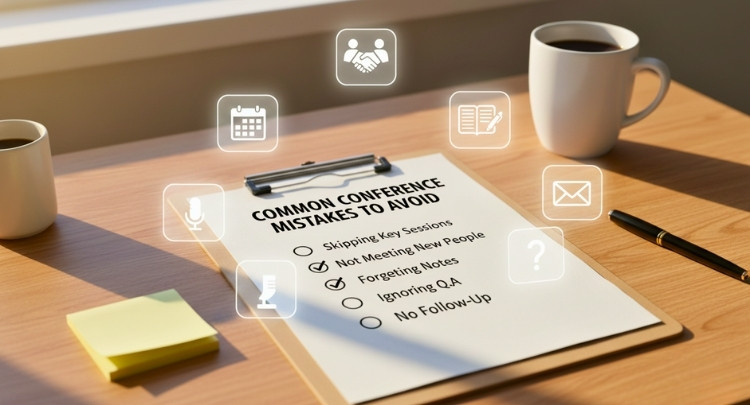
Skipping Important Sessions
Many people attend only the sessions they find easy or fun. By doing this, they miss talks that could help them learn something new. Plan your schedule before the conference starts and mark the key sessions. Even if some topics seem hard, attend them to grow your knowledge.
Not Talking to New People
Some attendees stick with their friends or stay alone. This stops them from meeting professionals who could guide or support their career. Be open to small chats and group talks during breaks. A short hello can lead to a helpful contact later.
Forgetting to Take Notes
Many just listen and never write down what they learn. Later, they forget the main points and lose valuable details. Keep a small notebook or use your phone to jot quick notes. These notes help you remember ideas you can use later.
Ignoring the Q&A Sessions
Some skip question sessions because they feel shy or think others will ask better questions. But these moments are great for clearing doubts and showing interest. Even if you don’t ask, listen carefully to others’ questions. They often help you understand the topic better.
Not Following Up After the Event
Many people meet contacts and never reach out again. This wastes all their networking effort. After the conference, send short thank-you emails or messages. Stay connected by sharing updates or discussing ideas you talked about earlier.
Attending a civil engineering conference is more than just sitting and listening. It is about learning, sharing, and building connections that can help in the long run. Avoiding these small mistakes can make your time more valuable. Plan ahead, stay active, and make every minute count.
FAQs About How to Get the Most Out of Attending a Civil Engineering Conference?
Attending a civil engineering conference can be full of learning and networking opportunities. But many people still have questions about how to make the most of it. Here are some important FAQs with simple answers to help you plan, learn, and grow from your conference experience.
How Can I Stay Updated About Upcoming Civil Engineering Conferences?
You can stay updated by checking professional engineering websites, joining online groups, and following universities or organizations that host such events. Many global conferences also share updates on LinkedIn or Facebook. Signing up for email newsletters from engineering associations is another smart way to never miss an event.
What Should I Bring to a Civil Engineering Conference?
Carry a notebook, pen, business cards, and a reusable water bottle. If it’s a long event, bring a light snack to stay active. Keep your phone charged for quick notes or networking. Having a small bag with your essentials helps you stay organized all day.
How Do I Choose Which Conference to Attend?
Pick a conference that matches your study or career goals. Read the event’s topic list and check the speakers and session themes. Choose one that fits your interests, whether it’s about design, construction, sustainability, or technology. Attending the right conference saves time and gives you better learning value.
How Early Should I Register for a Civil Engineering Conference?
It’s best to register at least one or two months before the event. Early registration often costs less and gives you better session choices. It also helps you plan your travel and stay without last-minute stress. Some popular conferences fill up quickly, so booking early is always smart.
How Can I Make a Good First Impression at the Conference?
Be polite, dress neatly, and greet others with confidence. Smile, introduce yourself clearly, and listen carefully when others speak. Showing interest in other people’s work makes a strong impression. People remember you more for being friendly and respectful than for using fancy words.
How Can I Handle Nervousness When Talking to Experts?
Remember that everyone is there to share and learn, not to judge. Start with small talk, like asking about their session or project. Keep your questions simple and honest. With each new conversation, your confidence will grow naturally.
What Should I Do If I Miss a Session I Wanted to Attend?
Don’t worry if you miss a session. Check if the slides or recordings are shared online afterward. You can also ask someone who attended for their keynotes. Staying flexible ensures you still get the main ideas even if you miss a few sessions.
Final Words
Attending a civil engineering conference is your chance to learn, connect, and grow. When you plan ahead, take smart notes, and follow up afterward, every session becomes more useful. It’s all about learning, sharing, and applying what you gain to real work. That’s how to get the most out of attending a civil engineering conference.
Stay curious, ask good questions, and connect with professionals who inspire you. Use what you learn to improve your projects and ideas. Keep exploring new trends, stay updated, and enjoy every event as a chance to grow. Best wishes for your next conference experience.