Conference sponsorship pricing is vital for successful event revenue strategies. Organizers often find determining fair rates challenging. Understanding audience value supports smarter decisions. This section introduces essential pricing foundations today.
When exploring how to price conference sponsorship packages, start by evaluating audience value, visibility, and included benefits. Use value-based or tiered pricing models, calculate ROI, compare competitor benchmarks, and adjust tiers to balance exclusivity, affordability, and overall sponsor satisfaction.
Continue reading to find practical strategies that help you build compelling, profitable sponsorship packages for conferences today. You will learn actionable methods for valuing benefits, setting balanced tiers, and confidently presenting pricing to sponsors.
How to Price Conference Sponsorship Packages?
Many event teams need simple guidance to set fair prices for sponsorship packages that support real goals. Clear steps help teams study their event, check strong benefits, and shape honest numbers for every sponsor. Smart planning also makes deals easier because each sponsor sees steady value during conference days. Here are the steps you can follow:
Step 1: Understand Your Event’s Full Value
Strong pricing starts when teams check audience size, brand reach, and sponsor needs with steady focus and clarity. These checks show which benefits matter most and help every leader shape honest options that attract broad interest. Good awareness also keeps the event direction steady during busy planning cycles.
Step 2: List Sponsorship Benefits and Total Costs
Teams write every benefit and mark true setup costs, staffing needs, gear needs, and time demands clearly. These notes help leaders build solid plans that protect event goals and support smooth daily tasks. Sponsors also trust numbers when they see simple details that match actual plans.
Step 3: Choose a Simple and Strong Pricing Model
Event teams use cost-plus, value-based, or tiered systems to guide choices that match sponsor needs well. Cost-plus helps teams find simple profit margins, while value-based pricing links steady gains with sponsor targets. Tiered levels also fit wide budgets and show each sponsor clear reasons for every choice.
Step 4: Build Tiered Packages With Clear Benefit Levels
Tiered plans work well because each step offers clear perks for many goals and event sizes. Bronze and Silver help small brands grow, while Gold and Platinum offer talks, brand spots, and strong reach. These plans also help teams explain fair prices without confusing sponsors during long meetings.
Step 5: Compare Market Rates and Study Competitors
Teams check prices from events across Canada, the USA, the UK, and other active regions worldwide. This helps leaders shape honest numbers for plans around upcoming conferences in Canada or other strong markets. Smart checks also protect event teams from weak guesses that hurt long-term sponsor deals.
Step 6: Link Your Pricing to Sponsor ROI
Brands want clear gains like new leads, tight reach, steady trust, and strong community interest from event days. Event teams show worth by linking prices to outcome goals that match each sponsor’s growth plan. This direct style builds real confidence and inspires long-term partnerships during future planning cycles.
Step 7: Adjust Prices After Feedback and Event Results
Teams review sponsor notes, event data, and outcome trends to guide better prices for new seasons. These reviews help leaders replace weak perks, fix unclear steps, and add ideas that sponsors often request. Steady updates also keep packages fresh and support more deals during upcoming conference timelines.
Key Factors That Affect Sponsorship Pricing
Many events use simple checks that help teams build honest prices that match real sponsor needs. These factors guide clear choices, support strong deals, and help every event shape packages that fit wide budgets. Use them to set steady numbers for all sponsors.

- Audience Size: Bigger crowds give sponsors a stronger reach that helps them build trust with many people across different groups. Large groups also lift brand power because sponsors gain steady interest during long event hours.
- Brand Exposure: Strong visibility gives sponsors bright value that helps them reach people through signs, screens, or shared talks. Clear exposure also supports simple goals because brands gain quick awareness during key event moments.
- Event Type: Different events create unique chances that help sponsors grow their reach with focused groups across many fields. Clear themes also guide helpful ideas because sponsors match their offers with shared goals.
- Benefit Level: Strong perks give sponsors clear gains that shape better deals during planning talks and simple check-ins. Each perk level also guides calm choices because teams build fair steps that match diverse budgets.
- Market Demand: Busy seasons raise prices because more sponsors hope to join strong events with active crowds. Steady demand also helps events adjust numbers because leaders follow real trends across months.
- Competitor Pricing: Checking similar events helps teams understand fair prices that match sponsor goals in clear ways. These checks also guide smart moves because leaders avoid risky guesses during tight planning cycles.
Importance of Pricing Your Sponsorship Packages Strategically Matters
Many people think pricing is just about picking a number that feels right, but it involves much more careful thought. Smart pricing can help events grow in a simple and steady way that makes sense for everyone. Good plans help teams avoid confusion while keeping sponsors happy for future events. These facts help to make better choices without any stress.

Fair Value
Fair pricing helps both the event team and the sponsor understand what they are paying for and why it matters. When the price matches the benefits, sponsors feel confident and ready to support the event. This trust makes planning smoother because no one feels unsure about their choice. When sponsors trust the price, they are more likely to return next time. A clear system also makes it easier for event teams to explain how each package works and why it is worth it.
Better Planning
A good pricing plan helps the event team manage money in a simple and organized way. It becomes easier to plan activities, bring helpful tools, and manage supplies when the budget is clear. Strong planning also creates a smoother experience because fewer things go wrong during the event. Sponsors feel more relaxed when they see the event running well. This kind of planning builds a strong base for future events.
Right Fit
Different sponsors have different goals, which means one price cannot fit everyone. A smart pricing plan helps match the right package with the right sponsor. Some sponsors may want a small role, while others want something more noticeable. By offering choices, the event becomes flexible and easier to join. Sponsors feel comfortable picking what suits their plans best. These options also help events welcome more kinds of sponsors.
Good Deals
Clear prices make deals easier because both sides know what they are getting. When the event team explains each package with simple words, sponsors feel safe making decisions. This reduces long talks and confusion during meetings. Smooth deals also save time and energy for everyone. When deals are simple, both sides feel proud of their decision. This helps build stronger connections for future plans.
Strong Trust
Smart pricing helps build trust between the event team and sponsors because everything feels honest and clear. When sponsors see clear prices, they know the event team cares about fairness. This trust makes people feel more relaxed when supporting the event. A good relationship helps both sides plan better. Sponsors remember events where things felt smooth and friendly. This builds support for the next event without extra effort.
More Support
A smart pricing strategy makes it easier to attract new sponsors because people like simple and fair options. Many sponsors look for events that respect their time and money. When the event team shows clear plans, it becomes easier for them to join. This well-planned approach helps when getting sponsors for a conference because people can see real value. Events with clear pricing often grow faster because more people feel welcome. This makes the event stronger and more known over time.
Future Growth
Good pricing helps events grow because it gives the team enough money to improve their plans each year. When prices are fair, sponsors stay longer and support more activities. This steady support helps the event add better features that people enjoy. Simple growth steps help the event become stronger without rushing. Sponsors enjoy seeing improvements because it shows the team cares. Growth becomes easier when the event stays organized and honest.
How to Calculate the Value of Sponsorship Exposure?
Calculating the value of sponsorship exposure helps event teams set fair prices while showing sponsors what they gain. You don’t need complex math—just a few simple steps that help you estimate reach, interest, and potential results. Below are easy ways to measure value using clear formulas anyone can understand.
Calculate Value Per Attendee (Simple Method)
A quick way to measure exposure is by using a per-attendee value.
Formula:
“Per-Attendee Value = (Total Event Reach × Estimated Engagement Rate) ÷ Number of Attendees”
This helps you understand how much attention a sponsor gets from each person. If more people interact with the sponsor, the value increases.
Use the CPM Formula (Cost Per Thousand Impressions)
CPM is a common advertising formula used to estimate how much a sponsor pays for every 1,000 views.
Formula:
“CPM = (Sponsorship Price ÷ Total Impressions) × 1,000”
If an event produces high impressions through banners, screens, or announcements, the CPM becomes lower, which makes your package more attractive.
Estimate Total Brand Impressions
Brand impressions are the number of times people see the sponsor’s name, screen ad, stage banner, or booth.
Formula:
“Total Impressions = (Attendees × Average Views Per Attendee)”
For example, if each attendee sees a sponsor banner five times, multiply the crowd size by five. This shows how often the sponsor stays in people’s minds.
Calculate Lead Value for Sponsors
Sponsors often care most about potential leads because they turn into real business.
Formula:
“Lead Value = (Number of Leads × Conversion Rate × Average Sale Amount)”
If a sponsor expects 50 leads, a 10% conversion rate, and $200 per sale, you can show them clear, real value.
Combine All Values for Final Pricing
The strongest pricing decisions come from blending impressions, leads, and attendee engagement.
Formula:
“Total Exposure Value = Brand Impressions Value + Lead Value + Per-Attendee Value”
This gives a rounded estimate that supports a fair and confident price.
Different Pricing Models for Conference Sponsorships
Choosing the right pricing model helps event teams create fair and clear packages that match what sponsors want. Each method works in its own way, and understanding these options makes planning much easier. Below are the three most common models and how they can help your event.
Cost-Plus Pricing
This method starts with the total cost of creating each sponsorship benefit and then adds a profit margin on top. It gives the event team a simple way to cover expenses without guessing the final amount.
Pros: Easy to calculate, reduces pricing stress, and ensures the event does not lose money.
Cons: It may ignore how much a sponsor is truly willing to pay, and it might underprice strong packages.

Market-based Pricing
In this model, the event team studies what similar events charge and sets their prices around those numbers. This helps teams avoid prices that feel too high or too low compared to others in the same space.
Pros: Helps events stay competitive and gives a clear benchmark to follow.
Cons: It can limit creativity and may not show the real value of sponsorship for conference packages if your event offers something better or unique.
Value-based Pricing
This model focuses on how much value a sponsor can gain from joining your event, such as new leads, brand attention, or business deals. It works well when sponsors see strong growth potential and trust the event’s reach.
Pros: Helps increase revenue, builds stronger sponsor interest, and rewards events that offer high-quality benefits.
Cons: Hard to estimate for new events, and sponsors may ask for proof of results before agreeing.
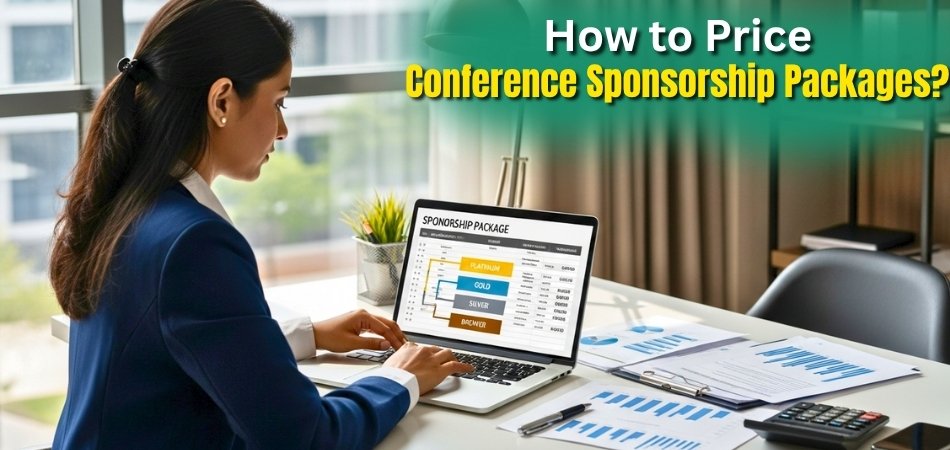
Example of Tiered Sponsorship Levels (With Pricing Table)
Tiered sponsorship levels help organizers offer clear options that match different budgets and goals. Each tier should feel meaningful, not just more expensive. As you move upward, every level should add stronger benefits that make the upgrade worth it. Below is a simple example showing how you can structure your tiers in a clean and logical way.
Sample Tiered Sponsorship Table:
| Level | Price Range (Example) | Key Benefits |
| Bronze | $1,000–$2,500 | Logo on website, event program listing, and small banner placement. |
| Silver | $3,000–$5,000 | Bronze benefits + medium banner, booth space, social media mention. |
| Gold | $6,000–$10,000 | Silver benefits + larger booth, speaking slot, branded session slide. |
| Platinum | $12,000–$20,000+ | Gold benefits + prime booth, keynote slot, premium logo placement, exclusive branding rights. |
Negotiation and Pricing Psychology Tips for Sponsors
Talking with sponsors becomes easier when you understand simple ideas that guide fair prices. These tips help you keep talks calm and clear during meetings. They also help sponsors feel safe while making choices. Use them to shape better deals.

- Clear Goals: Set clear goals before talks start because sponsors like knowing your main focus during discussions. Clear goals help teams stay calm while choosing fair prices that feel honest for everyone involved today.
- Warm Tone: Use a warm tone that keeps talks friendly because sponsors relax when they feel respected and heard. A friendly tone helps build trust and keeps both sides focused on finding prices that work well today.
- Simple Choices: Give simple choices so sponsors avoid stress while picking packages that match their plans well right now. Simple choices create steady confidence and help teams reach fair deals without long talks that confuse people easily.
- Soft Anchors: Use soft anchors when sharing prices because sponsors prefer gentle steps instead of sudden changes in talks. Soft anchors guide calm talks and help both sides find honest numbers that support clear goals during planning.
- Extra Value: Show extra value that matters to sponsors because good perks make choices easier for them during talks. Extra value builds comfort and helps sponsors choose strong packages that fit their plans without stress or doubt.
- Open Listening: Practice open listening to show sponsors you care about their needs and simple concerns today as well. Open listening builds trust and helps teams shape fair prices that match goals for both sides.
- Calm Pace: Keep a calm pace so sponsors feel relaxed while thinking about choices during talks at each step. A calm pace prevents pressure and helps both sides agree on prices that feel clear and fair together.
Frequently Asked Questions About Conference Sponsorship Pricing Models
Many organizers have extra questions when they start planning sponsorship prices. These FAQs give simple answers that help you understand key points you might miss. Use them to shape clearer and more confident pricing decisions.
How Do I Know If My Prices Are Too High or Too Low?
You can check this by comparing similar events, asking past sponsors for feedback, and watching how fast packages get booked. If prices feel too high, interest drops. If prices seem too low, packages sell too quickly without enough return.
Should I Change My Pricing for First-Time Sponsors?
Yes, you can create special starter offers that help new sponsors feel comfortable joining your event. These offers shouldn’t reduce long-term value but should make entry easier. Small discounts or added perks work well without harming your pricing structure.
How Many Sponsorship Packages Should I Offer?
You should offer only the number of packages you can manage well while keeping your event balanced. Too many options confuse sponsors, and too few limit revenue. Three to five strong, clear options usually work best for most events.
Is It Important To Limit the Number of Top-tier Sponsors?
Limiting top-tier sponsors helps keep premium benefits special and prevents crowding. Exclusive spots feel more valuable and attract bigger brands. When only a few sponsors get top placement, your event looks organized, and sponsors feel their investment matters.
How Often Should I Update My Sponsorship Pricing?
You should update your pricing every year after reviewing event performance, sponsor feedback, and changing market trends. New data helps you improve packages and avoid using old numbers. This keeps your pricing fair, fresh, and aligned with current sponsor needs.
Final Thoughts
A good pricing plan helps your event stay clear, organized, and easy for sponsors to understand. When you know your costs, your audience, and what sponsors want, setting fair prices feels much easier.
Many organizers learn how to price conference sponsorship packages becomes simple when they use small steps and clear ideas instead of guessing. This also helps sponsors feel safe about what they are paying for.
When you keep things simple, update your prices each year, and listen to sponsor feedback, your event grows stronger and your partnerships become more reliable for future events.