A conference kit can make or break your professional event. From microphones and cameras to notebooks and small tech tools, these kits are designed to make conferences smoother and more engaging. But with so many options—ranging from basic setups to premium all-in-one packages—it’s easy to wonder what kind of budget you’ll need.
So, how much does a conference kit cost?
The cost of a conference kit depends on what it’s for. A simple welcome kit with pens and bottles costs $5–$15. Fancy ones with tech or clothes cost $90 or more. Video kits for meetings can cost from $500 to over $10,000. Prices change with size, items, and setup needs.
Keep reading as we break down the factors that affect these costs and how to choose the right one for your needs.
How Much Does a Conference Kit Cost?
Conference kits come in many forms, from tech bundles to event gift sets. Their prices differ widely depending on what’s included and who they’re for. On average, a basic video conferencing kit starts around $500–$1,000, while mid-range setups range between $2,000–$5,000. For attendee swag kits, you might spend anywhere between $5 and $150+ per unit, depending on quality and customization. These variations arise from differences in purpose, features, and scale, whether it’s a virtual setup or an in-person event.
Type of Conference Kit
Different types serve different goals. Video conferencing kits include cameras, speakers, and screens, often used in hybrid meetings. Swag kits cater to attendees with gifts like apparel or gadgets. Organizer toolkits provide templates and checklists for seamless planning tasks during events.
The price of each type varies depending on its purpose and usage context. For instance, hybrid meeting kits often require advanced hardware components. Meanwhile, swag bags for in-person events rely more on branding and presentation quality. Each category targets unique needs and pricing scales accordingly.
Quality and Material Choice
Material quality influences both price and audience impression. High-quality fabrics, metal drinkware, or custom-made tech items increase the cost significantly. In contrast, low-cost materials like plastic or paper reduce overall expense but may affect perceived value. Selecting durable or eco-friendly materials also adds long-term appeal.
Event organizers often choose mid-tier materials to balance budget and quality. The right mix of practical and premium elements attracts attention while maintaining affordability. For professional environments, brands prefer lasting items like notebooks or power banks. Choosing wisely ensures the kit supports both function and presentation.
Customization and Branding
Personalized branding adds value through custom logos, colors, and design elements. These enhancements strengthen the company’s image and event recognition across materials. Branded apparel, pens, and packaging increase audience engagement and create lasting impressions. However, each level of customization contributes additional costs to the final budget.
Many firms invest in customization to align with marketing goals and brand identity. In competitive events, attractive branding distinguishes companies and improves recall value. While generic kits save money, personalized ones enhance professionalism and attendee satisfaction. The impact of tailored branding often justifies the added cost.
Quantity and Bulk Orders
Ordering larger quantities reduces the price per unit. Suppliers usually offer discounts for bulk purchases of swag or hardware kits. Corporate events with thousands of attendees often leverage these deals to save money. Smaller events, however, may pay slightly higher rates per package.
Choosing bulk options also simplifies distribution and packaging logistics. It allows consistent quality across all distributed units at reduced pricing. The scale of a conference in USA, or even major hubs like Germany or Singapore, often demands bulk orders. In such cases, balancing cost efficiency with uniqueness becomes essential.
Features and Add-ons
Added features like Bluetooth speakers, HD cameras, or luxury packaging increase pricing levels. High-end components ensure better performance but can stretch budgets quickly. Optional items like LED lights, wireless mics, or stands add convenience and style. Premium accessories also raise perceived professionalism during hybrid events.
When selecting features, consider usability rather than excess. Practical additions deliver better value over time for both organizers and participants. Too many extra elements can make a kit unnecessarily complex or expensive. Aim for enhancements that match purpose and comfort without straining the event budget.
Shipping and Assembly Costs
Shipping large or delicate kits requires careful logistics, influencing total spending. Fragile tech items or branded goods often need secure packaging materials. International deliveries introduce customs fees, taxes, and handling charges that further affect expenses. Local distribution within the same country usually remains cheaper and faster.
Assembly costs also include manpower for sorting, labeling, and preparing each kit. Events with hundreds of participants need structured processes for timely packaging. Outsourcing this step to fulfillment services saves time but adds service fees. Proper logistics planning helps prevent last-minute budget surprises or errors.
Market Demand and Location
Regional demand changes the overall pricing structure. Kits made or shipped from high-demand areas like the U.S., U.K., or Japan often cost more. Availability of suppliers and labor rates also play major roles in price variation. In contrast, regions with lower production costs provide budget-friendly options without losing quality.
Location also affects tax rates, import fees, and turnaround times. International organizers often compare global suppliers before finalizing orders. Choosing local vendors in hosting regions reduces delivery delays and expenses. Understanding market differences ensures better budgeting and timely event preparation.
Typical Price Range for Conference Kits
Conference kit price ranges vary significantly between small and large events due to differences in audience size, technical complexity, and production scale.
For small events, such as intimate conferences with up to 50 delegates, basic conference setup kits start from around £4,000 (approximately $5,500), including essential stage lighting, a projector, audio mixer, and microphones. These kits typically serve fewer than 50 attendees and focus on straightforward event needs.
Medium-sized conferences designed for 50-150 delegates often require more advanced equipment such as larger screens, additional projectors, enhanced audio systems, and digital mixers. Prices for these setups generally start around £12,000 to £20,000 ($14,000 to $24,000), depending on technical sophistication.
Large conference kits for 150-300 delegates or more include high-impact production features like multi-screen LED video walls, advanced lighting rigs, line array PA systems, multiple microphones, and enhanced stage setups. These premium setups often start from £25,000 ($33,000) upwards.
In summary, a rough comparison of conference kit price ranges by event size is:
| Event Size | Price Range (GBP) | Approximate Price (USD) | Key Features |
| Small (up to 50 delegates) | £6,000+ | $7,000+ | Basic lighting, single projector, audio mixer, few mics |
| Medium (50-150 delegates) | £12,000 – £20,000 | $14,000 – $24,000 | Enhanced lighting, multiple projectors, a digital audio mixer, more mics, and monitors |
| Large (150-300 delegates) | £25,000+ | $33,000+ | LED video walls, advanced lighting, line array sound system, multiple stage elements |
Additionally, conference room conferencing systems for office meetings vary by room size: small rooms may cost $1,500-$6,200, large rooms $2,300-$8,400, and training rooms $18,000-$60,000, depending on equipment and installation complexity.
What Components Are Included in a Standard Conference Kit?
A well-equipped conference kit makes meetings smooth, professional, and productive. It ensures that both in-person and remote participants connect easily. From seating arrangements to AV systems, each item improves comfort and communication. Let’s look at what goes inside a standard conference kit.
- Conference Furniture: Comfortable tables and chairs help participants stay focused during long meetings. Proper seating arrangements support interaction, teamwork, and healthy posture throughout discussions.
- Display Equipment: Projectors, video walls, or large screens make visual presentations clear and engaging. These displays help everyone follow slides, videos, or shared documents easily.
- Whiteboard Tools: Flipcharts and whiteboards encourage creative thinking and active participation. They allow quick note-taking and brainstorming without disrupting the meeting’s flow.
- Audio System: Quality microphones and speakers ensure everyone hears clearly without echoes. Sound systems matched to room size prevent noise distortion and communication barriers.
- Video Equipment: Cameras with adjustable zoom and resolution capture presenters effectively. They make streaming and recording sessions easier for hybrid or online meetings.
- Conference Phone: Multi-line phones allow remote members to join group discussions. Clear sound and minimal delay make conversations smoother and more natural.
- Scheduling Display: Digital signage near the room shows current meeting times. It prevents confusion and helps manage space efficiently between multiple groups.
- Internet Connectivity: Stable Wi-Fi keeps online resources accessible during presentations. It supports remote attendees and live sharing of files, documents, and data.
- Power Access: Charging stations and outlets keep devices powered throughout the event. Attendees can stay connected without worrying about low batteries.
- Lighting Setup: Balanced lighting enhances visibility and maintains focus. Proper brightness creates a professional atmosphere while reducing eye strain during sessions.
- Climate Comfort: Air conditioning and ventilation maintain a pleasant environment. Temperature control keeps attendees comfortable even during long sessions or crowded events.
- Refreshment Area: Coffee machines, water dispensers, and light snacks keep energy levels steady. Refreshments encourage social breaks and informal networking among attendees.
- Soundproof Design: Insulated walls or panels reduce outside noise interruptions. This setup keeps conversations private and maintains concentration during sensitive meetings.
- AV Control System: Integrated control panels manage audio and video inputs smoothly. They simplify transitions between speakers, slides, or video feeds efficiently.
- Connectivity Setup: Ethernet, Bluetooth, or Wi-Fi links keep all devices connected. These systems make it easier to switch between multiple presentation sources.
The Difference Between Basic and Premium Conference Kits
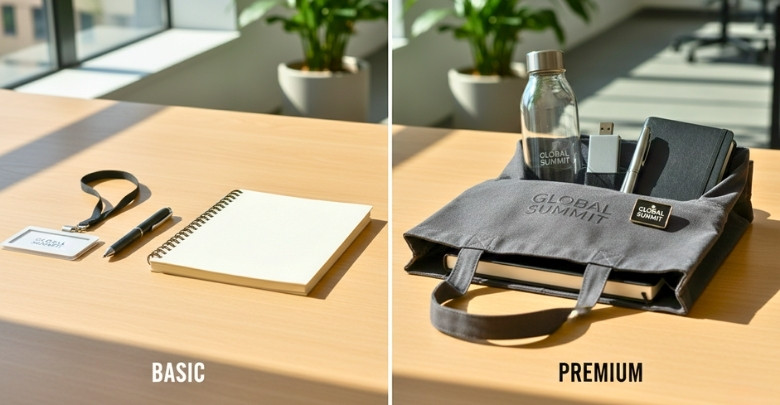
Every conference kit is designed to make meetings run smoothly and keep participants comfortable. But not all kits are the same, and that’s where the difference starts to show. Some are simple and just get the job done, while others come packed with advanced tools and extra comfort. Let’s take a closer look at what sets basic and premium conference kits apart.
Furniture Setup
Basic conference kits usually come with simple folding tables and regular chairs. They’re fine for smaller meetings where space and budget matter most. Premium kits, on the other hand, use stronger furniture like large conference tables and comfy office chairs. This type of setup looks more professional and makes long meetings easier to handle.
Audio and Visual Gear
You’ll find a projector, a microphone, and maybe a pair of speakers in basic kits. They work well for short sessions or small groups. Premium conference kits take things further with multiple HD screens, top microphones, and professional speakers. They’re made to handle larger rooms and give clearer sound and visuals.
Whiteboard and Writing Tools
A basic kit usually includes a small whiteboard or a flipchart. It’s good enough for quick notes or brainstorming ideas. Premium kits feature big whiteboards or digital boards that are easier to read from a distance. These tools make it simple to share ideas with everyone in the room.
Extra Conveniences
Basic conference kits come with small extras like a mini fridge, a coffee pot, and maybe a trash bin. Premium ones offer much more, such as full-size refrigerators, microwaves, and even Keurig coffee makers. They also include complete starter packs with coffee, creamers, and stirrers. This makes longer meetings feel more relaxed and comfortable for everyone.
Technology and Control
Premium conference kits stand out when it comes to tech setup. They have control systems that manage sound, video, and screen changes easily. These kits make it simple to switch between speakers or presentations smoothly. Basic kits don’t have these smart systems, so users might need to adjust everything by hand.
Space and Scale
Basic kits fit best in smaller meeting rooms or local gatherings. They offer just what’s needed without taking too much space. Premium kits are designed for big conference halls or important corporate events. They create an organized, modern space where large groups can communicate comfortably.
For Event Organizers
When you plan an event, it’s important to know which setup matches your goals. Basic kits are great for short or casual meetings. But for high-profile events or business conferences, premium setups work better. If you’re looking to prepare a conference kit for attendees, think about what kind of experience you want to provide.
How to Create a Budget-friendly Conference Kit?
Building a budget-friendly conference kit doesn’t mean cutting quality—it’s about spending smart and choosing what truly matters. A well-planned kit helps organizers save money while keeping attendees comfortable and engaged. Let’s look at the steps to create an affordable yet professional conference setup.
Plan the Essentials
- Write down every important item your conference needs before buying anything. This helps prevent unnecessary spending and keeps priorities clear throughout the setup.
- Focus only on tools that make meetings easier, such as chairs, tables, and simple audiovisual equipment. Avoid extras that don’t add value or function.
Set a Realistic Budget
- Decide how much you can afford before purchasing supplies or technology. This ensures you don’t spend more than necessary during preparation.
- Divide your budget into categories like furniture, audio, and refreshments. Doing this keeps spending balanced and avoids surprises later.
Compare Supplier Prices
- Always check prices from multiple sellers before finalizing purchases. You’ll often find better deals or discounts with small business suppliers.
- Read reviews and compare quality levels along with prices. Cheap products that break easily end up costing much more later.
Choose Multipurpose Items
- Pick items that serve more than one purpose, like a projector with built-in speakers. It saves space and reduces total expenses.
- Chairs with foldable designs or tables with wheels offer flexibility. They’re easy to store and use across different events.
Buy in Bulk
- Order supplies in larger quantities when possible. Bulk deals usually reduce per-unit costs and save money over multiple events.
- Coordinate with other organizers or departments to share bulk orders. Group purchases lower delivery costs and improve price negotiation options.
DIY and Reuse
- Use existing office supplies creatively instead of buying new ones. Repainting old chairs or tables can give them a fresh look.
- Store and reuse non-perishable items after each event. This habit reduces waste and cuts future conference costs significantly.
Keep Comfort Simple
- Offer basic refreshments like water, tea, or instant coffee instead of expensive catering. It keeps guests refreshed without heavy spending.
- Arrange a small rest corner with cushions or stools for quick breaks. Simple touches create comfort without raising the budget.
Why It’s Worth Investing in a Good Conference Kit?
Every successful meeting or event starts with the right setup. A well-equipped conference kit makes everything smoother, from presentations to discussions. It helps people stay focused and makes communication feel effortless. Let’s explore why getting a good conference kit is actually a smart idea.

Better Communication
Good conference kits ensure everyone can hear and see clearly during discussions. High-quality microphones and speakers make voices sound crisp and natural. When people communicate without interruptions, meetings run smoothly and productively. It also saves time since no one needs to repeat themselves.
Professional Look
Creating a well-set conference space leaves a lasting impression on visitors. Comfortable chairs, bright displays, and neatly arranged tools make the setup feel serious and polished. Guests and team members immediately sense professionalism when everything functions seamlessly, showing that the organizers truly value quality and comfort.
Improved Efficiency
Good equipment helps meetings stay on track and avoid delays. Fast connections, reliable projectors, and clear visuals make presentations go faster. When tools work properly, everyone can focus on sharing ideas instead of fixing problems. Efficient meetings often lead to better results and stronger teamwork.
Comfort and Convenience
Attendees enjoy a more pleasant experience when the room feels comfortable. Simple things like good lighting, air conditioning, and soft seating make a big difference. Offering small refreshments also helps keep energy levels high during long sessions. These small details make meetings easier to sit through and remember.
Long-term Savings
Buying quality conference kits may cost more at first, but it saves money later. Cheap setups break faster and need frequent repairs or replacements. Durable furniture and reliable AV equipment last much longer and perform better over time. In the end, investing early reduces long-term spending and frustration.
Flexibility for Events
With a good kit, it’s easier to adjust setups for different meeting styles. You can host small team sessions or large group conferences easily. The same equipment works across various spaces without needing constant upgrades. This flexibility keeps events organized and less stressful to manage.
Right Equipment Mix
Every great setup includes both comfort and technology in balance. Having the right mix of standard conference kit items ensures the space feels professional yet simple to use. It prevents technical chaos while making presentations smooth for everyone involved. Smart choices in setup create a perfect blend of practicality and style.
FAQs About the Cost of Conference Kits
Conference kits come in many types and price ranges, which can confuse buyers. To help you understand better, here are some frequently asked questions with clear answers. These will guide you in choosing the right kit for your event or meeting.
What Is Included In A Typical Conference Kit?
A conference kit usually includes essentials like microphones, cameras, and speakers for communication. It may also have tables, chairs, and refreshments for attendees. Some premium kits add video walls or projectors, offering a complete setup for both physical and hybrid meetings.
Are Conference Kits Sold Or Rented?
Conference kits can be either bought or rented, depending on event needs and budget. Buying suits for long-term corporate use, while renting helps for one-time events. Rental options usually include technical support, reducing setup stress and maintenance costs overall.
How Much Does Shipping Add To The Cost?
Shipping costs depend on size, weight, and the location of delivery. Large or heavy kits can increase expenses due to freight charges. Local deliveries are cheaper, while international shipping may include taxes, packaging fees, and customs duties, raising total costs.
Do Custom Conference Kits Cost More?
Yes, custom conference kits are usually more expensive than standard ones. Personalization, like branded packaging, logo printing, or personalized accessories, adds cost. However, they create a more professional impression and improve attendee experience, making them worth the investment for many organizers.
Are There Discounts For Bulk Orders?
Most suppliers offer discounts for bulk purchases of conference kits. Ordering in large quantities lowers per-unit cost and shipping fees. Companies hosting multiple events yearly often save more by negotiating long-term supply contracts or recurring purchase deals with vendors.
How Do Virtual Conference Kits Differ In Cost?
Virtual conference kits, designed for remote participants, often cost less than physical event setups. They may include digital materials, branded gifts, or simple gadgets. Prices depend on customization and shipping, usually ranging from $20 to $100 per kit.
What Affects The Maintenance Cost Of A Kit?
Maintenance costs depend on how often the equipment is used and its quality. Regular cleaning, cable replacements, and software updates may add small recurring expenses. High-end systems last longer but require occasional servicing to maintain audio and visual clarity.
Can Small Businesses Afford A Conference Kit?
Yes, small businesses can start with basic conference kits priced between $30 and $500. These include affordable microphones, speakers, and small displays. As the company grows, it can gradually upgrade equipment for better quality without major financial strain.
Wrap Up
A good conference kit makes meetings easier and more comfortable for everyone. You can choose a simple setup for small meetings or a full package for big events. Knowing how much does a conference kit cost helps you spend wisely and stay within your budget.
The right kit keeps things organized, improves communication, and saves time during presentations. It also makes your event look more professional without too much effort. In the end, investing in a good conference kit is not just about price—it’s about making every meeting smooth, easy, and successful.