Conferences are a way for people to come together, share ideas, and learn from each other. With hybrid events, you don’t have to choose between meeting in person or online—they give you both options. This makes it easier for more people to join, helps save on travel costs, and is better for the environment. If you thinking are hybrid conference effective or not?
Yes, hybrid conferences are effective if planned well. They let people join either in person or online, making it easy for more people to attend. They save travel costs and help the environment. But if not managed properly, tech problems and less engagement for online guests can be a challenge.
In the rest of this article, we’ll look at how to get the most out of hybrid conferences and why they’re becoming a popular choice.
Are Hybrid Conference Effective?
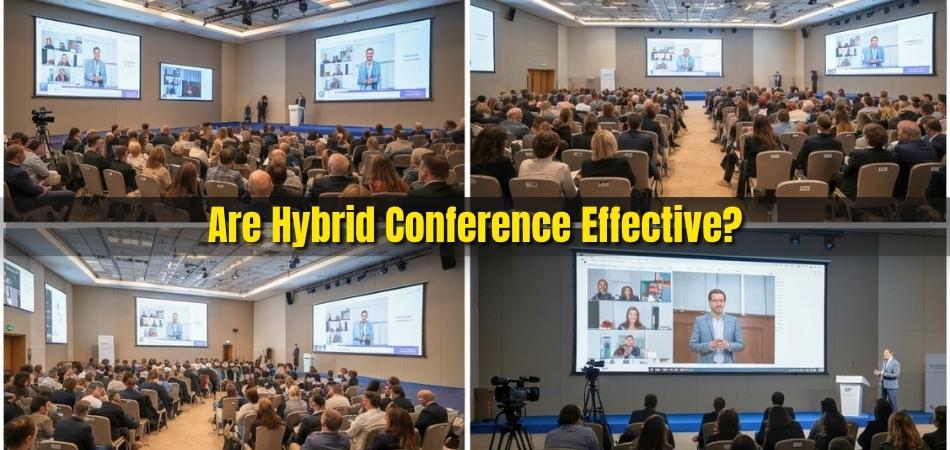
Yes, hybrid conferences are effective. They allow people to join in person or virtually, which increases flexibility. More attendees can take part without worrying about high travel costs or long flights. These events also lower carbon emissions, making them a responsible choice for the modern world. Here are some of the main reasons hybrid conferences are proving to be both practical and impactful worldwide.
Accessibility for Everyone
Hybrid conferences make it easier for people across the world to participate in events without expensive travel. Attendees can join from their offices, homes, or even while traveling, which adds great flexibility. This format ensures that no one is left out because of location or financial restrictions. In countries like the USA, Germany, or Japan, this accessibility is helping conferences attract diverse international audiences.
Such events often create opportunities for speakers to connect with global audiences without facing logistical problems. By offering both digital and physical options, organizers can meet different preferences without heavy stress. Attendees in remote towns or smaller regions can finally access knowledge and sessions once limited. This worldwide reach strengthens the importance of conferences and creates more valuable interactions across industries and communities.
Cost Savings
Hybrid events reduce travel costs for both organizers and attendees, making participation more affordable for everyone. Without flights, hotels, or meal expenses, attendees can join from their own spaces without extra burdens. Organizers also save money on large physical venues, allowing them to host more sessions efficiently. Reduced expenses make it easier for companies to send multiple team members to attend together.
The savings encourage people from small businesses and startups to attend events previously beyond their budgets. Attendees can focus funds on learning resources, workshops, or courses offered during these hybrid programs. This wider inclusion makes conferences more balanced and helps different industries bring new ideas together. Cost-friendly participation is one of the biggest reasons hybrid events continue to grow.
Environmental Benefits
Hybrid conferences cut down on the number of flights, reducing the overall environmental impact of global events. Fewer attendees traveling long distances means lower carbon emissions, which is crucial for a sustainable planet. By limiting the demand for large venues, energy use and waste also decrease significantly. These small shifts contribute to long-term environmental improvements across industries and communities.
Companies and organizations gain goodwill when they choose hybrid events for eco-friendly values and sustainable practices. People today care deeply about climate change, making them support events that align with environmental awareness. Hybrid programs show responsibility while offering the same level of learning and collaboration opportunities. With rising concerns about the planet, hybrid conferences provide a balanced and thoughtful approach.
Technical Reliability
One major challenge in hybrid events is ensuring the technology works smoothly without sudden breakdowns or delays. Poor internet connections, broken microphones, or weak streaming platforms can frustrate attendees quickly. Organizers must invest in good equipment and stable systems to maintain professionalism. If technology fails, the event risks losing credibility and trust with participants.
Testing everything before the event helps organizers avoid stress and unexpected technical disasters. Having backup systems ensures online attendees remain connected throughout the sessions without interruptions. Tech support teams are critical, as problems often need fast solutions during live discussions. Smooth streaming builds confidence and guarantees attendees leave with positive experiences.
Engagement for Online Attendees
Keeping online participants engaged requires more effort than traditional face-to-face interactions in conference halls. Without active tools, many remote attendees feel ignored or disconnected during live sessions. Polls, Q&A sessions, and chat features encourage participation and keep online guests involved. Creating small breakout rooms also helps foster conversations among virtual participants.
Hybrid events need moderators dedicated to focusing on the digital attendees’ experience specifically. Acknowledging online participants ensures they feel valued, which boosts their enthusiasm. Recording sessions allows attendees who miss live streams to catch up later without pressure. These strategies make the online experience equal in value to physical attendance.
Networking Opportunities
Networking is one of the biggest reasons people attend conferences, and hybrid events are no different. Meeting in person allows for stronger bonds, while online platforms expand these connections globally. Virtual networking lounges or apps let people chat easily, regardless of where they are. This blend enhances the overall networking value of the conference.
Hybrid formats create chances for casual conversations that often lead to future collaborations. Virtual attendees can message each other, set appointments, and share projects without logistical stress. Organizers can also match attendees with similar interests using digital networking tools. These opportunities strengthen the main goal of conferences: building long-lasting professional relationships.
Flexibility for Organizers
Organizers enjoy flexibility by offering hybrid formats that combine online platforms with physical venues. They can manage different audience sizes without compromising engagement or value. If the number of physical attendees drops, online spaces can easily balance participation. This adaptability helps organizers adjust quickly to unexpected changes or global restrictions.
Flexibility also supports speakers who cannot travel but still want to share insights with global audiences. Organizers can include more diverse speakers from multiple countries without increasing event budgets. Hybrid planning allows more scheduling options for both attendees and presenters alike. This flexibility makes hybrid events a secure choice for uncertain times.
Global Reach
Hybrid conferences extend participation beyond borders, connecting industries and people from multiple countries. They create cultural exchanges that enrich the learning experience. Popular destinations like conferences in USA, Canada, Germany, and Singapore continue to attract audiences, both online and offline. This mix of global interest highlights how hybrid formats break barriers.
International attendance means more knowledge sharing, stronger networks, and exposure to new ideas. Organizers gain recognition worldwide, making their events trusted and reputable across industries. Attendees benefit from diverse perspectives that broaden professional and personal understanding. Such global reach makes hybrid events valuable for every participant.
How Do Hybrid Conferences Compare on ROI to Fully Virtual or in-person Events?
Conferences are always about bringing people together, but the way they are held has changed a lot. Some events take place in large halls with people meeting face to face, while others are fully online. Now, hybrid conferences give both choices, letting people attend in person or from home. Here’s a look at how these formats compare when measuring value, reach, and overall return on investment (ROI).
Cost Balance
Hybrid conferences often cost more to set up than virtual ones, because you need both a venue and online tools. However, they are usually less expensive than hosting huge in-person gatherings with travel, hotels, and catering. This balance makes them attractive for companies wanting to save but still connect. Organizers can control budgets better while offering both options to attendees.
Audience Reach

Hybrid events attract a wider audience compared to in-person events because people can join from anywhere in the world. Online attendees can log in without worrying about travel, while others still enjoy face-to-face meetings. This larger reach can bring more recognition for the event and more participants overall. It’s a way of keeping doors open for everyone.
Engagement Level
In-person events allow deeper conversations and stronger personal connections than online events alone. But hybrid programs create interactive tools like polls, chats, and Q&A sessions to keep everyone engaged. This can make online guests feel included instead of being silent watchers. Good engagement often leads to better results for the event’s purpose.
Sponsorship Value
Sponsors usually see more value in hybrid events because they reach both physical and virtual audiences. They get visibility in the hall with banners, but also appear on screens for online viewers. This double exposure means more attention and more opportunities to promote their brand. Sponsors often find hybrid conferences worth the investment compared to just one style.
Networking Options
Face-to-face networking feels natural, but hybrid events add more ways for people to connect. Online chat rooms, digital lounges, and meeting apps give virtual attendees chances to build contacts too. Mixing these with in-person sessions expands the networking pool for everyone involved. Attendees often leave with more contacts than from just one type of event.
Learning Experience
Learning is richer in hybrid events because attendees can choose what works for them. Some people prefer being in the room, while others enjoy the comfort of online sessions. Recordings also allow participants to revisit sessions later if they missed something. This flexibility helps people absorb more knowledge without feeling rushed.
Return on Investment
ROI for hybrid events often ends up higher than in-person or virtual alone. More people attend, sponsors get greater visibility, and engagement stays strong with both sides involved. While setup costs are higher, the overall benefits balance out the expenses. This makes hybrid formats attractive for organizers aiming for lasting results.
What Technical Setup Ensures Equal Experience for Virtual Attendees?
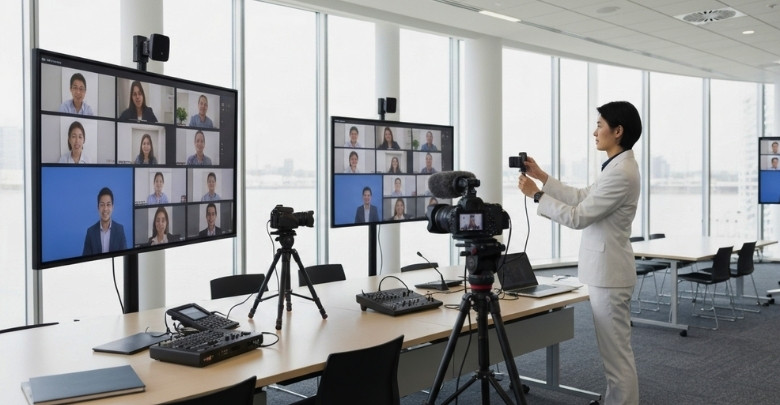
A successful hybrid event needs the right tools to give remote participants the same value as in-person guests. Without proper setup, virtual attendees can feel left out and lose interest quickly. Good planning and strong technical support create smoother, more equal experiences for everyone involved. Here are the key technical elements that help achieve that balance.
Strong Internet Connection
- A powerful internet connection is crucial because it keeps live video and audio streams clear and uninterrupted throughout. Stable connections prevent awkward pauses or sudden disconnections that frustrate attendees and break the flow of presentations completely.
- Organizers often choose dedicated high-speed internet lines, which reduce the risks of lags and streaming delays effectively. This ensures that online attendees feel included and can follow sessions without missing important parts of discussions.
Quality Audio Systems
- Good microphones capture voices clearly, allowing remote participants to hear speakers without distortion or distracting background sounds. Clear audio helps remote guests stay engaged, even if they cannot see every gesture or visual properly.
- Noise cancellation tools add professionalism by filtering out unwanted sounds that could disrupt communication between speakers and audiences. These systems create smoother conversations and keep attention focused on the actual message being delivered to participants.
Professional Video Setup
- High-definition cameras placed at different angles make it easier for virtual attendees to see speakers and presentations. This setup provides more natural viewing and helps online guests feel part of the real environment.
- Proper lighting ensures presenters appear bright and clear, rather than shadowed or blurred during live streams or recordings. Good visuals make the sessions look professional, which boosts attention and overall participation from online audiences.
Reliable Streaming Platforms
- Platforms like Zoom, Microsoft Teams, or other dedicated services handle large audiences without crashes or poor performance issues. Choosing stable platforms ensures every participant has access to important sessions without stress or confusion.
- Many organizers follow hybrid conference best practices by testing different streaming tools to find what suits their event. This careful planning improves accessibility, creating smoother and more reliable experiences for both virtual and in-person audiences.
Interactive Tools
- Live polls, quizzes, and chat options keep online attendees active, rather than sitting silently during sessions. Interaction boosts attention levels and makes digital guests feel their input is valued equally with in-person attendees.
- Breakout rooms give smaller groups a chance to share thoughts freely and build personal connections across virtual spaces. This structure mirrors real-life conversations, allowing online participants to form meaningful discussions with peers and speakers.
Technical Support Teams
- Trained staff monitor audio, video, and internet stability, solving problems quickly if issues arise during sessions. This proactive support makes virtual attendees feel secure that any issues will be addressed without delays.
- Support teams also assist attendees with login problems, audio settings, or navigation through event platforms and features. This hands-on help keeps participation smooth, so no one feels left out or unable to join.
Recording and Playback
- Recording live sessions allows remote attendees to revisit content if they miss parts or want a deeper understanding. This provides extra value, making the conference more flexible for people managing busy schedules or different time zones.
- On-demand playback options keep the event alive beyond the original date, extending its benefits to larger audiences. Attendees can review discussions again, ensuring they capture every insight without the pressure of live attendance.
Device Compatibility
- A setup that works well across laptops, tablets, and smartphones ensures greater inclusivity for every participant involved. Compatibility helps attendees connect using whichever device they find most comfortable or accessible at the time.
- Platforms optimized for multiple devices reduce the chances of technical issues that could cause frustration for digital participants. By keeping it simple, organizers make events approachable for people using different devices across the world.
How to Budget for AV and Platform Costs in Hybrid Events?
Every hybrid event needs planning, especially when money is involved, because costs can grow if things aren’t managed carefully. Audio and video systems make the event look professional, but they also need proper budgeting. Here is how to budget for AV and platform costs in hybrid events.
Clear Budget Goals
Start by setting a clear budget that matches the size and purpose of your hybrid event. Knowing what you can afford prevents unnecessary stress later. Break down spending into sections like venue, AV equipment, and online platforms. This division makes it easier to track where the money goes.

Equipment Choices
Decide early whether to rent or buy AV equipment based on how often events are held. Renting is cheaper for occasional use, while buying works better for frequent events. High-quality cameras and microphones might cost more but give smoother experiences. Always compare prices from different vendors before making a decision.
Platform Selection
Event platforms vary in price depending on features like breakout rooms, recording, or live translations. Choose one that meets your audience’s needs without paying for extras you won’t use. Platforms with interactive tools often improve participation, making them worth the cost. Testing platforms before finalizing avoids future disappointment.
Hidden Expenses
Remember that not all expenses show up at the beginning of planning. Internet upgrades, backup systems, or technical support can add surprise costs. Including a small cushion in the budget helps cover these unexpected charges. This way, you won’t get stuck overspending during the event.
Value of Staff
Hiring skilled staff to handle technology may seem costly, but it prevents major issues during the event. Trained technicians keep everything running smoothly, saving time and avoiding stress. Their presence also reassures speakers and attendees about quality. Paying for good staff is always an investment worth making.
Comparing Vendors
Ask for quotes from multiple vendors to get the best deal on AV systems or event platforms. Some companies offer package deals that combine several services at a lower price. Comparing options helps avoid paying more than necessary. Always check reviews or feedback before finalizing any vendor.
Industry Trends
Different industries budget differently for hybrid events depending on their needs and priorities. For example, technology events often spend more on interactive features compared to cultural gatherings. Many industries benefiting from hybrid conferences adjust their budgets to balance costs with engagement value. Watching trends can guide better financial planning.
Strategies to Boost Networking for Remote Participants
Networking is one of the biggest reasons people attend conferences, whether online or in person. Remote participants often feel distant and disconnected if events lack proper interaction. A thoughtful approach can make them feel equally included and valued. With the right strategies, online guests can build real connections that last long after the event ends. Here are the strategies to boost networking for remote participants.

- Virtual Lounges: Create online lounges where attendees can casually talk and connect, simulating informal hallway conversations. These spaces give remote participants real opportunities.
- Breakout Rooms: Smaller breakout sessions allow participants to join focused conversations. They provide an easier space for introductions and personal networking growth.
- Interactive Chats: Encourage active chat features during presentations so people can share quick thoughts. This helps remote participants feel noticed and included.
- Scheduled Meetups: Offer scheduled networking sessions for online participants with clear topics. This structure ensures meaningful conversations rather than scattered interactions.
- Gamified Activities: Include fun games or challenges that require teamwork. Such activities spark connections naturally and encourage relaxed engagement among attendees.
- Matchmaking Tools: Use digital tools that match participants with shared interests. This makes it easier to find valuable conversations and contacts.
- Q&A Sessions: Live Q&A lets remote guests ask questions directly to speakers. It builds confidence and creates direct engagement with experts.
Frequently Asked Questions About the Effectiveness of Hybrid Conferences
Hybrid conferences have become very popular, but many people still have questions about how effective they really are. They combine in-person and online experiences, which can sometimes be tricky to manage. Here are some common questions and clear answers.
Do Hybrid Conferences Help With Inclusivity?
Yes, hybrid conferences improve inclusivity because they allow people from different countries and backgrounds to join easily. Attendees who cannot travel because of costs, distance, or health concerns still get equal chances to learn, connect, and participate effectively.
Can Hybrid Conferences Improve Learning Outcomes?
Hybrid conferences often improve learning because sessions are available both live and recorded. Attendees can revisit recordings later, which deepens understanding. Online participants use interactive features while in-person guests engage directly, creating a balance that supports different learning preferences effectively.
Are Hybrid Conferences Good For Smaller Organizations?
Yes, smaller organizations benefit since they save money on travel and accommodation costs. They can send more employees online while still sending key representatives in person. This combination allows broader participation without overspending, making hybrid formats suitable for limited budgets.
Do Hybrid Conferences Offer Long-Term Value?
Hybrid conferences provide long-term value because recordings and online resources remain available after the event ends. Attendees can revisit sessions, share highlights with colleagues, and continue networking. This extended access makes the investment more worthwhile compared to traditional one-time gatherings.
Can Hybrid Conferences Strengthen Global Collaboration?
Yes, hybrid conferences connect professionals across borders, creating opportunities to share ideas globally. International speakers and attendees participate without travel stress. This diversity leads to stronger discussions, new perspectives, and fresh opportunities, helping global industries work together more effectively than before.
Are Hybrid Conferences Suitable For Training Purposes?
Hybrid events are great for training because they mix hands-on sessions with digital learning tools. Instructors can interact with in-person groups and engage online participants simultaneously. Recorded sessions also allow employees to review lessons later, improving retention and practical understanding significantly.
Do Hybrid Conferences Increase Brand Visibility?
Yes, hybrid events increase brand visibility because companies reach both physical and digital audiences. Sponsors and speakers gain attention through online platforms, live sessions, and recorded materials. This extended reach makes hybrid conferences an effective choice for businesses seeking recognition globally.
Are Hybrid Conferences Flexible During Uncertain Times?
Hybrid conferences are highly flexible since they adapt to unexpected situations like travel restrictions or sudden venue issues. Organizers can continue sessions online while maintaining in-person options where possible. This flexibility ensures events succeed even during unpredictable global challenges effectively.
Concluding Thoughts
Hybrid conferences show that mixing in-person and online options makes events more useful for everyone. They help people save money, cut travel, and still give a chance to meet and learn together. Good planning and reliable tools make the experience smooth for both sides.
Many people ask—are hybrid conference effective—and the answer is yes, when managed properly. They bring more people in, offer a wider reach, and give strong value to organizers and attendees. With simple setups and clear goals, these events work well. Hybrid conferences are shaping the future by keeping learning open, affordable, and accessible for all.