Ever attended a conference where everything felt effortless, from the speaker introductions to the audience discussions? Behind that smooth experience stands a skilled professional who quietly manages the flow of the event. They make sure ideas connect, speakers stay on time, and every participant feels involved.
So, what is a conference facilitator? A conference facilitator is the person responsible for guiding discussions, managing transitions, and keeping the event engaging from start to finish. They ensure that each session runs smoothly, allowing speakers to focus on sharing ideas while participants stay connected and attentive.
They’re the unseen force that transforms a schedule into a meaningful experience. Curious to learn how they do it and why their role is essential? Keep reading to explore their impact, responsibilities, and the skills that make them indispensable.
What is a Conference Facilitator?
A conference facilitator is the individual responsible for guiding the overall flow and communication of an event. They ensure that sessions stay on track, discussions remain focused, and every participant feels included. Their coordination helps maintain professionalism while creating an interactive environment for both speakers and attendees.
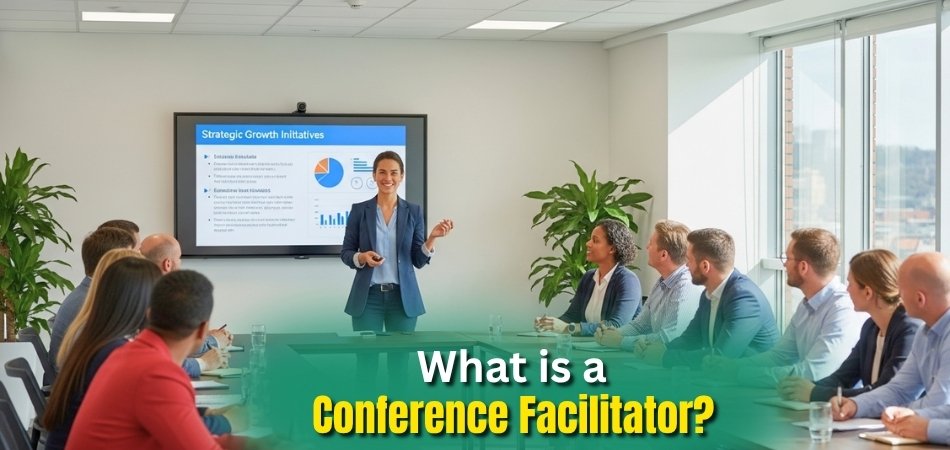
Beyond structure and timing, a facilitator adds value by facilitating collaboration and minimizing confusion. They balance voices, manage transitions, and help organizers achieve the event’s purpose. In global events like the upcoming conferences in Canada, the USA, or anywhere else, facilitators play a vital role in ensuring that ideas are shared effectively. To understand their contribution better, here are the key roles and responsibilities that define their work.
Session Management
A facilitator plans and monitors the overall session flow, introducing speakers, maintaining focus, and ensuring sessions end on time. They make quick adjustments to keep schedules aligned, ensuring continuity between sessions. Their presence helps prevent disorganization and ensures every segment supports the event’s objectives effectively.
Audience Interaction
Facilitators keep audiences engaged through interactive discussions, live polls, and Q&A sessions. They bridge the gap between speakers and participants, promoting mutual understanding. By creating an open space for dialogue, they make sure attendees remain active contributors rather than passive listeners, enriching the learning experience for everyone involved.
Time Control
They are responsible for keeping every part of the program within its scheduled duration. A facilitator monitors timing carefully to avoid overruns or rushed sessions. Their awareness of pacing ensures smooth transitions and equal opportunities for all speakers, which maintains the energy and rhythm of the entire event.
Speaker Coordination
A facilitator assists speakers by handling their introductions, preparing presentation materials, and troubleshooting technical issues. They also manage transitions between speakers to avoid awkward pauses or delays. Through clear communication and on-site support, facilitators help speakers deliver confidently while maintaining the audience’s attention throughout the conference.
Conflict and Flow Management
In moments of disagreement or confusion, facilitators step in to realign discussions respectfully. They encourage balanced participation and redirect conversations toward productive outcomes. Their calm, neutral approach ensures that differing opinions are addressed constructively, allowing sessions to progress smoothly without tension or distraction.
In short, a conference facilitator ensures that every idea is heard, every minute is valued, and every session reaches its purpose. Their contribution transforms a regular event into a coordinated, memorable experience for all participants.
Why Are Conference Facilitators Important for Event Success?
A conference’s success depends not just on speakers or planning but on how effectively it’s managed in real time. Facilitators play a central role in shaping this success through coordination, communication, and adaptability. They make sure every session flows naturally, keeping participants engaged and helping the event achieve its core objectives. Their ability to think quickly, maintain composure, and handle multiple aspects at once makes them an essential part of any event team. To understand the real value behind the role of a conference facilitator, let’s look at how their involvement influences every stage of the event.
Maintaining Focus and Flow

Facilitators ensure each session stays on track by managing discussions and transitions. They prevent topic drift and balance participation between speakers and attendees. Their focused guidance keeps everyone aligned with the event’s goals, ensuring the agenda progresses smoothly without confusion or unnecessary delays.
Managing Unexpected Issues
Events rarely go perfectly as planned. Facilitators step in when problems arise—such as a delayed speaker or technical glitch—to keep things moving calmly. For example, during a panel delay, a facilitator might initiate an open Q&A or discussion to maintain engagement and avoid downtime for participants.
Strengthening Communication and Collaboration
Facilitators act as the communication bridge between speakers, organizers, and attendees. They interpret audience feedback, clarify points, and help resolve misunderstandings in real time. Their presence enhances collaboration by ensuring everyone feels heard, fostering a respectful and inclusive environment that contributes to a more meaningful event experience.
Enhancing Attendee Satisfaction
By keeping sessions engaging, timing balanced, and discussions clear, facilitators directly influence how attendees perceive the event. Their attentive coordination helps create a positive environment where participants feel valued. This satisfaction often translates into stronger networking, repeat attendance, and lasting trust in the event organizers.
Conference facilitators transform potential challenges into opportunities for connection and clarity. Their steady guidance ensures that every event feels organized, interactive, and professionally managed from start to finish.
What Makes a Good Conference Facilitator?
A good conference facilitator blends leadership with empathy, ensuring discussions remain productive and participants feel valued. Their strength lies not in controlling the event but in guiding balanced participation where every voice is heard. They create an atmosphere of inclusion, clarity, and confidence that keeps the entire event engaging and well-structured. Here’s a look at the key qualities that make a conference facilitator truly effective.

Strong Communication Skills
Effective facilitators communicate with clarity and purpose. They listen actively, summarize ideas, and express messages in ways that connect both speakers and attendees. Clear communication keeps discussions focused, encourages interaction, and prevents confusion among participants throughout the event..
Adaptability in Changing Situations
Flexibility is vital in facilitation. A great facilitator adjusts to unexpected changes, such as time shifts, technical issues, or speaker cancellations. They remain composed and solution-driven, ensuring that the event continues smoothly without participants feeling disrupted or disengaged from the overall experience.
Empathy and Neutrality
An effective facilitator remains empathetic yet neutral. They understand different perspectives and ensure fair participation without showing bias. This balance allows for open, respectful exchanges where everyone’s input is valued, helping maintain harmony in group discussions and panel sessions regardless of differing viewpoints.
Confidence and Presence
Facilitators project calm authority that encourages trust. Their confident tone, body language, and control over the room set a positive atmosphere. Even when challenges arise, their composed presence reassures participants that everything is under control, maintaining engagement and professionalism throughout the event.
Time and Organization Management
Time discipline defines a facilitator’s effectiveness. They manage sessions precisely, ensuring equal time for speakers, discussions, and transitions. Organized planning and real-time adjustments help avoid overruns and rushed conclusions, keeping the entire conference aligned with its intended schedule and objectives.
A great conference facilitator masters both the human and structural sides of an event. Their combination of empathy, clarity, and organization ensures every conference feels purposeful, balanced, and memorable for everyone involved.
Facilitator vs. Moderator: What’s the Difference?
While both facilitators and moderators contribute to a conference’s success, their roles differ in scope and responsibility. A facilitator manages the overall event flow, keeping sessions, speakers, and participants aligned. And a moderator, on the other hand, guides a single panel or discussion, focusing on its tone and direction.
The significance of conference facilitators lies in their ability to maintain balance between structure and interaction, ensuring that every part of the event connects seamlessly. To understand how their responsibilities differ from moderators, let’s explore the key areas that define each role in managing events and audience engagement.
Scope of Responsibility
A facilitator manages the entire conference environment, from pre-event preparation to post-session transitions. They ensure every session connects smoothly and maintains continuity throughout the program. Moderators, on the other hand, focus only on guiding one particular panel, maintaining focus within that limited discussion space.
Focus and Interaction
Facilitators handle both speaker coordination and audience involvement throughout the event. They work behind the scenes and on stage to maintain structure. Moderators concentrate on steering dialogue between panelists, ensuring balanced contributions, and keeping the topic relevant to the session’s main theme.
Skill Application
Facilitators rely heavily on organizational, communication, and leadership skills to manage logistics and engagement across multiple sessions. Moderators primarily use interviewing and critical listening skills to keep conversations meaningful and on track, intervening only when necessary to maintain focus and clarity.
Decision-making and Neutrality
A facilitator ensures all stakeholders are aligned, making decisions that affect the event’s flow, timing, and overall experience. Moderators do not control the schedule but manage participant interactions and questions within a panel. Both must stay neutral, but facilitators take a broader, process-oriented approach.
| Aspect | Facilitator | Moderator |
| Main Role | Guides the overall event process | Manages individual panels or sessions |
| Focus | Coordination, flow, and engagement | Discussion direction and timing |
| Skill Set | Leadership, organization, empathy | Listening, questioning, topic control |
| Scope | Entire conference | Single panel or session |
| Outcome | Smooth event experience | Balanced discussion among panelists |
A facilitator orchestrates the event’s structure, while a moderator ensures each conversation remains engaging and purposeful. Together, they create a seamless and well-managed conference experience for everyone involved.
Common Challenges Conference Facilitators Face
Even the most skilled facilitators encounter unexpected moments during live events. Managing a room full of people, coordinating schedules, and keeping discussions engaging can be challenging. Let’s explore some common challenges facilitators face and how they handle each situation with professionalism and calm problem-solving.
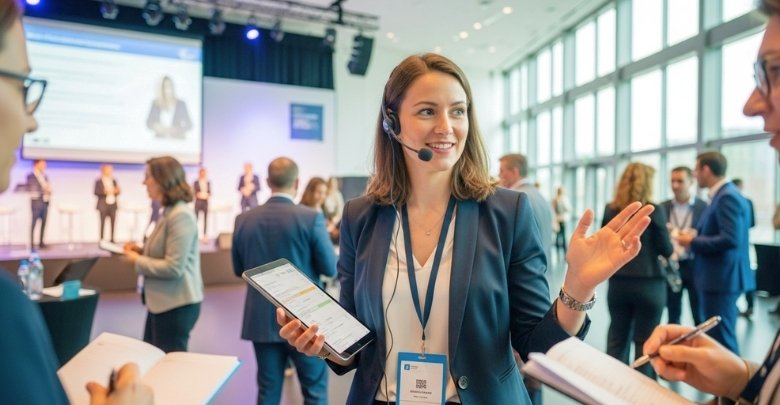
Audience Disengagement
Imagine facing a silent audience after a long lunch break. Facilitators often encounter low energy or hesitation from attendees. To re-engage them, they may use quick icebreakers, thought-provoking questions, or audience polls to rebuild attention and encourage participation, ensuring everyone feels involved again.
Time Overruns
Sessions often exceed their allotted time when speakers get carried away or discussions extend longer than planned. A skilled facilitator monitors time discreetly, giving gentle cues or summaries to help speakers conclude naturally. This keeps the event on schedule while respecting the flow of meaningful discussion.
Speaker Conflicts
Sometimes, speakers may have overlapping points or differing opinions that create tension. Facilitators step in tactfully to maintain balance and focus on constructive dialogue. They acknowledge each viewpoint, summarize common ground, and redirect the discussion toward shared goals, keeping the atmosphere respectful and cooperative.
Technical Difficulties
Unexpected glitches, such as microphone issues or presentation errors, can disrupt sessions. A good facilitator remains calm and addresses the audience confidently, perhaps initiating a brief discussion or Q&A while the technical problem is resolved. Their steady attitude reassures participants and keeps the event momentum intact.
These challenges highlight how adaptability and composure define a facilitator’s effectiveness. By anticipating problems and responding calmly, they ensure the event remains organized, engaging, and enjoyable for everyone involved.
Tools and Techniques Used by Modern Facilitators
Modern conference facilitators rely on a mix of digital tools and interactive techniques to keep events engaging and organized. These resources help them manage sessions, connect participants, and create smooth transitions. Here’s how modern facilitators use tools to make events engaging and organized.
Interactive Polling and Feedback Tools
Platforms like Mentimeter and Slido allow facilitators to collect instant feedback and opinions from audiences. These tools make sessions interactive by letting participants vote, ask questions, or share insights in real time. This encourages active participation, even from those who may feel hesitant to speak in front of others.
Virtual Meeting Platforms
For hybrid or online conferences, tools such as Zoom and Microsoft Teams provide essential features like polls, breakout rooms, and live chat. Facilitators use these functions to divide participants into smaller groups, promote discussions, and maintain engagement across virtual environments, ensuring a connected and inclusive experience for everyone.
Time Management and Tracking Tools
Facilitators often use digital timers, session trackers, or apps to monitor the agenda closely. These tools help maintain balance between sessions, ensuring speakers have equal time and that the schedule remains consistent. Clear time management contributes to smoother event flow and prevents audience fatigue.
In-Person Engagement Methods
In live conferences, facilitators rely on note cards, visual aids, and roundtable prompts to keep discussions focused. Techniques like icebreakers, reflection rounds, or short group activities help energize participants, build rapport, and maintain engagement throughout longer sessions. Here are the tools, their purposes, and usages.
| Tool Name | Purpose | Best Used For |
| Mentimeter | Collect audience responses in real time | Polls and interactive feedback |
| Slido | Manage Q&A sessions and audience voting | Live events and webinars |
| Zoom Polls | Engage virtual attendees | Online and hybrid events |
| Time Trackers | Maintain session timing | In-person and digital conferences |
| Note Cards | Support structured discussions | Panel or workshop settings |
Today’s facilitators blend technology with personal techniques to create dynamic, well-balanced conferences. Their adaptability to both digital and traditional methods ensures participants remain involved, informed, and inspired throughout the event.
Steps to Becoming a Professional Conference Facilitator
Becoming a successful conference facilitator requires more than natural communication skills. It involves education, training, and real-world experience. Those who pursue this path learn to combine leadership, organization, and empathy to manage diverse events smoothly. To help you navigate this career path effectively, here are the key steps to follow.
Step 1: Build a Strong Educational Foundation
Start by studying areas related to communication, management, or event coordination. While formal education is not always mandatory, it provides a solid foundation for understanding group dynamics and leadership. Courses in public speaking, psychology, or organizational behavior can strengthen your confidence and professional presence.
Step 2: Gain Real Experience
Practice is essential. Begin by volunteering at local events, workshops, or academic conferences to observe and assist experienced facilitators. These small opportunities help you understand real-time challenges, from managing audience expectations to adjusting event flow, allowing you to develop a calm and effective facilitation style.
Step 3: Participate in Training Programs
Enroll in professional training programs offered by recognized organizations such as the International Association of Facilitators (IAF). These programs teach essential techniques in communication, group management, and problem-solving. Structured training also gives you access to valuable resources and certification opportunities that validate your facilitation skills.
Step 4: Develop Networking Connections
Networking helps expand opportunities in the event industry. Join event management communities, attend facilitator meetups, or connect with professionals through platforms like LinkedIn. Building these relationships allows you to learn best practices, share insights, and stay informed about new facilitation trends and methods.
Step 5: Refine Through Practice and Feedback
Continuous improvement comes from experience. Facilitate smaller sessions or community events and seek feedback from peers and participants. Listening to constructive input helps you refine your timing, communication, and ability to handle diverse audiences with ease and confidence.
Step 6: Get Certification and Build Credibility
Earning certifications such as the Certified Professional Facilitator (CPF) credential can boost your professional reputation. Certification demonstrates your commitment to high standards and provides a competitive advantage when applying for larger or international conference opportunities.
In short, becoming a professional conference facilitator is a steady journey of learning, practice, and growth. Each step builds your confidence and competence, preparing you to lead meaningful, well-organized events with professionalism and skill.
Why Event Success Often Depends on Good Facilitation?
A successful conference depends heavily on how well it is facilitated. Even with great speakers and detailed planning, events can lose focus without proper guidance. A skilled facilitator maintains rhythm and ensures that every session runs smoothly, turning a well-planned agenda into an impactful and memorable experience. Here’s how effective facilitation helps turn a well-organized event into a truly successful experience.
Maintaining Event Rhythm
Facilitators keep events moving with steady pacing and clear transitions between sessions. They prevent long pauses or rushed discussions by managing timing effectively. This consistency helps sustain the audience’s attention and ensures that the conference feels dynamic and well-balanced from start to finish.
Reducing Confusion and Chaos
Unexpected changes or delays can easily disrupt an event’s flow. Facilitators minimize confusion by communicating updates clearly and coordinating with speakers and staff in real time. Their calm presence helps maintain order, ensuring that participants stay informed, comfortable, and confident about the program’s direction.
Enhancing Participant Experience
Facilitators play a major role in shaping how attendees feel about an event. By encouraging participation, managing discussions, and resolving issues discreetly, they create a sense of inclusion and energy. This personal touch keeps attendees engaged, valued, and more likely to view the event positively.
Creating Consistency Across Sessions
Good facilitators maintain thematic consistency by linking one session’s message to the next. They reinforce the event’s main goals and help audiences see connections between presentations. This coherence ensures that participants leave with a unified understanding rather than disjointed takeaways.
As event planners often say, “A facilitator is the calm in the conference storm.” Their guidance turns potential challenges into moments of connection and clarity, ensuring that every event runs with purpose, precision, and participant satisfaction.
The Future of Conference Facilitation in Hybrid and Virtual Events
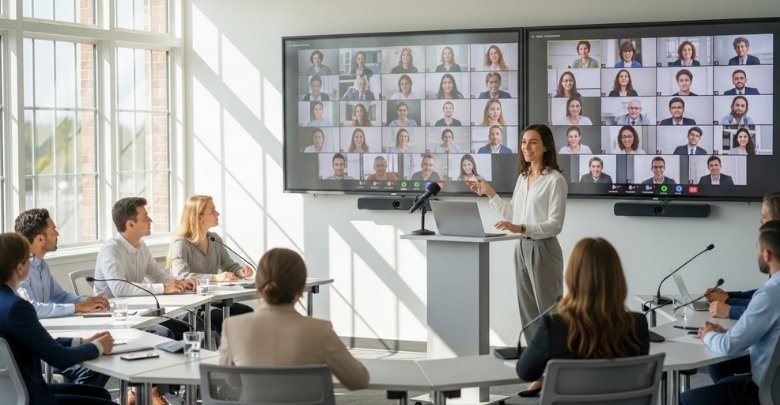
Conference facilitation is entering a new era as technology redefines how people learn, interact, and connect. Hybrid and virtual events have expanded participation beyond physical boundaries, creating exciting opportunities for inclusivity. Here’s how conference facilitation is changing as hybrid and virtual events become the new normal.
Integration of Digital Tools
Modern facilitators use advanced digital platforms such as Zoom polls, Mentimeter, and Slido to engage diverse audiences in real time. These tools allow participants to share feedback, respond to questions, and interact with speakers instantly. By merging technology with communication, facilitators create a sense of participation that bridges distance and strengthens audience involvement.
Rise of Hybrid Event Management
Hybrid events merge both physical and virtual experiences, demanding new levels of coordination. Facilitators ensure equal engagement between on-site and remote attendees by managing timing, discussions, and content delivery simultaneously. They collaborate with digital moderators, use synchronized platforms, and design inclusive activities so that every participant feels equally valued and connected.
AI-Powered Engagement Support
Artificial intelligence is revolutionizing event facilitation by helping automate repetitive tasks. AI tools now assist with time tracking, audience analytics, and real-time sentiment feedback. This gives facilitators more freedom to focus on interaction, creativity, and audience connection, ensuring smoother sessions and smarter engagement strategies in both hybrid and fully virtual conferences.
The Growing Importance of Adaptability
The future demands facilitators who can adapt quickly to shifting event formats, emerging technologies, and audience preferences. Whether guiding live sessions, moderating digital panels, or managing unexpected technical issues, adaptability helps them remain effective. Their flexibility ensures consistent engagement, regardless of location, platform, or the size of the attending audience.
As events continue to blend physical and digital experiences, facilitators will remain the key to maintaining human connection in a tech-driven world. Their evolving role will ensure that conferences stay interactive, inclusive, and inspiring—no matter how the format changes in the years ahead.
Frequently Asked Questions
Curious to learn more about conference facilitators and their growing importance? Here are some of the most common questions people ask after exploring how facilitation works. These answers will help you understand the practical side of this dynamic and evolving profession.
How Does a Conference Facilitator Prepare Before an Event?
A facilitator usually reviews the agenda, communicates with speakers, and studies the event’s theme in detail. They also plan time management strategies and backup solutions for possible issues. Preparation helps them stay confident, organized, and ready to guide every session smoothly.
Can Someone Become a Facilitator Without Prior Event Experience?
Yes, many start by volunteering at small events or assisting senior facilitators. Gaining practical exposure helps build confidence and communication skills. With consistent practice and training, newcomers can gradually move on to managing larger conferences successfully.
What Qualities Help a Facilitator Connect With Diverse Audiences?
Empathy, active listening, and cultural awareness are key. A great facilitator values every opinion, ensuring that participants from different backgrounds feel heard. These qualities help create an inclusive, engaging environment that encourages open dialogue and collaboration.
How Do Facilitators Handle Last-minute Schedule Changes?
Facilitators stay flexible and think quickly under pressure. If a speaker is delayed or a session runs over time, they adjust the flow while keeping the audience informed. Their calm, composed approach ensures the event remains professional and uninterrupted.
What Is The Difference Between a Facilitator and an Emcee?
An emcee focuses mainly on hosting and announcements, while a facilitator manages discussions and interaction. The facilitator’s goal is to guide meaningful communication, not just entertain. Both roles complement each other but serve different purposes within the event.
How Can Technology Improve a Facilitator’s Work?
Digital tools like Slido, Zoom, or Mentimeter help increase engagement and simplify communication. They allow real-time feedback, audience polling, and interactive discussions. These tools make facilitation smoother, helping participants feel connected even in hybrid or virtual settings.
Are Conference Facilitators Still Needed With Virtual Platforms?
Absolutely. Technology supports events, but human guidance ensures connection and flow. Facilitators help balance interaction, encourage participation, and manage time effectively. Their presence keeps digital conferences personal, engaging, and organized, making the overall experience far more meaningful.
Concluding Words
Understanding what is a conference facilitator helps you appreciate the value they bring to every event. They act as the connecting thread between organizers, speakers, and attendees, ensuring that every moment flows smoothly and meaningfully throughout the conference.
A good facilitator combines communication, empathy, and organization to create a balanced experience. They keep discussions on track, manage time effectively, and handle challenges with calm professionalism. Their presence helps participants stay engaged and focused on what truly matters.
These days, with events happening both online and in person, facilitators have never been more important. They know how to guide people, adapt when things change, and keep everything running smoothly. With their support, even a simple event can become something people remember and talk about long after it’s over.