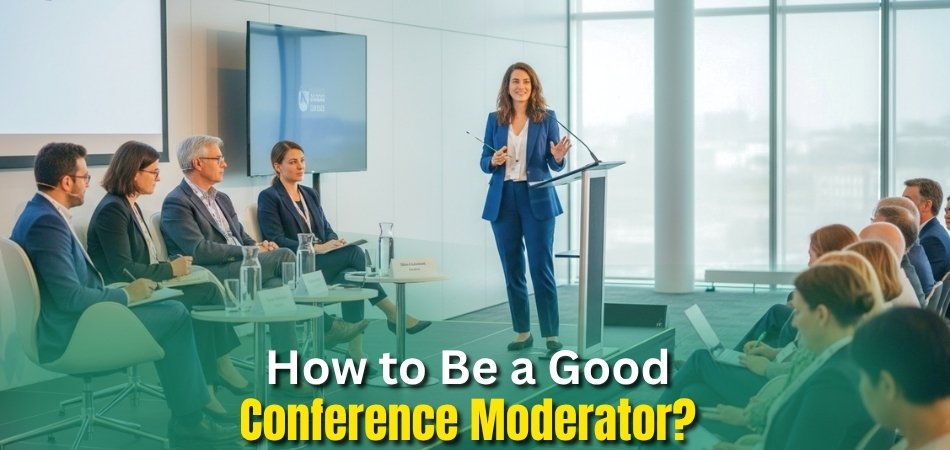
A conference moderator plays a big role in keeping an event smooth, lively, and well-organized. They connect speakers, manage time, and make sure the audience stays engaged. Many people want to learn this skill or improve at it, which brings one common thought to mind: how to be a good conference moderator?
Be a good conference moderator by knowing your audience, researching panelists, and planning a clear session flow. Prepare thoughtful, open-ended questions, balance speaking time, manage the schedule, and keep discussions on topic. End with strong closing remarks that summarize key points and thank participants.
If you are curious about becoming a skilled moderator, you are in the right place. This article shares simple, helpful, and clear tips to guide you. Keep reading to learn everything that can help you perform confidently and make any conference session a success.
How to Be a Good Conference Moderator?
Being a good moderator takes more than asking questions. You need to plan well, know your topic, and help speakers feel comfortable. A moderator guides the talk and keeps the audience interested. Read below to learn simple and helpful tips that will make you confident and ready for any conference.
Know the Audience
Before the event, learn about who will attend the session. Understand their interests, background, and what they expect from the panel. This helps you keep the talk meaningful and easy to follow. When you know your audience, you can ask questions that feel relevant and engaging.
Learn About the Panelists
Spend time studying your panelists’ work, achievements, and views. Check their social media, recent talks, or articles to know what they care about. This helps you build stronger questions and smooth follow-ups. It also shows respect for their knowledge and experience.
Create a Clear Structure
Plan the flow of the session before the event begins. Start with short introductions, then move into key topics. Have a few backup questions in case there is extra time. A clear plan helps the talk move naturally and keeps it on track.
Communicate Before the Event
Reach out to panelists before the event to discuss main themes. Ask them what topics they are most excited to talk about. This builds trust and helps avoid surprises during the session. You can also confirm how they prefer to be introduced.
Prepare Thoughtful Questions
Write a list of open-ended questions that invite detailed answers. Avoid yes-or-no type questions. Try to mix easy, medium, and deeper ones to balance the talk. For example, ask about their experiences, lessons learned, and opinions on trends.
Open With Energy
Start the session with a warm greeting and a clear goal. Let the audience know what they will gain from listening. Keep your opening short but cheerful to set the right tone. Especially for global events like upcoming conferences in Canada, the USA, or any other country. When people come from different places, a friendly start helps everyone connect easily.
Keep the Talk Balanced
Make sure every panelist gets equal time to share their ideas. Watch out for anyone talking too long or going off topic. If needed, politely guide the discussion back on track. A balanced talk feels fair and keeps everyone’s attention.
Manage Time Well
Always keep an eye on the clock. Plan small time slots for each topic and stick to them. Give gentle signals if a panelist is going too long. Good time control helps end the session smoothly and gives space for audience questions.
Handle Audience Questions
Encourage people to ask questions during or after the talk. Repeat their question if it was not clear to everyone. Make sure the question fits the topic and guides panelists to give short, useful answers. This part helps the audience feel more included.
End With Strong Closing Words
Wrap up by highlighting the main ideas discussed in the session. Thank the panelists for sharing their time and views. Give a quick takeaway that the audience can remember. Leave everyone with a positive feeling about the talk and what they learned.
A great moderator makes the session enjoyable and informative for everyone. With practice, preparation, and care, you can lead any discussion confidently. Stay calm, listen carefully, and keep the energy high. Follow these simple tips to make every conference session a real success.
What Does a Conference Moderator Do?
A conference moderator plays a big part in making events run smoothly. They make sure each session starts and ends on time and goes as planned. They also help speakers and keep the audience engaged during discussions. Keep reading to understand what a moderator really does and why this role matters.
Introducing the Speakers

A main task of a moderator is to welcome everyone and start the session. They greet the audience and introduce the speakers in a friendly way. This helps set a good tone and makes the speakers feel valued. One of the first tasks is to confidently introduce yourself as a conference moderator so the audience feels connected and knows who will be guiding the session.
Managing the Flow
Moderators keep the event running in the right order. They make sure each speaker gets their turn and that no one talks too long. They also help move from one topic to another smoothly. This keeps the audience interested and helps avoid confusion during the event.
Keeping Track of Time
Time management is a key part of a moderator’s job. They make sure the session starts and ends on time as planned. They often give speakers gentle reminders when their time is almost up. This helps the event stay on schedule and shows respect for everyone’s time.
Guiding the Discussion
Moderators lead conversations between speakers and help explain key points. They ask simple, clear questions that help the audience understand the topic better. They also make sure the discussion stays polite and focused on the main subject. This makes the session both useful and enjoyable.
Handling Audience Questions
A good moderator helps the audience take part without losing control of the session. They choose questions that add value to the discussion and ask them at the right time. This helps speakers share their thoughts clearly and keeps everyone involved. It also creates a friendly and open event atmosphere.
Every session feels seamless and interesting when the moderator is good. They connect speakers, manage time, and keep the event lively and organized. Their calm and clear guidance helps both speakers and the audience. When done well, this role makes every conference feel well-planned and enjoyable.
Key Qualities of a Good Conference Moderator
A great conference moderator keeps everything running smoothly and makes sure everyone feels heard. They bring energy, stay calm under pressure, and guide discussions so they stay on track. Their job is not just to ask questions but also to keep things clear and fair for everyone. Let’s look at the main traits that make a moderator truly effective.
Confidence
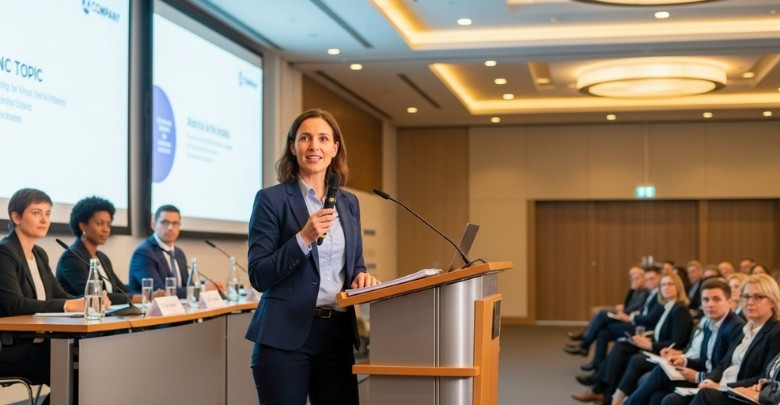
Strong confidence helps both the audience and speakers feel at ease. A moderator who speaks clearly, stands tall, and maintains calm control earns trust quickly. This assurance keeps the focus on meaningful discussion rather than distractions. Being well-prepared also strengthens confidence, ensuring the session flows seamlessly.
Clear Communication
Good moderators use simple, direct language that everyone can follow. They introduce speakers, explain topics, and summarize key points without overcomplicating the message. Clear communication maintains audience attention and sets a smooth, professional tone for the entire event.
Good Time Management
Keeping sessions on time is one of the most important moderator skills. They make sure every speaker gets enough time to talk without going over the limit. They also manage audience questions so discussions don’t drag on too long. This helps the event stay organized and enjoyable for everyone.
Active Listening
Listening carefully shows respect and helps the moderator understand what speakers and participants really mean. By paying attention, they can ask better questions and keep discussions focused. Active listening also helps them catch important details that make conversations more meaningful. It’s how they make sure no one feels ignored or misunderstood.
Staying Neutral
A moderator must remain fair and avoid taking sides during debates or discussions. Their goal is to guide the talk, not control it. Staying neutral helps create a safe space where everyone feels comfortable sharing their opinions. It also keeps the focus on learning and sharing ideas rather than personal bias.
Being a good conference moderator takes more than just talking on stage. It means managing people, ideas, and time with care and confidence. When a moderator stays calm, listens well, and keeps things fair, the event becomes a success. These skills make sure every voice is heard and every session runs smoothly.
Tips to Prepare Before Moderating a Conference
Before you moderate a conference, it’s important to prepare well. Knowing the event, the speakers, and the audience helps you lead smoothly. A little planning can make your session more interesting and keep the discussion clear and lively. Follow these simple preparation tips.
- Research the Event Theme: Understand the main topic and its purpose before the event. This helps you connect better with the audience and keep your comments focused on what the conference wants to achieve.
- Learn About the Speakers: Take time to read about each speaker’s background, expertise, and past talks. This will help you introduce them properly and ask questions that fit their experience.
- Review the Agenda: Look through the full schedule to know when your session starts and ends. Being aware of the flow helps you manage time and transition smoothly during the event.
- Prepare Smart Questions: Write down a few questions related to each topic. Good questions can fill gaps, keep discussions balanced, and make the conversation more engaging for both speakers and the audience.
- Make Short Notes: Prepare small cue cards or notes with key points and speaker names. These reminders help you stay confident and avoid forgetting important details while moderating.
- Practice Your Opening Lines: Plan how you’ll introduce yourself, the session, and the speakers. A friendly start creates a warm tone and makes everyone feel comfortable right from the beginning.
- Plan for Unexpected Moments: Sometimes speakers may go off-topic, or time may run short. Be ready to gently guide the talk back on track while keeping a polite and respectful tone.
Good preparation helps you lead the session confidently and handle surprises with ease. When you research, plan, and practice well, you set the stage for a professional, smooth, and enjoyable conference experience.
How to Manage Time and Keep the Event Flow Smooth as a Conference Moderator?
Running a conference smoothly takes good time control and good communication skills. A moderator has to make sure every speaker gets their fair share of time. It also means keeping sessions on track without making anyone feel rushed or ignored. Let’s talk about some easy ways to manage time and keep things flowing well.
Set Clear Time Rules Early
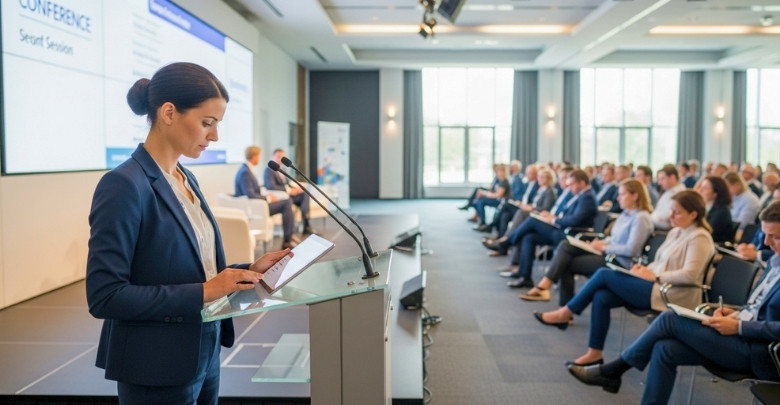
At the start, explain how much time each speaker will get and what happens when time is almost up. Tell them kindly that a short warning will be given before their time ends. This sets clear limits without sounding strict. When everyone knows the plan, it helps avoid long talks later.
Use Gentle Time Signals
Instead of interrupting loudly, give small, polite signs like a hand raise, a time card, or a light signal. This keeps the session calm and respectful. Most speakers respond well to quiet reminders. It shows you care about time while letting them finish their main point.
Keep Track With a Visible Timer
Have a timer that everyone can see, like on a screen or table. When speakers see their time, they adjust naturally. It helps avoid the need for constant reminders. A visible timer keeps everyone aware and reduces pressure on the moderator.
Step in Politely When Needed
If a speaker goes over time, wait for a pause, then thank them warmly and move to the next speaker. You can say something like, “That was great insight, thank you. Let’s hear from our next panelist.” This keeps the event friendly and balanced for all.
Plan Buffer Time Between Sessions
Adding a few minutes of extra time between sessions helps in case something runs late. It keeps the event relaxed and avoids rushing the next speaker. Buffer time also allows guests to stretch or ask short questions. This simple trick makes the whole event feel smooth and well-organized.
Good time management makes a big difference in any event’s success. Moderators who stay calm and polite help create a positive mood for everyone. With clear timing and kind reminders, each session feels fair and professional. Try these simple methods to keep your next conference running right on time.
Common Mistakes to Avoid as a Conference Moderator
Being a conference moderator might look simple, but it takes balance and awareness. A great moderator keeps things smooth, fair, and interesting. Here are seven common mistakes moderators often make and how to avoid them for better results.
- Talking Too Much: Speaking more than the panelists can make the session dull. Focus on guiding the talk instead of taking over. Let speakers share their thoughts and keep your input short.
- Interrupting Speakers: Jumping in while someone is talking can seem disrespectful. Allow them to finish their point before you move on to the next question or comment.
- Ignoring Time Limits: Losing track of time can delay the event. Keep a close eye on the clock and remind speakers when it’s time to move forward politely.
- Not Guiding Off-Topic Talks: Discussions can easily drift away from the main theme. Calmly bring the focus back by connecting the topic to the main discussion.
- Failing to Engage the Audience: Some moderators forget the audience’s role. Involve them by asking simple questions or inviting short comments to make the session lively.
- Lack of Preparation: Showing up unprepared makes the event feel disorganized. Learn about the topic and speakers before the session to lead with confidence.
- Showing Bias: Giving more attention to one speaker can make others feel ignored. Treat everyone equally and keep your tone balanced throughout the session.
A confident moderator keeps the event fair, focused, and friendly. Avoiding these mistakes helps you run a smooth discussion where every voice matters, and the audience leaves feeling informed and satisfied.
How to Handle Unexpected Situations as a Conference Moderator?
Sometimes things go wrong during a live event. A speaker might be late, the mic may stop working, or the screen may freeze. In these moments, the crowd looks at the moderator for direction. Let’s talk about how to stay calm and handle such situations with ease.
Stay Calm and Collected
When something goes wrong, take a deep breath before reacting. Your calm tone and steady words can ease the tension in the room. Smile, speak slowly, and keep your voice clear. People follow your energy, so staying calm helps everyone relax. This small action keeps the event moving smoothly.
Handle Technical Problems Smartly
If the mic, slides, or video stop working, do not panic. Keep the audience engaged with a quick comment or fun fact. Ask someone from the tech team to help quietly. You can even start a short discussion while the issue is fixed. Staying relaxed shows that you can handle anything.
Manage Late or Missing Speakers
If a speaker is late, keep the flow going by adjusting the schedule. You can move to a short Q&A, a quick break, or a group chat. Always thank the audience for their patience. When the speaker arrives, smoothly return to the program without drawing too much attention to the delay.
Fill Awkward Silences Smoothly
Silence can feel strange, but you can turn it into a positive pause. Ask the audience a light question, share a quick story, or comment on the topic. Keep the mood friendly and natural. This keeps the energy alive and prevents the event from feeling flat or dull.
Stay Professional at All Times
Professional behavior means staying polite, patient, and respectful, even when things go wrong. Avoid showing stress or blaming others. Keep your body language open and friendly. One of the key conference moderator role benefits is being able to stay calm under pressure and solve sudden problems without disrupting the event.
Learn and Improve After each Event
After the conference, think about what went well and what didn’t. Talk to the team about any problems and how to fix them next time. Learning from each experience helps you handle future events better. Over time, you’ll become more confident and ready for anything.
Handling surprises is part of being a good moderator. You can manage problems easily when you stay calm and think clearly. Practice and patience make a big difference during live events. Stay focused, stay kind, and always keep the show running smoothly.
How to Balance Between Being Friendly and Professional as a Conference Moderator?
Being a conference moderator means guiding the session while keeping everyone comfortable and engaged. You need to sound friendly, but not too casual. You also have to show control without sounding strict. Let’s talk about how you can stay warm and welcoming while keeping authority in your session.
Keep Your Tone Warm
Use a gentle, friendly voice when greeting the audience and speakers. A smile and eye contact can make a big difference. Speak clearly and avoid rushing through your words. Your tone should make people feel at ease, but still understand that you are leading the event.
Stay Calm and Confident
Even when things go off plan, your calm attitude keeps the room steady. Speak slowly, breathe deeply, and show confidence in your body language. If someone interrupts or a problem happens, stay polite and handle it smoothly. Confidence helps others trust your direction.
Set Clear Rules Early
Explain how the event will run at the start of the session. Tell people how long each part will be and how questions will be handled. This sets clear limits in a friendly way. When people know what to expect, it’s easier for you to stay in control without being harsh.
Show Respect to Everyone
Listen carefully to each speaker and thank them after they finish. Treat every participant’s question or comment with respect, even if it’s off-topic. When you handle people kindly, they will follow your lead naturally. This helps you keep both warmth and authority at the same time.
Use Humor Wisely
A little humor can make the room relaxed, but too much can reduce your authority. Choose light jokes or short comments that match the topic. Avoid anything personal or sensitive. When used right, humor makes people enjoy the session while still seeing you as the leader.
Being a great moderator is about balance, not perfection. You can be kind and professional at the same time with practice and awareness. Stay friendly, but remember that your main job is to guide the event smoothly. If you do that well, both speakers and the audience will respect and enjoy your role.
FAQs About How to Be a Good Conference Moderator?
Here are some common questions people ask about being a good conference moderator. These answers will help you understand what to do before, during, and after an event. You’ll learn how to handle speakers, keep the audience happy, and manage unexpected moments. Read below to get clear and helpful answers that will guide you to become a confident and skilled moderator.
How Can a Moderator Build Confidence Before an Event?
Confidence comes from preparation and practice. You can build it by knowing the event plan, the topic, and the people involved. Practice your opening lines and try speaking in front of a mirror or a friend. The more prepared you are, the more confident you will feel on stage.
What Should a Moderator Do If a Speaker Cancels at the Last Minute?
If a speaker cancels, stay calm and adjust your plan quickly. You can fill the gap with audience questions or a short discussion on a related topic. Let the audience know politely about the change without blaming anyone. Handling it smoothly shows professionalism and keeps the event flowing naturally.
How Can a Moderator Keep the Audience Engaged During a Long Session?
You can keep people interested by adding short questions, light comments, or short polls between topics. A little humor or an interesting fact also helps refresh the mood. Make sure speakers are not talking too long without interaction. Keeping a friendly tone and good pace helps the audience stay focused.
What Are Good Ways to Handle Nervousness on Stage?
Feeling nervous is normal, even for experienced moderators. Take slow breaths before you start and focus on the first few lines. Look at friendly faces in the crowd instead of the whole audience. Once you begin speaking and the session flows, your nerves will slowly fade away.
How Can a Moderator Deal With a Difficult or Rude Panelist?
If a speaker behaves rudely or takes over the talk, stay polite but firm. Wait for a pause and gently guide the discussion back to the main topic. Avoid arguing or showing frustration in public. Staying calm and professional shows you’re in control and keeps the event respectful.
What Should a Moderator Do If the Audience Loses Interest?
When the room feels quiet or distracted, change the energy by asking a quick question or making a short remark. Bring in a new speaker or share an interesting point from earlier. Sometimes, a small activity like a show of hands can re-engage people. The key is to notice the mood and adjust quickly.
How Can a Moderator Handle Technical Problems Smoothly?
If the mic or screen stops working, smile and keep talking calmly. Use that moment to share a quick story or ask the audience a question. Never blame the tech team or show stress. Your calm attitude helps the crowd stay relaxed while the issue gets fixed.
What Is the Best Way to Close a Conference Session?
End with a quick summary of the key points discussed. Thank the speakers and the audience warmly for their time and attention. Give a simple takeaway that people can remember after the event. A positive and clear closing helps the session feel complete and well-managed.
How Can a Moderator Encourage Audience Participation?
Encourage people by inviting them to ask questions or share short thoughts. Make sure everyone feels welcome and that questions are answered clearly. Repeat questions if needed so everyone can hear them. When the audience feels included, the session becomes more lively and meaningful.
Why Is Body Language Important for a Conference Moderator?
Body language helps show confidence and friendliness. Standing tall, smiling, and making eye contact make the audience trust you more. Avoid crossing your arms or fidgeting, as it may seem nervous. Good body language supports your words and makes your presence strong and engaging.
Conclusion
A great conference moderator does more than manage time or ask questions. They create an atmosphere where ideas flow easily, speakers feel valued, and the audience stays engaged. With patience, confidence, and preparation, any moderator can make every session enjoyable and meaningful.
If you are wondering how to be a good conference moderator? The answer is simple. Be prepared, listen carefully, stay neutral, and keep the discussion balanced. Your calm attitude and clear communication will make the event smooth, professional, and enjoyable for everyone.
To wrap up, remember these quick tips: plan early, manage time wisely, and treat every speaker with respect. Keep your tone friendly and your words clear. Stay confident, handle surprises calmly, and keep learning after each event. Best wishes for your next conference!