Every great idea begins with curiosity, and in the world of research, that curiosity often takes shape through a Call for Papers. Long before the sessions and applause, organizers invite researchers and professionals to share new insights and contribute to meaningful discussions at the event.
What is a call for papers in conference? It’s an open invitation for researchers, academics, and professionals to submit their work for possible presentation. Through this process, organizers gather diverse perspectives that help shape the conference theme, making every session more meaningful and well-connected.
Submitting to a Call for Papers isn’t just about getting accepted; it’s about sharing your work, connecting with like-minded minds, and making your research visible to the world. Keep reading to discover how this process works and how it can open new doors in your academic and professional journey.
What is a Call for Papers in Conference?
A Call for Papers, often known as CFP, is an official announcement made by conference organizers inviting researchers, scholars, and professionals to submit their work for presentation. It defines the academic direction of the event, guiding the selection of topics and participants based on originality, relevance, and contribution to the field.
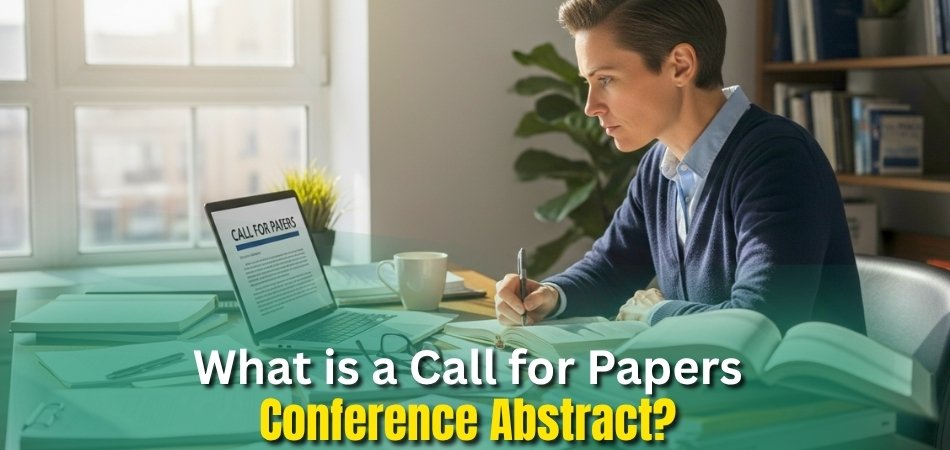
CFPs usually include details such as submission deadlines, abstract formats, and thematic guidelines. They serve as a bridge between researchers and organizers, allowing contributors to showcase findings while helping event planners curate meaningful discussions. In academic and professional events like a conference in Canada, the USA, or elsewhere, CFPs are the starting point of collaboration and discovery. To understand its real significance, let’s look at the main purposes behind a Call for Papers and how they help shape impactful conferences.
Encourage Knowledge Sharing
A Call for Papers builds a platform where experts can exchange insights, present studies, and discuss recent developments. It ensures that diverse voices contribute to the ongoing dialogue in various disciplines. By sharing new data and experiences, participants collectively advance the understanding of emerging issues and solutions within their fields.
Discover New Perspectives or Research Gaps
CFPs open doors to fresh viewpoints from different regions and institutions. This inclusivity allows organizers to identify underexplored topics or unresolved questions. It also encourages cross-disciplinary collaboration, helping researchers refine their studies and focus on innovative ideas that address real-world problems with greater depth and precision.
Invite Experts to Present Solutions
Through CFPs, conferences attract scholars and practitioners who can offer tangible solutions to industry or societal challenges. These presentations often influence future research directions or policymaking decisions. Organizers benefit from this expertise, ensuring the event delivers practical value while advancing academic discussions in meaningful and solution-driven ways.
Build Scholarly Communities
Beyond individual presentations, CFPs help establish enduring research communities. Participants connect with others sharing similar academic interests, leading to collaborations that continue long after the conference ends. Such relationships foster mentorship, joint projects, and cross-institutional studies, creating a network that sustains knowledge exchange beyond the event itself.
Now that you understand its purpose, here’s an example of how a typical Call for Papers might appear to potential contributors:
Example of a Call for Papers Announcement
Title: Call for Papers – 118th Global Conference on Digital Innovation and Sustainability
Submission Deadline: March 15, 2026
Conference Dates: June 10–12, 2026
Location: Vancouver, CanadaThemes Include:
- Emerging technologies in digital transformation
- Sustainable innovation in global markets
- Environmental impact of AI and automation
Submission Format: Abstract (250 words) + Short Biography (100 words)
Email for Submission: papers@gcdis.org
A Call for Papers is more than an invitation; it is the foundation of every successful academic gathering. Uniting diverse ideas and research efforts, it helps conferences create meaningful discussions, generate new knowledge, and build long-term academic networks that continue shaping innovation and understanding worldwide.
How Does the Call for Papers Process Work?
The Call for Papers process follows a clear sequence that ensures fairness, transparency, and quality in selecting research submissions. Each step plays an important role in guiding authors from the initial announcement to their final presentation, helping organizers manage the workflow efficiently and maintain academic standards. Here are the key stages of the Call for Papers process from start to finish.
Announcement of CFP
The process begins when conference organizers publish a Call for Papers on their official website or academic platforms. When writing a call for papers for a conference, organizers carefully outline the event theme, guidelines, and submission process to attract the most relevant contributions. It serves as an open invitation for scholars and professionals to submit their research related to the conference’s focus areas.
Abstract Submission
Researchers prepare a brief summary of their work, called an abstract, following the given format and deadline. The abstract should highlight the research purpose, methods, and expected outcomes. This step allows reviewers to assess whether the topic aligns with the conference theme and meets the required academic quality.
Review and Feedback
Once submissions close, the review committee evaluates each abstract or paper. They assess originality, clarity, and relevance to the conference topics. Authors may receive constructive feedback or requests for revisions to improve their work. This ensures only high-quality and well-prepared papers are selected for the event.
Acceptance or Revision Notice
After review, organizers send out official notifications. Accepted authors are invited to submit the final version of their papers, while others may receive suggestions for revision or be declined. This communication helps participants plan ahead for travel, registration, and presentation preparations if their work is approved.
Final Paper Submission
Authors whose papers are accepted finalize their work according to reviewer comments and conference formatting rules. The final submission is usually uploaded through an online system within a specific deadline. It ensures all materials are ready for inclusion in the conference proceedings or publication.
Presentation at the Conference
The final stage involves presenting the approved paper during the conference. Authors share their research findings with peers, engage in Q&A sessions, and receive valuable insights. This live interaction promotes academic exchange and allows participants to gain recognition while contributing to the event’s overall learning experience.
Example CFP Timeline
| Stage | Description | Date |
| CFP Announcement | Official call, released on the website | January 5, 2025 |
| Abstract Submission Deadline | Authors submit abstracts online | February 15, 2025 |
| Review and Feedback Period | Committee reviews and scores papers | February 20–March 10, 2025 |
| Acceptance Notification | Authors receive results | March 20, 2025 |
| Final Paper Submission | Final versions due for publication | April 10, 2025 |
| Conference Dates | Event held in person or online | June 10–12, 2025 |
The Call for Papers process transforms individual research into collective learning. Each stage connects authors and reviewers in a shared mission to advance knowledge and promote innovation. Following this structured journey ensures conferences remain credible, inclusive, and beneficial for both organizers and participants alike.
Who Can Submit to a Conference Call for Papers?
A Call for Papers welcomes a wide range of contributors who wish to share knowledge, research, and experiences within their respective fields. It encourages participation from both academic and professional communities, creating an inclusive environment that values original thinking, applied research, and practical insights.

The eligibility to submit often depends on the conference type, whether academic, industry-based, or hybrid. Let’s look at who can take part and what each group typically contributes.
Researchers and Academics
Researchers and faculty members form the core group of CFP contributors. They submit original studies, experimental results, or theoretical papers that align with the conference theme. Their work helps establish scholarly dialogue, supports academic progress, and adds credibility to the conference’s knowledge base.
Postgraduate and PhD Students
Graduate and doctoral students are encouraged to participate to share their early-stage research or dissertation findings. For instance, a PhD student can submit an abstract to present ongoing work or new discoveries. This opportunity helps them gain visibility, receive feedback from experts, and build confidence for future publications.
Industry Professionals and Practitioners
Professionals working in industries related to the conference theme are also welcome. They often contribute practical case studies, project outcomes, or field-based insights. For example, an engineer or marketing manager may present a case study showcasing innovative solutions or data-driven results that connect theory with real-world practice.
Policy Experts and Consultants
Some conferences invite policymakers, consultants, or institutional leaders to submit papers that bridge academic theory with governance or market applications. Their submissions often focus on policy recommendations, strategic frameworks, or system improvements that can influence sectors beyond academia.
Independent Researchers and Enthusiasts
Independent contributors without formal institutional affiliations can also submit, provided their work meets the conference’s research and formatting standards. Many conferences appreciate fresh perspectives from self-driven researchers who contribute innovative or cross-disciplinary ideas that spark new discussions.
A Call for Papers is open to anyone with valuable insights or research to share, regardless of institutional background. Whether you’re a student, academic, or industry expert, submitting to a CFP allows you to contribute meaningfully to global knowledge exchange and expand your professional and scholarly network.
Choosing the Right Conference for Your Paper
Selecting the right conference for your research is essential to ensure your work reaches the right audience and gains meaningful recognition. With so many events held each year, it’s important to evaluate each opportunity carefully based on credibility, focus, and long-term professional benefits. Here are the main factors you should consider before submitting your paper.
Relevance of Theme and Scope
Start by checking whether the conference theme aligns with your research area. A relevant conference ensures your paper attracts the right audience and constructive feedback. Reading through past event topics and proceedings helps you confirm that your study fits naturally into the conference’s overall discussion.
Conference Reputation and Indexing
Consider the conference’s reputation within the academic or professional community. Events recognized by indexing services such as Scopus, IEEE, or Springer offer better visibility and citation potential. Reputable conferences also maintain high review standards, which strengthen the credibility and impact of your published work.
Paper Acceptance Rate
Some conferences are highly competitive, with low acceptance rates that indicate quality but require well-prepared submissions. Others are more open and suitable for early-stage researchers. Understanding acceptance trends helps you target conferences that match your experience level and research maturity, avoiding unnecessary rejections or delays.
Location and Networking Value
Think about where the conference will take place and who is likely to attend. Conferences in major research hubs or globally connected cities often provide excellent networking opportunities. Attending in-person allows you to meet potential collaborators, mentors, and industry leaders who can contribute to your academic or professional growth.
Publication Opportunities
Check whether accepted papers will be published in conference proceedings or partnered journals. Some events offer direct publication in indexed journals, while others only distribute printed abstracts. Conferences with strong publication partnerships can help you expand your research reach and academic profile effectively.
Conference Evaluation Checklist
| Conference Name | Theme Fit | Submission Deadline | Indexed (Yes/No) | Remarks |
| Global Conference on Business Innovation | High | Feb 10, 2025 | Scopus | Ideal for management studies |
| International Tech Symposium | Medium | Mar 5, 2025 | IEEE | Strong networking scope |
| Emerging Research Forum | High | Apr 20, 2025 | No | Suitable for early-career researchers |
Choosing the right conference for your paper means balancing relevance, recognition, and growth opportunities. By evaluating each option with these criteria, you can ensure your submission not only reaches the right audience but also contributes meaningfully to your academic or professional journey.
Why Participating in a Call for Papers Boosts Your Academic Profile?
Participating in a Call for Papers is one of the most effective ways to establish yourself in the academic and professional community. It gives you a platform to present your ideas, gain recognition for your work, and build a stronger reputation in your chosen discipline. Here is why participating in a call for papers strengthens your academic profile.

Builds Academic Credibility
Presenting at recognized conferences positions you as a serious contributor to your field. It shows your commitment to research and knowledge-sharing. Over time, this recognition helps you earn respect from peers, mentors, and institutions, while adding valuable entries to your academic record and résumé.
Improves Visibility in Your Field
When your paper is accepted and presented, it becomes part of the wider academic conversation. Your name and work appear in conference programs, proceedings, or online repositories. This increased exposure allows others in your area of study to discover your research, cite your work, and reach out for collaboration.
Enables Networking and Collaboration
Conferences provide an environment where like-minded professionals, scholars, and students connect. Engaging through a Call for Papers allows you to interact directly with experts who share your research interests. These exchanges often lead to mentorships, collaborative projects, or invitations to co-author studies or attend future events.
Enhances Presentation and Writing Skills
Preparing a paper for submission sharpens your academic writing, critical thinking, and communication abilities. Presenting your findings in front of a live audience further improves confidence and public speaking. This dual practice helps you convey complex ideas clearly and persuasively in both written and spoken form.
Opens Publishing and Career Opportunities
Many accepted papers are published in indexed journals or conference proceedings, giving your work long-term visibility. Successful participation also boosts your academic CV, making you more competitive for research grants, scholarships, or teaching roles. It can even open doors to consulting or policy-related opportunities outside academia.
Answering a Call for Papers is more than just submitting research; it’s an investment in your academic growth. By sharing your insights and engaging with the global community, you enhance your credibility, build valuable connections, and pave the way for lasting professional advancement.
Tips for Writing a Strong Abstract for Conference Submission
A strong abstract plays a vital role in determining whether your paper gets accepted. It summarizes your entire study in a clear, concise, and engaging way, helping reviewers quickly understand its purpose, relevance, and value to the conference theme. Follow these key components and the best practices for effective academic writing.
- A Clear Title: Choose a concise and meaningful title that reflects the core idea of your research. Avoid vague or overly technical words. A good title should attract attention while giving readers a clear sense of your study’s focus and direction.
- Background and Problem Statement: Begin by outlining the background of your study and the problem you aim to address. This helps reviewers understand why your research matters and what gap it fills in the existing literature or professional practice.
- Research Objectives and Methodology: State your main research goals and briefly describe the methods used. Whether you conducted surveys, experiments, or case studies, make sure the approach is clear enough for reviewers to evaluate the study’s reliability and academic value.
- Key Findings and Implications: Summarize the most important results of your work and explain their significance. Highlight what makes your findings unique and how they contribute to your field. This section demonstrates the impact and relevance of your research to the conference audience.
- Keywords and Formatting: Add 3–5 relevant keywords that define your topic and help categorize your work. Follow the formatting rules stated in the conference guidelines, such as word count, spacing, and structure, to maintain a professional and organized submission.
Do’s and Don’ts for Writing an Abstract
|
Do’s |
Don’ts |
|
Use clear and precise language |
Add unnecessary background or filler text |
|
Follow submission guidelines carefully |
Exceed the word limit |
| Focus on purpose, method, and results |
Use jargon or complex phrasing |
| Revise for clarity and flow |
Submit without proofreading |
A well-crafted abstract is your first impression on reviewers. By keeping it structured, precise, and aligned with the conference theme, you increase your chances of acceptance and demonstrate professionalism in presenting your research effectively.
What Happens After You Submit Your Paper?
Once your paper is submitted, the process continues behind the scenes through a structured series of evaluations and communications. Each step ensures your work is fairly reviewed, refined if needed, and prepared for presentation or publication at the upcoming conference. To understand this journey better, let’s explore what typically happens after submission.
Review Process
After submission, your paper enters the review phase, which may follow either a single-blind or double-blind system. In single-blind reviews, reviewers know the author’s identity, while in double-blind reviews, both sides remain anonymous. This stage assesses originality, relevance, clarity, and contribution to the conference theme.
Reviewer Feedback and Revisions
Based on the review, authors often receive feedback suggesting improvements or clarifications. These comments help strengthen the research before final publication. Authors may need to revise sections such as methodology, analysis, or citations to meet academic standards and align with reviewer recommendations.
Notification of Acceptance or Rejection
Once the review process is complete, organizers send official notifications. Accepted papers move forward to the presentation stage, while others might be encouraged to revise and resubmit for future events. This timely communication helps authors plan travel, registration, and presentation schedules in advance.
Preparation for Final Presentation
Accepted authors are required to submit the final version of their papers following specific formatting guidelines. These finalized papers are included in the conference proceedings or associated journals. Presenters then prepare slides or summaries for the live session, ensuring their research is effectively shared with the audience.
The post-submission phase transforms written work into academic recognition. From review to final presentation, every stage enhances quality and credibility. Understanding this process allows authors to stay prepared, respond professionally, and make the most of the opportunities that come with successful paper submission.
How Organizers Manage Call for Papers Submissions?
Behind every successful conference, there is a detailed submission management process led by organizers and review committees. Handling hundreds of papers efficiently requires planning, organization, and digital tools that simplify each phase from submission to scheduling. Here is how organizers typically manage Call for Papers submissions step by step.
Abstract Management Tools
Organizers rely on online systems like EasyChair, CMT, or Ex Ordo to collect and organize submissions. These platforms automate the workflow, allowing reviewers to access abstracts, assign evaluations, and track progress. To maintain consistency, organizers often use a sample call for papers for conference from past events as a reference for structure and clarity.
Evaluation Criteria
Each paper is assessed using a set of standard criteria, including relevance to the conference theme, originality of content, clarity of writing, and research contribution. The committee ensures that accepted papers reflect both quality and diversity, maintaining a balance between theoretical and practical perspectives.
Editorial Boards and Review Committees
A conference’s editorial or technical committee consists of experts in the field who review and score each paper. They discuss borderline submissions, resolve conflicts in evaluations, and make final recommendations. This collaborative decision-making ensures fair and unbiased selection across all topics.
Communication of Results
After reviews are finalized, organizers send out official notifications via email or through the submission system. Accepted authors receive instructions for formatting, registration, and presentation. Clear communication helps maintain trust and professionalism, allowing participants to prepare for the next stage with confidence.
Final Scheduling and Coordination
Once all accepted papers are confirmed, organizers schedule sessions, assign speakers, and finalize the conference agenda. Presentations are grouped by topic to create a logical flow. Coordinating these details ensures a smooth experience for attendees and balanced exposure for all presenters.
Example Workflow Overview
Organizers → Reviewers → Authors → Conference Day
- Organizers collect submissions using digital tools.
- Reviewers assess papers and provide feedback.
- Authors revise and confirm final papers.
- Organizers publish the agenda and conduct the event.
Managing Call for Papers submissions is a collaborative and technology-driven process. Through systematic review, transparent communication, and careful scheduling, organizers ensure that every accepted paper adds value to the conference and contributes to a high-quality academic experience for all participants.
Digital Platforms That Simplify the Call for Papers Process
Managing paper submissions, reviews, and conference scheduling manually can be time-consuming. Digital platforms now play a key role in simplifying the entire Call for Papers process. That helps organizers and participants handle submissions, track reviews, and communicate efficiently in one place. Here are some of the most widely used platforms that streamline CFP management.

EasyChair
EasyChair is one of the most popular tools for academic conferences. It allows organizers to collect submissions, assign reviewers, and manage acceptance notifications. Its user-friendly interface supports multiple roles, making it ideal for both small and large international conferences.
Ex Ordo
Ex Ordo offers an all-in-one conference management system that covers abstract submission, peer review, registration, and scheduling. It also provides email communication tools and analytics, making it suitable for professional associations and academic institutions running recurring events.
Oxford Abstracts
Oxford Abstracts helps event organizers handle submissions and reviews with customizable forms and dashboards. It also integrates abstract publication tools, allowing accepted submissions to be displayed online or exported for print, saving organizers considerable preparation time.
ConfTool
ConfTool is widely used by scientific and research-focused conferences. It supports submission management, automated review assignment, and session planning. The platform also offers participant registration features, helping organizers coordinate all event aspects under one system.
PaperCrowd
PaperCrowd serves as a discovery platform where researchers can find ongoing or upcoming Calls for Papers. It lists global conferences by topic and region, making it easier for authors to identify suitable events for their work and stay updated with submission deadlines.
Comparison Overview
| Platform Name | Purpose | Best For |
| EasyChair | Submission management and reviewer coordination | Academic and international conferences |
| Ex Ordo | Full conference workflow, including registration and scheduling | Professional and recurring events |
| Oxford Abstracts | Submission and online abstract publication | Hybrid and research events |
| ConfTool | Review management and participant registration | Scientific and research conferences |
| PaperCrowd | Discovering active Calls for Papers | Researchers and first-time authors |
Digital platforms simplify complex tasks like reviewing, communication, and scheduling. By adopting these tools, organizers improve efficiency, while authors experience smoother submission processes. Choosing the right platform ensures better collaboration, timely updates, and a more professional conference experience for everyone involved.
Frequently Asked Questions
Before submitting a paper or responding to a Call for Papers, many participants have questions about what happens behind the scenes, timelines, and opportunities after submission. Here are some common questions that help clarify the process and make participation easier for both new and experienced researchers.
How Early Should I Start Preparing My Abstract?
It’s best to start preparing your abstract at least four to six weeks before the submission deadline. This allows enough time to refine your research idea, gather feedback from mentors, and ensure the format meets conference guidelines. Early preparation reduces last-minute stress.
Can I Submit the Same Paper to Multiple Conferences?
Generally, it’s not recommended to submit the same paper to multiple conferences at once. Most organizers require originality and exclusivity. However, you can modify or expand your research and submit updated versions to future events if not yet been published.
What Happens If I Miss the Submission Deadline?
If you miss the deadline, your paper usually won’t be considered for review. Some conferences may allow short extensions upon request, but this is rare. It’s important to track dates closely or set reminders through the conference’s digital platform to stay on schedule.
Are Virtual Presentations Accepted in Most Conferences?
Yes, many conferences now offer hybrid or fully virtual presentation options. This flexibility allows participants to present their research remotely, especially if travel is difficult. Virtual sessions maintain academic value and often include live Q&A or recorded talks for attendees.
Do I Need to Pay Any Fees After My Paper Is Accepted?
Most conferences require a registration fee for accepted authors. This fee covers participation, publication, and access to all sessions. Some institutions or sponsors offer financial aid or fee waivers, so it’s worth checking these options before registration.
How Can I Know If a Conference Is Legitimate?
Look for clear details such as an official website, organizing committee, and indexing information like Scopus or IEEE. Authentic conferences list real contact addresses and previous event archives. Avoid events with unclear organizers or overly short submission deadlines.
Can Undergraduate Students Also Submit Papers?
Yes, many conferences welcome undergraduate submissions, especially those focusing on innovation or student research. While competition can be high, presenting early builds confidence and offers valuable experience in academic writing and public speaking.
Concluding Words
Conferences thrive on fresh ideas, and a Call for Papers is where those ideas begin. It’s the first step that brings researchers, professionals, and students together under one theme, allowing everyone to share insights that shape meaningful discussions and discoveries.
By learning what is a call for papers in conference, participants realize how important this process is. It’s not only about submitting a paper but about contributing to a collective exchange of knowledge that inspires future innovation and academic growth.
So, every Call for Papers is an opportunity to connect, learn, and leave an impact within your field. If you have research worth sharing, respond to one confidently—it might just be the start of your most rewarding academic journey yet.