Conferences bring people together to share ideas, plan goals, and learn from each other. But behind every smooth and successful event, there’s careful planning and teamwork. Many organizers often wonder how these events stay focused and engaging throughout. It’s then that the thought comes to mind — do conferences need professional facilitators?
Yes, conferences benefit from professional facilitators because they increase engagement, manage time, and keep discussions focused. Facilitators improve communication, inclusivity, and networking while helping events meet their goals. They are especially useful for large, hybrid, or goal-driven conferences.
If you’re curious about how facilitators improve conferences, you’ll enjoy what’s next. This article shares every key detail about their role, benefits, and why they matter. Keep reading to understand how they turn ordinary events into well-organized and engaging experiences.
Do Conferences Need Professional Facilitators?
A great conference takes careful planning and smooth coordination. Many people think a good agenda is enough, but that is not always true. A professional facilitator helps bring energy, focus, and connection to every session. Let’s look at how facilitators make conferences better and when they are most helpful.
Increased Engagement
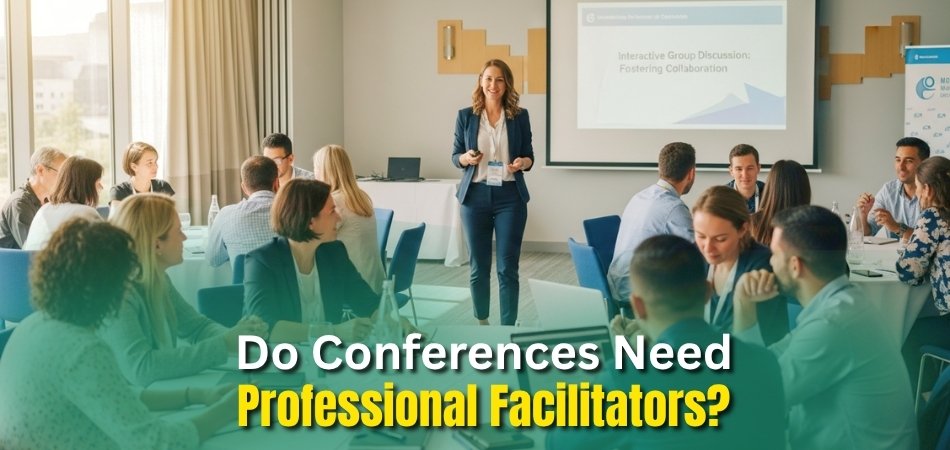
A facilitator brings life to the event by keeping everyone involved. They make sure sessions are lively, interactive, and fun. Participants stay active instead of just listening. With their energy, they make talks more interesting and enjoyable, especially for a global event like conference in USA, Canada, or any other country, where engagement is key.
Effective Communication
A skilled facilitator helps speakers and attendees share ideas clearly. They make sure important points are repeated and understood. They encourage questions and group talks. This helps everyone learn more and connect better with the main goals of the event.
Improved Time Management
It is easy for sessions to run long or lose focus. A good facilitator manages the clock and keeps things running smoothly. They handle breaks, discussions, and changes between sessions. This helps the event stay on time and reduces stress for both speakers and guests.
Enhanced Collaboration and Networking
During conferences, meeting new people is as important as the talks. Facilitators plan group tasks and help people start friendly conversations. These small interactions often lead to lasting professional connections and teamwork beyond the event.
Inclusivity
Facilitators help make every person feel valued. They make sure quiet voices are also heard, not just the loud ones. This balance gives everyone a fair chance to share ideas and learn from each other. It builds a welcoming and respectful event space.
Goal Achievement
Keeping the event focused is not always easy. A facilitator helps link every talk and activity to the event’s goals. They keep participants engaged and discussions centered on the main theme. This helps the event reach its purpose and leave a strong impact.
Handling Complexity
Modern events often mix online and in-person sessions. This setup can be tricky to manage. Facilitators use tools and clear plans to handle both sides smoothly. They make sure everyone, whether online or in person, feels part of the same event.
When a Facilitator Is Especially Useful
Some conferences are simple and run fine without outside help. But some events are big or complex and need an expert to manage things smoothly. A facilitator can make a big difference in these kinds of situations.
- Large-scale Conferences: When there are many sessions and speakers to manage.
- Complex Hybrid Events: When online and in-person parts need careful coordination.
- Deep Discussion Sessions: When the goal is to share ideas or solve problems.
- Goal-oriented Events: When the aim is to drive real change or action.
Facilitators bring structure, energy, and teamwork to any event. They help connect people, manage time, and make ideas flow easily. While small events may not always need them, bigger or hybrid ones benefit greatly. With the right facilitator, any conference can turn into a truly meaningful experience.
Types of Conferences That Commonly Use Professional Facilitators
Conferences often bring people together to share ideas and make plans. But with many voices and activities, things can get messy fast. A skilled guide helps keep everyone focused and on track. Below, you will learn about the different types of conferences that use professional facilitators.
Corporate or Business Conferences
Big business events usually have many sessions, speakers, and panels. A skilled guide keeps everything on schedule and running smoothly. They also help speakers stay within their time and handle quick changes. In large corporate events or multi-day seminars, having an experienced conference facilitator helps manage sessions, encourage participation, and maintain a steady flow of activities.
Academic or Research Conferences
These meetings include expert panels, debates, and research sessions. A facilitator makes sure each voice is heard and that talks stay on topic. They help manage time, guide group talks, and keep the program moving. Their clear direction helps participants share findings without confusion or delay.
Training, Workshops, and Development Events
These sessions focus on learning new skills or improving old ones. A good guide helps people feel comfortable and ready to take part. They plan group work, lead hands-on tasks, and review what was learned. This support keeps everyone active and makes the training more useful and fun.
Strategic Retreats and Planning Summits
When leaders meet to plan goals or solve issues, talks can go off track. A trained guide helps keep the group focused and fair. They manage discussions, solve small conflicts, and help reach shared decisions. This keeps the meeting friendly and focused on results.
Hybrid or Virtual Conferences
Events that mix in-person and online parts can be tricky to manage. A skilled person makes sure both sides feel involved. They balance on-screen and live talk, manage chat, and fix small tech issues. Their help keeps the event smooth and fun for all.
Facilitators play a key role in keeping events smooth and productive. Their skill helps large groups stay focused and engaged. When meetings have many people or complex plans, they keep things clear. Having one can make the whole event feel easy and well-organized.
Common Problems That Happen Without a Professional Facilitator
When meetings happen without a skilled facilitator, things can easily become messy. Time gets wasted, people talk over each other, and goals stay unclear. Below are some common problems that often appear when there is no proper facilitation.
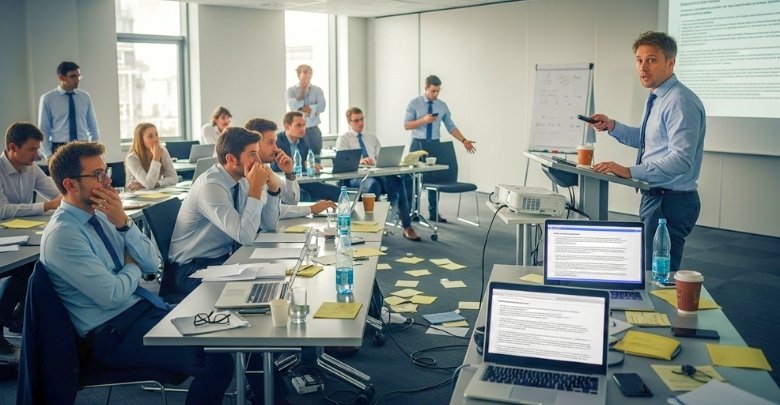
- Poor Time Management: Sessions often run too long because no one controls the schedule or keeps focus. Important points get skipped or rushed at the end.
- Disorganized Discussions: Conversations jump from topic to topic without structure. Without someone to guide, people lose track of what matters most and repeat the same ideas.
- Dominance and Imbalance: A few people talk the most while others stay quiet. Without balance, valuable opinions are ignored, and teamwork feels one-sided.
- Low Engagement: When no one encourages participation, people lose interest. The group becomes quiet, and energy drops during the discussion.
- Conflicts or Tension Unmanaged: Arguments or strong emotions often go unchecked. Without someone calm to handle it, small disagreements can turn into big problems.
- No Clear Outcomes or Next Steps: Even with good talks, decisions are left hanging. Without follow-up, no one knows what to do next.
- Technical or Logistical Disruptions: Online or hybrid meetings often face sound, video, or tool issues. Without quick help, these small problems can stop the flow.
A skilled facilitator keeps things on track, makes sure everyone is heard, and helps reach clear results. Without one, meetings often waste time and lose focus, leaving people confused and unproductive.
How to Decide If Your Conference Needs a Professional Facilitator
Planning a conference takes a lot of time and attention. You need to think about people, sessions, and how to keep things on track. Some events run fine with just an organizer team. But others may need a professional to help lead the way. Read below to see when hiring a facilitator makes sense.
Size of Event or Number of Attendees
When only a few people attend, you can manage things yourself. But when the group grows, things get busy and harder to handle. A professional can help make sure everything runs smoothly. The bigger the group, the more valuable a guide becomes during sessions and discussions.
Number of Sessions or Tracks
If your event has many parts running at the same time, things can get tricky. You might have workshops, panels, and talks all happening together. A facilitator helps keep them in sync and prevents confusion. This way, no one feels lost, and every part of the event gets proper attention.
Level of Interaction Expected
If your plan includes group talks, sharing ideas, or solving problems, guidance helps a lot. A facilitator makes sure every voice is heard and time is used well. They can turn dull sessions into active ones. That’s why interactive events benefit most from having one.
Diversity of Participants
When people come from different areas or hold different ranks, it can be hard to connect. A skilled person helps everyone feel welcome and respected. They make sure no one group takes over the discussion. This builds better understanding and teamwork across the room.
Complex Goals or High Stakes
Some meetings aim to make choices or set future plans. These moments are important and can be stressful. A trained guide keeps things clear, fair, and focused on results. This avoids chaos and helps reach the main goal without wasting time.
Hybrid or Virtual Format
Online and mixed events bring their own problems. Some people are in the room, others are on a screen. A good helper can balance both sides and keep them involved. They also handle tech issues fast, so the flow never stops.
Budget and Resources
Think about what you gain versus what you spend. A professional might cost extra, but they often save you from costly mistakes. While planning, organizers should also think about the facilitator fees for conference, as the cost can vary depending on event size, duration, and the facilitator’s experience.
When to Hire a Facilitator
If most of these points fit your event, hiring one is a smart move. They make things run smoother and more effectively. Attendees will enjoy the event more, and you’ll face less stress. It’s a small cost for a big improvement in results.
Choosing the right support can change your whole event experience. A good facilitator brings order, calm, and balance to every part. They keep your team focused and your guests engaged. Take time to decide what your event truly needs before you make the call.
The Future of Professional Facilitation in Conferences
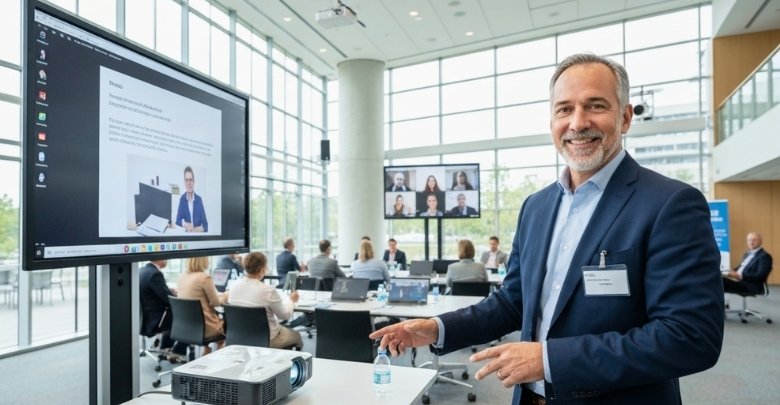
The role of facilitators in conferences is changing fast as technology reshapes how people connect and share ideas. With hybrid events becoming normal, professionals must build new skills to manage both in-person and virtual experiences smoothly and effectively.
Trends and Changes
- Hybrid-First Mindset: Many event hosts now plan for both physical and online guests at once, so facilitators must create balanced experiences that keep everyone equally involved and engaged throughout the event.
- Rise of Virtual Skills: Online tools like breakout rooms, live polls, and chat discussions are now standard. Facilitators should handle these tools confidently while keeping remote participants active and focused.
- Human Connection Focus: Even in digital spaces, people value warmth and understanding. Facilitators who create a friendly and safe space help participants share ideas more openly and enjoy the sessions.
- Technology Upgrades: New tools such as AI, VR, and AR are transforming sessions. Facilitators who learn to use these tools can make conferences more interactive and exciting.
- Inclusive Participation: Accessibility matters more than ever. Good facilitators consider different time zones, languages, and abilities so everyone can join and contribute without feeling left out.
Skills Facilitators Will Need
- Digital Fluency: Knowing how to use different platforms and switching smoothly between virtual and in-person tools helps facilitators run sessions without confusion or technical issues.
- Adaptive Facilitation: When sessions face technical glitches or energy drops, skilled facilitators can adjust their style quickly to keep the audience interested and connected.
- Cultural Awareness: Virtual events bring people from different backgrounds. Understanding and respecting these differences helps create a welcoming environment where everyone feels valued.
- Using Data Smartly: Feedback from polls and engagement reports helps facilitators see what works best and make real-time improvements to keep participants active.
- Design Thinking: Successful facilitators plan sessions that are flexible and interactive, allowing people to share ideas easily and learn in an enjoyable, practical way.
Professional facilitation will keep evolving with technology and global participation. Those who focus on connection, adaptability, and smart design will remain in demand as conferences continue to blend digital and real-world experiences.
FAQs About Do Conferences Need Professional Facilitators?
Here are some common questions people ask about professional facilitators in conferences. These answers will help you understand why facilitators matter, what they do, and how they can make any event smoother, more engaging, and better organized for everyone.
What Does a Professional Facilitator Actually Do at a Conference?
A professional facilitator helps guide the flow of the event. They keep sessions organized, make sure everyone gets a chance to speak, and maintain a friendly and focused atmosphere. They also solve problems quickly if things go off track. Their goal is to make the conference run smoothly and achieve its main purpose.
Why Is a Facilitator Different from a Host or Moderator?
A host mainly welcomes people and introduces speakers, while a moderator only manages a single session. A facilitator, on the other hand, oversees the whole event from start to finish. They manage time, handle group activities, and make sure sessions connect well. They also balance voices, making sure no one feels left out during discussions.
Can a Facilitator Help Improve Audience Participation?
Yes, facilitators are trained to keep everyone involved. They use questions, short activities, and friendly talks to make sure people take part instead of just listening. This keeps the event lively and helps participants learn better. With their skills, they make even shy guests feel comfortable sharing ideas.
Do Small or Local Conferences Need Professional Facilitators Too?
Not all small events require one, but having a facilitator can still help a lot. Even in smaller groups, they bring structure and make sure discussions stay on point. They also make time management easier and reduce stress for organizers. It often turns an average meeting into a well-organized and enjoyable experience.
How Do Facilitators Handle Unexpected Problems During Events?
Facilitators stay calm when surprises happen, like delays or technical issues. They quickly adjust the schedule or guide people through the situation without confusion. Their calm nature helps keep everyone focused instead of stressed. Because of their experience, they often solve problems before they grow bigger.
Can a Facilitator Make Virtual Conferences More Effective?
Yes, they play a big role in online events. They know how to use digital tools like chat, polls, and breakout rooms to keep things interactive. They also make sure both speakers and attendees feel connected. This helps reduce the distance between people and makes virtual events more personal.
What Qualities Make a Good Conference Facilitator?
A great facilitator listens well, stays calm under pressure, and communicates clearly. They are friendly but firm when guiding groups and know how to handle time wisely. They also pay attention to everyone’s needs, making sure all voices are heard. These qualities help them build trust and keep the event positive and productive.
How Early Should You Hire a Facilitator for a Conference?
It is best to hire one early in the planning stage. This allows them to understand the event goals and help design the flow of sessions. They can also suggest ways to make the schedule work better. Early planning with a facilitator saves time and avoids last-minute stress.
Can Facilitators Work with International or Multicultural Conferences?
Yes, experienced facilitators often work with people from different cultures and backgrounds. They use simple language, respect differences, and make sure everyone feels included. They also help manage time zone challenges for global participants. Their open-minded approach makes international conferences more welcoming and balanced.
What Are the Long-Term Benefits of Hiring a Professional Facilitator?
A professional facilitator not only improves one event but also helps build better teamwork for the future. Participants leave with clearer goals and stronger connections. The event runs smoothly, leaving a positive impression on everyone involved. Over time, this helps improve the organization’s reputation for hosting successful and well-managed conferences.
Conclusion
A successful conference is not just about great topics and speakers. It’s about how smoothly everything connects and how people feel involved. A good facilitator helps tie all these parts together, creating a balanced and engaging event for everyone.
So, do conferences need professional facilitators? Yes, most do, especially when the event is large or complex. A skilled facilitator keeps people focused, time managed, and goals clear. Their role turns normal gatherings into meaningful, well-organized, and enjoyable experiences that leave a lasting impression.
When planning your next event, think ahead and choose wisely. Set clear goals, involve your team, and pick a facilitator who understands your audience. With the right guidance and teamwork, your conference will shine. Wishing you all the best for a smooth and successful event!