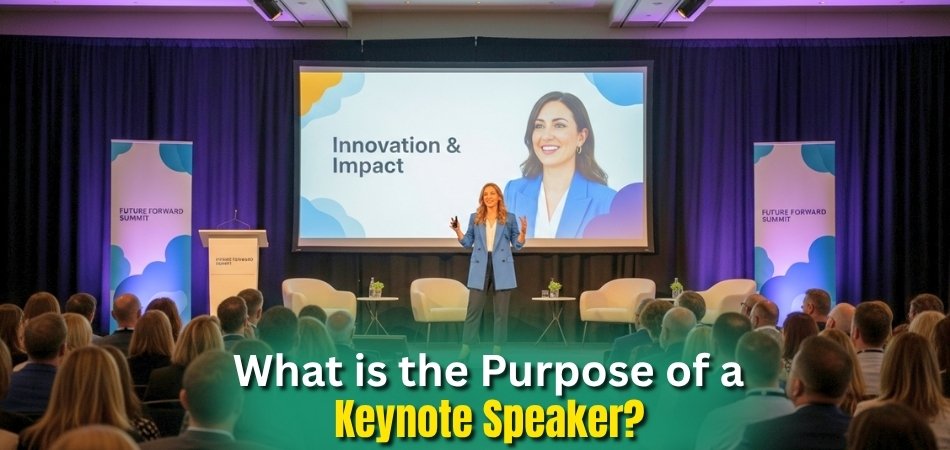
Keynote speakers are the voices that set the tone for major events. They’re not just ordinary presenters; they’re storytellers, thought leaders, and motivators who capture attention right from the start. With their words, they excite curiosity, unite audiences, and create an atmosphere of excitement and purpose. So, what is the purpose of a keynote speaker?
The purpose of a keynote speaker is to start the event with a powerful speech that matches the event’s theme. They share ideas, real stories, or expert knowledge to inspire the audience. Their goal is to set the mood, bring people together, and make the event more exciting and meaningful.
In short, they’re the spark that makes the event memorable. Keep reading to discover why their impact is so essential.
What is the Purpose of a Keynote Speaker?
A keynote speaker inspires, educates, and energizes audiences through meaningful speeches. They provide clarity, align themes, and foster unity. Through storytelling, experience, and expertise, keynote speakers turn gatherings into impactful and purposeful experiences. Here’s a closer look at how keynote speakers shape an event and why their role is so essential.
Setting the Event’s Tone
A keynote speaker sets the emotional tone by delivering a powerful opening message. They create an atmosphere that excites, inspires, and motivates. This ensures audiences are engaged and ready for the event’s activities. Their words act as the foundation for everything that follows.
By uniting diverse perspectives, keynote speakers help audiences focus on shared goals. The speaker establishes expectations and highlights why the gathering matters. Their storytelling builds anticipation, making the experience more engaging. When done effectively, the event starts with a sense of purpose.
Aligning With the Theme
Keynote speakers bridge the gap between event goals and audience expectations. They craft speeches around the central theme. This alignment ensures that audiences connect personally with the message. The result is a meaningful beginning that enhances the whole event.
When speakers emphasize the theme, it resonates with participants. Their stories and examples help audiences understand complex ideas. By making themes relatable, they enhance engagement and participation. This ability creates stronger connections between attendees and organizers.
Inspiring the Audience
A keynote speaker’s role is to spark inspiration through real stories and valuable insights. They motivate listeners to see opportunities. By connecting emotionally, they encourage positive change within individuals. This inspiration can influence both personal and professional growth.
Inspiration is a powerful event driver. People leave feeling motivated and ready to act. Stories of resilience and success create lasting impressions. Such emotional energy often becomes the highlight of an entire conference.
Sharing Expert Knowledge
Keynote speakers often share expert-level knowledge from their industry. This knowledge provides audiences with valuable perspectives they cannot easily find elsewhere. By presenting ideas simply, they make complex subjects accessible. Attendees gain insights that help them both professionally and personally.
Expertise builds credibility and trust. Listeners appreciate learning from those with proven experience. It encourages curiosity and opens space for meaningful discussions. Sharing this knowledge creates value that extends far beyond the event.
Encouraging Networking
Keynote speeches bring people together by sparking shared conversations. Audiences often discuss topics introduced during the keynote. These discussions open doors for new connections and collaborations. Networking becomes easier when everyone shares a common point of reference.
By inspiring dialogue, keynote speakers strengthen community bonds. Attendees leave not only inspired but also connected to others. This networking power supports business opportunities and friendships. It ensures events are both memorable and practical for participants.
Adding Excitement and Energy
Speakers add energy that transforms events from ordinary to extraordinary. Their charisma and passion engage participants from the start. This energy keeps the audience attentive and excited. A vibrant atmosphere improves the overall event experience.
Excitement ensures attendees remain invested throughout the day. Without it, events may feel dull or uninspired. A skilled keynote speaker prevents that by keeping the momentum alive. Their enthusiasm creates a lively, memorable gathering.
Creating Lasting Memories
Keynote speakers aim to leave audiences with unforgettable takeaways. Their impactful stories resonate long after the event ends. These memories often become defining experiences for attendees. The best speeches remain part of conversations for years.
Countries known for hosting influential events like the United States, the United Kingdom, and Canada often feature powerful keynote speakers. For example, attendees exploring upcoming conferences in Canada can expect dynamic speakers who inspire and connect communities. Such speeches encourage personal growth while creating cultural impact. Attendees leave remembering both the words and the atmosphere.
Common Misconceptions About Keynote Speakers
Keynote speakers play a big role at events, but many people do not fully understand what they really do. Some think they are just entertainers, while others believe they only speak about simple ideas. These views often create the wrong picture. Here are some common misconceptions about keynote speakers explained simply.

- Only Entertainers: People think keynote speakers are only there to make crowds laugh or clap, but they actually guide and inspire. Their words bring energy and also share lessons, helping audiences understand big ideas in a simple and useful way.
- Just Famous Names: Some believe only celebrities or big names can be keynote speakers, but real knowledge and honest experience matter even more. Experts with clear stories often give audiences stronger lessons than famous people who have little to share about the topic.
- Motivational Clichés: Many imagine keynote speakers repeat old motivational sayings, but good ones share real examples, facts, and simple steps that work. Their speeches give audiences new ways to think and act, instead of just leaving them with empty, inspiring lines.
- One-size-fits-All: It’s easy to assume keynote speakers say the same thing at every event, but they usually shape their talks to fit. They adjust stories and ideas for the theme, making sure the audience feels the speech is made just for them.
- Replaceable Role: Some organizers think anyone can be a keynote speaker, but the job needs special skills like clear speaking and storytelling. A true keynote speaker makes the event stronger by setting direction, building excitement, and creating moments that people remember.
- Only Opening Slot: People often think keynote speakers only open an event, but they can also close with powerful, lasting words. Ending with a keynote helps bring everything together, sending audiences home with final thoughts they will not forget.
- Focus on the Speaker: Some assume the spotlight is only on the speaker, but the goal is always about the audience’s experience. Their stories create connection, encourage teamwork, and inspire people to grow long after the event has finished.
Key Roles of a Keynote Speaker in a Conference
Conferences are exciting events where people come together to learn new ideas and share different thoughts. At the start, there is always someone who gets the attention of everyone in the room. This person speaks with confidence and makes the audience feel excited. Their words help prepare people for what comes next in the event.

Setting the Mood
A keynote speaker helps set the right mood at the very beginning of the conference. They grab attention with energy and positive words that make people ready to listen. Without this spark, the audience might feel bored or distracted. The speaker’s opening makes sure everyone feels involved and excited from the start.
Explaining the Theme
Every conference has a theme, and the keynote speaker connects the audience to it. They explain what the event is about in a way that feels simple and clear. This helps everyone understand the purpose of the gathering. Once the theme is clear, people enjoy the rest of the sessions more.
Inspiring Ideas
Keynote speakers often share stories that leave people thinking about new ideas. These stories may come from real life or personal experience. They show how challenges can be turned into chances to grow stronger. By the end, the audience feels encouraged to try something new themselves.
Sharing Knowledge
A good keynote speaker knows a lot about their field and shares it with the audience. They explain complex topics in simple words so everyone can understand. This gives people knowledge that may help them in school, work, or life. Learning something new keeps the event interesting and useful.
Building Connections
The speech often gives people something common to talk about with each other. After listening, attendees usually share thoughts and opinions. This helps them connect more easily during breaks and discussions. The keynote speaker creates a starting point for friendships and teamwork to grow.
Importance in Conferences
One of the biggest roles of a keynote speaker is showing why the gathering really matters. They connect the audience with the theme and highlight the goals. By doing this, they make people understand the keynote speakers importance in making the event more meaningful. Their words give a stronger reason for everyone to stay engaged.
Lasting Memories
A keynote speaker makes sure the audience remembers the event long after it ends. Their words and stories stay in people’s minds. When people think about the conference later, the speech is often what comes first. These lasting memories make the event feel special and worth attending.
Difference Between Keynote Speakers and Other Session Speakers or Presenters
Every conference features a mix of speakers, each playing a unique role in shaping the event’s impact. Among them, keynote speakers hold a special place — they set the tone, inspire the audience, and often deliver the most anticipated message. Understanding the difference between keynote speakers and other presenters helps organizers plan a balanced and engaging conference program.
| Aspect | Keynote Speakers | Other Session Speakers/Presenters |
| Role and Impact | Serve as main or headliner speakers, set tone and theme, inspire, motivate, unify audience with a broad message. | Deliver specialized content, provide depth and detailed knowledge on narrower subjects. |
| Audience | Address the entire audience at once. | Present to smaller, targeted groups in breakout or concurrent sessions. |
| Timing | Usually scheduled at the beginning or closing of the event. | Can appear throughout the event schedule. |
| Presentation Time | Longer presentations, often 45 to 90 minutes. | Shorter sessions, usually 15 to 45 minutes. |
| Stage Presence | Command stage alone, delivering dynamic and engaging presentations. | May share the stage in panels, workshops, or moderated discussions. |
- Role and Impact: A keynote speaker serves as the main or headliner speaker. They set the tone and overarching theme for the entire event, aiming to inspire, motivate, and unify the audience with a broad and impactful message. Other session speakers typically focus on delivering specialized content or expertise within specific topics or segments of the event, providing depth and detailed knowledge on narrower subjects.
- Audience and Time: Keynote speakers usually address the entire audience at once, with longer presentation times (often 45 to 90 minutes), and are scheduled primarily at the beginning or the closing of the event. Other session speakers often present to smaller, targeted groups in breakout or concurrent sessions, usually for shorter times (15 to 45 minutes), and can appear throughout the event schedule.
- Stage Presence: Keynote speakers generally command the stage alone, owning the spotlight to deliver a dynamic and engaging presentation. Other speakers might share the stage with others in panels, workshops, or moderated discussions.
Qualities of a Great Keynote Speaker
Great keynote speakers stand out because they do more than talk; they connect with people on a deeper level. Their qualities help them inspire, teach, and keep an audience engaged throughout an event. Here are some key traits that make them effective.

Strong Communication
- Clear speech helps people follow the message without confusion, making every idea easy to understand and remember. They deliver thoughts with focus and passion, showing confidence that makes the audience listen more closely every second.
- Active body language keeps attention alive, supporting words with gestures that feel natural and powerful. Their tone and pace balance seriousness with excitement, keeping listeners hooked until the end of the session.
Authentic Presence
- Honest stories and real experiences make the speaker relatable and trusted by audiences from different backgrounds. They create a sense of closeness, making people feel like they are part of something personal.
- True emotions shine through when speakers share challenges and lessons, proving they are not hiding behind fake lines. This natural style draws people in, allowing them to connect without effort.
Deep Knowledge
- Having strong subject knowledge makes the speech useful, as audiences gain practical ideas they can apply immediately. Speakers bring facts, insights, and lessons that reflect years of focus on their chosen field.
- They adapt difficult topics into simple, clear messages without leaving out meaning or important details. This ability creates understanding, leaving audiences satisfied with the clarity they receive.
Engaging Storytelling
- Stories create pictures in the minds of listeners, making talks feel alive and not boring. Every detail builds meaning, helping people remember the main message with ease.
- Examples and anecdotes encourage audiences to think about their own experiences and connect them with what they hear. This style ensures learning feels enjoyable rather than heavy or distant.
Adaptability
- Every audience is different, so speakers adjust their tone, pace, and examples to match the people in the room. They watch reactions closely, shifting focus whenever they sense listeners losing interest.
- Unplanned challenges often appear, yet adaptable speakers handle them calmly while keeping their speech smooth. This quick thinking shows professionalism, building even greater respect from the audience.
Inspiring Energy
- Energy drives engagement, and great speakers maintain it throughout, keeping people focused and involved. Their enthusiasm becomes infectious, spreading across the room like fire.
- Vibrant delivery mixes passion with purpose, ensuring that audiences feel motivated to act. The right energy turns ordinary talks into unforgettable experiences.
Clear Structure
- Well-organized speeches help audiences follow along without confusion, guiding them from start to finish easily. Structured content avoids unnecessary repetition or distraction.
- Each section supports the main message and flows smoothly into the next, making the talk coherent. Audiences leave feeling satisfied, not lost.
Confidence
- Speakers show confidence by holding attention with a calm body posture and a steady voice. Confidence assures listeners that they are in good hands.
- Even when mistakes happen, they recover without panic, turning challenges into moments of humor or insight. This calmness strengthens audience trust.
Examples of When a Keynote Speaker is Needed
Events bring people together for learning, sharing, and celebrating, and they need something special to stand out. A keynote speaker often plays this role by starting strong and capturing the audience’s full attention. Their words bring excitement, meaning, and a sense of connection to the gathering. Let’s look at moments when a keynote speaker makes the biggest difference.
Large Conferences
Big conferences or industry gatherings often need a keynote speaker to kick things off. Their speech sets the theme and helps the audience understand the purpose of the event. With energy and clarity, they inspire people to pay attention and learn. Without this role, such events may feel dull or unorganized.

Fundraising Events
Fundraising gatherings aim to build awareness and connect people with a cause. A keynote speaker explains why the cause matters and encourages action. Their words help the audience feel emotionally attached to the mission. This connection often inspires greater support and stronger involvement.
New Ideas
Some events highlight fresh ideas or upcoming trends. A keynote speaker introduces these ideas in a simple, inspiring way. Their speech makes difficult concepts easy to understand for everyone. By doing this, they bring the audience together around shared learning and curiosity.
Strong Openings
Many event planners want to start with a bold, powerful message. The keynote speaker delivers this moment and builds excitement in the room. Their words connect people to the purpose of the event. This opening creates energy that lasts throughout the day.
Prestigious Gatherings
High-profile events need something extra to feel special. A well-known keynote speaker can attract more people and raise interest. Their reputation gives the event importance and credibility. Often, the presence of a respected speaker makes the entire gathering feel more memorable.
Inspiring Action
At times, events include stories, case studies, and a call to action. Here, a keynote speaker guides the audience toward meaningful steps. They encourage people to think differently and act with confidence. The process of writing a keynote speech for such events focuses on creating impact through words and real examples.
How Much Do Keynote Speakers Typically Cost?
Keynote speakers usually cost between $5,000 and $25,000, depending on their level of experience and recognition. Intermediate speakers may charge lower, around $500 to $1,500, while niche experts range between $1,500 and $5,000. Well-known celebrities or highly respected professionals can ask $25,000 to $100,000 or even more. Virtual sessions are often cheaper, usually 50% to 70% lower than in-person events. Here’s a breakdown of the key factors that contribute to these costs.
Speaker’s Experience
The more experience a keynote speaker has, the higher their speaking fee will usually be. Experienced professionals bring credibility, stories, and knowledge that make them valuable. Their proven background builds trust with audiences. Event organizers pay more because experienced speakers deliver reliable, impactful results.
Level of Expertise
Expertise in a specific field greatly affects cost because audiences gain rare insights that are hard to find elsewhere. Specialists who offer unique knowledge often charge more. Their speeches are filled with practical lessons, making them worth the investment. Niche knowledge ensures the event feels valuable and memorable.
Popularity
Popularity often drives keynote speaker pricing because well-known names draw larger audiences. Famous speakers attract attention, which increases ticket sales. Their reputation adds prestige to the event, raising its profile. Organizers pay higher fees because a popular speaker brings more exposure and credibility.
Industry Demand
If a speaker is in high demand within their industry, their fee will likely be higher. Busy schedules mean fewer available slots. Scarcity drives up the price, especially for major events. Organizers compete to book them, which naturally raises the overall cost.
Event Location
Location matters because travel and accommodations often add to the overall speaking fee. International events may involve higher costs. Distance, time, and convenience influence the final price. Hosting in remote or expensive cities usually increases the budget for booking speakers.
Customization and Preparation
Keynote speeches that require heavy customization usually cost more because speakers must spend extra time preparing. Personalized speeches take effort, research, and rehearsal. This additional preparation increases the value of the talk. Organizers pay higher fees for content tailored specifically to their event.
Event Format
Virtual speaking events often cost less compared to in-person appearances. Online sessions save travel and time, making them cheaper. Fees are typically 50% to 70% lower for virtual events. The convenience of digital platforms influences both speaker pricing and event budgets.
Extra Appearances
Sometimes keynote speakers include extras like Q&A sessions, workshops, or meet-and-greets. These additions increase the overall cost. More appearances require additional preparation and time. Organizers pay more for these extended interactions, as they create stronger connections with audiences.
How to Choose the Right Keynote Speaker for a Conference?
Finding the right keynote speaker is important because they set the mood and guide the energy of the event. Their words can motivate, educate, and leave the audience with lasting memories. Choosing carefully ensures the conference feels exciting, clear, and meaningful. Here’s a step-by-step guide to help you choose the right keynote speaker:

Step 1: Know the Purpose
- Conferences differ, so define the main purpose before selecting someone. This step ensures the speaker’s goals match perfectly.
- A clear purpose keeps the search simple and focused, helping you avoid wasting time on unsuitable options.
- Matching the event’s reason with a speaker’s strengths makes the conference message strong, effective, and easier to remember.
Step 2: Understand the Audience
- Every audience is unique, so you must know their expectations, interests, and learning needs before choosing a speaker.
- A speaker who connects with audience values creates stronger engagement, which makes the event far more successful overall.
- Understanding age, background, and interests helps select someone who can speak in ways the audience easily understands.
Step 3: Check Experience
- Speakers with solid experience bring confidence, stories, and knowledge that make their words more trustworthy and impactful.
- Experience shows they have handled different audiences, keeping energy alive while delivering meaningful ideas in every event.
- Past success proves they can adapt, engage, and inspire, no matter how challenging or diverse the gathering becomes.
Step 4: Match the Theme
- A strong keynote speech must align with the main theme of the conference to stay relevant and powerful.
- When the theme matches, the audience sees value in the message and connects with it more deeply.
- Selecting a speaker who understands the topic ensures smooth communication that inspires, informs, and excites listeners together.
Step 5: Review Speaking Style
- Some speakers are humorous, while others prefer a serious tone, so pick one that fits your audience best.
- A good style helps keep the audience interested, entertained, and motivated throughout the entire speech delivery.
- Watching past speeches is helpful because you see exactly how the speaker communicates, moves, and connects with people.
Step 6: Consider Reputation
- A speaker with a good reputation brings credibility to the conference, making it more attractive to potential attendees.
- People trust well-known names because they represent expertise, authenticity, and positive energy, which boosts the event’s importance.
- A strong reputation helps the event gain attention, both before and after, through social media and community discussions.
Step 7: Set a Budget
- Every event has a budget, so plan carefully before approaching speakers to avoid overspending on expensive names.
- Remember, quality doesn’t always mean high cost, as many effective speakers provide great impact at lower fees.
- A balanced budget ensures you can cover both the speaker’s fee and other important event-related costs properly.
Step 8: Plan Early
- Choosing a keynote speaker takes time, so starting early helps you find the best fit without stress.
- Early planning gives more choices, especially if popular speakers have busy schedules with limited available slots.
- Confirming early allows time for rehearsal, preparation, and promotion, which leads to a smoother and better event.
Frequently Asked Questions About the Purpose of a Keynote Speaker
Keynote speakers play a big role in shaping events and creating memorable experiences. Their speeches do more than share words; they inspire action, bring people together, and set the mood. Below are 10 fresh FAQs with answers.
How Does A Keynote Speaker Influence Audience Engagement?
A keynote speaker influences engagement by using stories, examples, and energy that capture attention quickly. Their speech connects with emotions, sparks curiosity, and motivates participation, making the audience feel involved. This connection improves interaction, discussion, and overall interest during the event.
Why Do Organizations Hire Keynote Speakers?
Organizations hire keynote speakers to highlight important themes, share expertise, and motivate audiences in ways that internal leaders cannot. Their outside perspective brings new energy and credibility. They strengthen the event’s impact while reinforcing organizational goals with fresh, inspiring insights.
Can A Keynote Speaker Boost Event Credibility?
Yes, a keynote speaker adds credibility by linking the event to recognized expertise or experience. Their presence signals quality and professionalism. Attendees trust the value of the event more when respected voices are leading the stage with authentic, engaging content.
How Does A Keynote Speaker Encourage Learning?
A keynote speaker makes learning easier by breaking down complex topics into simple, relatable explanations. They provide examples, stories, and ideas that stick in people’s minds. This learning approach allows audiences to walk away with clear knowledge and a useful understanding.
Do Keynote Speakers Motivate Change?
Keynote speakers often inspire people to think differently and take action. By sharing success stories, challenges, and lessons, they encourage personal growth. Their speeches highlight possibilities and practical steps, motivating audiences to embrace new opportunities and meaningful life changes afterward.
What Role Does a Keynote Speaker Play in Networking?
Keynote speakers spark common conversations that help attendees connect with each other more easily. Their speech gives shared ideas for discussion. This makes networking smoother, helping participants build relationships, partnerships, and meaningful bonds that may extend beyond the event.
How Do Keynote Speakers Shape the Event’s Energy?
They create an atmosphere of excitement, focus, and positivity that drives momentum for the rest of the event. Their voice sets expectations and builds enthusiasm. With strong delivery, they ensure audiences feel motivated, attentive, and engaged throughout all sessions.
Can a Keynote Speaker Strengthen Team Morale?
Yes, keynote speakers can boost morale by sharing messages that remind teams of their value and importance. They create unity through shared inspiration. Their positive energy helps groups reconnect, encouraging teamwork and commitment toward organizational goals and collective success.
How Does a Keynote Speaker Leave a Lasting Impact?
A keynote speaker leaves an impact by delivering messages that stay with the audience long after the event. Their memorable stories, powerful ideas, and emotional tone create reflections. Attendees remember their words, applying the lessons in real life over time.
Why Are Keynote Speakers Important for Virtual Events?
In virtual events, keynote speakers keep participants engaged despite the distance. They use visuals, stories, and interactive moments. Their energy helps overcome screen fatigue, ensuring audiences stay attentive, motivated, and connected even in an online setting across diverse locations.
Final Thoughts
Events feel special when someone can inspire, guide, and bring people together with simple words. A keynote speaker does this by setting the mood, sharing knowledge, and giving people a reason to listen. When thinking about what is the purpose of a keynote speaker, it is clear that they help audiences connect, learn, and feel motivated.
Their stories and ideas make the event more memorable and enjoyable. Choosing the right speaker makes an event stronger, more exciting, and easier to remember. In the end, they turn simple gatherings into experiences that leave a lasting impact on everyone present.