
Conferences are all about connection, ideas, and inspiration. A great topic can inspire curiosity, fuel discussions, and leave attendees with lasting insights. But choosing the right theme isn’t always easy—especially when trends and audience expectations are constantly changing. With so my options to choose from, you must be wondering: What is the best topic for a conference?
The best topic for a conference is one that matches the audience’s interests and current trends. In 2025, popular topics include new technology like AI, climate change, clean energy, future healthcare, digital safety, and storytelling for business. Good topics should be useful, interesting, and easy to understand.
We are going to explore how to select the perfect theme for your next event as we continue reading.
What is the Best Topic for a Conference?
The best topic for a conference depends on audience needs, current industry trends, and event objectives. Selecting a theme that connects with participants ensures engagement and creates meaningful learning experiences. In 2025, themes like innovation, AI, healthcare, sustainability, and leadership dominate discussions across industries. Here’s how to choose a conference topic that fits your audience and goals effectively.

Audience Interests
The most effective conference topics always align with audience expectations, creating sessions that spark active engagement and interest. When attendees feel the theme resonates, they are more likely to interact and contribute ideas. This shared connection creates meaningful dialogue and helps turn abstract concepts into actionable solutions. Understanding your audience ensures the conference delivers genuine value beyond simple presentations.
Industry Trends
Conferences succeed when topics reflect current global or sector-specific shifts, offering insights into emerging opportunities and challenges. By addressing timely trends, organizers make their events more appealing, practical, and future-focused for diverse participants. Highlighting areas like AI, renewable energy, or healthcare keeps the discussion relevant while sparking innovation. Such alignment demonstrates foresight and ensures long-term industry relevance.
Relevance to Objectives
Every conference has unique goals, and topics should align closely with the event’s primary mission and outcomes. If the aim is innovation, select a theme driving creativity and forward-thinking solutions for businesses and individuals. For healthcare events, the focus might be on groundbreaking advancements improving lives and reshaping industry practices. Clear alignment ensures discussions remain purposeful, impactful, and meaningful.
Practical Application
Topics that offer practical insights empower attendees to apply knowledge directly to their work, businesses, or communities. Theories are important, but real-world examples and actionable strategies leave participants with tools they can immediately use. For instance, digital safety workshops could provide clear steps to enhance organizational cybersecurity practices. Such practical approaches strengthen attendee learning outcomes and long-term satisfaction.
Diversity of Perspectives
Conferences become richer when topics encourage diverse voices and perspectives, representing various industries, cultures, and backgrounds. A broad range of insights sparks creative discussions and uncovers innovative solutions to shared challenges. Inclusive topics help attract participants from different demographics, boosting representation and engagement. This diversity enhances the overall conference atmosphere, creating a dynamic and balanced learning environment.
Long-term Impact
An excellent conference topic resonates long after the event, inspiring participants to act and implement new ideas. This lasting relevance depends on how well the theme connects to enduring industry needs or global issues. Topics like sustainability or leadership continue to influence behaviors, strategies, and policies long after the event concludes. Organizers should aim for themes that drive positive, lasting outcomes.
Speaker Expertise
Strong topics require knowledgeable speakers capable of presenting ideas with clarity, authority, and passion. Without credible voices, even timely themes may fall flat or fail to inspire meaningful engagement from participants. Expert speakers bring real-world insights, ensuring that discussions remain practical, trustworthy, and grounded in relevant experience. Their authority helps audiences connect theory with actionable outcomes.
Resource Availability
Every conference requires resources, and topic selection should match the budget, time, and expertise available. Ambitious themes demanding extensive technology or specialized knowledge might fail without proper planning or resources. Organizers must balance creativity with realistic logistics to avoid undermining the event’s goals. Smart choices ensure quality while keeping the conference both sustainable and achievable.
Examples of Popular Conference Topics
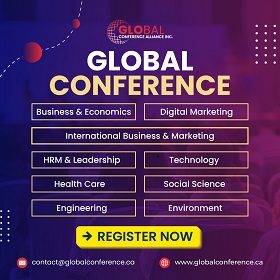
Here are some broad and engaging examples of popular conference topics that work well across different industries:
Technology and Digital Transformation
“Technology conferences often highlight AI, machine learning, big data, cybersecurity, IoT, 5G, and quantum computing. These topics attract tech professionals, innovators, and businesses eager to understand how digital transformation shapes the future.”
Business Innovation and Strategy
“Themes around innovation, disruption strategies, entrepreneurship, and global markets help organizations stay competitive. Conferences here explore growth opportunities, new business models, and tools for building long-term success.”
Education and Learning Development
“Educational topics focus on digital learning, lifelong learning, skill-building, and future-ready education systems. These events often address how technology, collaboration, and innovation improve global access to knowledge.”
Sustainability and Climate Change
“Environmental conferences highlight climate action, renewable energy, green policies, and corporate sustainability practices. Such topics resonate worldwide as businesses and individuals seek solutions for a more sustainable future.”
Leadership and Professional Growth
“Leadership topics include productivity, communication, emotional intelligence, diversity, and team-building. These conferences equip attendees with skills to inspire teams and drive organizational success.”
Healthcare and Wellness
“Healthcare themes cover advancements in medical technology, patient-centered care, public health challenges, and the future of healthcare systems. Wellness-focused topics may also include mental health, fitness, and workplace well-being.”
How to Choose the Right Topic or Theme for Your Conference?
Selecting a strong theme creates focus and helps participants feel invested in your event. The right topic should connect with audience needs, reflect current trends, and match event goals. Organizers who follow a clear step-by-step process often achieve engaging, relevant, and memorable conferences. Here are the steps to choose the topics or themes for the conference.
Step 1: Understand Your Audience
- Researching the attendees’ needs gives direction for building a theme that resonates with real expectations. Collect surveys, analyze feedback, and study demographics to uncover insights that clarify which themes will spark interest.
- Studying professional backgrounds helps reveal challenges attendees want addressed through targeted sessions. Relevant topics connect participants to the event while improving satisfaction.
- Identifying knowledge gaps allows you to frame a theme around practical learning experiences. Addressing these gaps builds trust while creating strong takeaways.
- Listening to potential participants during early planning stages ensures inclusivity. Their input strengthens overall engagement while shaping a more personalized event.
Step 2: Study Industry Trends
- Monitoring sector developments ensures your conference reflects current issues and innovations. Popular themes include AI, sustainability, and healthcare.
- Following reports, articles, and research studies provides insights into new directions. Conferences addressing these trends position themselves as leaders.
- Watching competitors’ events can reveal themes gaining momentum. Organizers who anticipate future interests deliver highly relevant discussions.
- Collaborating with industry experts helps identify topics with long-term importance. Their guidance ensures conference themes remain credible and valuable.
Step 3: Align with Event Goals
- Clarifying your event objectives ensures the theme matches expected outcomes. Goals may include education, networking, or problem-solving.
- Reviewing organizational vision helps align conferences with broader missions. A consistent focus enhances credibility while reinforcing strategic intent.
- Deciding if your event prioritizes inspiration or technical learning narrows down suitable topics. Clarity helps avoid diluted or unfocused sessions.
- Connecting goals to themes provides participants with meaningful outcomes. Attendees appreciate when sessions deliver practical alignment with event missions.
Step 4: Consider Geographic Context
- Different countries have varied interests, making cultural context critical when finalizing conference themes. Attendee diversity requires thoughtful consideration.
- For example, a conference in USA might focus on AI or healthcare, while Germany favors sustainability.
- Popular destinations like the UK, Singapore, and Canada often highlight global collaboration. Themes reflect shared international goals across industries.
- Adjusting content to reflect regional challenges ensures inclusivity. Local perspectives strengthen participation and enrich global dialogue during the conference.
Step 5: Evaluate Speaker Expertise
- A strong theme requires experts capable of delivering engaging and informative presentations. Experienced voices create powerful and memorable sessions.
- Speakers with industry recognition attract attendees while enhancing event credibility. Their real-life insights give depth to chosen topics.
- Evaluating speaker availability during planning prevents mismatched themes. Without strong voices, even trending topics risk losing impact.
- Experienced panelists ensure discussions remain practical and actionable. This transforms a general idea into content with lasting influence.
Step 6: Balance Relevance and Practicality
- Choosing relevant themes ensures participants find value. Practical topics like cybersecurity, leadership, and wellness often deliver immediate takeaways.
- Balancing ambitious ideas with available resources prevents execution challenges. Organizers must ensure feasible delivery without compromising content quality.
- Considering logistical limitations avoids unnecessary stress. Strong planning ensures themes align with event scale, budget, and timeframe.
- Blending ambitious subjects with achievable execution creates trust. Audiences appreciate professionalism while recognizing meaningful, well-structured experiences.
Step 7: Plan for Long-Term Impact
- Conferences should leave attendees motivated to implement new skills. A lasting theme fosters continued progress beyond the event.
- Addressing long-term global challenges ensures participants gain enduring insights. Sustainability, leadership, and innovation remain timeless areas of focus.
- Building a theme that resonates after the event strengthens brand loyalty. Participants return expecting valuable, future-focused sessions.
- Long-term themes transform conferences into catalysts for change. These events inspire collaboration, innovation, and sustainable practices across industries.
Reasons Why You Should Choose an Engaging Topic for a Conference
Conferences bring people together and make them think about new ideas in exciting and creative ways. Picking the right theme helps set the mood and makes the audience feel excited to learn more. A boring subject often makes people lose interest and stop paying attention quickly. Here is why choosing an engaging topic really matters for the whole event.

Builds Interest
When a topic feels interesting, people immediately want to listen and know more about it. An engaging subject grabs attention and makes everyone feel curious right from the start. Once the audience feels hooked, they stay focused for longer. This keeps the event lively and full of energy.
Encourages Participation
A good theme makes people want to join discussions and share their own thoughts with others. It creates a friendly environment where everyone feels comfortable speaking up and exchanging ideas. When people talk more, the event becomes more interactive. That interaction makes the conference feel meaningful and enjoyable.
Increases Learning
An engaging topic makes it easier for people to learn and remember new information. When the subject feels clear and interesting, knowledge becomes easier to understand. This helps the audience take away practical ideas they can use later. A strong theme turns learning into a fun and memorable experience.
Leaves Lasting Impact
People remember engaging topics long after the conference ends. A strong theme can inspire new actions, choices, or ideas. It gives participants something to think about beyond the event itself. That lasting impact makes the conference more valuable for everyone attending.
Makes Networking Easier
When the theme is exciting, it becomes easier for people to connect and start conversations. A good subject gives attendees something common to talk about and discuss. This helps them build relationships with others at the event. Networking feels smoother and more natural with an engaging topic.
Builds Reputation
Conferences with engaging topics earn respect and attract more people in the future. Attendees are likely to share their positive experiences with others. This creates a stronger image for the event organizers. A good reputation also ensures higher interest in upcoming events.
Boosts Motivation
A lively theme gives energy to participants and makes them feel inspired. It encourages them to think differently and see new possibilities. People feel more motivated to learn and grow when they enjoy the sessions. That motivation often carries over into their personal and professional lives.
How to Match the Topic With Audience Expectations?
Every event feels special when the audience feels the theme was made with them in mind. People enjoy learning more when they connect with the subject and find it useful in daily life. Picking the right focus makes the conference fun and engaging for everyone. Here is how you can match the topic with audience expectations.

Know Your Audience
Understanding who will attend helps you select a topic that fits their interests. Different people enjoy different subjects depending on age, profession, or background. When you know your audience, planning becomes easier and more thoughtful. This ensures the topic will feel right for them.
Check Current Trends
Popular themes often follow the latest trends in technology, health, or the environment. Keeping track of these changes shows the audience you are updated. People feel excited when the subject matches what they already care about. Trends keep the event fresh and interesting.
Ask for Feedback
Sometimes the best way to know what people want is to ask them directly. Surveys, polls, or simple discussions can reveal helpful ideas. When people share their preferences, planning becomes more accurate. Feedback makes the audience feel valued and included.
Balance Interests and Goals
It’s important to choose a topic that fits the audience’s interests while also matching the event’s purpose. A subject that entertains but misses the goal won’t feel complete. Likewise, a goal-focused topic with no interest loses attention. Balance makes both the audience and organizers happy.
Keep It Practical
Audiences love it when topics include real-life examples or ideas they can apply. A theme should offer something useful, not just theory. Practical subjects make people remember the event and share their learning. This kind of connection leaves a stronger impression.
Choosing the Theme
The process of choosing a conference theme often decides whether the event feels exciting or forgettable. A smart choice links audience needs with meaningful subjects that add real value. This ensures the conference feels worth attending. A well-matched theme is the key to long-lasting impact.
Surprise with Creativity
Audiences sometimes enjoy it when the topic feels fresh and slightly unexpected. Adding creativity can make the event stand out. Surprising subjects spark curiosity and boost attention throughout the sessions. Creativity, combined with relevance, makes the audience remember the experience.
Mistakes to Avoid When Choosing a Conference Topic
Picking the right conference topic shapes how people feel about the event. A weak choice can quickly reduce excitement and interest. Strong themes keep the audience engaged while supporting the main purpose of the event. Avoiding these common mistakes makes everything smoother and more meaningful.
- Too Broad: Covering too many ideas makes the audience confused and unfocused. A topic should remain specific to create stronger engagement.
- Too Vague: Unclear subjects leave participants wondering about the purpose. A clear and direct theme always helps people understand the real value.
- Off-Goal Choice: Selecting a topic that doesn’t match the event’s mission wastes time. Audiences expect the subject to support planned objectives.
- Ignoring Trends: Topics that miss current industry or global trends feel outdated. Attendees want themes that reflect their modern-day interests.
- Overly Complex: Complicated themes often intimidate attendees and reduce involvement. A simple and practical subject keeps participants comfortable and fully engaged.
- Repetitive Topics: Using the same theme repeatedly makes events boring. Fresh ideas maintain excitement and give participants something new to explore.
- Skipping Feedback: Not asking the audience for input weakens the connection. Gathering suggestions ensures the topic remains engaging, relevant, and well-appreciated.
Should Conference Topics Be Trendy or Timeless?
Yes, conference topics can be trendy, but they can also be timeless depending on the goals of the event. Trendy themes attract excitement and create buzz by reflecting current issues people care about right now. Timeless topics, on the other hand, stay relevant for many years and always provide meaningful lessons. Here’s how to choose a trendy or timeless conference topic effectively.
Audience Needs
Understanding what people want to learn helps decide between trendy and timeless themes. Attendees often appreciate subjects that reflect their current interests. A theme becomes valuable only when it connects with real-life challenges. Matching audience needs makes the conference meaningful and more enjoyable.
Event Purpose
Every conference has a clear purpose that shapes the type of theme. If the goal is innovation, a trendy topic might fit. For events aiming at professional growth, timeless subjects like leadership often work best. The purpose should always guide the theme selection.

Industry Relevance
Industries change quickly, and topics must reflect those shifts. Technology conferences may benefit from trendy themes like AI or digital security. Healthcare events may lean on timeless issues like patient care or wellness. The right choice depends on the industry’s current demands.
Learning Value
Attendees want lessons they can remember and apply later. Trendy themes may spark excitement, but timeless ones deliver lasting lessons. Both approaches can succeed when planned carefully. Balancing short-term excitement with long-term usefulness makes the event impactful for everyone.
Global Appeal
Some themes connect with audiences worldwide, regardless of time. Subjects like climate change or sustainability are timeless and stay relevant globally. Trendy themes may vary by region or culture. Choosing wisely ensures the conference appeals to both local and international audiences.
Creativity Factor
Freshness and originality often influence how engaging a topic feels. Sometimes, adding creativity makes timeless themes feel new again. Organizers should explore unique ways to present their ideas. Creativity often helps when deciding between trendy topics and more enduring choices.
Planning Strategy
The selection process should include a balance of both styles. Trendy topics keep the event updated with modern discussions. Timeless ones build continuity that strengthens the event’s reputation. Planners can review surveys or explore the latest conference theme ideas before making the final choice.
Tips for Making a Conference Topic Engaging
A good topic can turn a simple event into something exciting and memorable for everyone attending. People enjoy subjects that feel creative and connect with their lives. Picking the right theme can make learning easier and more enjoyable. Here’s how to make your conference topic more engaging and memorable for every participant.

Creative Wording
Using simple but creative words makes any topic sound more interesting to the audience. Words have the power to create curiosity and excitement. A catchy title can quickly grab attention and make people want to know more. Creative wording makes the conference feel lively from the start.
Real-life Connection
Linking topics to real-world issues makes them more relatable for everyone. People listen more when they see how it affects their lives. Subjects that touch everyday challenges stay in their minds longer. Real-life connections always add more meaning to a discussion.
Clear Outcomes
When people know what they will gain, they become more interested in the topic. Sharing the benefits clearly builds excitement. Outcomes like new skills, ideas, or solutions give the event strong value. Attendees feel motivated when they know exactly what to expect.
Add Stories
Stories help explain ideas in a way that feels simple and fun. A good story can make a complex subject easy. People connect with real examples and remember them better than plain facts. Adding stories makes the whole event more engaging.
Use Examples
Examples make topics practical and easier to understand. Showing how something works in real life keeps attention steady. They also give the audience steps they can follow after the event. Clear examples always make the topic stronger and more useful.
Interactive Elements
Engagement grows when people take part instead of only listening. Activities like discussions or questions help create lively sessions. These moments break the silence and make everyone feel involved. Interactive elements change the event from just listening to active participation.
Keep It Simple
Simple topics are easier to connect with than complicated ones. People lose interest when the subject feels too hard. Clear language and focused themes keep the audience comfortable. Simplicity makes learning fun while keeping everyone’s attention longer.
FAQs About the Best Topic for a Conference
Conferences often leave people wondering what makes a theme powerful and worth attending. A good topic goes beyond trends—it inspires, teaches, and connects. Below are some helpful FAQs that answer important questions people often ask.
What Role Does Creativity Play in Choosing a Conference Topic?
Creativity makes a conference topic stand out and sparks excitement among attendees. A creative twist on a theme creates curiosity, builds attention, and helps participants remember the subject more easily, making the entire event feel fresh and exciting.
How Can Storytelling Make a Conference Topic Better?
Storytelling connects people emotionally with the theme by making complex ideas feel simple and memorable. A topic explained with relatable stories helps audiences pay attention longer, while also inspiring them to apply lessons in real-life situations after the event concludes.
Why Should a Conference Topic Be Action-oriented?
An action-oriented topic motivates participants to leave the event with ideas they can actually use. Instead of vague themes, focused subjects help attendees learn practical lessons, gain strategies, and feel empowered to take meaningful steps in their work or studies.
Can Humor Improve a Conference Topic?
Yes, humor can make a topic engaging by lightening the mood and keeping participants relaxed. Funny but relevant themes grab attention while creating positive energy. This approach makes difficult ideas easier to understand, leaving attendees with a fun and memorable experience.
What Makes a Conference Topic Memorable?
Memorable topics connect with real-life challenges, offer solutions, and stay simple to understand. When attendees feel the subject speaks directly to their needs, they remember the lessons clearly, share them with others, and value the overall experience long after leaving.
Why Should a Conference Topic Be Unique?
Uniqueness helps a conference stand out among many events happening worldwide. A fresh theme not only attracts more attendees but also keeps them excited. Unique ideas give participants a reason to choose your conference over similar options elsewhere.
How Can a Topic Encourage Collaboration?
Certain themes invite people to share ideas, opinions, and experiences with each other. A collaborative topic creates open discussions, encourages teamwork, and connects diverse groups of participants, helping everyone build networks, gain insights, and solve problems together more effectively.
Do Visual Themes Help With Conference Topics?
Yes, adding a strong visual element makes the topic more engaging and easier to follow. Visuals highlight important ideas and keep attention steady. When paired with the theme, they turn a standard conference into a dynamic and memorable experience.
Why Should a Topic Offer Problem-solving Value?
Problem-solving topics give attendees something practical to take home. People feel events are worthwhile when they learn real solutions. Choosing such a subject ensures the audience leaves feeling more capable, prepared, and satisfied, which increases the conference’s long-term impact.
Can a Conference Topic Inspire Future Events?
Yes, a powerful theme often sets the tone for future gatherings. When participants leave inspired, they recommend your event, shaping excitement for the next one. Strong topics create continuity and help conferences grow into trusted and well-loved experiences.
Closing Remarks
A great conference starts with a topic that people care about. It should feel relevant, practical, and interesting enough to hold attention from start to finish. The right theme gives direction to every session and makes learning easier for everyone in the room.
When thinking about what is the best topic for a conference, focus on what matters most to your audience. Choose ideas that solve real problems, reflect current trends, and inspire meaningful conversations. A good topic connects people and gives them something valuable to take away.
Eventually, it’s not about picking the trendiest subject—it’s about finding one that feels real, useful, and memorable. A well-chosen topic can turn an ordinary event into something people truly remember.