Conferences bring people together to learn, share, and grow in their fields. They are full of ideas, teamwork, and useful learning moments. Many people attend to improve their skills, meet new people, and gain fresh motivation. You might also be wondering about the top 10 reasons to attend a conference and how it can truly help you.
Top reasons to attend a conference include learning new skills, staying updated on trends, networking, boosting your career, and gaining expert insights. You also get feedback on your work, build confidence, explore new tools, find motivation, and join a supportive community that shares your goals.
If you’re curious to know how conferences help different people and what makes them so valuable, keep reading. In this article, you’ll find everything from how to choose the right event to how to prepare and get the most out of it. Each section is filled with practical tips to make your next conference experience more rewarding.
Top 10 Reasons to Attend a Conference (Full List)
Conferences teach practical skills that you can start using right away. Workshops and live demos make learning fun and hands-on. You pick up new tools and methods that improve your performance at work. It’s a simple way to grow faster and become better at what you do.
1. Stay Updated On Industry Trends And Changes
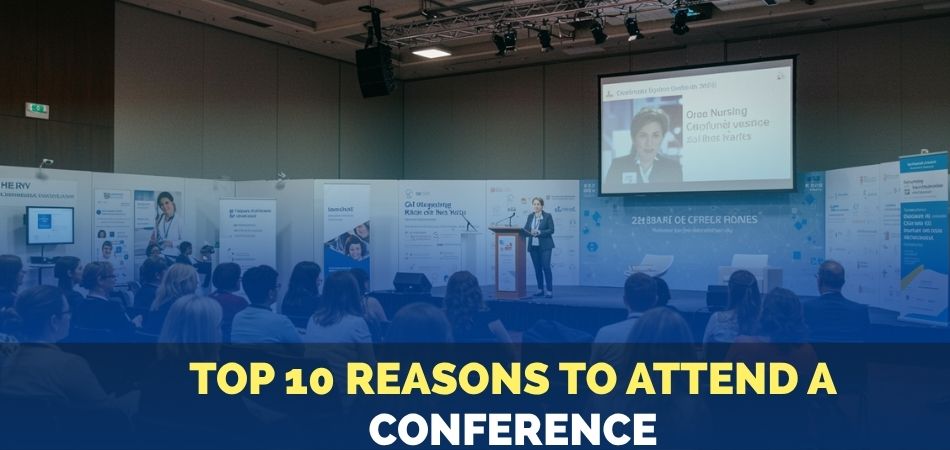
Every field changes, and it’s important to keep up with it. At conferences, experts share the newest updates and trends shaping your industry. You’ll learn about tools, ideas, and strategies others are already using. This helps you stay informed and ready for what’s next.
2. Learn Directly From Experts And Speakers
Many conferences also offer continuing education or professional development credits. These credits help meet license or renewal requirements in fields like healthcare, education, engineering, and accounting. For many professionals, conferences are the fastest way to earn these credits while learning from experts.
3. Build Strong Professional And Personal Connections
Many valuable conversations happen outside formal sessions. These informal chats, often called the “hallway track,” take place between sessions, during breaks, or near booths. They often lead to honest advice, job leads, and long-term connections that planned meetings cannot replace.
4. Boost Your Career And Open New Opportunities
Conferences can play a big role in your career growth. Talking to industry leaders can lead to new roles, projects, or ideas. You may also find inspiration for your next big step. Attending one can be the turning point you didn’t expect.
5. Learn Directly From Experts And Speakers
Listening to experienced professionals gives you a deep understanding of your field. They share lessons from their success and mistakes you can learn from. Their insights are real and practical. This kind of learning can change how you approach your own work.
6. Share Your Work And Get Helpful Feedback
Sharing your projects or research helps others see your progress. You receive feedback that can improve your ideas and work. Many people discover better approaches after presenting at conferences. It’s a supportive way to grow and refine your skills.
7. Gain Confidence Through Real Interaction
Talking with others face-to-face helps you feel more confident. You practice speaking, listening, and sharing your thoughts clearly. This builds trust and makes you comfortable in professional settings. Over time, it becomes easier to take part in bigger discussions.
8. Discover New Tools, Ideas, And Innovations
Many conferences showcase the latest tools and technology. You can try new products, ask questions, and see how they fit your work. This hands-on learning sparks creativity and helps you stay current. It’s a great way to bring fresh ideas back to your team.
9. Step Away From Routine And Get Fresh Motivation
Many conferences now focus on wellness and balance. Shorter sessions, quiet rooms, and wellness breaks help reduce fatigue. Some attendees also choose virtual options to reduce travel impact and save energy, making learning more sustainable.
10. Join A Supportive Community With Shared Interests
When you attend events, you find people who truly understand your field. They share your goals and help you stay inspired. If you’re preparing for any upcoming conference, you’ll see how these communities make learning enjoyable. It’s more than just an event—it feels like belonging to a family of thinkers.
Attending a conference helps you grow, connect, and find new inspiration. You learn from others, share your own ideas, and explore exciting possibilities. Each session gives you something valuable to take back. So, whenever you get the chance, go ahead and make the most of every event experience.
Who Should Attend a Conference and Why Does It Help?
Attending a conference can be a great way to learn and grow fast. It brings together people who share the same interests and goals. You can gain new ideas, build useful connections, and see what’s changing in your field. Let’s look at how different people benefit from joining a conference.
Students
Conferences help students learn the latest updates in their area of study. They get a chance to hear from experts and see real examples of work. Sharing ideas and asking questions can also build confidence. Meeting new people may even lead to future study or career opportunities.
Researchers And PhD Scholars
These events give researchers a place to share their findings and get feedback. It helps them test ideas and learn about other ongoing projects. Many also find new tools and methods that improve their own research. Conferences can open doors for future collaborations and publications too.
Early-Career Professionals
For those starting their careers, conferences can be a big help. They offer a quick way to learn about new trends and best practices. Talking with peers and experts builds confidence and communication skills. The contacts made here can lead to job offers or mentoring later on.
Managers And Team Leads
Leaders attend conferences to find fresh ideas and proven strategies. Learning together as a team often improves understanding and teamwork. It also helps managers spot new tools that can boost results. After the event, they can bring these ideas back to inspire their teams.
Entrepreneurs And Startup Founders
Business owners and founders can test their ideas in front of others. They meet investors, mentors, and future partners who can help them grow. Listening to market experts gives a clear view of what customers want. Attending also builds trust and shows that they take growth seriously.
Joining a conference is more than just sitting through sessions and talks. It’s a chance to connect, learn, and grow in real ways. Everyone, from students to business leaders, can find something valuable there. Use each event as a step toward improving your knowledge and future plans.
How to Choose the Right Conference for Your Goals?
Finding the right event takes some planning and a bit of research. The goal is to get real value for your time and money. You want to learn, connect, and grow without wasting effort. Let’s go over simple steps to help you pick the best conference for your goals.
Start With Your Goal
Pick one main goal. Examples:
- Learn a skill or get fresh ideas
- Meet future clients or partners
- Present research or get feedback
- Earn credits or a certificate
For money or leads, plan to measure return on investment with a basic formula: ROI = (Benefits − Costs) ÷ Costs. Useful guides break this down with examples and event metrics.
Shortlist by Focus and Level
Look for conferences that match your field and your experience level. Check event themes, past topics, and speaker lists to see if they fit your goals. You can also read reviews or ranking lists to judge the event’s quality. Picking a focused event saves time and gives better results.
Check Conference Reputation
A strong conference has clear organizers, real past events, and good reviews. Look for last year’s photos, program details, and known sponsors. If the site looks vague or mixes unrelated topics, skip it. These checks help avoid fake or low-quality conferences.
Review Agenda and Speakers
Read the schedule carefully to see what you’ll actually learn. Look for practical sessions, not just long speeches. Check if speakers are from respected companies or universities. A good mix of case studies, workshops, and talks keeps the event useful and interesting.
Think About Networking and Attendees
Events are not only about learning but also meeting new people. Look for ones that plan social hours or discussion breaks. These help you make real connections instead of just listening all day. The right crowd can lead to strong future opportunities.
Match the Format With Your Needs
In-person events are great for personal talks and deeper networking. Online ones save money and travel time but may feel less engaging. Pick what fits your current goal best. Some smaller or hybrid events also give you the best of both worlds.
Plan and Review the Budget
Before paying, list all costs like tickets, hotel, and travel. Compare them with what you expect to gain, such as new leads, knowledge, or clients. When choosing where to go, think about your learning goals, networking opportunities, and the overall conference cost, since balancing value and budget helps you make a smarter choice.
Do a Final Red Flag Check
Avoid conferences that have no clear organizers or mix unrelated topics. Fake events often promise fast publication or big results with little proof. If you see these warning signs, skip them right away. Always check reviews and organizer details before registering.
Picking the right conference helps you grow and make useful contacts. Take time to plan and compare your options carefully. Focus on your main goal and check details before spending money. With a little effort, you’ll find an event that truly helps your career.
How to Justify the Cost of a Conference (ROI Explained Clearly)
When you ask for approval to attend a conference, the main question decision makers ask is simple: What do we get back for the money we spend?
This is where ROI comes in. ROI means Return on Investment. It helps show that the conference is not a cost only, but a value-adding decision. Let’s break it down in a practical way.
1. Understand the Full Cost First
Before talking about benefits, you must be clear about the total cost. This shows honesty and planning. Typical costs include:
- Conference ticket or registration fee
- Travel expenses like flights, trains, or fuel
- Hotel or accommodation
- Food and daily expenses
- Local transport like taxis or buses
Add everything together. This gives you the Total Cost.
Example:
Ticket: $600
Travel: $400
Hotel: $500
Food and local travel: $200
Total Cost = $1,700
2. List the Expected Benefits in Real Terms
This is the most important part. Benefits should connect to real work results, not just personal interest.
a. Skills and Knowledge
Explain what new skills you will learn and how they will be used at work. For example:
- Learning a new tool that reduces work time
- Better methods that improve accuracy or quality
- Updated industry knowledge that avoids mistakes
If a new skill saves 5 hours of work each week, that time has value.
b. Better Performance at Work
Show how the learning improves results. Examples:
- Faster project delivery
- Fewer errors
- Better decision making
- Stronger problem solving
Managers like results they can see and measure.
c. Leads and Business Opportunities
If the conference has networking or business sessions, explain this clearly. Possible outcomes:
- New clients or customers
- Sales leads
- Partnership discussions
- Vendor discounts or better deals
Even one good contact can return more value than the full cost.
d. Certifications or Credits
If the conference provides certifications or professional credits, mention them. These help because:
- They improve company reputation
- They meet compliance or training needs
- They reduce the need for paid training later
e. Knowledge Sharing with the Team
Explain that the value does not stop with you. You can:
- Share notes and materials
- Run a short team session
- Create a guide or checklist
This spreads the benefit across the company.
3. Use the ROI Formula in a Simple Way
The common formula is ROI = (Expected Benefits − Total Cost) ÷ Total Cost
Let’s use a simple example. Expected benefits:
- Time saved worth $2,200
- New client opportunity worth $1,000
Total expected benefit = $3,200
Total cost = $1,700
ROI = (3,200 − 1,700) ÷ 1,700
ROI = 1,500 ÷ 1,700
ROI ≈ 0.88 or 88 percent
This means the return is much higher than the cost.
You do not need perfect numbers. Reasonable and logical estimates are enough.
4. Explain Long-Term Value, Not Just Immediate Gains
Some benefits grow over time. Examples:
- Better skills reduce future training costs
- Strong contacts help in future projects
- Better processes improve results again and again
Managers often approve when they see long-term improvement.
5. Connect the Conference to Company Goals
Always link the event to what the company wants. For example:
- Growth
- Better quality
- Cost saving
- Innovation
- Market expansion
When the conference supports these goals, approval becomes easier.
6. Present It Clearly and Confidently
Keep your explanation simple and structured:
- Total cost
- Clear benefits
- Expected return
- How the company gains
This shows planning, responsibility, and business thinking. The goal is not to prove the conference is perfect. The goal is to show that the value makes sense compared to the cost. When benefits are clear and realistic, approval becomes much more likely.
Modern Conference Trends You Should Know (Online and Hybrid)
Conferences have changed a lot in recent years. Many are now held online or use a mix of in-person and virtual setups. Both styles come with their own benefits and challenges. The table below shows how online and hybrid conferences compare in key areas.
| Aspect | Online Conferences | Hybrid Conferences |
| Audience Scale | Can reach very large crowds. Zoom Webinars support up to 1,000,000 attendees. | Combines in-person audience with live streaming for wider reach. |
| Session Design | Uses short, interactive sessions with polls, chat, and Q&A to keep people involved. | Mixes on-site workshops and demos with live Q&A for remote viewers. |
| Networking | Offers chat lounges and quick meets but can feel less personal. | Includes face-to-face chats, booths, and scheduled virtual meetups. |
| Data and ROI Tracking | Tracks online actions like watch time, polls, and chat engagement. | Adds in-person data like badge scans and booth visits for deeper insights. |
| Costs | Usually cheaper since there are no venue or travel costs. | Higher due to venue, on-site staff, and streaming setup needs. |
| Accessibility | Captions, transcripts, and on-demand playback make joining easier. | Uses captions and clear room audio so both audiences can follow along. |
| Sustainability | Lowest carbon footprint by removing travel and venue energy use. | Cuts emissions when part of the audience joins remotely. |
| Format Trend | Digital programs remain popular and support year-round engagement. | In-person demand is strong, and hybrid formats are growing in 2025. |
Should You Attend In-Person or Virtual?
Choosing between in-person and virtual attendance depends on your goal.
In-person events work best if networking, live discussions, and hallway conversations matter most. Virtual events are better if learning, cost savings, or time limits are your main concern.
If possible, hybrid options give flexibility while keeping access to live sessions and recordings.
Online and hybrid conferences both make learning and connecting easier in different ways. Online events reach huge crowds at lower costs, while hybrid ones mix live energy with digital access. Picking the right format depends on your goals, audience, and budget. Either way, both styles keep people learning and sharing ideas easily.
How to Prepare Before You Attend a Conference?
Planning ahead helps you make the most of any conference. It saves time, reduces stress, and makes networking smoother. A clear plan also helps you reach your goals faster. Follow these simple steps to stay ready and confident before your next event.
- Organize Travel and Stay: Book flights and hotels in advance to avoid last-minute issues. Keep all your travel confirmations and ID documents saved together for easy access.
- Download the Event App: Install the official app to view schedules, find rooms, and get updates. It also helps you connect with attendees during the event.
- Practice Your Introduction: Prepare a short one-line intro and a longer version. Practice speaking it naturally so you feel ready when meeting new people.
- Update Your Online Profile: Refresh your photo, title, and description on LinkedIn. Make sure your QR code is handy for quick connections at the event.
- Reach Out Before the Event: Send friendly messages to speakers or attendees you want to meet. Setting up short chats helps you make strong early connections.
- Pack Smart and Light: Bring only what you need like power banks, notebooks, pens, and water. Include business cards or digital contact info for fast sharing.
- Track Your Progress: Set small targets such as new contacts or useful sessions. Keeping simple goals helps you measure success after the event ends.
- Plan for Emergencies: Save maps, safety details, and local emergency numbers on your phone. Being prepared keeps you calm if plans suddenly change.
- Prepare Follow-Up Messages: Draft quick thank-you or recap notes for after the event. Sending them soon helps you keep your new connections strong.
Many conferences now use apps to help attendees connect before the event starts. These tools suggest people to meet based on interests and goals. Using the app early helps you plan meetings and save time during the event.
What to Do After the Conference to Keep the Benefits?
Your work is not over once the conference ends. The real value comes from what you do after it. Staying in touch, sharing notes, and following up can turn short meetings into real results. Read below for simple steps to keep the benefits going strong.

Follow Up Within 24 Hours
Start by sending thank-you notes to people you met during sessions. Mention what you talked about and offer one clear next step. Connect on LinkedIn with a short, friendly note to keep in touch. Logging new contacts in a list or CRM helps you remember who to follow up with later.
Share Surveys And Recaps Within Two Days
Send your post-event survey soon while the experience feels fresh. Ask short, clear questions to get useful feedback. Post a simple recap online that highlights key lessons or quotes from the event. This not only reminds others but also helps you remember your main takeaways.
Set Quick Follow-Up Calls
A short chat after the event keeps your new links alive. Send a friendly message like, “Let’s have a 15-minute call next week.” These calls help you trade ideas or explore ways to work together. Plan to connect within a week while the event is still in everyone’s mind.
Hold A Team Debrief
Bring your team together to share what each person learned. Talk about what worked well and what can be done better next time. List a few ideas you can use right away in daily work. A clear team debrief helps turn conference insights into real progress and future planning.
Turn Event Notes Into Content
Use your notes and photos to make something useful after the event. You can write short posts, make a checklist, or record a short recap video. These skills are useful not just when applying for jobs, but also during presentations at conferences for residency and other professional events. Sharing what you learned helps others and keeps your ideas fresh.
Keep Promises And Review Feedback
Follow through on anything you promised during the event. Send slides, links, or contacts you mentioned to others. Read the feedback you got and choose a few things to improve next time. This shows professionalism and helps you build lasting trust with people you met.
Track Results And Update Notes
By the end of the month, check what you gained from the event. Count new meetings, deals, partnerships, or skills you picked up. Note what made this event successful so you can repeat it later. Keeping a simple record helps compare results and plan smarter for future conferences.
The best results come from staying active after the event ends. Quick follow-ups, shared updates, and team talks turn ideas into actions. Each small step keeps your connections alive and your learning fresh. With steady effort, one event can lead to many new chances ahead.
FAQs About Top 10 Reasons to Attend a Conference
Attending a conference can be exciting, but people often have questions before joining. You might wonder what you’ll gain, how it helps your career, or if it’s really worth the time. These simple answers explain why attending matters and how it helps your learning and growth. Read below to get clear ideas before your next event.
How Does Attending a Conference Improve My Learning?
Conferences let you learn faster through real examples and live sessions. You see how experts solve problems and get to ask them questions. This helps you understand topics better than just reading about them. You walk away with practical ideas you can use right away.
Why Are Conferences Better Than Online Tutorials?
Online lessons are helpful, but conferences give live interaction and real feedback. You can talk directly with experts and other learners. Seeing live demos makes it easier to understand complex topics. It’s a fun and active way to learn instead of only watching a screen.
How Can Attending a Conference Help My Confidence?
Meeting and speaking with others face-to-face builds self-trust. You practice sharing your thoughts clearly and listening to different views. Each small talk or Q&A session improves your public speaking comfort. Over time, you’ll feel more confident in group discussions or future events.
Can Attending Conferences Help Me Find a Job?
Yes, many people find new job leads through conferences. Meeting company leaders or recruiters can open new career paths. Sharing your skills or asking smart questions helps you stand out. These events can be the place where your next big opportunity begins.
Why Are Networking Opportunities So Important?
Conferences gather people who share the same interests and goals. Talking with them helps you find mentors, partners, and future collaborators. You learn from their experiences and might even start new projects together. These personal links can support your career for years.
What Do I Gain From Listening To Speakers?
Speakers often share lessons learned from real challenges and success stories. You get advice that comes from experience, not just theory. These talks give you ideas that you can apply to your own work. Listening closely can help you see your field in a new way.
How Do Conferences Encourage Creativity?
Being in a new place and meeting creative people sparks fresh ideas. Workshops and demos show new tools that inspire better ways of working. You can mix what you learn with your own style to improve your projects. The energy around you often helps ideas come more easily.
Final Thoughts
Attending conferences helps you learn, grow, and connect in meaningful ways. You meet experts, gain real insights, and discover new tools that improve your skills. It’s a smart way to stay updated and motivated in your field. These are the top 10 reasons to attend a conference, showing why such events are always worth your time.
To make the most of your experience, set clear goals before going. Take notes, meet people, and follow up after the event. Stay curious, open-minded, and ready to learn something new. Wishing you great success and inspiring moments at your next conference!