
Technology is moving faster than ever, and machine learning is at the center of this change. From smart apps to self-driving systems, new ideas are shaping our world daily. That’s why keeping an eye on the top machine learning conferences in 2026 truly matters.
Some standout events include the 55th Global Conference on Machine Learning and Artificial Intelligence (GCMLAI), organized by the Global Conference Alliance, and the International Conference on Machine Learning in Seoul. These gatherings highlight fresh research, real-world tools, and practical discussions that shape tomorrow’s technology.
Attending or even learning about these events can spark new ideas and broaden your understanding of how machines learn. Each conference offers something unique, from theory to hands-on solutions. Keep reading to explore the full list and discover what makes each one special.
Top Machine Learning Conferences 2026
| Date | Conference Name | Location |
| May 15–17, 2026 | 55th Global Conference on Machine Learning and Artificial Intelligence (GCMLAI) | Vancouver, Canada |
| September 7–11, 2026 | European Conference on Machine Learning and PKDD | Naples, Italy |
| June 5–7, 2026 | 107th Global Conference on Information Technology and Computer Science (GCITCS) | Toronto, Canada |
| July 6–11, 2026 | International Conference on Machine Learning | COEX Convention & Exhibition Center, Seoul, South Korea |
| July 6–8, 2026 | 65th Global Conference on Machine Learning and Artificial Intelligence (GCMLAI) | London, UK |
| June 1–4, 2026 | Snowflake Summit | Moscone Center, San Francisco, California, US |
| July 10–12, 2026 | International Conference on Signal Processing and Machine Learning | Hangzhou, China |
| June 15–18, 2026 | Data + AI Summit | San Francisco, California, US |
| August 08–09, 2026 | Global Conference on Artificial Intelligence, Computer Science & Machine Learning | Bangkok, Thailand |
| October 29–30, 2026 | DataConnect | The Ohioan Hotel & Event Center, Columbus, Ohio, US |
1. 55th Global Conference on Machine Learning and Artificial Intelligence (GCMLAI)
- Date: May 15–17, 2026
- Location: Vancouver
People come together to talk about new ML and AI ideas, and it’s often mentioned among the most exciting upcoming international conferences each year at this conference. The sessions are easy to understand and filled with helpful examples. Many experts share what they are working on and why it matters. It creates a space where learning feels open and enjoyable.
2. European Conference on Machine Learning and PKDD
- Date: September 7–11, 2026
- Location: Naples
The focus here is on machine learning, data mining, and predictive models. The conference offers clear explanations, even for complex topics. You’ll hear how these tools help solve real problems. It’s a warm and engaging event with plenty of practical insights.
3. 107th Global Conference on Information Technology and Computer Science (GCITCS)
- Date: June 5–7, 2026
- Location: Toronto
GCITCS brings together computer science and tech in a broad and simple way. The talks cover modern systems, creative problem-solving, and smart digital tools. Many presenters share ideas that are useful in everyday life. It’s a welcoming place for anyone interested in technology.
4. International Conference on Machine Learning
- Date: July 6–11, 2026
- Location: COEX Convention & Exhibition Center
Known worldwide, this conference digs into theories, algorithms, and real-world ML uses. The speakers explain how machines learn and improve over time. You’ll find everything from deep research to simple, easy-to-follow talks. It’s one of the biggest and most exciting ML events each year.
5. 65th Global Conference on Machine Learning and Artificial Intelligence (GCMLAI)
- Date: July 6–8, 2026
- Location: London
This gathering showcases new ideas in ML and AI in a clear and friendly way. Presenters often show real examples to make the concepts easier to understand. The event encourages open conversation and simple learning. It’s a great chance to see where modern tech is heading.
6. Snowflake Summit
- Date: June 1–4, 2026
- Location: Moscone Center
The Snowflake Summit focuses on data, cloud tools, and ML in analytics. You’ll see demos of powerful data systems and hear about how companies use them. Many sessions highlight practical steps for handling data smoothly. It’s a lively event full of hands-on ideas.
7. International Conference on Signal Processing and Machine Learning
- Date: July 10–12, 2026
- Location: Hangzhou
This conference explores how machines understand signals like images and sound. Speakers break down the topics into simple explanations. The discussions connect theory with real applications. It’s a great place to learn how ML works behind the scenes.
8. Data + AI Summit
- Date: June 15–18, 2026
- Location: San Francisco
At this summit, the spotlight is on data engineering and AI tools used daily by teams worldwide. You’ll hear stories from experts who build strong data systems. The sessions feel clear, energetic, and full of examples. It’s a popular event for anyone curious about data and ML.
9. Global Conference on Artificial Intelligence, Computer Science & Machine Learning
- Date: August 8–9, 2026
- Location: Bangkok
This event blends AI, computer science, and ML into one large discussion. Speakers from many fields share how they use technology in simple ways. The ideas presented are easy to follow and practical. It’s a friendly conference with lots of useful takeaways.
10. DataConnect
- Date: October 29–30, 2026
- Location: The Ohioan Hotel & Event Center
DataConnect focuses on data stories, teamwork, and real examples from different industries. Many talks explain how to use data clearly and confidently. The event brings together helpful voices and supportive discussions. It’s a warm and community-focused gathering for data lovers.
The Geography of ML Conferences: Why Location Still Matters in a Hybrid World
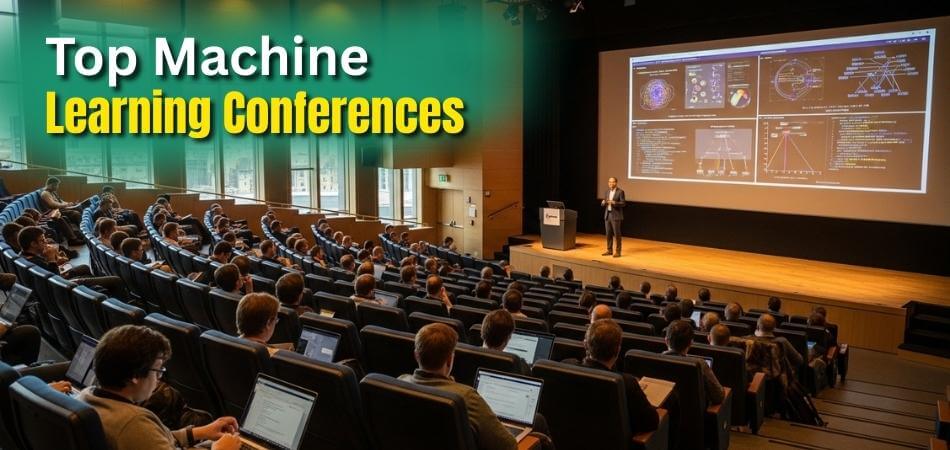
Since events are now held online, many people believe that location is less important. But place still shapes how people meet and share ideas. You can see this clearly in ML events, so let’s explore why it still counts.
Cultural Hubs
In a busy cultural hub, the whole conference can feel more alive. Cities with strong art, food, and tech scenes help people feel welcome and inspired. They bring fresh energy into the event and make it easier for speakers and guests to relax, connect, and share ideas naturally.
Travel Access
A place with easy travel helps more people attend. Good airports and trains make the trip less stressful. This means more voices in the room and more ideas shared. Simple travel paths can shape the size and spirit of the event.
Regional Research Strength
Some regions have strong research groups that boost the event. Local teams share real work and clear ideas that help others learn. This gives the conference its own style. It also pulls in people who want to see new tools up close.
Conference Identity
The location often becomes part of the event’s story. The food, weather, buildings, and local mood shape how people remember the days spent there. These small details make each event feel unique. They help the conference build its own long-lasting identity.
Local Community Impact
Local schools, labs, and tech groups often join the event and add to the learning. Their work brings real value to the sessions. When guests meet local experts, they gain simple, helpful insights. This builds a friendly link between the city and the event.
The Economics of ML Conferences: Who Really Pays and Who Really Benefits
Money plays a bigger role in ML events than most people think. These meetings need support from many groups to run well. Let’s look at who pays and who gains so you can understand the real picture.
Conference Costs
Running a large ML event takes a lot of money for space, staff, lights, food, and tools. Most of these costs come from ticket sales and sponsors who want their name seen. These funds help keep the event smooth. They also shape what guests see and learn.
Who Pays Most
Many times, companies pay for staff to attend since they see value in learning. Some guests pay their own fees if they want to grow their skills. Sponsors also bring large funds. Each group adds money that helps the event stay alive.
Who Gains Knowledge
Guests get new ideas, meet helpful people, and learn simple tools they can use later. Speakers gain a voice and build trust with the crowd. Students or new workers often pick up clear lessons. This learning is one of the biggest benefits.
Who Gains Business
Companies use these events to show new tools and find buyers. Some teams meet partners who help them grow. Startups show simple demos to attract support. The event gives them a place to reach people who care about their work.
Hidden Benefits
Some gains are quiet but strong. Cities earn money from hotels, food spots, and travel. Schools near the venue may join and share work. Even online guests learn many things. These small wins add up and help many groups.
How to Detect Hype vs. Substance in ML Conference Announcements?
It can be hard to tell if a conference is offering real value or just big promises. Many events use shiny words to draw attention, but not all of them deliver useful learning. Here are simple ways to tell the difference so you can trust what you sign up for.
Check the Speaker List
Real value often comes from people with clear work and real results. Look for speakers who share their research or tools in simple terms. If the list is full of names you cannot trace, be careful. Strong speakers are a good sign of honest content.
Look for Clear Topics
Useful events always explain what they will teach. They list sessions with clear goals and real examples. If the announcement is full of vague words and no real details, it may be hype. Clear topics show the event has real planning behind it.
Check Past Events
A good way to judge an event is by looking at its past versions. See if people learned something, enjoyed the talks, or shared helpful notes. If you find little proof of past work, that might be a red flag. Real events leave a track record.
Notice the Claims
Some announcements use huge claims to get attention. They might promise life-changing ideas or “the biggest event ever” without proof. Real events keep the tone simple and honest. Strong learning does not need bold hype to sound useful.
Look at the Agenda
A clear and full agenda shows real effort behind the event. See if the schedule includes research talks, demos, panels, or hands-on sessions. If the agenda is short or missing, it may be more hype than substance. Good events plan early and share early.
Networking Tips for Machine Learning Conferences
Meeting people at ML events can feel simple with a little planning. Small steps can help you talk with ease and meet new faces. Here are quick tips that make networking feel natural.
- Prepare Simple Intros: Make a short intro about who you are and what you like. Practice it so you feel calm when meeting people.
- Use LinkedIn Wisely: Keep your profile clear and updated. Send short follow-up messages to people you meet.
- Join Social Events: Go to meetups and mixers to talk in a relaxed space. Start small chats about talks or shared interests.
- Prepare Talking Points: Think of a few topics you want to mention. Use them to keep conversations smooth and easy.
- Connect With Researchers: Ask simple questions about their work. Listen well and show real interest.
- Reach Out to Recruiters: Talk to recruiters about skills they need. Ask what roles or projects they look for.
- Stay Active Online: Post short notes about sessions you like. Tag speakers to stay visible.
- Be Kind and Open: Keep a warm tone in every chat. Small signs of interest help people feel comfortable.
How to Make the Most of a Conference: Before, During, and After
Going to a conference can be exciting, but it helps to plan well so you get real value from it. Simple steps before, during, and after the event can make your time more meaningful. Here is a clear guide to help you make the most of the experience.

Before the Conference
- Plan Your Sessions: Look at the schedule and pick the talks that match your goals. This helps you avoid confusion on the event day.
- Update Your LinkedIn: Make sure your profile has a clear photo, skills, and a short bio. People often search for you after meeting you.
- Prepare a Short Intro: Write one or two lines about who you are and what you’re interested in. This makes meeting people smoother.
- Make Talking Points: Think of simple topics you can use to start a chat, like a session you want to attend or a tool you want to learn.
- Pack Smart Items: Bring a notebook, pens, your charger, and maybe a power bank. These small items save you in busy moments.
- Plan Your Travel and Timing: Check the venue, transport, and time needed to reach. Arriving calmly helps you enjoy the event more.
During the Conference
- Arrive Early: Give yourself time to settle in, find your seat, and look around. Early moments help you feel comfortable.
- Take Short Notes: Write down useful ideas, tools, or speakers you want to look up later. Quick notes help you remember key points.
- Ask Simple Questions: If something interests you, raise your hand or ask after the talk. This shows you’re engaged and helps you learn more.
- Join Social Events: Attend mixers, lunch meetups, or group activities. These relaxed settings make conversations easy.
- Start Small Chats: Say hello to people sitting near you or waiting in line. A simple smile or comment can spark great talks.
- Visit Booths and Stands: Explore company tables and ask what they do. You may learn about new tools or job openings.
After the Conference
- Send Follow-up Messages: Thank people you met and mention something you talked about. This helps them remember you.
- Post Your Thoughts Online: Share one or two helpful ideas from the event. This keeps you visible and shows you were active.
- Review Your Notes: Highlight the ideas you want to study later. This turns your notes into real learning.
- Add Contacts on LinkedIn: Connect with people you met and keep the link alive. A short invite message helps them recall you.
- Track Your Action Items: If someone suggested a tool or gave advice, write it down and follow it. Small actions keep the value going.
- Stay in Touch: Say hi once in a while or share something useful. Simple ongoing contact keeps your network strong.
Frequently Asked Questions
Here are some common questions people ask when learning about top machine learning conferences. These answers will help you understand what to expect, how to plan, and what makes these events special. Explore them to get a clearer view before choosing a conference to follow or attend.
How Do ML Conferences Support Skill Growth
These events help build skills by offering sessions that explain new methods in easy ways. Many talks include real examples that show how tools work in daily use. Attendees can also ask questions, explore demos, and take notes that help them learn faster.
Should First-Time Attendees Join ML Conferences
First-time attendees can learn a lot because many conferences explain things in simple terms. They offer friendly sessions, open spaces for questions, and helpful guides. New learners also meet people who share similar interests, which makes the experience more comfortable and enjoyable.
Are Virtual ML Conferences Worth Attending
Online ML conferences can be great for people who want to learn without travel. They offer clear talks, recorded sessions, and easy access from home. Many virtual events still allow chat rooms, Q&A features, and small group talks that help people stay connected.
How Do ML Conferences Help With Career Ideas
These events can help you understand what kinds of roles exist in the ML world. By listening to talks and meeting working professionals, you learn what skills matter. This helps you plan your next steps with more confidence and clearer goals.
What Should You Look For In A Good ML Conference
A strong event has clear topics, trusted speakers, and a schedule that is easy to follow. It should offer a mix of research and simple practical sessions. Good conferences also share real examples, which help people understand how ideas work in real life.
Do ML Conferences Highlight Real-World Industry Use
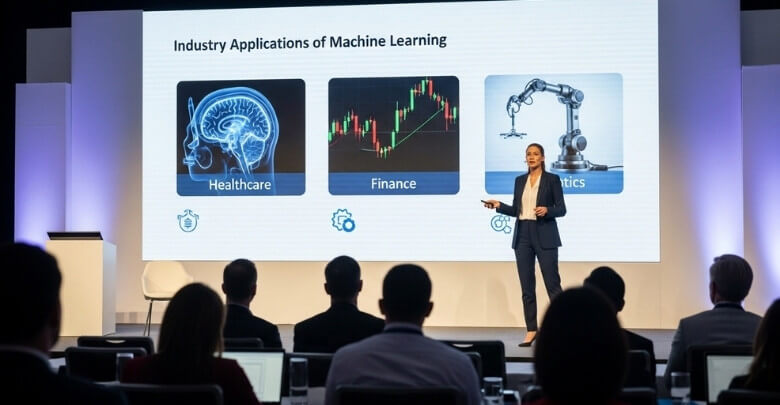
Many conferences show how ML tools work in business, health, science, and daily life. Speakers often explain simple examples to show how systems make decisions. Hearing these stories helps attendees see how ML shapes the world in useful and measurable ways.
How Early Should You Plan To Attend A Conference
Planning early helps you choose sessions, book travel if needed, and prepare talking points. Early planning also lets you learn about speakers and tools that will be featured. This prepares you to make better choices and enjoy the event more fully.
Why Do Some ML Conferences Attract Larger Crowds
Bigger events often bring well-known speakers, popular research topics, and easy-to-reach locations. They may also have long histories and strong reputations. These factors help people trust the event and feel excited to join the sessions and meet others in the field.
Conclusion
Machine learning is no longer just a tech topic. It shapes the apps we use, the systems we trust, and the tools that make life easier every day. That is why following top machine learning conferences is more than just tracking events. It is about staying aware of ideas that can change how we build, work, and think. These conferences bring real people together to share research, tools, and lessons that matter.
If you want to stay informed and inspired, keep an eye on these events and explore the ones that match your goals. The right conference can open new doors, spark smart ideas, and connect you with people who think like you.