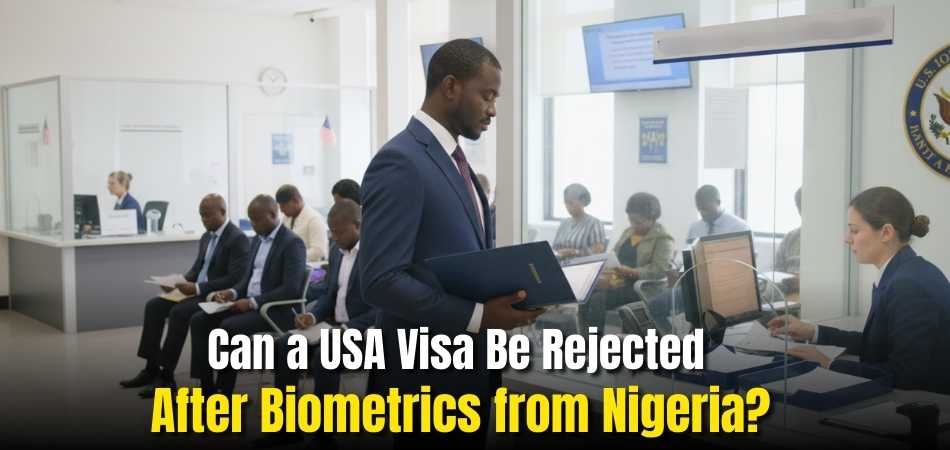
Obtaining a visa to the United States is an exciting opportunity, but applicants may be rejected even after completing all of the required steps. Particularly after biometrics are finished, it can be depressing. It might come as a surprise to you, but can a USA visa be rejected after biometrics from Nigeria?
A visa can be “rejected” or “not issued” even after biometrics and interview, regardless of how strong the application is. While biometrics are used for background checks, the final decision depends on several other factors. Your travel plans, your interview performance, your financial records, and your paperwork are all taken into account. Even if biometrics are successfully completed, any of these issues may result in a visa denial.
After biometrics, what leads to visa rejections? What causes it to occur? This article will guide you through the entire process, providing all the information you need to better understand the potential reasons and steps you can take.
Why Are Biometrics Only One Part of the Approval Process for a USA Visa?
Biometrics are an important part of the USA visa process, but they do not guarantee approval. While the biometrics process helps with security checks and identity verification, it’s only a small part of the overall evaluation. Several other factors influence whether your visa will be approved or rejected. Let’s take a closer look at why biometrics is just one piece of the puzzle.
Biometrics Assist With Background Checks
The primary role of biometrics is to assist in background verification. Fingerprints and photographs are used to run security checks through various databases, including criminal and immigration records. This helps identify any potential threats or security risks. However, these checks are just one step, and even if you pass, your application still requires further assessment based on eligibility criteria.
The Visa Interview Plays a Critical Role

After completing biometrics, the next step is typically the visa interview. This is an opportunity for the consular officer to assess your intentions and evaluate your overall application. The officer will ask questions to ensure your visa application aligns with your stated purpose of travel. Your responses and demeanor during this interview can play a crucial role in whether you are granted a visa or not.
Compliance with U.S. Immigration Laws
Even with successful biometrics and a solid interview, your eligibility for a USA visa must still be considered. Immigration laws are strict, and the embassy reviews your personal history to ensure you meet all requirements. Any past visa violations, criminal history, or failure to comply with U.S. law could lead to denial. Biometrics does not override these laws and regulations, which are vital to the approval process.
Documentation Is Essential for Approval.
A successful visa application is heavily dependent on the documentation you provide. Biometrics are not a substitute for submitting the necessary paperwork. Financial statements, employment records, and other supporting documents are essential in demonstrating your eligibility. If any of your documents are incomplete or inaccurate, your visa application could be denied, regardless of biometrics completion.
Administrative Review and Processing Delays
Biometrics may also trigger additional administrative processing, especially for applicants who require more detailed background checks. This means that even after submitting biometrics, your application could face delays. If your case is flagged for further investigation, the process might take longer. Administrative delays often occur for applicants from certain countries or with complex cases.
Can a USA Visa Be Rejected After Biometrics from Nigeria?
Biometrics are an important step in the application process for a visa to the United States. However, it does not guarantee approval. Despite successfully completing biometrics, there are several reasons your visa could still be denied. Let’s look at why this happens and what factors contribute to it.
Rejection Due to Inadequate Documentation
A key reason why visas are rejected after biometrics is incomplete or inaccurate documentation. The visa officer will review your financial records, invitation letters, and proof of ties to your home country. Missing or incorrect documents can raise concerns and lead to denial. It’s crucial to double-check all supporting materials before your biometrics appointment.
Performance in the Interview Affects the Choice
Your visa interview performance is another critical factor. Even after biometrics, the officer will assess whether your answers align with your application. If the officer suspects any inconsistency or a lack of intent to return to Nigeria, they may reject your visa. A poor interview, regardless of biometrics, can lead to a negative outcome.
Biometrics Is Not a Decision-Making Factor
Biometrics, such as fingerprinting and photograph capture, is primarily used for background checks. While this step ensures security, it is not a decision-making process for approval. Your eligibility for a visa depends on many other factors, including your visa type and personal circumstances. Biometrics is just part of the overall assessment conducted by the U.S. embassy.
Ineligibility Based on U.S. Immigration Laws
U.S. immigration laws are strict, and applicants must meet specific criteria to qualify for a visa. Criminal records, previous visa overstays, or health-related issues could make you ineligible. If your background check reveals issues, even after biometrics, it can result in rejection. The U.S. embassy follows these rules carefully to ensure applicants meet all requirements.
Denials or Delays in Administrative Processing
In some cases, after biometrics, your application may be subject to additional administrative processing. This can delay the decision or lead to a visa denial if issues arise. These delays are not always caused by applicants but could be due to extra checks or issues with your case. Staying updated and following up with the embassy is important during this stage.
Previous Visa Violations or Overstays
Rejection may occur if you have a history of breaking U.S. visa requirements, such as working without authorization or overstaying a prior visa. The U.S. embassy thoroughly checks past records to ensure applicants adhere to visa rules. Even if biometrics is completed successfully, any past violations could heavily impact the outcome of your application.
Your visa may still be denied even if you successfully complete biometrics if there is not enough documentation or if problems are found during the background check. For example, if you’re applying to attend a conference in USA, the visa officer may also look for evidence that you have strong ties to your home country, ensuring that you will return after your stay. So, it’s essential to prepare all your documents properly.
New USA Visa Bond Requirement for Nigerians (2026 Update)
Many Nigerians are hearing about a new USA visa bond rule. This update has raised questions and some confusion. The rule does not apply to everyone. Read below to understand what it means and who it affects.
Explanation Of The Visa Bond
The visa bond is a refundable security payment. It is requested before travel approval in some cases. The bond acts as a guarantee that visa rules will be followed. If a traveler follows all visa terms, the bond is returned later. It is not a fine or extra visa fee.
Reason Behind The New Rule
The rule was introduced to reduce visa overstays. Authorities want stronger proof that visitors will return home. The bond helps confirm this intention clearly. It is used only in specific situations. The goal is better compliance, not blocking genuine travelers from visiting the United States.
Nigerians Who May Be Affected
This requirement does not apply to all Nigerians. It mainly targets applicants considered higher risk. These decisions depend on travel history and past visa records. Many applicants will never be asked for a bond. Each case is reviewed individually by visa officers.
Refund Process After Travel
The bond is fully refundable when visa rules are respected. Travelers must leave the country on time. No overstaying or rule breaking should happen. After exit records are confirmed, the bond is returned. The refund process may take time but remains guaranteed if rules are followed.
Important Points To Keep In Mind
The bond does not guarantee visa approval. It is only a condition added to some applications. Applicants should still prepare strong documents. Honest travel plans and clear intent remain very important. Always check official updates before applying for a visa.
This visa bond rule may sound worrying at first. It only affects certain cases, not everyone. Following visa rules ensures the bond comes back fully. Stay informed and prepare your application carefully.
Common Mistakes Nigerians Make When Applying
Many people rush their visa applications without checking the details well. This leads to simple mistakes that could have been easily avoided. A few wrong steps can cause delays or even visa denial. Below are common mistakes to watch out for during the application process.

Using Wrong Or Fake Documents
Some people submit fake bank statements or work letters to look qualified. Visa officers can spot these documents and deny the visa right away. Even a small error can raise red flags. It’s safer to provide real and honest papers that match your details. Fake documents often lead to bans or long-term denial.
Not Showing Strong Home Ties
Officers want to see that you will return to Nigeria. If you don’t show family, work, or property ties, they may refuse the visa. It’s important to show proof that your life is based here. That gives them confidence you’re not trying to stay in the U.S. Strong ties are key to a good application.
Poor Interview Answers
Some applicants don’t prepare for their visa interview questions. They give short, unclear, or wrong answers that cause confusion. Officers want clear and honest replies that match your documents. A poor interview can spoil your chances, even if your paperwork is perfect. Practice before your appointment to feel ready.
Incomplete Or Confusing Documents
Many people forget to include important documents or mix things up. If your files are not clear or look messy, officers may not trust them. Keep your documents neat, updated, and easy to read. Label them well so they match your visa purpose. A well-organized file makes a big difference.
Weak Financial Proof
You need to prove that you can afford your U.S. trip. If your bank account is too low or looks fake, you may be denied. The money must match your reason for travel. Also, sudden big deposits before your visa can raise questions. Be honest and clear about where the money came from.
What Documents Can Impact Your USA Visa After Biometrics?
While biometrics is a crucial step in the USA visa process, the documentation you submit plays a vital role in your approval. After biometrics, the visa officer will carefully review your documents to ensure everything is accurate and complete. Missing or incorrect documents can significantly impact the outcome. Let’s explore the key documents that can affect your visa decision.
Financial Documents
Your financial documents are essential to demonstrate that you can support yourself during your stay in the U.S. Bank statements, tax returns, and proof of employment or business ownership are key factors. If your financial records seem inadequate or unverifiable, the visa officer may have doubts about your ability to fund your trip. This can lead to visa delays after biometrics or even rejection if the concerns aren’t addressed.
Invitation Letters and Proof of Ties
If you are traveling for personal reasons, an invitation letter from a U.S. host is essential. This letter should include details about your relationship, the purpose of your visit, and your planned stay. Additionally, proof of ties to your home country—such as employment, property ownership, or family—demonstrates your intent to return. Without these documents, your visa application might be rejected, even after biometrics.

Travel History and Previous Visas
Your travel history can impact your U.S. visa approval. Previous visa applications, including past rejections, overstays, or violations of immigration laws, are reviewed during the process. If your travel history raises red flags, it could delay the approval of your visa. It’s important to disclose all relevant travel information and any issues that might arise from your past trips to the U.S.
Employment or Educational Records
For applicants applying for a work or student visa, providing accurate employment or educational records is crucial. This includes letters from employers or educational institutions verifying your current status and plans for your stay in the U.S. If there are discrepancies or your documents lack clarity, it could affect your application. Visa officers may suspect fraud or misrepresentation, leading to further scrutiny or delays.
Documents play a critical role in your USA visa application after biometrics. Financial records, invitation letters, travel history, and employment documents all contribute to the decision-making process. It’s essential to ensure these documents are complete and accurate to avoid delays or potential denial.
What Happens If Your USA Visa Gets Denied After Biometrics?
A USA visa denial after completing biometrics can be a frustrating experience. However, it’s important to understand that the biometrics process is only one step in the entire application. Several factors could influence the final decision. If your visa is denied, it’s essential to know what to do next and how to improve your chances in the future.
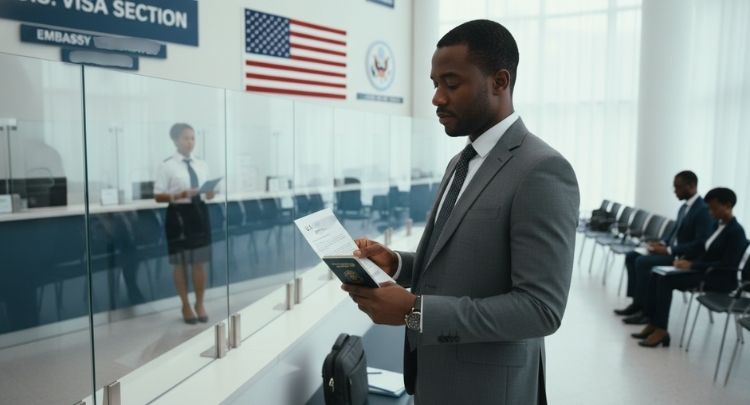
Understand the Reasons Behind the Denial
If your visa application is rejected after biometrics, you will typically receive an explanation of the reason for denial. The U.S. embassy may cite issues such as incomplete documentation, a poor interview, or concerns about your intent to return to your home country. By understanding US visa rejection causes, you can identify the root of the issue. It’s essential to address these concerns for any future applications.
Can You Reapply After a Denial?
If your visa is denied after biometrics, you can reapply, but it’s crucial to address the reasons for the initial rejection. In many cases, applicants choose to fix issues with their application, such as providing additional documentation or clarifying their intentions. Reapplying may require paying new fees and attending another interview. It’s important to improve your application based on the feedback received.
Explore Options for Appealing the Decision
While reapplying is an option, you may also explore appealing the decision if you believe the rejection was based on incorrect information. However, appeals can be a lengthy and complex process. The U.S. embassy may allow you to submit new evidence or explain your case in more detail. Seek legal advice if you consider this route to ensure your appeal is properly submitted.
Understand Possible Administrative Processing
If your visa was denied after biometrics, it might also be subject to administrative processing. This is a separate review process that can delay your decision. Administrative processing usually occurs when additional background checks are required or if your case needs further evaluation. If this happens, you will be informed about the status of your application and what additional steps, if any, are needed.
Process Update
- Nigeria now uses usvisaappt.com (AVITS)
- Old portal is no longer valid
Frequently Asked Questions
Here are some common questions about the process of USA visa applications after biometrics, specifically for applicants from Nigeria. If you’re unsure about certain aspects of your application, these answers should help clarify any confusion you may have.
Can a USA Visa Be Rejected If I Have No Criminal Record After Biometrics?
Yes, even if you have no criminal record, your USA visa can still be rejected. The decision depends on various factors like financial status, purpose of travel, and the credibility of supporting documents. A clean record doesn’t guarantee approval if other areas of your application are weak or inconsistent.
How Long After Biometrics Do I Know If My USA Visa Is Approved?
The processing time after biometrics varies and can take several weeks. While biometrics is a quick step, the entire application goes through several checks, including security background screenings. You will be notified once a decision is made, which may take from a few weeks to a few months depending on your case.
What Happens If I Miss My USA Visa Interview After Completing Biometrics?
Missing your interview can lead to significant delays in the visa process. If you miss it, you may need to reschedule the interview and possibly go through biometrics again, depending on the embassy’s policies. A missed interview could also raise concerns about your application, potentially impacting your approval.
Can Biometric Data Expire During the USA Visa Process?
Biometric data generally does not expire, but it could become invalid if the process takes too long. If there is a long delay after biometrics or you must reschedule for any reason, the embassy might require you to update your biometric information to ensure accuracy in security checks.
What Should I Do If My USA Visa Application Is Rejected After Biometrics?
If your visa is rejected after biometrics, review the reason provided in the denial notice. You can reapply by addressing the issues mentioned, such as submitting additional documentation or clarifying discrepancies. You may also seek legal counsel to understand your options better and reapply with stronger evidence.
Can My USA Visa Be Approved Without an Interview After Biometrics?
Interview waivers became limited in late 2025. Most USA visa applicants in 2026 should expect an interview after biometrics. Only a small group qualifies for waivers, usually with recent visa history. For most people, biometrics alone is not enough for approval.
Does Biometrics Data Affect My Visa Approval Chances?
Biometric data itself doesn’t directly impact your chances of approval, but it does support the background check process. If your biometrics show any discrepancies or raise red flags in the system, it could lead to further scrutiny, which may affect the approval process negatively.
Can a USA Visa Be Rejected After Biometrics If I Don’t Have Sufficient Funds?
Yes, financial capability is a significant factor in visa decisions. If the embassy finds that your financial documents do not show enough funds to support your stay in the U.S., they may reject your application. Biometrics alone cannot offset insufficient financial proof or other weaknesses in your application.
Will I Receive A Refund If My USA Visa Application Is Rejected After Biometrics?
Unfortunately, visa application fees are non-refundable, even if your visa is rejected after biometrics. The fee is paid to cover administrative costs for processing your application, including biometrics and security screenings. No refund is provided regardless of the outcome of your application.
How Can I Avoid Visa Rejection After Biometrics?
To avoid rejection, ensure all your documents are complete, accurate, and up-to-date. Be honest and clear during your visa interview, and prove strong ties to your home country, such as family, a job, or property ownership. Proper preparation and thoroughness can greatly improve your chances.
Can Biometric Data Be Used for Other Immigration Purposes?
Yes, biometric data collected during your USA visa application can be used for various immigration purposes. It helps in background checks, criminal record verification, and preventing fraud. This data is securely stored and can also be used for future U.S. visa applications or entry into the country.
Final Thought
A smooth application process requires a thorough knowledge of the factors that can lead to a USA visa rejection. Biometrics is an important step, but it’s not the only requirement for visa approval. There are several reasons your visa could be denied even after completing biometrics.
To answer the question, can a USA visa be rejected after biometrics from Nigeria? Yes, it can. The final decision depends on other aspects like your financial status, the visa interview, and your overall eligibility. Biometrics only aid in background checks, not in ensuring approval. As you move forward with your visa application, ensure all documents are complete and accurate. Double-check financial records, be prepared for the interview, and be clear about your travel purpose.